

Blog posts in chronological order…

How Organisations Are Approaching Artificial Intelligence Strategy, Investment, and Integration
Artificial Intelligence (AI) has moved from experimental technology to a central pillar of enterprise strategy. Across industries, organizations are redefining how they operate, invest, and compete by embedding AI into core processes. Today’s leading companies are not merely adopting AI tools; they are designing comprehensive AI strategies that align technology with business outcomes, workforce capabilities,…
Keep reading
Ethics in Data and AI Management: A Detailed Article
As organisations collect more data and embed artificial intelligence into decision-making, the ethical implications become unavoidable. Ethical data and AI management is no longer a “nice to have”, it is a foundational requirement for trust, regulatory compliance, and long-term sustainability. This article explores the principles, challenges, and practical frameworks for managing data and AI responsibly.…
Keep reading
Beyond the Medallion: Cost-Saving Alternatives for Microsoft Fabric Data Estates
The Medallion Architecture (Bronze → Silver → Gold) has become the industry’s default standard for building scalable data estates—especially in Microsoft Fabric. It’s elegant, modular, easy to explain to business users, and aligns well with modern ELT workflows. The Medallion Architecture remains one of the most effective and scalable patterns for modern data engineering because…
Keep readingThe EU’s New AI Act: What It Means for the Future of Artificial Intelligence
You’ve probably noticed how fast AI tools are changing the way we work, create, and communicate. From chatbots and image generators to smart assistants, artificial intelligence has become part of our everyday lives. But as exciting as this innovation is, it also comes with serious questions — about ethics, safety, and trust. That’s exactly why…
Keep reading
Harnessing Data to Drive Boardroom Decisions: Navigating Top Priorities for 2025
How Data Can Inform Top Board Priorities for 2025 As businesses navigate an increasingly complex landscape, data-driven decision-making is critical for boards looking to stay ahead. The percentages cited for these top 15 board priorities are based on research conducted by the National Association of Corporate Directors (NACD), as part of their 2024 Board Trends…
Keep reading
Saying “No” to Say “Yes”: Unlocking Tomorrow’s Innovation
The Unexpected Power of Saying “No”: Ensuring the Success of Your Technology Development Project In the fast-paced world of technology development, there’s a tendency to say “yes” to almost every idea, request, or feature that comes along. After all, isn’t innovation about pushing boundaries and exploring all possibilities? The truth is, while it’s critical to…
Keep reading
Mastering Client and Stakeholder Management in Software Development Projects
Effective client and stakeholder management is crucial for successful software projects. Best practices include clear communication, defined roles, realistic expectations, agile methodologies, and robust project management tools. Building strong relationships and resolving conflicts promptly also foster collaboration. Celebrating milestones boosts morale, driving the project towards a shared success.
Keep reading
Navigating the Impossible: When Tough Projects and Tougher People Collide
The post reflects on navigating challenging, high-pressure projects often complicated by difficult personalities. It emphasizes coping strategies like setting boundaries, prioritizing tasks, finding allies, and celebrating small wins. Ultimately, it advocates for knowing when to walk away or reassess life choices to preserve mental and emotional health amidst workplace chaos.
Keep reading
What to Do in Software Development Projects When Words Lose Their Value
Effective communication, mutual respect, and collaboration are crucial in software development projects. Breakdown in communication can lead to misunderstandings and a toxic environment. Recognizing issues, documenting actions, utilizing alternative communication methods, and addressing disrespect directly are essential steps. Building a respectful culture and strengthening team dynamics can restore collaboration and project success.
Keep reading
Get the Top Line Right, and the Bottom Line Will Follow
The content emphasizes that successful business growth hinges on prioritizing top-line revenue generation instead of solely focusing on cost-cutting for bottom-line benefits. It argues that having the right team is essential for driving growth, enhancing customer experience, and fostering innovation, ultimately leading to sustained profitability and resilience.
Keep reading
The Epiphany Moment of Euphoria in a Data Estate Development Project
The blog explores achieving epiphany moments in data estate projects by paralleling the engineering success of the Paul Sauer Bridge. It emphasizes a dual approach: the Top-Down strategy focuses on business objectives, while the Bottom-Up strategy ensures robust data quality. Challenges highlight the need for adaptability, communication, and strong governance for improved outcomes.
Keep reading
The Value of Time: A Precious, Irreplaceable Asset
In today’s fast-paced society, time is a finite and invaluable resource, distinct from money. Effective time management enhances personal fulfillment and relationships, emphasizing the importance of prioritizing tasks, minimizing distractions, and scheduling downtime. Reflecting on how we utilize time ultimately shapes our life’s quality and legacy, making every moment significant.
Keep reading
Metadata-Driven Data Lakehouse Architecture: A Unified Framework for Data Ingestion and Transformation Across Time Contexts
Blog 2#2: The blog discusses the necessity of a metadata-driven architecture in data lakehouses to effectively manage diverse data sources across varying time contexts. It highlights the challenges of integrating real-time and historical data, emphasizing metadata’s role in ingestion, transformation, and reconciliation to ensure accurate analytics, thus enhancing data-driven decision-making.
Keep reading
Metadata-Driven Data Lakehouse Architecture: Unlocking the Future of Data Management
Blog 1#2: Unlocking the Future of Data Management In a data-driven world, organizations face the challenge of managing massive amounts of structured, semi-structured, and unstructured data. Traditional data warehouses, though robust for structured data, struggle with scale and diversity, while data lakes, though flexible, often suffer from governance and performance issues. Enter the data lakehouse—a…
Keep reading
When Longevity Becomes a Liability: The Innovation Challenge of Long-Tenured Staff
Long-tenure IT staff provide valuable institutional knowledge and stability, yet they can hinder innovation due to comfort with the status quo, resistance to change, and interpersonal conflicts. To counter these issues, businesses should promote continual learning, recruit fresh talent, encourage collaboration, and implement strategies that foster a culture of innovation.
Keep reading
Top 10 Strategic Technology Trends for 2025 -Aligning Your Technology Strategy
As 2025 approaches, CIOs must embrace strategic technology trends that shape operational efficiency, security, and innovation. Gartner’s insights focus on AI governance, energy-efficient computing, and human-machine synergy, guiding leaders toward responsible innovation and long-term success amidst evolving challenges and opportunities within the technological landscape.
Keep reading
Building a Future-Proof Data Estate on Azure: Key Non-Functional Requirements for Success
As organizations embrace data-driven strategies, managing extensive data estates is crucial. Azure’s services enhance data workflows, while the Medallion Architecture organizes data layers for quality. Non-functional requirements (NFRs) such as performance, scalability, security, and availability are vital for successful Azure deployments, ensuring robust data solutions that meet business needs efficiently and cost-effectively.
Keep reading
Handling Underqualified or Inexperienced Team Members in Leadership Positions
Inexperienced leadership in software development can lead to poor decision-making, team demotivation, and erosion of trust. To address these challenges, support their growth, provide constructive feedback, and encourage collaboration. If problems persist, consider escalating concerns. A proactive approach can enhance team dynamics and help mitigate the impact of unqualified leaders.
Keep reading
IT Executive Guide for Strategic Planning
Strategic planning is crucial for IT executives to align their function’s goals with enterprise objectives. This guide outlines key steps, best practices, and tools for developing a strategic IT plan. It covers verifying business context, assessing function’s capabilities, managing budgets, measuring progress, and documenting the strategy. Leveraging tools and experts enhances successful implementation.
Keep reading
Strategic Steps for Implementing Generative AI in Your Enterprise
Generative AI (GenAI) is gaining traction in the business world. While most organizations are still exploring its potential, some have successfully integrated it into their operations. According to Gartner, only 10% of experimenting organizations have achieved this. A four-step strategy is outlined to guide effective GenAI implementation: establish a vision, remove barriers, assess risks, and…
Keep reading
The Ultimate Guide to Product Operations: Navigating the Emerging Field
Introduction Product Operations, often referred to as Product Ops, is a relatively new yet increasingly vital role within technology companies, particularly those experiencing rapid growth. While operations functions like Sales Operations (Sales Ops) and Marketing Operations (Marketing Ops) have been well-established for years, Product Ops is just beginning to gain traction. However, for companies scaling…
Keep reading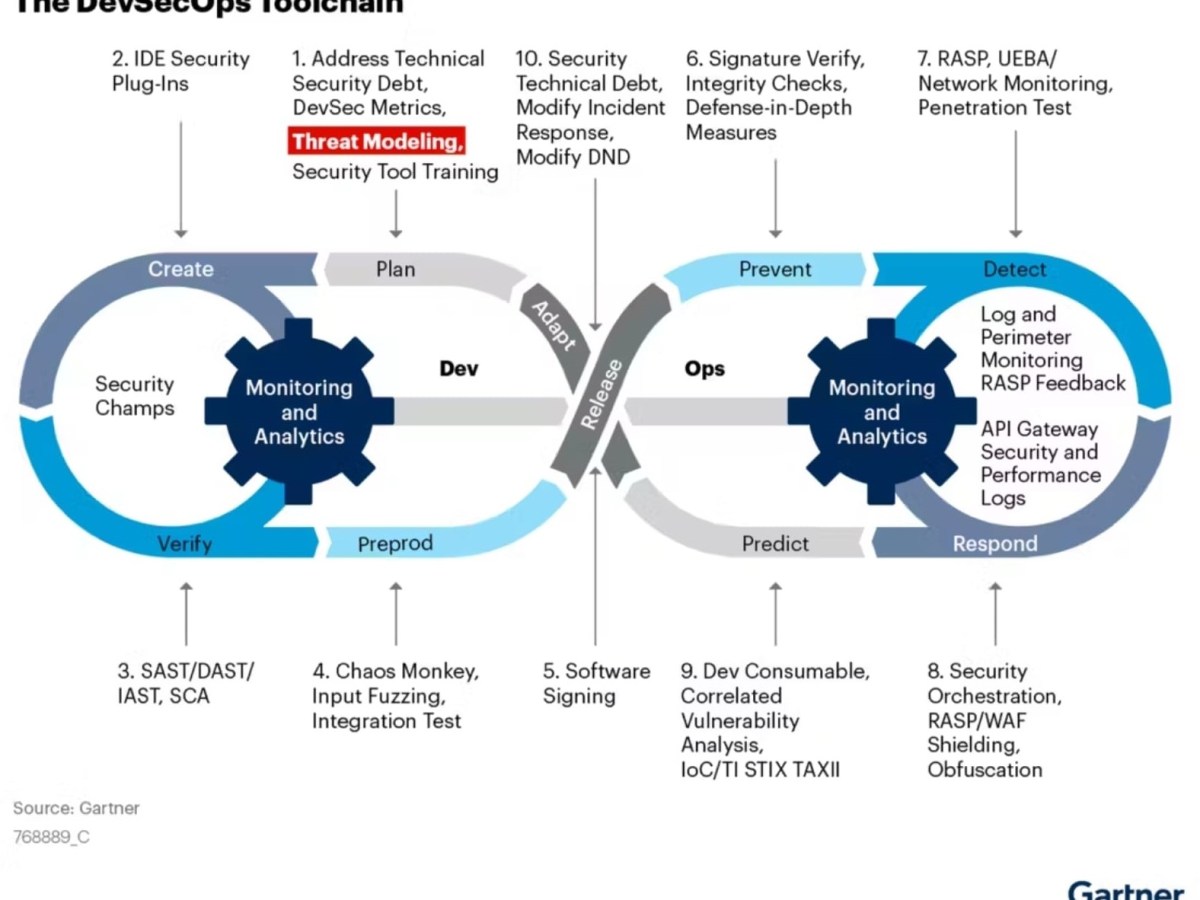
DevSecOps Tool Chain: Integrating Security into the DevOps Pipeline
The DevSecOps philosophy integrates security practices into every phase of the development pipeline, treating security as code. The DevSecOps tool chain automates security checks, encompassing code analysis, vulnerability scanning, CI/CD pipeline, and infrastructure monitoring tools. This integration results in shift-left security, automated processes, continuous compliance, faster time-to-market, and reduced costs, enabling secure and reliable software…
Keep reading
Comprehensive Guide: From Monolithic Architectures to Modern Microservices Architecture utilising Kubernetes and Container Orchestration
This guide navigates the transition from monolithic to microservices architectures, highlighting the risks and benefits. It details mitigation strategies for monolithic architectures and the strategic shift to microservices, complemented by Kubernetes, containers, and modern cloud services. Real-world examples, practical steps, and future readiness principles are also explored.
Keep reading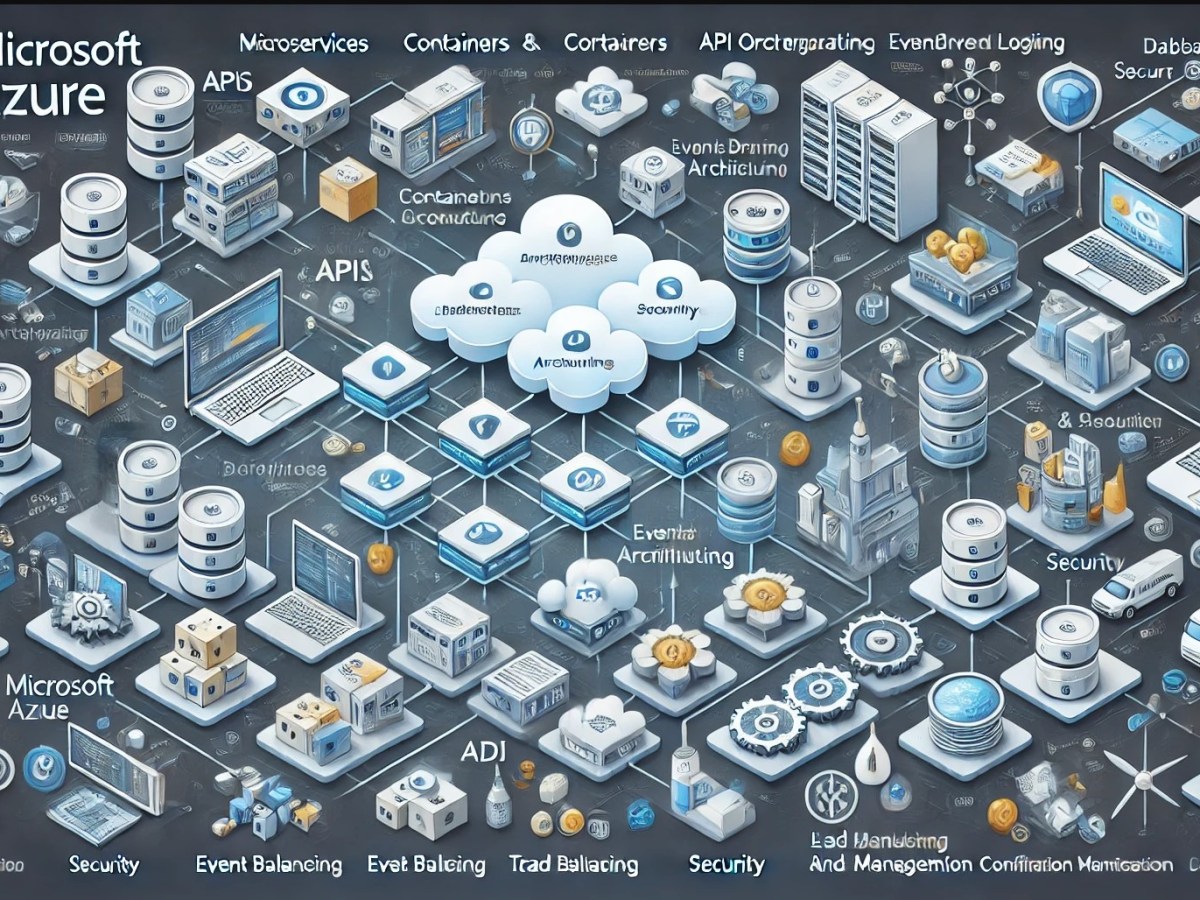
Embracing Modern Cloud-Based Application Architecture with Microsoft Azure
Microsoft Azure offers a comprehensive framework for building modern cloud-based applications, empowering developers with scalability, flexibility, and resilience. Key components include microservices, containers, serverless computing, APIs, event-driven architecture, databases, security, CI/CD pipelines, configuration management, edge computing, and CDN. Integration of these components enables high availability, resilience, and operational efficiency.
Keep reading
A Comprehensive Guide to Evaluating Software Licensing Costs for Enterprises
Evaluating software licensing costs for enterprises involves considering types of licenses, total cost of ownership, scalability, vendor reputation, compliance, hidden costs, ROI, customisation, and alignment with business needs. Consultants must assess a client’s business requirements, needed features, cost-effectiveness, system integration, scalability, and vendor support to ensure a strategic and cost-effective investment.
Keep reading
Harnessing the Power of Generative AI: A Blueprint for Business Success
Businesses must embrace generative AI to revolutionize operations, enhance creativity, and foster innovation. Establishing an AI Centre of Excellence can integrate AI into workflows, boost productivity, and drive efficiency. Learning from best practices, overcoming integration challenges, and following key principles can lead to successful AI implementation and business transformation.
Keep reading
Attracting and Retaining Top Tech Talent
This blog post discusses the importance of attracting and retaining top tech talent for organizational success, providing strategies and real-world examples. It emphasizes building a strong employer brand, offering competitive compensation and benefits, fostering an inclusive and diverse workplace, leveraging technology in recruitment, and prioritizing employee development and well-being.
Keep reading
Blockchain Technology: Beyond Cryptocurrency
Blockchain technology, beyond cryptocurrencies like Bitcoin, offers enhanced security, transparency, and traceability across industries. This blog series provides CTOs with actionable insights, real-world examples, and advice from industry leaders. Its applications in supply chain management, healthcare, finance, real estate, and voting systems demonstrate its transformative potential. CTOs must address challenges like scalability, interoperability, regulatory compliance,…
Keep reading
Unleashing the Power of 5G and Edge Computing
5G and edge computing are poised to revolutionize technology, offering speed, low latency, and enhanced data processing. They promise to drive innovation and impact various industries. Key strategies for leveraging these technologies include identifying use cases, investing in infrastructure, collaborating with partners, prioritizing security, and leveraging data analytics. Real-world examples illustrate their vast potential.
Keep reading
Exploring the Potential of the Internet of Things (IoT)
The Internet of Things (IoT) revolutionizes business operations, offering operational efficiency, data-driven decision-making, enhanced customer experiences, and new business models. Strategies for integration include defining objectives, selecting devices, ensuring security, leveraging data analytics, fostering innovation, and implementing IoT in phases. Real-world examples demonstrate IoT’s potential in smart cities, industrial settings, and retail.
Keep reading
Embracing DevOps and Agile Practices
This blog series explores the pivotal role of DevOps and agile methodologies in the tech industry. It emphasizes their benefits, strategies for fostering a culture around them, and real-world examples from companies like Netflix and Microsoft. Embracing these practices is crucial for enhancing collaboration, software quality, and deployment speed in a rapidly evolving technological landscape.
Keep reading
Data Analytics and Big Data: Turning Insights into Action
In the digital age, data has become a valuable asset for organizations. Data analytics and big data drive decision-making, operational efficiency, customer insights, competitive advantage, innovation, and growth. Strategies for utilizing data include a data-driven culture, investing in tools, robust data governance, predictive analytics, data visualization, advanced analytics, and data security. Real-world examples from leading…
Keep reading
Leading Digital Transformation Initiatives
Day 4 of Renier Botha’s 10-Day Blog Series on Navigating the Future: The Evolving Role of the CTO For almost all modern companies, digital transformation is no longer a choice but a necessity. Modernizing IT infrastructure and driving innovation are crucial for organizations aiming to stay competitive and relevant. Leading successful digital transformation initiatives requires…
Keep reading
Cloud Computing: Strategies for Scalability and Flexibility
Cloud computing provides scalability, flexibility, and cost savings, but presents challenges like security and cost management. CTOs can navigate these complexities with hybrid and multi-cloud strategies. Examples from Netflix, GE, and Capital One illustrate these strategies in action. Choosing the right cloud provider, such as Microsoft Azure, AWS, or GCP, is crucial for successful implementation.
Keep reading
Strengthening Cybersecurity in an Era of Increasing Threats
The 10-day blog series by Renier Botha highlights the increasing frequency and sophistication of cyber-attacks, emphasizing the crucial need for robust cybersecurity measures. It explores key challenges, strategies, real-world examples, and concludes with the importance of a multifaceted approach to protecting organizations from evolving cyber threats.
Keep reading
Harnessing the Power of Artificial Intelligence and Machine Learning
AI and ML are revolutionizing industries, enhancing business processes, and improving customer experiences. CTOs must embrace these technologies to stay competitive. Strategies include building a data-driven culture, investing in talent, collaborating with experts, implementing scalable infrastructure, and focusing on ethical AI. Real-world examples showcase their impact in healthcare, retail, and transportation.
Keep reading
Navigating the Future: A 10-Day Blog Series on the Evolving Role of the CTO by Renier Botha
The CTO’s role is vital in a rapidly advancing business landscape. Renier Botha Ltd will dive into 10 key topics shaping the CTO’s agenda, providing insights on AI, cybersecurity, cloud computing, digital transformation, data analytics, DevOps, IoT, 5G, blockchain, and tech talent. Gain strategic knowledge to excel as a technology leader.
Keep reading
DevOps – The Methodology
Understanding DevOps: Bridging the Gap Between Development and Operations In the past 15 years, driven by demand on the effective development, depoloyment and support of software solutions, the DevOps methodology has emerged as a transformative approach seemlessly melting together software development and IT operations. It aims to enhance collaboration, streamline processes, and accelerate the delivery…
Keep reading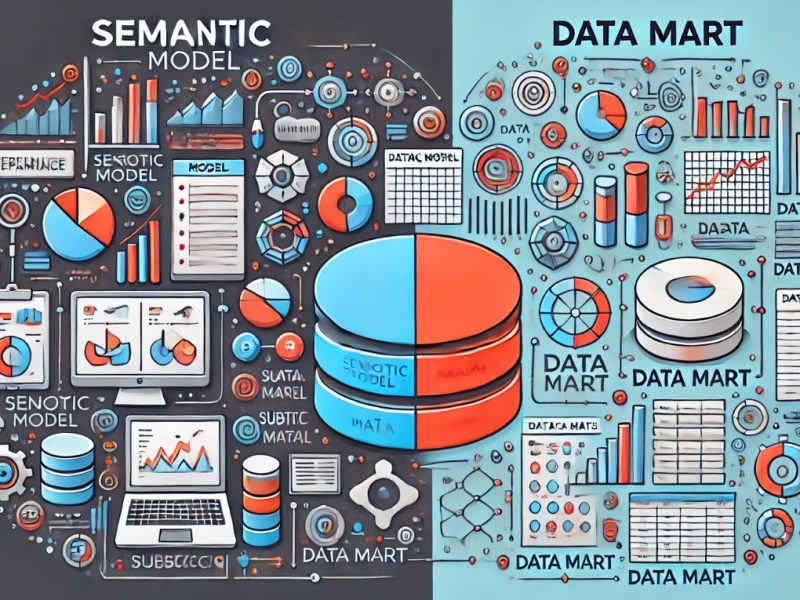
Understanding the Difference: Semantic Models vs. Data Marts in Microsoft Fabric
In the dynamic realm of data management and business intelligence, it’s crucial to grasp the concepts of “semantic model” and “data mart” within Microsoft Fabric. These tools, though seemingly similar, serve distinct purposes. A semantic model simplifies complex data for user-friendly interpretation, while a data mart provides a tailored dataset for specific business areas.
Keep reading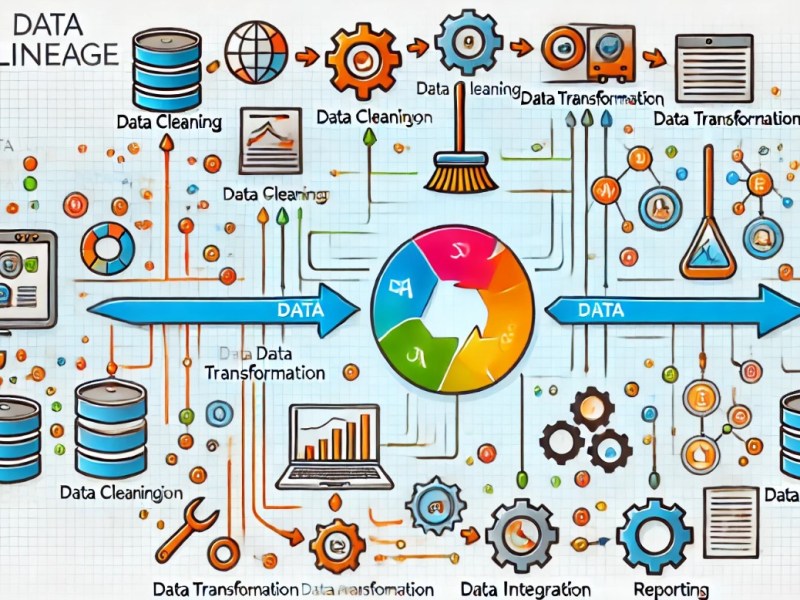
Data Lineage
Data lineage tracks data’s journey in an information system, from origin to destination, recording transformations and movement. It ensures data transparency, aids compliance and error correction, enables impact analysis, and supports data governance. Tools like Informatica, IBM InfoSphere, and Talend offer data lineage capabilities to enhance data management and governance.
Keep reading
Striking the Balance: Using Technology Effort Estimates as Targets, Not Deadlines
Effort estimates are crucial for project planning, but treating them as strict deadlines can lead to unrealistic expectations and failures. Accurate estimates aid resource allocation, budget planning, and risk management. Various estimation methods exist, such as expert judgment, analogous estimation, and agile poker. Comparing forecasts with actuals is significant for performance tracking and continuous improvement.…
Keep reading
Unleashing the Power of Data Analytics: Integrating Power BI with Azure Data Marts
Power BI and Azure Data Marts offer robust data analytics solutions when integrated. Power BI enables creating interactive reports and dashboards from various data sources, while Azure Data Marts handle large volumes of data with high-performance processing. The seamless integration ensures scalability, enhanced performance, and advanced analytics capabilities, catering to diverse organizational needs.
Keep reading
Essential AI Skills for Professionals in Every Sector
The demand for AI skills has expanded beyond the tech industry, impacting finance, healthcare, retail, and manufacturing. AI expertise is now essential for automation, data-driven decision making, and gaining a competitive edge. Key technical AI skills in demand include machine learning, data science, NLP, AI ethics, and integration. Acquiring AI skills through courses, projects, degrees,…
Keep reading
Mastering Data Cataloguing: A Comprehensive Guide for Modern Businesses
Managing vast amounts of data has become a critical challenge for businesses worldwide. Data cataloguing is essential for organising, managing, and making data easily discoverable. Here are the key steps for successful data cataloguing, including defining objectives, choosing the right tools, and implementing a data governance framework. Various industry-leading tools are compared for their features…
Keep reading
Redefining Efficiency: A Deep Dive into Cal Newport’s ‘Slow Productivity’
In “Slow Productivity,” Cal Newport challenges the prevailing focus on speed and quantity in modern work cultures. He advocates for fewer tasks, a natural work pace, and prioritizing quality over quantity. This approach aims to combat the culture of busyness, offering a sustainable path to meaningful and impactful work, particularly beneficial for technology-driven sectors.
Keep reading
Ensuring Organisational Success: The Importance of Data Quality and Master Data Management
Data quality is vital for modern organizations reliant on data. It impacts decision-making, operational efficiency, customer satisfaction, compliance, and competitive advantage. Establishing robust data quality involves defining standards, implementing governance, assessing, cleaning, and training. Master Data Management (MDM) further enhances data quality through unified, reliable data for improved decision-making and efficiency.
Keep reading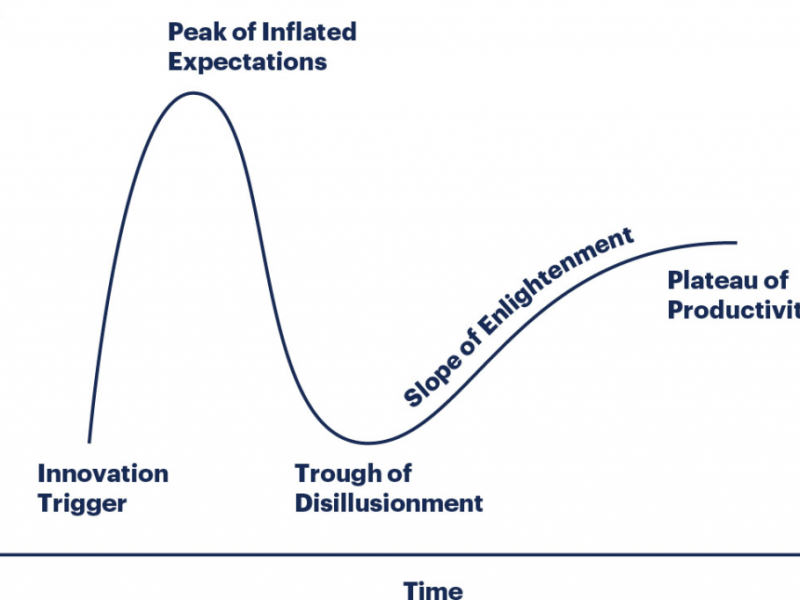
Navigating the Trough of Disillusionment
A Guide to Sustained Success in Business Vision, Strategy, and Technology Delivery The Trough of Disillusionment in Business Vision, Strategy, and Technology Delivery In the dynamic, innovative and interwoven landscape of business and technology, the concept of the “trough of disillusionment” stands as a critical phase that organisations must navigate to achieve long-term success. Coined…
Keep reading
The Transformative Impact of AI in the Workplace
The workplace has seen a rapid transformation due to AI, with Microsoft and LinkedIn’s 2024 Work Trend Index revealing significant findings. AI is widely adopted, enhancing productivity and sparking career shifts. Microsoft’s Copilot for Microsoft 365 introduces innovative features to streamline AI interactions. Additionally, the CoPilot+ PC promises improved AI integration and multitasking. This signifies…
Keep reading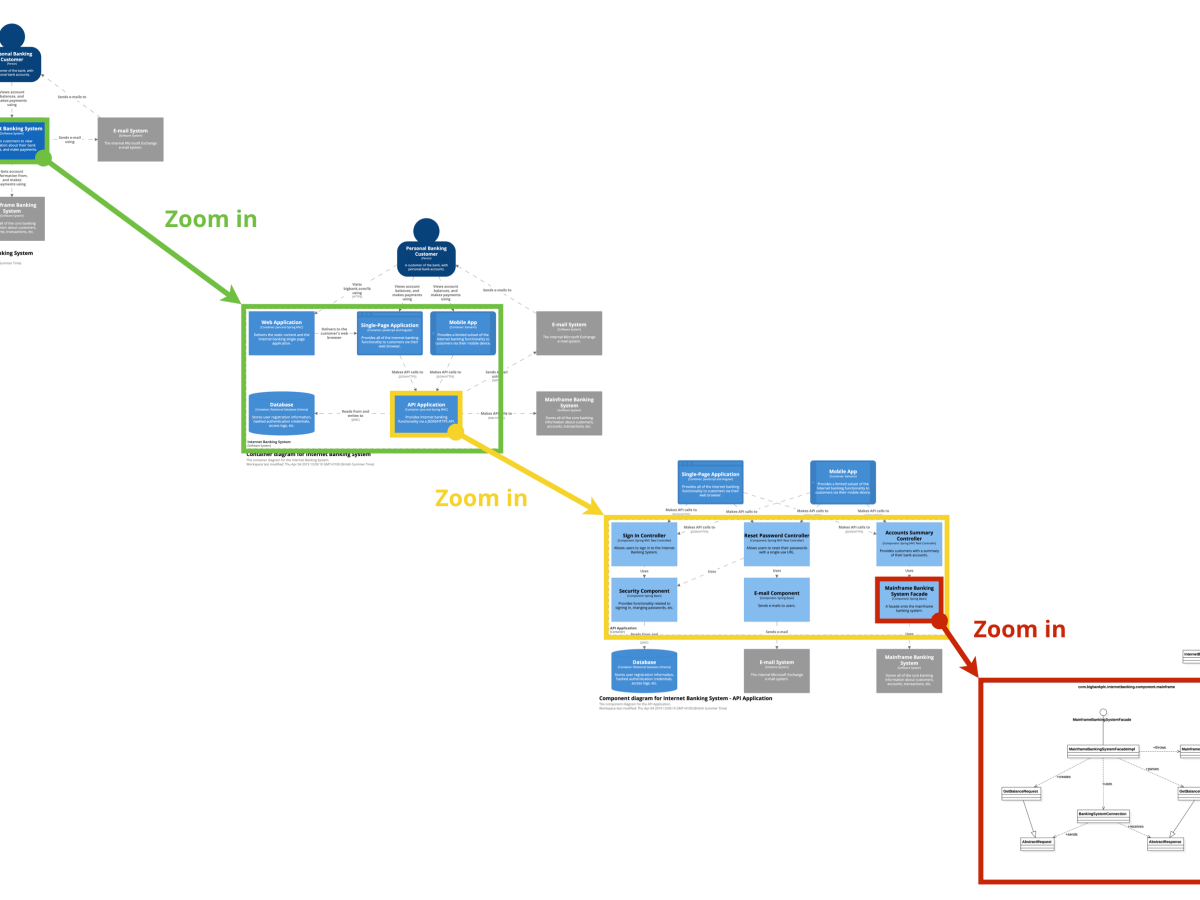
C4 Architecture Model – Detailed Explanation
The C4 model is a visualization framework for software architecture. It comprises four levels: Context, Containers, Components, and Code. Each level offers detailed insights and clarity, maintaining consistency and enhancing communication. The model’s practical application involves starting with a context diagram, proceeding to containers and components, and optionally exploring code. This systematic approach ensures a…
Keep reading
Eating Your Own Dog Food: A Deep Dive into the Practice and Philosophy
The phrase “Eat your own dog food” is a crucial concept in the tech industry, advocating for companies to use their own products. This practice promotes quality assurance, empathy, credibility, and an internal feedback loop. Companies like Microsoft, Google, and Atlassian have successfully implemented dogfooding, despite challenges like bias and scalability issues. Effective dogfooding involves…
Keep reading
A Concise Guide to Key Data Management Components and Their Interdependencies in the Data Lifecycle
On the hot topic of data-driven decision-making, efficient data management is crucial for organizations to maximize their data assets. This guide explores key components such as data catalogues, taxonomies, data dictionaries, master data, data lineage, data lakes, data warehouses, data lakehouses, and data marts. Each component plays a vital role in the data lifecycle, ensuring…
Keep reading
The Perils of Losing Perspective: Why Senior Leaders Must “Stay in the Helicopter” for Strategic Success
The fast-paced world of business requires senior leaders to balance day-to-day operations with long-term strategic planning. “Staying in the Helicopter” by Richard Harrop emphasizes the need to maintain a high-level perspective for sustained success. Losing sight of the bigger picture can lead to risks such as lost opportunities, operational myopia, and leadership burnout. Balancing daily…
Keep reading
The Dynamics of Managing IT Staff: Non-Technical Business Leaders vs. Business-Savvy Technical Leaders
In today’s technology-driven business environment, the dynamic between technical and non-technical roles is crucial. This article explores the feasibility and implications of non-technical management of IT staff, delving into IT and business staff perspectives and the benefits of IT professionals with business skills. It emphasizes the need for effective communication and understanding between technical and…
Keep reading
The Conundrum of Speaking Up: When to Voice Concerns at Work
In professional settings, deciding when to speak up or stay silent is complex, especially when dealing with unethical behavior. Speaking up is crucial for illegal actions, direct harm to others, compromising integrity, and cultural/systemic issues. Documentation, choosing the right channel, being constructive, and seeking allies are key. Unverified information, minor issues, and timing may warrant…
Keep reading
The Evolution and Future of AI Prompt Engineering
The evolving skill of prompt engineering, crucial for maximizing the potential of AI, is undergoing a significant shift towards automation. Recent findings indicate that automated systems outperform human-crafted prompts, leading to superior results in AI applications. Despite this, human oversight will remain vital, particularly in complex real-world scenarios, underscoring the continuing fusion of human expertise…
Keep reading
Optimising Team Dynamics: The Dreamer, Doer, and Incrementalist Framework
In 30 years of managing diverse teams, I’ve learned that successful leadership hinges on understanding your team’s character. The Dream, Doer, and Incrementalist framework provides crucial insights for harnessing diverse talents and fostering a thriving environment. By recognising and pairing these personality types strategically, organisations can enhance collaboration and drive successful outcomes.
Keep reading
Navigating the Labyrinth: A Comprehensive Guide to Data Management for Executives
“Navigating the Labyrinth” by Laura Sebastian-Coleman is an essential guide for executives, emphasizing the strategic importance of data management. It covers foundational elements, implementation strategies, measurement of success, and real-world examples to equip professionals with the knowledge needed to effectively manage data and improve business outcomes. Highly recommended for executives seeking practical guidance in data…
Keep reading
Putting Out All Buckets When It Rains: Preparing for Future Droughts
Recognizing and seizing opportunities while preparing for challenges is crucial for personal, professional, and financial growth. Stay alert, diversify efforts, and be prepared to pivot when necessary. In business, recognize favourable conditions, diversify revenue streams, and prepare for downturns strategically. These actions ensure sustained growth and resilience, regardless of market conditions.
Keep reading
The Eternal Dilemma: Expert or Eternal Student in a Rapidly Evolving Tech Landscape
In a rapidly evolving tech landscape, the distinction between expert and perpetual student is blurred. Rapid technological change challenges traditional notions of expertise, emphasizing the need for continuous learning. Specialists face obsolescence, while generalists risk lacking depth. Leaders must anticipate and adapt to tech changes, requiring visionary thinking, agility, technical proficiency, empathy, and resilience. The…
Keep reading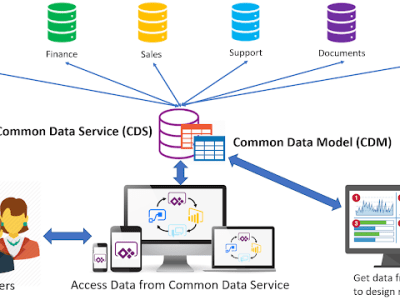
Unlocking the Power of Data: Transforming Business with the Common Data Model
The Common Data Model (CDM) serves as a standardised, modular, and extensible framework for enhancing data interoperability across systems. It ensures consistent data representation, facilitates data integration, and supports improved data quality. By implementing CDM, organisations can achieve seamless data flow, enhanced analytics, and better decision-making, while reducing redundancy and costs.
Keep reading
Comprehensive Guide to Strategic Investment in IT and Data for Sustainable Business Growth and Innovation
This comprehensive guide explores the strategic importance of investing in information technology (IT) and data management for sustainable business growth. It emphasizes the risks of underinvestment and offers actionable strategies for Boards to effectively navigate IT challenges. Additionally, it addresses the consequences of underutilizing data and provides practical steps to enhance data utilization.
Keep reading
Navigating the Complex Terrain of Data Governance and Global Privacy Regulations
In today’s business landscape, data is a valuable asset, but managing it responsibly poses various challenges, especially with global data privacy laws. Data governance involves managing data quality, security, compliance, accessibility, lifecycle, architecture, and change. Understanding global data privacy laws is crucial, as they impact data governance strategies and require compliance for data protection.
Keep reading
Master Data Management
Master Data Management (MDM) is vital for data governance, ensuring accuracy and consistency. It encompasses managing key business data, improves decision making, and streamlines operations. Data taxonomy and lineage are crucial, and using proper MDM tools is essential. MDM is also a prerequisite for effective data analytics and reporting platforms, enhancing data accuracy and consistency…
Keep reading
Leveraging Generative AI to Boost Office Productivity
Generative AI tools like ChatGPT and CoPilot are transforming office productivity by automating tasks and enhancing creativity. ChatGPT streamlines email communication, assists in writing, translating texts, and enhancing research. CoPilot optimizes code development, error handling, documentation, learning, and proactive optimizations within Microsoft’s Fabric Data Platform, promising enhanced productivity and innovation.
Keep reading
The Importance of Adhering to Personal Norms and Values – in a Natural & Artificial world
Norms and values serve as a guiding compass in life, influencing behavior and interactions. Values are fundamental beliefs, while norms are societal rules. Adhering to personal norms and values fosters consistency, job satisfaction, happiness, and health. Misalignment with societal norms can lead to dissatisfaction, stress, and ethical dilemmas. Integrating norms and values into AI is…
Keep reading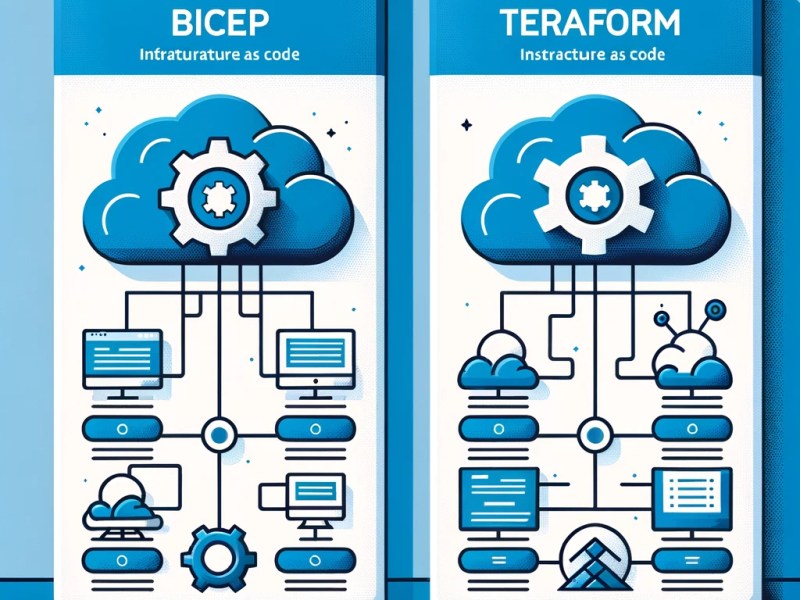
Optimising Cloud Management: A Comprehensive Comparison of Bicep and Terraform for Azure Deployment
In the evolutionary landscape of cloud computing, the ability to deploy and manage infrastructure efficiently is paramount. Infrastructure as Code (IaC) has emerged as a pivotal practice, enabling developers and IT operations teams to automate the provisioning of infrastructure through code. This practice not only speeds up the deployment process but also enhances consistency, reduces…
Keep reading
Debunking Five Leadership Myths That Hinder Success
Leadership requires debunking myths for success. CEO’s perfection, commanding-only style, the one “right” way to lead, shielding negative news, and a lonely journey are misconceptions. Embracing vulnerability, transparent communication, collaboration, and adaptation are vital. Effective leadership necessitates lifelong dedication and learning for personal and organizational advancement.
Keep reading
Digital Ghost Town: The Rise of AI and the Decline of Authentic Internet Content
The “Dead Internet” theory suggests that AI has replaced authentic human-created content, potentially manipulated by governments and corporations. Coined as “AI slime,” AI-generated content is increasingly prevalent on social media platforms, raising concerns about user deception and ad funding. Social media platforms are even exploring AI-generated virtual influencers. By 2026, up to 90% of online…
Keep reading
Embracing Efficiency: The FinOps Framework Revolution
In an era where cloud computing is the backbone of digital transformation, managing cloud costs effectively has become paramount for businesses aiming for growth and sustainability. This is where the FinOps Framework enters the scene, a game-changer in the financial management of cloud services. Let’s dive into what FinOps is, how to implement it, and…
Keep reading
“Revolutionising Software Development: The Era of AI Code Assistants have begun”
Reimagining software development with AI augmentation is poised to revolutionise the way we approach programming. Recent insights from Gartner disclose a burgeoning adoption of AI-enhanced coding tools amongst organisations: 18% have already embraced AI code assistants, another 25% are in the midst of doing so, 20% are exploring these tools via pilot programmes, and 14%…
Keep reading
AI Missteps: Navigating the Pitfalls of Business Integration
AI technology offers businesses unprecedented opportunities for efficiency, customer engagement, and data analysis. However, integrating AI into business operations presents challenges. Misalignment with business objectives, lack of data infrastructure, ethical and bias concerns, and technological overreach are common pitfalls. Real examples, such as IBM Watson Health and Amazon’s AI Recruitment Tool, illustrate these challenges, emphasizing…
Keep reading
The Enterprise Case for AI: Identifying AI Use Cases or Opportunities
Artificial intelligence (AI) offers vast potential for innovation and efficiency across sectors. To identify AI opportunities, business leaders should: define objectives, audit processes, engage stakeholders, assess data, seek external expertise, prioritize quick wins, foster an AI-ready culture, and embrace experimentation. This strategic approach unlocks significant value, driving efficiency and innovation.
Keep reading
Making your digital business resilient using AI
In today’s digital marketplace, resilience is vital for success. Artificial Intelligence (AI) offers businesses the ability to forecast demand, derive scientific insights from data, balance innovation with regular operations, and foster a culture of innovation. By embracing AI strategically, businesses can not only survive but thrive in an uncertain future.
Keep reading
The Future of AI: Emerging Trends and it’s Disruptive Potential
The future of AI is evolving rapidly, with trends like smaller, explainable AI models and the industrialization of data science reshaping technology and business landscapes. AI democratization, new job roles, and personalization at scale are also driving significant changes. Notable practical examples include Inflection’s Pi chatbot upgrade and Google’s Gemma models for responsible AI development.
Keep reading
Leaders Eat Last: Fostering Trust and Collaboration in the Workplace
“Leaders Eat Last” is a leadership concept popularised by Simon Sinek, emphasising selfless leadership and creating a culture of trust and safety. Prioritising the well-being of employees, it exemplifies the “People Come First” philosophy, fostering collaboration and organisational success. Implementing this approach requires genuine commitment from leaders and can profoundly influence organizational culture.
Keep reading
CEO’s guide to digital transformation : Building AI-readiness.
This blog post emphasizes the importance of digital transformation as a continuous improvement exercise. It delves into the benefits of AI in enhancing efficiency, automating tasks, and improving customer experiences. CEO’s are guided on where AI can be beneficial, where not to use it, and indicators for when AI might not be necessary. The importance…
Keep reading
You have been doing your insights wrong: The Imperative Shift to Causal AI
We stand on the brink of a paradigm shift. Traditional AI, with its heavy reliance on correlation-based insights, has undeniably transformed industries, driving efficiencies and fostering innovations that once seemed beyond our reach. However, as we delve deeper into AI’s potential, a critical realisation dawns upon us: we have been doing AI wrong. The next…
Keep reading
AI in practice for the enterprise: Navigating the Path to Success
Artificial Intelligence (AI) holds transformative potential for businesses, yet many struggle to utilize it effectively. Challenges include a lack of clear strategy, data issues, skill gaps, and cultural resistance. Ignoring AI risks inefficiency, missed insights, and lost competitive edge. Building on data governance, strategic alignment, talent, and technology are crucial for AI readiness. Best practices…
Keep reading
Embracing the “Think Product” Mindset in Software Development
In software development, shifting to a product-oriented mindset enhances flexibility, scalability, and longevity. “Think product” emphasizes reusability, modularity, service orientation, generality, client-agnosticism, and parameter-driven design. This approach encourages a cultural shift towards long-term thinking, quality, and adaptability, creating superior and sustainable software solutions.
Keep reading
The Importance of Standardisation and Consistency in Software Development Environments
Ensuring that software development teams have appropriate hardware and software specifications as part of their tooling is crucial for businesses for several reasons: In conclusion, the appropriate hardware and software specifications are not just a matter of having the right tools for the job; they’re about creating an environment that fosters productivity, innovation, and quality,…
Keep reading
Building Bridges in Tech: The Power of Practice Communities in Data Engineering, Data Science, and BI Analytics
Technology team practice communities, encompassing data engineering, data science, and BI Analytics & Reporting, are crucial for companies seeking to maximize their technology teams’ potential. These communities promote unity, standardization, collaboration, and the development of centers of excellence, leading to operational excellence, innovation, and a competitive edge in the marketplace.
Keep reading
Streamlining Success: How a Single Page Can Shape Your Strategic Vision
In the 2015 conference in Barcelona, Gartner introduced me to the One-Page strategy. Still today, nine years later, a One-Page Strategy, is an exceedingly effective instrument for organisations aiming to streamline their strategic planning process and succinctly communicate their vision, goals, and initiatives. This innovative approach condenses the essence of a company’s strategic plan onto…
Keep reading
Unleashing the Potential of Prompt Engineering: Best Practices and Benefits
Prompt engineering is crucial in AI and machine learning, particularly with advanced language models like GPT-4. It involves designing clear, specific prompts to guide AI responses. Best practices include clarity, understanding the model’s capabilities, using contextual cues, iterative refinement, and experimenting with prompt styles. Efficient prompt engineering enhances output quality, widens application scope, boosts productivity,…
Keep reading
Driving Digital Transformation: Insights from ‘Project to Product’
Synopsis “Project to Product: How to Survive and Thrive in the Age of Digital Disruption with the Flow Framework” by Mik Kersten presents a revolutionary approach for organisations navigating the complex landscape of digital transformation. The book addresses a critical challenge faced by many companies: the shift from traditional project-based work models to product-centric models…
Keep reading
Mastering the Art of AI: A Guide to Excel in Prompt Engineering
Artificial intelligence, especially generative AI like ChatGPT, is revolutionizing industries. Prompt Engineering is crucial for leveraging AI effectively. Beyond excels in this field due to expertise, customized solutions, ethical considerations, and comprehensive support. Companies can excel in Prompt Engineering through training, experimentation, tool utilization, collaboration, and staying informed about AI advancements.
Keep reading
Beyond Timelines and Budgets: The Vital Quest for Purpose in Innovation
Eric Ries emphasises the importance of building something that truly matters in the fast-paced world of innovation. While traditional metrics are important, the focus should be on creating something of value. Case studies of successful startups illustrate the significance of validating market need before investing resources. Embracing flexibility and adapting to feedback are crucial in…
Keep reading
AI Revolution 2023: Transforming Businesses with Cutting-Edge Innovations and Ethical Challenges
The blog discusses the evolving advancements and uses of artificial intelligence (AI) in various sectors. From being a tool for tasks requiring human intelligence, AI has broadened into key areas like generative tools, data management, analytics, healthcare, recruitment and equality, face recognition, and scientific progress. Despite the extensive growth, it cites concerns around machine bias,…
Keep reading
Transforming Data and Analytics Delivery Management: The Rise of Platform-Based Delivery
Artificial Intelligence (AI) is transforming business decisions and requiring efficient data management. This has led to a rise in platform-based data delivery, which involves using standardised core components for cost-effective, configurable data solutions. As this becomes more prevalent, professionals in data and analytics need to adjust their roles, moving towards more advisory positions. They must…
Keep reading
Beyond Welcomes Renier Botha as Group Chief Technology Officer to Drive Innovation and Transformative Solutions in Data Analytics
We’re delighted to announce that we welcome Renier Botha MBCS CITP MIoD to the group as #cto. His strategic vision and leadership will enhance our technological capabilities, fostering #innovation and enabling us to further push the boundaries of what is possible in the world of #dataanalytics. His track record of delivering #transformative technological solutions will be instrumental in driving our mission to help…
Keep reading
Unlocking Developer Potential: Strategies for Building High-Performing Tech Teams
This post emphasizes the critical importance of prioritizing the developer experience to attract and retain top talent, boost innovation, and reduce turnover. Strategies include fostering psychological safety, investing in world-class tools, providing growth opportunities, measuring and iterating, collaborating with HR, and building a community of practice. These efforts aim to create resilient, innovative teams that…
Keep reading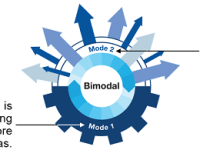
Embracing Bimodal Model: A Data-Driven Journey for Modern Organisations
The bimodal model blends the stability of traditional data management with agile modern data practices. It consists of Mode 1 emphasizing safety, accuracy, and consistency, essential for integral business processes, while Mode 2 is exploratory and nonlinear, encouraging innovation and adaptivity in a quickly evolving business environment. Despite implementation challenges, the bimodal model offers optimized…
Keep reading
Decoding the CEO’s Wishlist: What CEOs Seek in Their CTOs
Delving deeper into the psyche of CEOs, let’s explore, in extensive detail, the intricate tapestry of qualities, skills, and expertise they ardently seek in their technology leaders.
Keep reading
Transformative IT: Lessons from “The Phoenix Project” on Embracing DevOps and Fostering Innovation
Synopsis “The Phoenix Project: A Novel About IT, DevOps, and Helping Your Business Win” is a book by Gene Kim, Kevin Behr, and George Spafford that uses a fictional narrative to explore the real-world challenges faced by IT departments in modern enterprises. The story follows Bill Palmer, an IT manager at Parts Unlimited, an auto…
Keep reading
Cloud Provider Showdown: Unravelling Data, Analytics and Reporting Services for Medallion Architecture Lakehouse
In the ever-evolving landscape of data management, the quest for the perfect architecture often leads us to the realm of medallion architecture—a fusion of data lakes and data warehouses that promises unparalleled analytical capabilities. As we embark on this data-driven odyssey, the choice of cloud service provider becomes a cornerstone of our journey.In this detailed…
Keep reading
Case Study: Renier Botha’s Leadership in Rivus’ Digital Strategy Implementation
Rivus Fleet Solutions underwent a digital transformation led by Renier Botha, focusing on database upgrade, mobile app development, and service transition. The upgrade to Oracle 19c improved security and scalability. The mobile app enhanced customer interaction, while the service transition minimized external dependencies. Botha’s leadership significantly advanced Rivus’ digital strategy and operational independence.
Keep reading
Data as the Currency of Technology: Unlocking the Potential of the Digital Age
In the digital age, data has emerged as the new currency that fuels technological advancements and shapes the way societies function.
Keep reading
Data is the currency of technology
Data is the lifeblood of technology companies. It is what enables them to create new products and services, optimize their operations, and make better decisions.
Keep reading
Unravelling the Threads of IT Architecture: Understanding Enterprise, Solution, and Technical Architecture
IT architecture is crucial in shaping an organization’s digital framework, ensuring alignment of IT strategy with business objectives. Central concepts include Enterprise, Solution, and Technical architecture. Enterprise architecture provides a holistic view of the entire organization, Solution Architecture focuses on specific projects, and Technical Architecture delves into the details of technology components. IT architecture also…
Keep reading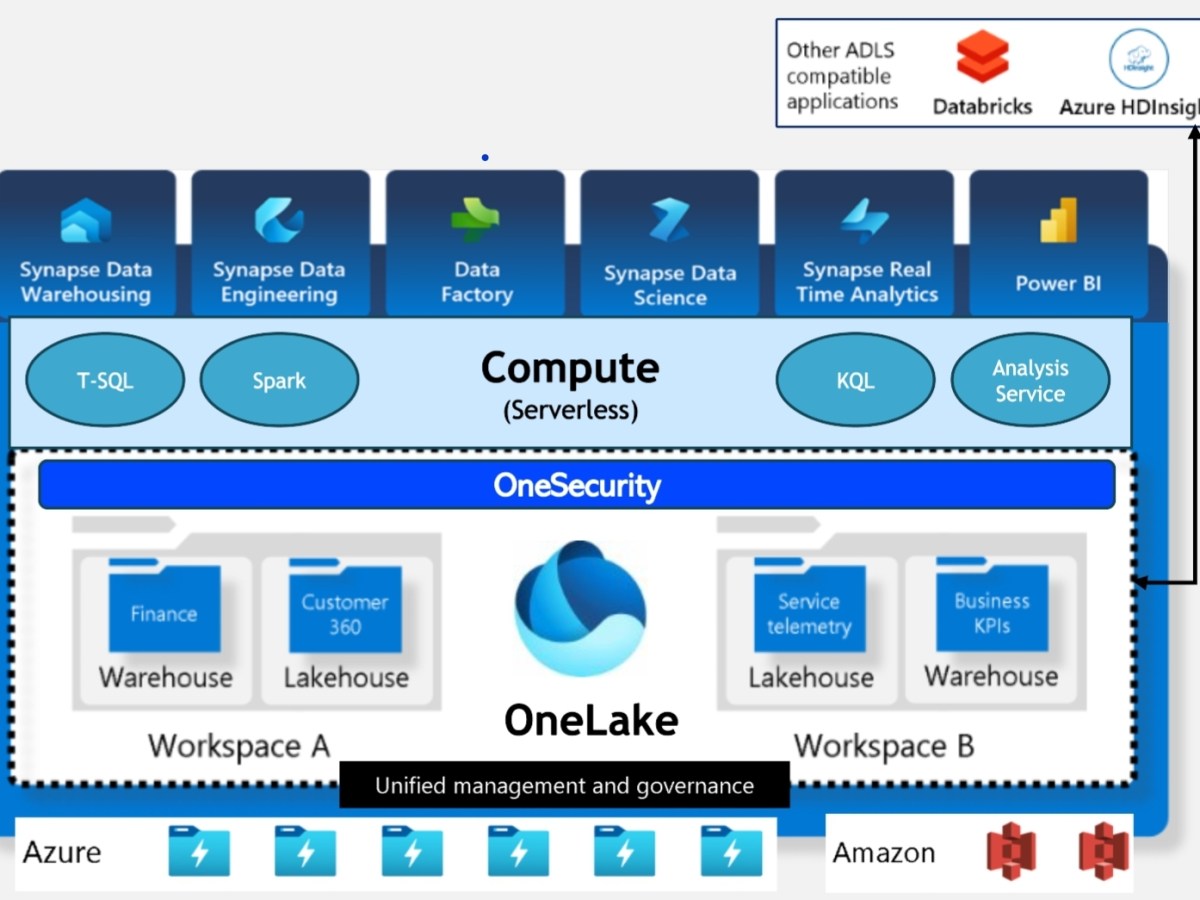
Microsoft Fabric: Revolutionising Data Management in the Digital Age
Microsoft Fabric emerges as a beacon of innovation, promising to redefine the way we approach data science, data analytics, data engineering, and data reporting.
Keep reading
Unveiling the Magic of Data Warehousing: Understanding Dimensions, Facts, Warehouse Schemas and Analytics
In this blog post we unravel the mystery behind data warehouses and explore the crucial roles played by dimensions and facts in organising data for insightful analytics and reporting.
Keep reading renierbotha ltd