
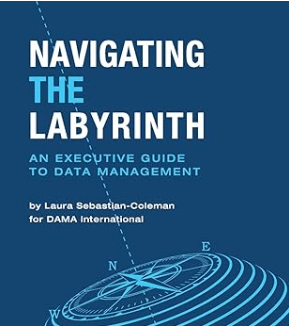
As a consultant focussed to helping organisations maximise their efficiency and strategic advantage, I cannot overstate the importance of effective data management. “Navigating the Labyrinth: An Executive Guide to Data Management” by Laura Sebastian-Coleman is an invaluable resource that provides a detailed and insightful roadmap for executives to understand the complexities and significance of data management within their organisations. The book’s guidance is essential for ensuring that your data is accurate, accessible, and actionable, thus enabling better decision-making and organisational efficiency. Here’s a summary of the key points covered in this highly recommended book covering core data management practices.
Introduction
Sebastian-Coleman begins by highlighting the importance of data in the modern business environment. She compares data to physical or financial assets, underscoring that it requires proper management to extract its full value.
Part I: The Case for Data Management
The book makes a compelling case for the necessity of data management. Poor data quality can lead to significant business issues, including faulty decision-making, inefficiencies, and increased costs. Conversely, effective data management provides a competitive edge by enabling more precise analytics and insights.
Part II: Foundations of Data Management
The foundational concepts and principles of data management are thoroughly explained. Key topics include:
- Data Governance: Establishing policies, procedures, and standards to ensure data quality and compliance.
- Data Quality: Ensuring the accuracy, completeness, reliability, and timeliness of data.
- Metadata Management: Managing data about data to improve its usability and understanding.
- Master Data Management (MDM): Creating a single source of truth for key business entities like customers, products, and employees.
Part III: Implementing Data Management
Sebastian-Coleman offers practical advice on implementing data management practices within an organisation. She stresses the importance of having a clear strategy, aligning data management efforts with business objectives, and securing executive sponsorship. The book also covers:
- Data Management Frameworks: Structured approaches to implementing data management.
- Technology and Tools: Leveraging software and tools to support data management activities.
- Change Management: Ensuring that data management initiatives are adopted and sustained across the organisation.
Part IV: Measuring Data Management Success
Measuring and monitoring the success of data management initiatives is crucial. The author introduces various metrics and KPIs (Key Performance Indicators) that organisations can use to assess data quality, governance, and overall data management effectiveness.
Part V: Case Studies and Examples
The book includes real-world case studies and examples to illustrate how different organisations have successfully implemented data management practices. These examples provide practical insights and lessons learned, demonstrating the tangible benefits of effective data management.
Conclusion
Sebastian-Coleman concludes by reiterating the importance of data management as a strategic priority for organisations. While the journey to effective data management can be complex and challenging, the rewards in terms of improved decision-making, efficiency, and competitive advantage make it a worthwhile endeavour.
Key Takeaways for Executives
- Strategic Importance: Data management is essential for leveraging data as a strategic asset.
- Foundational Elements: Effective data management relies on strong governance, quality, and metadata practices.
- Implementation: A clear strategy, proper tools, and change management are crucial for successful data management initiatives.
- Measurement: Regular assessment through metrics and KPIs is necessary to ensure the effectiveness of data management.
- Real-world Application: Learning from case studies and practical examples can guide organisations in their data management efforts.
In conclusion, “Navigating the Labyrinth” is an essential guide that equips executives and data professionals with the knowledge and tools needed to manage data effectively. By following the structured and strategic data management practices outlined in the book, your organisation can unlock the full potential of its data, leading to improved business outcomes. I highly recommend this book for any executive looking to understand and improve their data management capabilities and to better understand the importance of data management within their organisation, as it provides essential insights and practical guidance to navigate the complexities of this crucial field.
 renierbotha ltd