
Blog

The Perils of Losing Perspective: Why Senior Leaders Must “Stay in the Helicopter” for Strategic Success

Introduction

Have you ever found yourself so deeply immersed in a hectic period that your operational duties blur the lines of strategic focus? In the fast-paced world of business, senior leadership often faces the challenge of balancing day-to-day operations with long-term strategic planning. This reminded me of a book I’ve read in 2016 – “Staying in the Helicopter: The Key to Sustained Strategic Success,” in which Richard Harrop, uses the metaphor of “staying in the helicopter” to emphasize the importance of maintaining a high-level perspective. This book has been invaluable in helping me understand the importance of maintaining a high-level perspective while managing the complexities of daily operations, ensuring that an organisation remains agile, innovative, and competitive. However, what happens when senior leaders get too involved in the minutiae of daily operations? This blog post explores the risks businesses face when their leaders “get out of the helicopter” and lose sight of the broader strategic picture.

Staying in the Helicopter – maintaining a strategic, high-level perspective

“Staying in the Helicopter: The Key to Sustained Strategic Success” by Richard Harrop is a business leadership book that emphasizes the importance of maintaining a strategic, high-level perspective to achieve long-term success. Harrop uses the metaphor of “staying in the helicopter” to illustrate the necessity for leaders to rise above daily operations and view their organization and its environment from a broader perspective.

Key themes of the book include:

  1. Strategic Vision: Encourages leaders to develop and maintain a clear, long-term vision for their organizations.
  2. Adaptability: Stresses the need for organizations to be flexible and adaptable in response to changing market conditions.
  3. Leadership Skills: Discusses the qualities and skills necessary for effective leadership, including decision-making, communication, and the ability to inspire and motivate others.
  4. Continuous Improvement: Advocates for a culture of continuous learning and improvement within organizations.
  5. Balanced Perspective: Emphasizes balancing short-term operational demands with long-term strategic goals.

Through practical advice, case studies, and personal anecdotes, Harrop provides insights and tools for leaders to enhance their strategic thinking and ensure sustained success in their organisations.

Risks of not staying in the helicopter

If senior leadership gets “out of the helicopter” and becomes overly focused on day-to-day operations, several risks to the business can arise:

  1. Loss of Strategic Vision: Without a high-level perspective, leaders may lose sight of the long-term goals and vision of the organization, leading to a lack of direction and strategic focus.
  2. Inability to Adapt: Being too immersed in daily operations can make it difficult to notice and respond to broader market trends and changes, reducing the organization’s ability to adapt to new challenges and opportunities.
  3. Missed Opportunities: Leaders might miss out on identifying new opportunities for growth, innovation, or strategic partnerships because they are too focused on immediate issues.
  4. Operational Myopia: Overemphasis on short-term operational issues can result in neglecting important strategic initiatives, such as research and development, marketing, and expansion plans.
  5. Resource Misallocation: Resources may be allocated inefficiently, focusing too much on immediate problems rather than investing in strategic projects that ensure long-term success.
  6. Employee Disengagement: Employees may feel directionless and unmotivated if they perceive that leadership lacks a clear vision or strategic direction, leading to decreased morale and productivity.
  7. Competitive Disadvantage: Competitors who maintain a strategic perspective can outmaneuver the organization, leading to a loss of market share and competitive edge.
  8. Risk Management Failures: A lack of high-level oversight can result in inadequate risk management, leaving the organization vulnerable to unforeseen threats and crises.
  9. Innovation Stagnation: Innovation may stagnate if leaders are too focused on maintaining the status quo rather than exploring new ideas and fostering a culture of creativity.
  10. Leadership Burnout: Senior leaders might experience burnout from being overly involved in day-to-day operations, which can impair their ability to lead effectively and make sound strategic decisions.

Maintaining a balance between operational oversight and strategic vision is crucial for sustainable success and long-term growth.

Conclusion

In summary, while attention to daily operations is vital for the smooth running of any organization, senior leaders must not lose sight of the bigger picture. Richard Harrop’s concept of “staying in the helicopter” serves as a critical reminder of the importance of strategic oversight. By maintaining a high-level perspective, leaders can ensure their organizations remain adaptable, innovative, and competitive. Failing to do so can lead to a host of risks, from missed opportunities to operational myopia and beyond. Balancing immediate operational demands with long-term strategic vision is essential for sustained success and growth in today’s dynamic business environment.

The Dynamics of Managing IT Staff: Non-Technical Business Leaders vs. Business-Savvy Technical Leaders

Introduction

In today’s technology driven business environment, the interplay between technical and non-technical roles is crucial for the success of many companies, particularly in industries heavily reliant on IT. As companies increasingly depend on technology, the question arises: Should IT staff be managed by non-technical people, or is it more effective to have IT professionals who possess strong business acumen?

The question of whether non-technical people should manage IT staff is a significant one, as the answer can impact the efficiency and harmony of operations within an organisation. This blog post delves into the perspectives of both IT staff and business staff to explore the feasibility and implications of such managerial structures.

Understanding the Roles

IT Staff: Typically includes roles such as software developers, data and analytics professionals, system administrators, network engineers, and technical support specialists. These individuals are experts in their fields, possessing deep technical knowledge and skills.

Business Staff (Non-Technical Managers): Includes roles like cleint account managers, project managers, team leaders, sales, marketing and human resources and other managerial positions that may not require detailed technical expertise but focus on project delivery, client interaction, and meeting business objectives.

Undeniably, the relationship between technical and non-technical roles is pivotal but there are different perspectives on who is best suited to manage technical staff which introduces specific challenges but also benefits and advantages to the business as a whole.

Perspectives on Non-Technical Management of IT Staff

IT Staff’s Point of View

Challenges:

  • Miscommunication: Technical concepts and projects often involve a language of their own. Non-technical managers may lack the vocabulary and understanding needed to effectively communicate requirements or constraints to their IT teams.
  • Mismatched Expectations: Without a strong grasp of technical challenges and what is realistically achievable, non-technical managers might set unrealistic deadlines or fail to allocate sufficient resources, leading to stress and burnout among IT staff.
  • Inadequate Advocacy: IT staff might feel that non-technical managers are less capable of advocating for the team’s needs, such as the importance of technical debt reduction, to higher management or stakeholders.

Benefits:

  • Broader Perspective: Non-technical managers might bring a fresh perspective that focuses more on the business or customer impact rather than just the technical side.
  • Enhanced Focus on Professional Development: Managers with a non-technical background might prioritize soft skills and professional growth, helping IT staff develop in areas like communication and leadership.

Business Staff’s Point of View

Advantages:

  • Focus on Business Objectives: Non-technical managers are often more attuned to the company’s business strategies and can steer IT projects to align more closely with business goals.
  • Improved Interdepartmental Communication: Managers without deep technical expertise might be better at translating technical jargon into business language, which can help bridge gaps between different departments.

Challenges:

  • Dependency on Technical Leads: Non-technical managers often have to rely heavily on technical leads or senior IT staff to make key decisions, which can create bottlenecks or delay decision-making.
  • Potential Underestimation of Technical Challenges: There’s a risk of underestimating the complexity or time requirement for IT projects, which can lead to unrealistic expectations from stakeholders.

Best Practices for Non-Technical Management of IT Teams

  • Education and Learning: Non-technical managers should commit to learning basic IT concepts and the specific technologies their team works with to improve communication and understanding.
  • Hiring and Leveraging Technical Leads: Including skilled technical leads who can act as a bridge between the IT team and the non-technical manager can mitigate many challenges.
  • Regular Feedback and Communication: Establishing strong lines of communication through regular one-on-ones and team meetings can help address issues before they escalate.
  • Respecting Expertise: Non-technical managers should respect and trust the technical assessments provided by their team, especially on the feasibility and time frames of projects.

The Role of IT Professionals with Strong Business Acumen and Commercial Awareness

The evolving landscape of IT in business settings, has begun to emphasise the importance of IT professionals who not only possess technical expertise but also a strong understanding of business processes and commercial principles – technology professionals with financial intelligence and a strong commercial awareness. Such dual-capacity professionals can bridge the gap between technical solutions and business outcomes, effectively enhancing the strategic integration of IT into broader business goals.

Advantages of IT Staff with Business Skills

  • Enhanced Strategic Alignment: IT professionals with a business acumen can better understand and anticipate the needs of the business, leading to more aligned and proactive IT strategies. They are able to design and implement technology solutions that directly support business objectives, rather than just fulfilling technical requirements.
  • Improved Project Management: When IT staff grasp the broader business impact of their projects, they can manage priorities, resources, and timelines more effectively. This capability makes them excellent project managers who can oversee complex projects that require a balance of technical and business considerations.
  • Effective Communication with Stakeholders: Communication barriers often exist between technical teams and non-technical stakeholders. IT staff who are versed in business concepts can translate complex technical information into terms that are meaningful and impactful for business decision-makers, improving decision-making processes and project outcomes.
  • Better Risk Management: Understanding the business implications of technical decisions allows IT professionals to better assess and manage risks related to cybersecurity, data integrity, and system reliability in the context of business impact. This proactive risk management is crucial in protecting the company’s assets and reputation.
  • Leadership and Influence: IT professionals with strong business insights are often seen as leaders who can guide the direction of technology within the company. Their ability to align technology with business goals gives them a powerful voice in strategic decision-making processes.

Cultivating Business Acumen within IT Teams

Organizations can support IT staff in developing business acumen through cross-training, involvement in business operations, mentorship programs, and aligning performance metrics with business outcomes.

  • Training and Development: Encouraging IT staff to participate in cross-training programs or to pursue business-related education, such as MBA courses or workshops in business strategy and finance, can enhance their understanding of business dynamics.
  • Involvement in Business Operations: Involving IT staff in business meetings, strategy sessions, and decision-making processes (appart form being essential to be succesful in technology delivery alignment) can provide them with a deeper insight into the business, enhancing their ability to contribute effectively.
  • Mentorship Programs: Pairing IT professionals with business leaders within the organization as mentors can facilitate the transfer of business knowledge and strategic thinking skills.
  • Performance Metrics: Aligning performance metrics for IT staff with business outcomes, rather than just technical outputs, encourages them to focus on how their roles and projects impact the broader business objectives.

The Dynamics of Managing IT Staff: Non-Technical Managers vs. Tech-Savvy Business Leaders

In the intricate web of modern business operations, the relationship between technical and non-technical roles is crucial. This article explores both scenarios, highlighting the perspectives of IT and business staff, along with the advantages of having tech-savvy business leaders within IT.

Conclusion

Whether non-technical managers or IT staff with strong business acumen should lead IT teams depends largely on their ability to understand and integrate technical and business perspectives. Effective management in IT requires a balance of technical knowledge and business insight, and the right approach can differ based on the specific context of the organisation. By fostering understanding and communication between technical and non-technical realms, companies can harness the full potential of their IT capabilities to support business objectives.

IT professionals who develop business acumen and commercial awareness can significantly enhance the value they bring to their organisations. By understanding both the technical and business sides of the equation, they are uniquely positioned to drive innovations that are both technologically sound and commercially viable. This synergy not only improves the effectiveness of IT enablement but also elevates the strategic role of IT within the organisation.

A good book on the topic: What the numbers mean” by Renier Botha

As more and more companies become increasingly digitally driven, the trend is that smart companies are investing more in their digital strategies and the conversion of technology innovation into revenue earning products and services.

Leading businesses in this technology age, will be the technologist, the IT leaders of today is becoming the business leaders of the future.

This book provides a concise overview of the most important financial functions, statements, terms, practical application guidelines and performance measures.

You’ll learn the value that commercial awareness and financial intelligence bring to setting strategy, increasing productivity and efficiency and how it can support you in making more effective decisions.

The Conundrum of Speaking Up: When to Voice Concerns at Work

In any professional setting, the dilemma of when to speak up and when to remain silent is a common yet challenging predicament. This issue becomes even more complex when witnessing unethical behaviour or wrongdoing, especially if it involves executives or senior management. Navigating this conundrum requires a careful balance of ethics, professional risk, and personal integrity.

Understanding the Stakes

Speaking up at work can be fraught with risks. There are potential repercussions, including retaliation, ostracism, or even job loss. Conversely, remaining silent can lead to moral distress, perpetuation of harmful practices, and missed opportunities for positive change. This ethical quandary is vividly encapsulated in the famous quote attributed to Edmund Burke: “The only thing necessary for the triumph of evil is for good men to do nothing.”

When to Speak Up

  • Clear Violations of Law or Policy: If you witness actions that are illegal or in clear violation of company policies, speaking up is crucial. Such situations not only harm the organisation but also potentially expose you and others to legal risks.
  • Direct Harm to Others: When behaviours or decisions directly endanger the well-being of employees, customers, or stakeholders, it’s imperative to raise your concerns. This includes discrimination, harassment, or safety violations.
  • Compromising Integrity: If an action compromises your personal or professional integrity, it’s often a signal that you need to voice your concerns. Your reputation and ethical standards should not be compromised for the sake of silence.
  • Cultural or Systemic Issues: If you observe patterns of behaviour or systemic issues that perpetuate a toxic culture or unethical practices, addressing these can lead to meaningful, long-term improvements.

How to Speak Up Effectively

  • Document the Issue: Before raising a concern, gather evidence and document the behaviour or incident meticulously. This provides a factual basis for your claims and protects you against potential backlash.
  • Choose the Right Channel: Identify the appropriate channel to voice your concerns. This could be a direct manager, HR department, or an anonymous whistleblowing hotline. Ensure that the chosen channel is known for addressing issues effectively and confidentially.
  • Be Constructive: Frame your concerns in a constructive manner. Focus on the impact of the behaviour on the team or organisation rather than personal criticisms. Suggest possible solutions or ways to address the issue.
  • Seek Allies: If possible, find colleagues who share your concerns. A collective voice can be more powerful and less risky than speaking up alone.

When to Remain Silent

  • Minor Issues or Personal Grievances: Not all workplace issues warrant escalation. Minor grievances or personal dislikes should be handled discreetly and professionally.
  • Unverified Information: Avoid acting on rumours or unverified information. Ensure that your concerns are based on solid evidence rather than hearsay.
  • Timing and Context: Sometimes, it’s prudent to wait for the right moment to speak up. If an immediate intervention isn’t critical, consider waiting for a more strategic time to address the issue.

Dealing with Executive Misconduct

When it comes to executive wrongdoing, the stakes are higher, but so is the potential impact of speaking up. Here are specific considerations:

  • Evaluate the Impact: Assess the potential impact of the executive’s behaviour on the organisation and stakeholders. Is it causing significant harm or ethical breaches?
  • Use Formal Channels: For executive misconduct, use formal channels such as the board of directors, external auditors, or regulatory bodies. These entities are better equipped to handle high-stakes concerns impartially.
  • Protect Yourself: Ensure that you protect your identity and position. Anonymity might be crucial when reporting high-level misconduct to prevent retaliation.

Conclusion

The decision to speak up or remain silent in the face of wrongdoing at work is never easy. It requires a careful assessment of the situation, potential risks, and the overall impact on the organisation and your professional integrity. By approaching this conundrum thoughtfully and strategically, you can make informed decisions that align with your ethical values and professional responsibilities. Remember, sometimes the silence of good individuals is the greatest enabler of harm, and finding the courage to speak up can be a powerful catalyst for positive change.

Also Read: The Importance of Adhering to Personal Norms and Values – in a Natural & Artificial world

The Evolution and Future of AI Prompt Engineering

The Shift from Human to Automated Prompt Engineering

In Jan’24 we wrote about Master the Art of AI through Prompt Engineering, an evolving skill to leverage the power of GenAI effectively. Initially, this practice involved crafting queries that elicited the best responses from large language models (LLMs) for applications in AI-driven art, video generation, and more. This niche skill has become so vital that it spurred a new profession: prompt engineers. However, recent research suggests that the era of human-led prompt engineering might be drawing to a close, making way for automated systems that could perform this task more effectively.

Insights from VMware: Autotuning Outperforms Human Efforts

Recent studies by Rick Battle and Teja Gollapudi from VMware have shown that human-crafted prompts, even those refined through trial and error, are less effective than those generated through automated systems. The researchers discovered that different strategies in prompt engineering could lead to inconsistent outcomes, highlighting the limitations of human input in refining LLM interactions.

The Rise of NeuroPrompts and Enhanced AI Functionality

Parallel advancements have been made in the realm of image generation. Intel Labs introduced NeuroPrompts, a tool that transforms basic prompts into detailed, optimised versions, significantly enhancing the output quality of models like Stable Diffusion XL. This tool exemplifies how automated prompt engineering not only streamlines the process but also produces superior results compared to its human-engineered counterparts.

What Does the Future Hold for Prompt Engineering?

Despite the shift towards automation, the need for human intervention in the broader AI application landscape remains robust. New roles are emerging, such as those in large language model operations (LLMOps), which encompass prompt engineering among other responsibilities. These roles are crucial for tailoring AI applications to meet industry-specific requirements, ensuring compliance, and maintaining operational safety.

Conclusion: A Continuing Role for Humans

As the field of AI continues to evolve, so too will the roles and techniques associated with it. While automated systems are set to take over the technical aspects of prompt engineering, human oversight will remain indispensable, especially in complex, real-world applications. The landscape of AI is changing rapidly, but the fusion of human expertise with advanced algorithms will continue to drive the industry forward.

Also Read: Mastering the Art of AI – A Guide to Excel in Prompt Engineering

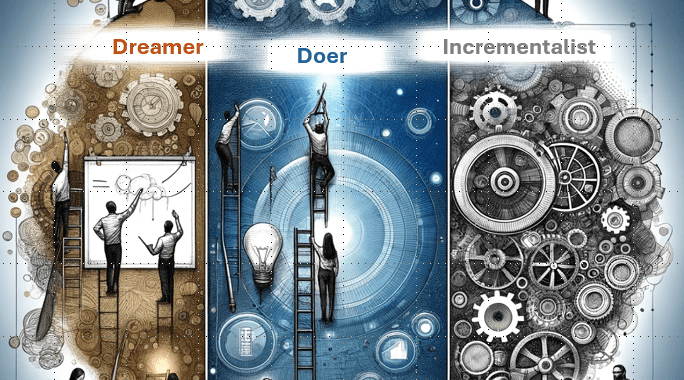
Optimising Team Dynamics: The Dreamer, Doer, and Incrementalist Framework

With over 30 years of experience in managing diverse teams, I’ve learnt that one of the key components of successful leadership is a deep understanding of your workforce’s character. Recognising the unique strengths and preferences of each individual not only enhances job satisfaction and personal development but also significantly boosts the overall productivity and harmony within the team. The Dream, Doer, and Incrementalist framework provides an invaluable tool in this regard, offering insights into effectively harnessing diverse talents and fostering an environment where innovative ideas, efficient execution, and continuous improvement thrive together.

The Dream, Doer, and Incrementalist framework offers a perspective on team dynamics and personal strengths within a professional environment. By analysing the characteristics, strengths, challenges, and synergistic potential of each type, organisations can optimise collaboration and enhance outcomes. This article delves into each of these aspects, providing a comprehensive understanding of how these personality types interact and contribute to success.

The Dreamer

Characteristics: Dreamers are visionary thinkers. They excel at big-picture thinking and are often the source of innovative ideas and ambitious goals. They thrive on possibilities and what could be, often pushing boundaries and challenging the status quo.

Strengths: The primary strength of Dreamers lies in their ability to envision and articulate a compelling future. They are great at motivating others and are often seen as charismatic leaders. Their creativity is a catalyst for innovation and inspiration within teams.

Challenges: Dreamers can sometimes struggle with the practical aspects of project execution. Their focus on visions can lead to difficulties in managing details or maintaining interest in the mundane aspects of implementation. They may also face challenges in setting realistic goals or timelines.

Examples: Visionary leaders like Steve Jobs or Elon Musk embody the Dreamer archetype, driving their companies towards groundbreaking innovations.

The Doer

Characteristics: Doers are action-oriented and pragmatic. They excel in environments where clear objectives and efficiency are prioritised. Doers are the workforce engines, turning ideas into reality through hard work and dedication.

Strengths: The primary strength of Doers lies in their ability to execute. They are dependable, often excel at managing resources, and can navigate the logistics of how to accomplish tasks effectively and efficiently.

Challenges: Doers may struggle with ambiguity and are less comfortable in situations where the goals are not clear or the pathway to them is not well defined. They may also be resistant to change and less receptive to abstract ideas that cannot be immediately acted upon.

Examples: Operations managers or project leads often fit the Doer profile, expertly translating strategic objectives into actionable plans and ensuring that goals are met on time.

The Incrementalist

Characteristics: Incrementalists are systematic thinkers who focus on gradual improvement. They excel at optimising processes and are adept at identifying and implementing small changes that cumulatively lead to significant improvements.

Strengths: Incrementalists bring a level of stability and continuous improvement to teams. They are great at problem-solving within existing frameworks and excel in environments where they can make iterative adjustments to enhance performance.

Challenges: Incrementalists may be perceived as overly cautious or resistant to radical change. Their preference for small, safe steps can sometimes hinder innovation or rapid adaptation in fast-paced environments.

Examples: Quality assurance managers or continuous improvement specialists who focus on refining processes and systems gradually are typical Incrementalists.

Collaboration and Team Dynamics

Dream and Doer: When Dreamers and Doers collaborate, they balance each other’s strengths. Dreamers provide the vision and motivation, while Doers handle the logistics and execution. This partnership can lead to high productivity and effective realisation of innovative ideas.

Dream and Incrementalist: This pairing can stabilise the radical ideas of the Dreamer with the practical, step-wise approach of the Incrementalist. It ensures that innovation is grounded in reality and is implemented progressively.

Doer and Incrementalist: Together, Doers and Incrementalists form an efficient and reliable team. They excel in environments that require high operational efficiency and risk management. However, this pairing might lack the creative spark provided by Dreamers.

All Three Together: When Dreamers, Doers, and Incrementalists work together, they form a powerful trio that can dream, plan, and refine continuously. This combination ensures that visionary ideas are not only executed efficiently but are also continuously improved upon.

Key Insights

Understanding the characteristics of Dreams, Doers, and Incrementalists allows organisations to form teams that can leverage diverse strengths. Effective management of these personalities requires recognising their unique contributions and challenges, and strategically pairing them to balance creativity, execution, and improvement. When these types are aligned with roles that suit their strengths, and when they are paired thoughtfully, they can significantly enhance team dynamics and drive successful outcomes.

Navigating the Labyrinth: A Comprehensive Guide to Data Management for Executives

As a consultant focussed to helping organisations maximise their efficiency and strategic advantage, I cannot overstate the importance of effective data management. “Navigating the Labyrinth: An Executive Guide to Data Management” by Laura Sebastian-Coleman is an invaluable resource that provides a detailed and insightful roadmap for executives to understand the complexities and significance of data management within their organisations. The book’s guidance is essential for ensuring that your data is accurate, accessible, and actionable, thus enabling better decision-making and organisational efficiency. Here’s a summary of the key points covered in this highly recommended book covering core data management practices.

Introduction

Sebastian-Coleman begins by highlighting the importance of data in the modern business environment. She compares data to physical or financial assets, underscoring that it requires proper management to extract its full value.

Part I: The Case for Data Management

The book makes a compelling case for the necessity of data management. Poor data quality can lead to significant business issues, including faulty decision-making, inefficiencies, and increased costs. Conversely, effective data management provides a competitive edge by enabling more precise analytics and insights.

Part II: Foundations of Data Management

The foundational concepts and principles of data management are thoroughly explained. Key topics include:

  • Data Governance: Establishing policies, procedures, and standards to ensure data quality and compliance.
  • Data Quality: Ensuring the accuracy, completeness, reliability, and timeliness of data.
  • Metadata Management: Managing data about data to improve its usability and understanding.
  • Master Data Management (MDM): Creating a single source of truth for key business entities like customers, products, and employees.

Part III: Implementing Data Management

Sebastian-Coleman offers practical advice on implementing data management practices within an organisation. She stresses the importance of having a clear strategy, aligning data management efforts with business objectives, and securing executive sponsorship. The book also covers:

  • Data Management Frameworks: Structured approaches to implementing data management.
  • Technology and Tools: Leveraging software and tools to support data management activities.
  • Change Management: Ensuring that data management initiatives are adopted and sustained across the organisation.

Part IV: Measuring Data Management Success

Measuring and monitoring the success of data management initiatives is crucial. The author introduces various metrics and KPIs (Key Performance Indicators) that organisations can use to assess data quality, governance, and overall data management effectiveness.

Part V: Case Studies and Examples

The book includes real-world case studies and examples to illustrate how different organisations have successfully implemented data management practices. These examples provide practical insights and lessons learned, demonstrating the tangible benefits of effective data management.

Conclusion

Sebastian-Coleman concludes by reiterating the importance of data management as a strategic priority for organisations. While the journey to effective data management can be complex and challenging, the rewards in terms of improved decision-making, efficiency, and competitive advantage make it a worthwhile endeavour.

Key Takeaways for Executives

  1. Strategic Importance: Data management is essential for leveraging data as a strategic asset.
  2. Foundational Elements: Effective data management relies on strong governance, quality, and metadata practices.
  3. Implementation: A clear strategy, proper tools, and change management are crucial for successful data management initiatives.
  4. Measurement: Regular assessment through metrics and KPIs is necessary to ensure the effectiveness of data management.
  5. Real-world Application: Learning from case studies and practical examples can guide organisations in their data management efforts.

In conclusion, “Navigating the Labyrinth” is an essential guide that equips executives and data professionals with the knowledge and tools needed to manage data effectively. By following the structured and strategic data management practices outlined in the book, your organisation can unlock the full potential of its data, leading to improved business outcomes. I highly recommend this book for any executive looking to understand and improve their data management capabilities and to better understand the importance of data management within their organisation, as it provides essential insights and practical guidance to navigate the complexities of this crucial field.

Putting Out All Buckets When It Rains: Preparing for Future Droughts

In life, opportunities and challenges come in waves. Sometimes, we find ourselves amidst a downpour of chances, each one brimming with potential. Other times, we face droughts – periods where opportunities seem scarce and progress is hard to come by. I have always lived by the metaphor of “putting out all buckets when it rains – you never know when the next drought arrives” which perfectly encapsulates the need to seize opportunities and prepare for future uncertainties. This concept is crucial not only for personal growth but also for professional success and financial stability.

The Rain: Recognising Opportunities

Rain symbolises abundance and opportunities. It’s that promotion at work, the new client for your business, or the chance to learn a new skill. Recognising these moments is the first step. Often, we become complacent or assume that such opportunities will always be there. But like rain, they can be unpredictable and sporadic.

Key Actions:

  • Stay Alert: Always be on the lookout for opportunities, even if they seem small or insignificant.
  • Be Prepared: Equip yourself with the necessary skills and knowledge to take advantage of these opportunities when they arise.
  • Act Swiftly: Don’t procrastinate. When an opportunity presents itself, act quickly and decisively.

The Buckets: Maximising Potential

Putting out all buckets means making the most of every opportunity. Each bucket represents a different aspect of your life or work—financial savings, career advancement, personal development, or relationships. The more buckets you put out, the more rain you can collect.

Key Actions:

  • Diversify: Just as you wouldn’t rely on one bucket, don’t rely on a single source of opportunity. Diversify your efforts across various areas.
  • Invest Wisely: Put your time, energy, and resources into actions that yield the highest returns.
  • Build Resilience: Ensure that your buckets are sturdy. This means building strong foundations in your skills, relationships, and financial health.

The Drought: Preparing for Scarcity

Droughts are inevitable. These are the tough times when opportunities are few and far between. However, the rain you collected earlier can sustain you through these dry spells. Preparing for droughts means being proactive and planning for the future, even when everything seems to be going well.

Key Actions:

  • Save for a Rainy Day: Financially, this means building an emergency fund. Professionally, it could mean keeping your skills sharp and your network active.
  • Stay Adaptable: Be ready to pivot and adapt to new circumstances. Flexibility can be a crucial asset during tough times.
  • Reflect and Learn: Use the downtime to reflect on past actions and learn from them. This can help you make better decisions when opportunities arise again.

Balancing Rain and Drought: A Holistic Approach

Balancing the metaphorical rain and drought requires a holistic approach. It’s about understanding that life is cyclical and being prepared for both the highs and lows. Here’s how to maintain this balance:

Key Actions:

  • Mindset: Cultivate a mindset of abundance and preparedness. Understand that both rain and drought are temporary and cyclical.
  • Continuous Improvement: Never stop improving yourself. Whether it’s learning new skills, improving your health, or building better relationships, continuous improvement ensures that you’re always ready to seize opportunities.
  • Community: Surround yourself with a supportive community. Whether it’s friends, family, or professional networks, having a support system can help you weather any storm.

Business Context: Leveraging Opportunities and Mitigating Risks

In the business world, the metaphor of “putting out all buckets when it rains as you never know when the next drought arrives” is particularly relevant. Companies often experience cycles of growth and stagnation, influenced by market trends, economic conditions, and industry disruptions. Understanding how to maximise opportunities during prosperous times and preparing for inevitable challenges can mean the difference between long-term success and failure.

Recognising Business Opportunities

In a business context, rain symbolises favourable market conditions, emerging trends, and new opportunities for growth. Whether it’s a surge in demand for your products, a successful marketing campaign, or a favourable economic environment, recognising these moments and capitalising on them is crucial.

Key Actions:

  • Market Analysis: Regularly analyse market trends and consumer behaviour to identify new opportunities early.
  • Innovation: Invest in research and development to stay ahead of the competition and meet emerging market needs.
  • Agility: Foster an agile business model that can quickly adapt to new opportunities and changing market conditions.

Maximising Business Potential

Putting out all buckets in a business context means deploying resources strategically to maximise returns. This involves diversifying revenue streams, optimising operations, and investing in growth areas.

Key Actions:

  • Diversify Revenue Streams: Don’t rely on a single product or service. Explore new markets and expand your product line to mitigate risk.
  • Optimise Operations: Streamline processes to improve efficiency and reduce costs. This can free up resources to invest in new opportunities.
  • Build Strong Partnerships: Form strategic alliances and partnerships that can open new avenues for growth and innovation.

Preparing for Business Droughts

Economic downturns, market disruptions, and other challenges are inevitable in business. Preparing for these droughts ensures your company can survive and even thrive during tough times.

Key Actions:

  • Financial Reserves: Maintain a healthy cash reserve to navigate through economic downturns without compromising your operations.
  • Risk Management: Implement comprehensive risk management strategies to identify, assess, and mitigate potential risks.
  • Continuous Improvement: Invest in employee training and development to keep your workforce adaptable and resilient.

Balancing Growth and Stability

Balancing periods of growth and stability requires a strategic approach. It involves taking calculated risks while safeguarding the business against potential downturns.

Key Actions:

  • Strategic Planning: Develop long-term strategic plans that account for both growth and potential risks.
  • Scenario Planning: Use scenario planning to prepare for various market conditions and ensure the business can adapt to different situations.
  • Sustainable Practices: Incorporate sustainability into your business model to ensure long-term viability and resilience against market fluctuations.

Case Study: Successful Implementation

Consider a tech company that recognised the rising trend of remote work early on. During the “rain,” they invested heavily in developing robust telecommuting software, diversified their product offerings, and formed strategic partnerships with major corporations. They also maintained substantial financial reserves and implemented strong risk management practices. When the COVID-19 pandemic hit, and remote work became the norm, they were well-prepared. Their prior investments paid off, and they not only weathered the storm but also emerged as a market leader.

Conclusion

In business, as in life, opportunities and challenges are cyclical. By recognising opportunities, maximising potential, and preparing for downturns, companies can navigate both the prosperous and challenging times effectively. The metaphor of “putting out all buckets when it rains” underscores the importance of being proactive, strategic, and resilient. By doing so, businesses can ensure sustained growth and long-term success, regardless of market conditions.

The Eternal Dilemma: Expert or Eternal Student in a Rapidly Evolving Tech Landscape

The lines between being an expert and remaining a perpetual student are increasingly blurred within the ever-accelerating world of technology evolution. As we navigate through continuous waves of innovation, the role of a technology professional is perpetually redefined. This leads to a fundamental question: in a field that evolves daily, can one ever truly be an expert, or is tech destined to make eternal students of us all?

The Pace of Technological Change

The first point of consideration is the unprecedented rate of technological change. Innovations such as artificial intelligence, blockchain, and quantum computing are not just new tools in the toolbox – they are reshaping the toolbox itself. Every breakthrough brings layers of complexity and new knowledge that must be mastered, which can be a daunting task for anyone striving to be an expert.

Defining Expertise in Technology

Traditionally, an expert is someone who possesses comprehensive and authoritative knowledge in a particular area. However, in technology, such expertise is often transient. What you know today might be obsolete tomorrow, or at least need significant updating. This fluidity prompts a reassessment of what it means to be an expert. Is it about having a deep understanding of current technologies, or is it the ability to learn and adapt swiftly to new developments?

The Specialist vs. Generalist Conundrum

In tech, specialists dive deep into specific areas like cybersecurity or cloud computing. They possess a depth of knowledge that can be critical for addressing intricate challenges in those fields. On the other hand, generalists have a broader understanding of multiple technologies. They can integrate diverse systems and solutions, which is increasingly valuable in a world where technologies often converge.

The dilemma arises in maintaining a balance. Specialists risk their expertise becoming less relevant as new technologies emerge, while generalists may lack the deep knowledge required to solve specialised problems.

Technology Leadership: Steering Through Constant Change

Technology leadership itself is a form of expertise. To lead in the tech world means more than managing people and projects; it involves steering the ship through the turbulent waters of technological innovation. Tech leaders must not only anticipate and adapt to technological change but also inspire their teams to embrace these changes enthusiastically.

A technology leader needs a robust set of skills:

  • Visionary Thinking: The ability to foresee future tech trends and how they can be harnessed for the organisation’s benefit.
  • Agility: Being able to pivot strategies quickly in response to new information or technologies.
  • Technical Proficiency: While not needing to be the deepest expert in every new tech, a leader should have a solid understanding of the technologies that are driving their business and industry.
  • Empathy and Communication: Leading through change requires convincing entire teams to come on board with new ways of thinking, which can only be done effectively with strong interpersonal skills and clear communication.
  • Resilience: Tech landscapes can change with daunting speed, and leaders need the resilience to endure setbacks and keep their teams motivated.

Perception of Expertise

Expertise in technology is also a matter of perception. Among peers, being seen as an expert often requires not just knowledge, but the ability to foresee industry trends, adapt quickly, and innovate. From an organisational perspective, an expert is often someone who can solve problems effectively, regardless of whether their solutions are grounded in deep speciality knowledge or a broader understanding of technology.

The Role of Lifelong Learning

The most consistent answer to navigating the expert-generalist spectrum is lifelong learning. In technology, learning is not a finite journey but a continuous process. The most successful professionals embrace the mindset of being both an expert and a student. They accumulate specialised knowledge and experience while staying open to new ideas and approaches.

Conclusion: Embracing a Dual Identity

Being a technology expert today means embracing the dual identity of expert and eternal student. It involves both deep specialisation and a readiness to broaden one’s horizons. In this ever-evolving landscape, perhaps the true experts are those who can adeptly learn, unlearn, and relearn. Whether one is perceived as an expert might depend on their ability to adapt and continue learning, more than the static knowledge they currently hold.

As we continue to witness rapid technological advancements, the value lies not just in expertise or general knowledge, but in the agility to navigate between them, ensuring relevance and leadership in the tech world.

In the worlds of Satya Nadella, CEO of Microsoft: “Don’t be a know-it-all, be a learn-it-all.”

Unlocking the Power of Data: Transforming Business with the Common Data Model

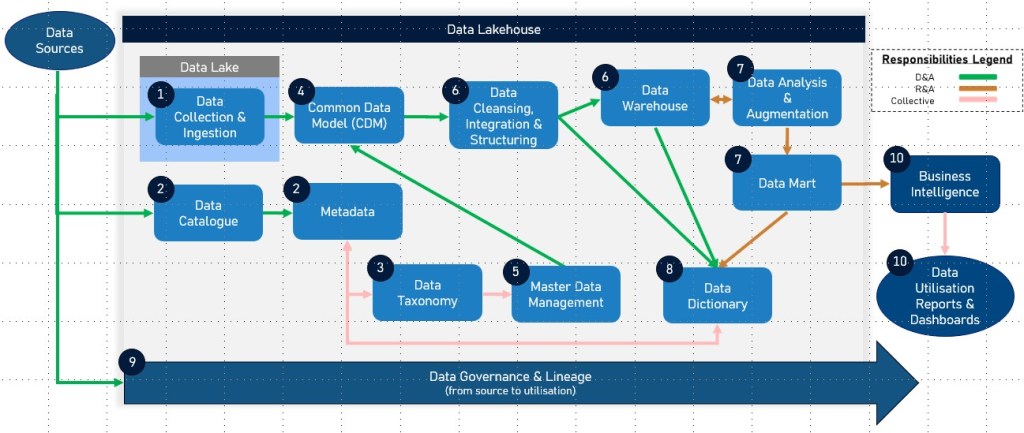
Common Data Model (CDM) at the heart of the Data Lakehouse

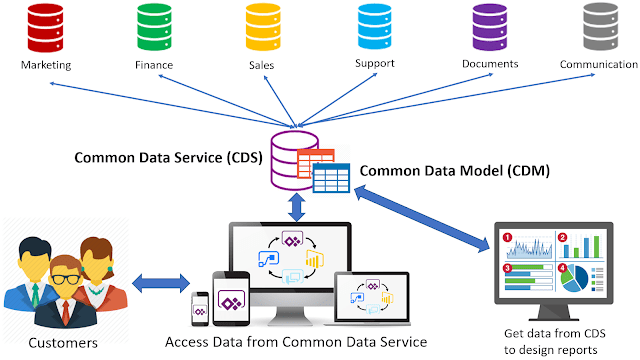
Imagine you’re at the helm of a global enterprise, juggling multiple accounting systems, CRMs, and financial consolidation tools like Onestream. The data is flowing in from all directions, but it’s chaotic and inconsistent. Enter the Common Data Model (CDM), a game-changer that brings order to this chaos.

CDM Definition

A Common Data Model (CDM) is like the blueprint for your data architecture. It’s a standardised, modular, and extensible data schema designed to make data interoperability a breeze across different applications and business processes. Think of it as the universal language for your data, defining how data should be structured and understood, making it easier to integrate, share, and analyse.

Key Features of a CDM:
  • Standardisation: Ensures consistent data representation across various systems.
  • Modularity: Allows organisations to use only the relevant parts of the model.
  • Extensibility: Can be tailored to specific business needs or industry requirements.
  • Interoperability: Facilitates data exchange and understanding between different applications and services.
  • Data Integration: Helps merge data from multiple sources for comprehensive analysis.
  • Simplified Analytics: Streamlines data analysis and reporting, generating valuable insights.

The CDM in practise

Let’s delve into how a CDM can revolutionise your business’ data reporting in a global enterprise environment.

Standardised Data Definitions
  • Consistency: A CDM provides a standardised schema for financial data, ensuring uniform definitions and formats across all systems.
  • Uniform Reporting: Standardisation allows for the creation of uniform reports, making data comparison and analysis across different sources straightforward.
Unified Data Architecture
  • Seamless Data Flow: Imagine data flowing effortlessly from your data lake to your data warehouse. A CDM supports this smooth transition, eliminating bottlenecks.
  • Simplified Data Management: Managing data assets becomes simpler across the entire data estate, thanks to the unified framework provided by a CDM.
Data Integration
  • Centralised Data Repository: By mapping data from various systems like Maconomy (accounting), Dynamics (CRM), and Onestream (financial consolidation) into a unified CDM, you establish a centralised data repository.
  • Seamless Data Flow: This integration minimises manual data reconciliation efforts, ensuring smooth data transitions between systems.
Improved Data Quality
  • Data Validation: Enforce data validation rules to reduce errors and inconsistencies.
  • Enhanced Accuracy: Higher data quality leads to more precise financial reports and informed decision-making.
  • Consistency: Standardised data structures maintain consistency across datasets stored in the data lake.
  • Cross-Platform Compatibility: Ensure that data from different systems can be easily combined and used together.
  • Streamlined Processes: Interoperability streamlines processes such as financial consolidation, budgeting, and forecasting.
Extensibility
  • Customisable Models: Extend the CDM to meet specific financial reporting requirements, allowing the finance department to tailor the model to their needs.
  • Scalability: As your enterprise grows, the CDM can scale to include new data sources and systems without significant rework.
Reduced Redundancy
  • MDM eliminates data redundancies, reducing the risk of errors and inconsistencies in financial reporting.
Complements the Enterprise Data Estate
  • A CDM complements a data estate that includes a data lake and a data warehouse, providing a standardised framework for organising and managing data.
Enhanced Analytics
  • Advanced Reporting: Standardised and integrated data allows advanced analytics tools to generate insightful financial reports and dashboards.
  • Predictive Insights: Data analytics can identify trends and provide predictive insights, aiding in strategic financial planning.
Data Cataloguing and Discovery
  • Enhanced Cataloguing: CDM makes it easier to catalogue data within the lake, simplifying data discovery and understanding.
  • Self-Service Access: With a well-defined data model, business users can access and utilise data with minimal technical support.
Enhanced Interoperability
  • CDM facilitates interoperability by providing a common data schema, enabling seamless data exchange and integration across different systems and applications.
Reduced Redundancy and Costs
  • Elimination of Duplicate Efforts: Minimise redundant data processing efforts.
  • Cost Savings: Improved efficiency and data accuracy lead to cost savings in financial reporting and analysis.
Regulatory Compliance
  • Consistency in Reporting: CDM helps maintain consistency in financial reporting, crucial for regulatory compliance.
  • Audit Readiness: Standardised and accurate data simplifies audit preparation and compliance with financial regulations.
Scalability and Flexibility
  • Adaptable Framework: CDM’s extensibility allows it to adapt to new data sources and evolving business requirements without disrupting existing systems.
  • Scalable Solutions: Both the data lake and data warehouse can scale independently while adhering to the CDM, ensuring consistent growth.
Improved Data Utilisation
  • Enhanced Analytics: Apply advanced analytics and machine learning models more effectively with standardised and integrated data.
  • Business Agility: A well-defined CDM enables quick adaptation to changing business needs and faster implementation of new data-driven initiatives.
Improved Decision-Making
  • High-quality, consistent master data enables finance teams to make more informed and accurate decisions.

CDM and the Modern Medallion Architecture Data Lakehouse

In a lakehouse architecture, data is organised into multiple layers or “medals” (bronze, silver, and gold) to enhance data management, processing, and analytics.

  • Bronze Layer (Raw Data): Raw, unprocessed data ingested from various sources.
  • Silver Layer (Cleaned and Refined Data): Data that has been cleaned, transformed, and enriched, suitable for analysis and reporting.
  • Gold Layer (Aggregated and Business-Level Data): Highly refined and aggregated data, designed for specific business use cases and advanced analytics.
CDM in Relation to the Data Lakehouse Silver Layer

A CDM can be likened to the silver layer in a Medallion Architecture. Here’s how they compare:

AspectData Lakehouse – Silver LayerCommon Data Model (CDM)
Purpose and FunctionTransforms, cleans, and enriches data to ensure quality and consistency, preparing it for further analysis and reporting. Removes redundancies and errors found in raw data.Provides standardised schemas, structures, and semantics for data. Ensures data from different sources is represented uniformly for integration and quality.
Data StandardisationImplements transformations and cleaning processes to standardise data formats and values, making data consistent and reliable.Defines standardised data schemas to ensure uniform data structure across the organisation, simplifying data integration and analysis.
Data Quality and ConsistencyFocuses on improving data quality by eliminating errors, duplicates, and inconsistencies through transformation and enrichment processes.Ensures data quality and consistency by enforcing standardised data definitions and validation rules.
InteroperabilityEnhances data interoperability by transforming data into a common format easily consumed by various analytics and reporting tools.Facilitates interoperability with a common data schema for seamless data exchange and integration across different systems and applications.
Role in Data ProcessingActs as an intermediate layer where raw data is processed and refined before moving to the gold layer for final consumption.Serves as a guide during data processing stages to ensure data adheres to predefined standards and structures.

How CDM Complements the Silver Layer

  • Guiding Data Transformation: CDM serves as a blueprint for transformations in the silver layer, ensuring data is cleaned and structured according to standardised schemas.
  • Ensuring Consistency Across Layers: By applying CDM principles, the silver layer maintains consistency in data definitions and formats, making it easier to integrate and utilise data in the gold layer.
  • Facilitating Data Governance: Implementing a CDM alongside the silver layer enhances data governance with clear definitions and standards for data entities, attributes, and relationships.
  • Supporting Interoperability and Integration: With a CDM, the silver layer can integrate data from various sources more effectively, ensuring transformed data is ready for advanced analytics and reporting in the gold layer.

CDM Practical Implementation Steps

By implementing a CDM, a global enterprise can transform its finance department’s data reporting, leading to more efficient operations, better decision-making, and enhanced financial performance.

  1. Data Governance: Establish data governance policies to maintain data quality and integrity. Define roles and responsibilities for managing the CDM and MDM. Implement data stewardship processes to monitor and improve data quality continuously.
  2. Master Data Management (MDM): Implement MDM to maintain a single, consistent, and accurate view of key financial data entities (e.g. customers, products, accounts). Ensure that master data is synchronised across all systems to avoid discrepancies. (Learn more on Master Data Management).
  3. Define the CDM: Develop a comprehensive CDM that includes definitions for all relevant data entities and attributes used across the data estate.
  4. Data Mapping: Map data from various accounting systems, CRMs, and Onestream to the CDM schema. Ensure all relevant financial data points are included and standardised.
  5. Integration with Data Lake Platform & Automated Data Pipelines (Lakehouse): Implement processes to ingest data into the data lake using the CDM, ensuring data is stored in a standardised format. Use an integration platform to automate ETL processes into the CDM, supporting real-time data updates and synchronisation.
  6. Data Consolidation (Data Warehouse): Use ETL processes to transform data from the data lake and consolidate it according to the CDM. Ensure the data consolidation process includes data cleansing and deduplication steps. CDM helps maintain data lineage by clearly defining data transformations and movements from the source to the data warehouse.
  7. Analytics and Reporting Tools: Implement analytics and reporting tools that leverage the standardised data in the CDM. Train finance teams to use these tools effectively to generate insights and reports. Develop dashboards and visualisations to provide real-time financial insights.
  8. Extensibility and Scalability: Extend the CDM to accommodate specific financial reporting requirements and future growth. Ensure that the CDM and MDM frameworks are scalable to integrate new data sources and systems as the enterprise evolves.
  9. Data Security and Compliance: Implement robust data security measures to protect sensitive financial data. Ensure compliance with regulatory requirements by maintaining consistent and accurate financial records.
  10. Continuous Improvement: Regularly review and update the CDM and MDM frameworks to adapt to changing business needs. Solicit feedback from finance teams to identify areas for improvement and implement necessary changes.

By integrating a Common Data Model within the data estate, organisations can achieve a more coherent, efficient, and scalable data architecture, enhancing their ability to derive value from their data assets.

Conclusion

In global enterprise operations, the ability to manage, integrate, and analyse vast amounts of data efficiently is paramount. The Common Data Model (CDM) emerges as a vital tool in achieving this goal, offering a standardised, modular, and extensible framework that enhances data interoperability across various systems and platforms.

By implementing a CDM, organisations can transform their finance departments, ensuring consistent data definitions, seamless data flow, and improved data quality. This transformation leads to more accurate financial reporting, streamlined processes, and better decision-making capabilities. Furthermore, the CDM supports regulatory compliance, reduces redundancy, and fosters advanced analytics, making it an indispensable component of modern data management strategies.

Integrating a CDM within the Medallion Architecture of a data lakehouse further enhances its utility, guiding data transformations, ensuring consistency across layers, and facilitating robust data governance. As organisations continue to grow and adapt to new challenges, the scalability and flexibility of a CDM will allow them to integrate new data sources and systems seamlessly, maintaining a cohesive and efficient data architecture.

Ultimately, the Common Data Model empowers organisations to harness the full potential of their data assets, driving business agility, enhancing operational efficiency, and fostering innovation. By embracing CDM, enterprises can unlock valuable insights, make informed decisions, and stay ahead in an increasingly data-driven world.

Comprehensive Guide to Strategic Investment in IT and Data for Sustainable Business Growth and Innovation

In this post, Renier is exploring the critical importance of appropriate investment in technology, data and innovation for continued business growth and a strategy to stay relevant.

Introduction

This comprehensive guide explores the strategic importance of investing in information technology (IT) and data management to foster sustainable business growth and innovation. It delves into the risks of underinvestment and the significant advantages that proactive and thoughtful expenditure in these areas can bring to a company. Additionally, it offers actionable strategies for corporate boards to effectively navigate these challenges, ensuring that their organisations not only survive but thrive in the competitive modern business landscape.

The Perils of Underinvestment in IT: Navigating Risks and Strategies for Corporate Boards

In the digital age, information technology (IT) is not merely a support tool but a cornerstone of business strategy and operations. However, many companies still underinvest in their IT infrastructure, leading to severe repercussions. This section explores the risks associated with underinvestment in IT, the impact on businesses, and actionable strategies that company Boards can adopt to mitigate these risks and prevent potential crises.

The Impact of Underinvestment in IT

Underinvestment in IT can manifest in numerous ways, each capable of stifling business growth and operational efficiency. Primarily, outdated systems and technologies can lead to decreased productivity as employees struggle with inefficient processes and systems that do not meet contemporary standards. Furthermore, it exposes the company to heightened security risks such as data breaches and cyberattacks, as older systems often lack the capabilities to defend against modern threats.

Key Risks Introduced by Underinvestment

  • Operational Disruptions – With outdated IT infrastructure, businesses face a higher risk of system downtimes and disruptions. This not only affects daily operations but can also lead to significant financial losses and damage to customer relationships.
  • Security Vulnerabilities – Underfunded IT systems are typically less secure and more susceptible to cyber threats. This can compromise sensitive data and intellectual property, potentially resulting in legal and reputational harm.
  • Inability to Scale – Companies with poor IT investment often struggle to scale their operations efficiently to meet market demands or expand into new territories, limiting their growth potential.
  • Regulatory Non-Compliance – Many industries have strict regulations regarding data privacy and security. Inadequate IT infrastructure may lead to non-compliance, resulting in hefty fines and legal issues.

What Can Boards Do?

  • Prioritise IT in Strategic Planning – Boards must recognise IT as a strategic asset rather than a cost centre. Integrating IT strategy with business strategy ensures that technology upgrades and investments are aligned with business goals and growth trajectories.
  • Conduct Regular IT Audits – Regular audits can help Boards assess the effectiveness of current IT systems and identify areas needing improvement. This proactive approach aids in preventing potential issues before they escalate.
  • Invest in Cybersecurity – Protecting against cyber threats should be a top priority. Investment in modern cybersecurity technologies and regular security training for employees can shield the company from potential attacks.
  • Establish a Technology Committee – Boards could benefit from establishing a dedicated technology committee that can drive technology strategy, oversee technology risk management, and keep the Board updated on key IT developments and investments.
  • Foster IT Agility – Encouraging the adoption of agile IT practices can help organisations respond more rapidly to market changes and technological advancements. This includes investing in scalable cloud solutions and adopting a culture of continuous improvement.
  • Education and Leadership Engagement – Board members should be educated about the latest technology trends and the specific IT needs of their industry. Active engagement from leadership can foster an environment where IT is seen as integral to organisational success.

Maximising Potential: The Critical Need for Proper Data Utilisation in Organisations

In today’s modern business landscape, data is often referred to as the new oil—a vital asset that can drive decision-making, innovation, and competitive advantage. Despite its recognised value, many organisations continue to underinvest and underutilise data, missing out on significant opportunities and exposing themselves to increased risks. This section examines the consequences of not fully leveraging data, the risks associated with such underutilisation, and practical steps organisations can take to better harness the power of their data.

The Consequences of Underutilisation

Underutilising data can have far-reaching consequences for organisations, impacting everything from strategic planning to operational efficiency. Key areas affected include:

  • Inefficient Decision-Making – Without robust data utilisation, decisions are often made based on intuition or incomplete information, which can lead to suboptimal outcomes and missed opportunities.
  • Missed Revenue Opportunities – Data analytics can uncover trends and insights that drive product innovation and customer engagement. Organisations that fail to leverage these insights may fall behind their competitors in capturing market share.
  • Operational Inefficiencies – Data can optimise operations and streamline processes. Lack of proper data utilisation can result in inefficiencies, higher costs, and decreased productivity.

Risks Associated with Data Underutilisation

  • Competitive Disadvantage – Companies that do not invest in data analytics may lose ground to competitors who utilise data to refine their strategies and offerings, tailor customer experiences, and enter new markets more effectively.
  • Security and Compliance Risks – Underinvestment in data management can lead to poor data governance, increasing the risk of data breaches and non-compliance with regulations like GDPR and HIPAA, potentially resulting in legal penalties and reputational damage.
  • Strategic Misalignmen – Lack of comprehensive data insights can lead to strategic plans that are out of sync with market realities, risking long-term sustainability and growth.

Mitigating Risks and Enhancing Data Utilisation

  • Enhance Data Literacy Across the Organisation – Building data literacy across all levels of the organisation empowers employees to understand and use data effectively in their roles. This involves training programmes and ongoing support to help staff interpret and leverage data insights.
  • Invest in Data Infrastructure – To harness data effectively, robust infrastructure is crucial. This includes investing in secure storage, efficient data processing capabilities, and advanced analytics tools. Cloud-based solutions can offer scalable and cost-effective options.
  • Establish a Data Governance Framework – A strong data governance framework ensures data quality, security, and compliance. It should define who can access data, how it can be used, and how it is protected, ensuring consistency and reliability in data handling.

  • Foster a Data-Driven Culture – Encouraging a culture that values data-driven decision-making can be transformative. This involves leadership endorsing and modelling data use and recognising teams that effectively use data to achieve results.
  • Utilise Advanced Analytics and AI – Advanced analytics, machine learning, and AI can transform raw data into actionable insights. These technologies can automate complex data analysis tasks, predict trends, and offer deeper insights that human analysis might miss.
  • Regularly Review and Adapt Data Strategies – Data needs and technologies evolve rapidly. Regular reviews of data strategies and tools can help organisations stay current and ensure they are fully leveraging their data assets.

The Essential Role of Innovation in Business Success and Sustainability

Innovation refers to the process of creating new products, services, processes, or technologies, or significantly improving existing ones. It often involves applying new ideas or approaches to solve problems or meet market needs more effectively. Innovation can range from incremental changes to existing products to groundbreaking shifts that create whole new markets or business models.

Why is Innovation Important for a Business?

  • Competitive Advantage – Innovation helps businesses stay ahead of their competitors. By offering unique products or services, or by enhancing the efficiency of processes, companies can differentiate themselves in the marketplace. This differentiation is crucial for attracting and retaining customers in a competitive landscape.
  • Increased Efficiency – Innovation can lead to the development of new technologies or processes that improve operational efficiency. This could mean faster production times, lower costs, or more effective marketing strategies, all of which contribute to a better bottom line.
  • Customer Engagement and Satisfaction – Today’s consumers expect continual improvements and new experiences. Innovative businesses are more likely to attract and retain customers by meeting these expectations with new and improved products or services that enhance customer satisfaction and engagement.
  • Revenue Growth – By opening new markets and attracting more customers, innovation directly contributes to revenue growth. Innovative products or services often command premium pricing, and the novelty can attract customers more effectively than traditional marketing tactics.
  • Adaptability to Market Changes – Markets are dynamic, with consumer preferences, technology, and competitive landscapes constantly evolving. Innovation enables businesses to adapt quickly to these changes. Companies that lead in innovation can shape the direction of the market, while those that follow must adapt to changes shaped by others.
  • Attracting Talent – Talented individuals seek dynamic and progressive environments where they can challenge their skills and grow professionally. Innovative companies are more attractive to potential employees looking for such opportunities. By drawing in more skilled and creative employees, a business can further enhance its innovation capabilities.
  • Long-Term Sustainability – Continuous innovation is crucial for long-term business sustainability. By constantly evolving and adapting through innovation, businesses can foresee and react to changes in the environment, technology, and customer preferences, thus securing their future relevance and viability.
  • Regulatory Compliance and Social Responsibility – Innovation can also help businesses meet regulatory requirements more efficiently and contribute to social and environmental goals. For example, developing sustainable materials or cleaner technologies can address environmental regulations and consumer demands for responsible business practices.

In summary, innovation is essential for a business as it fosters growth, enhances competitiveness, and ensures ongoing relevance in a changing world. Businesses that consistently innovate are better positioned to thrive and dominate in their respective markets.

Strategic Investment in Technology, Product Development, and Data: Guidelines for Optimal Spending in Businesses

There isn’t a one-size-fits-all answer to how much a business should invest in technology, product development, innovation, and data as a percentage of its annual revenue. The appropriate level of investment can vary widely depending on several factors, including the industry sector, company size, business model, competitive landscape, and overall strategic goals. However, here are some general guidelines and considerations:

Strategic Considerations

  • Technology and Innovation – Companies in technology-driven industries or those facing significant digital disruption might invest a larger portion of their revenue in technology and innovation. For instance, technology and software companies typically spend between 10% and 20% of their revenue on research and development (R&D). For other sectors where technology is less central but still important, such as manufacturing or services, the investment might be lower, around 3-5%.
  • Product Development – Consumer goods companies or businesses in highly competitive markets where product lifecycle is short might spend a significant portion of revenue on product development to continually offer new or improved products. This could range from 4% to 10% depending on the industry specifics and the need for innovation.
  • Data – Investment in data management, analytics, and related technology also varies. For businesses where data is a critical asset for decision-making, such as in finance, retail, or e-commerce, investment might be higher. Typically, this could be around 1-5% of revenue, focusing on capabilities like data collection, storage, analysis, and security.
  • Growth Phase – Start-ups or companies in a growth phase might invest a higher percentage of their revenue in these areas as they build out their capabilities and seek to capture market share.
  • Maturity and Market Position – More established companies might spend a smaller proportion of revenue on innovation but focus more on improving efficiency and refining existing products and technologies.
  • Competitive Pressure – Companies under significant competitive pressure may increase their investment to ensure they remain competitive in the market.
  • Regulatory Requirements – Certain industries might require significant investment in technology and data to comply with regulatory standards, impacting how funds are allocated.

Benchmarking and Adaptation

It is crucial for businesses to benchmark against industry standards and leaders to understand how similar firms allocate their budget. Additionally, investment decisions should be regularly reviewed and adapted based on the company’s performance, market conditions, and technological advancements.

Ultimately, the key is to align investment in technology, product development, innovation, and data with the company’s strategic objectives and ensure these investments drive value and competitive advantage.

Conclusion

The risks associated with underinvestment in IT are significant, but they are not insurmountable. Boards play a crucial role in ensuring that IT receives the attention and resources it requires. By adopting a strategic approach to IT investment, Boards can not only mitigate risks but also enhance their company’s competitive edge and operational efficiency. Moving forward, the goal should be to view IT not just as an operational necessity but as a strategic lever for growth and innovation.

The underutilisation of data presents significant risks but also substantial opportunities for organisations willing to invest in and prioritise their data capabilities. By enhancing data literacy, investing in the right technologies, and fostering a culture that embraces data-driven insights, organisations can mitigate risks and position themselves for sustained success in an increasingly data-driven world.

In conclusion, strategic investment in IT, innovation and data is crucial for any organisation aiming to maintain competitiveness and drive innovation in today’s rapidly evolving market. By understanding the risks of underinvestment and implementing the outlined strategies, corporate boards can ensure that their companies leverage technology and data effectively. This approach will not only mitigate potential risks but also enhance operational efficiency, open new avenues for growth, and ultimately secure a sustainable future for their businesses.

Are you ready to elevate your organisation’s competitiveness and innovation? Consider the strategic importance of investing in IT and data. We encourage corporate boards and business leaders to take proactive steps: assess your current IT and data infrastructure, align investments with your strategic goals, and foster a culture that embraces technological advancement. Start today by reviewing the strategies outlined in this guide to ensure your business not only survives but thrives in the digital age. Act now to secure a sustainable and prosperous future for your organisation.

Navigating the Complex Terrain of Data Governance and Global Privacy Regulations

In every business today, data has become one of the most valuable assets for organisations across all industries. However, managing this data responsibly and effectively presents a myriad of challenges, especially given the complex landscape of global data privacy laws. Here, we delve into the crucial aspects of data governance and how various international data protection regulations influence organisational strategies.

Essentials of Data Governance

Data governance encompasses the overall management of the availability, usability, integrity, and security of the data employed in an enterprise. A robust data governance programme focuses on several key areas:

  • Data Quality: Ensuring the accuracy, completeness, consistency, and reliability of data throughout its lifecycle. This involves setting standards and procedures for data entry, maintenance, and removal.
  • Data Security: Protecting data from unauthorised access and breaches. This includes implementing robust security measures such as encryption, access controls, and regular audits.
  • Compliance: Adhering to relevant laws and regulations that govern data protection and privacy, such as GDPR, HIPAA, or CCPA. This involves keeping up to date with legal requirements and implementing policies and procedures to ensure compliance.

  • Data Accessibility: Making data available to stakeholders in an organised manner that respects security and privacy constraints. This includes defining who can access data, under what conditions, and ensuring that the data can be easily and efficiently retrieved.
  • Data Lifecycle Management: Managing the flow of an organisation’s data from creation and initial storage to the time when it becomes obsolete and is deleted. This includes policies on data retention, archiving, and disposal.
  • Data Architecture and Integration: Structuring data architecture so that it supports an organisation’s information needs. This often involves integrating data from multiple sources and ensuring that it is stored in formats that are suitable for analysis and decision-making.
  • Master Data Management: The process of managing, centralising, organising, categorising, localising, synchronising, and enriching master data according to the business rules of a company or enterprise.
  • Metadata Management: Keeping a catalogue of metadata to help manage data assets by making it easier to locate and understand data stored in various systems throughout the organisation.
  • Change Management: Managing changes to the data environment in a controlled manner to prevent disruptions to the business and to maintain data integrity and accuracy.
  • Data Literacy: Promoting data literacy among employees to enhance their understanding of data principles and practices, which can lead to better decision-making throughout the organisation.

By focusing on these areas, organisations can maximise the value of their data, reduce risks, and ensure that data management practices support their business objectives and regulatory requirements.

Understanding Global Data Privacy Laws

As data flows seamlessly across borders, understanding and complying with various data privacy laws become paramount. Here’s a snapshot of some of the significant data privacy regulations around the globe:

  • General Data Protection Regulation (GDPR): The cornerstone of data protection in the European Union, GDPR sets stringent guidelines for data handling and grants significant rights to individuals over their personal data.
  • California Consumer Privacy Act (CCPA) and California Privacy Rights Act (CPRA): These laws provide broad privacy rights and are among the most stringent in the United States.
  • Personal Information Protection and Electronic Documents Act (PIPEDA) in Canada and Lei Geral de Proteção de Dados (LGPD) in Brazil reflect the growing trend of adopting GDPR-like standards.
  • UK General Data Protection Regulation (UK GDPR), post-Brexit, which continues to protect data in alignment with the EU’s standards.
  • Personal Information Protection Law (PIPL) in China, which indicates a significant step towards stringent data protection norms akin to GDPR.

These regulations underscore the need for robust data governance frameworks that not only comply with legal standards but also protect organisations from financial and reputational harm.

The USA and other countries have various regulations that address data privacy, though they often differ in scope and approach from the European and UK’s GDPR. Here’s an overview of some of these regulations:

United States

The USA does not have a single, comprehensive federal law governing data privacy akin to the GDPR. Instead, it has a patchwork of federal and state laws that address different aspects of privacy:

  • Health Insurance Portability and Accountability Act (HIPAA): Protects medical information.
  • Children’s Online Privacy Protection Act (COPPA): Governs the collection of personal information from children under the age of 13.
  • California Consumer Privacy Act (CCPA) and California Privacy Rights Act (CPRA): These state laws resemble the GDPR more closely than other US laws, providing broad privacy rights concerning personal information.
  • Virginia Consumer Data Protection Act (VCDPA) and Colorado Privacy Act (CPA): Similar to the CCPA, these state laws offer consumers certain rights over their personal data.
European Union
  • General Data Protection Regulation (GDPR): This is the primary law regulating how companies protect EU citizens’ personal data. GDPR has set a benchmark globally for data protection and privacy laws.
United Kingdom
  • UK General Data Protection Regulation (UK GDPR): Post-Brexit, the UK has retained the EU GDPR in domestic law but has made some technical changes. It operates alongside the Data Protection Act 2018.
Canada
  • Personal Information Protection and Electronic Documents Act (PIPEDA): Governs how private sector organisations collect, use, and disclose personal information in the course of commercial business.
Australia
  • Privacy Act 1988 (including the Australian Privacy Principles): Governs the handling of personal information by most federal government agencies and some private sector organisations.
Brazil
  • Lei Geral de Proteção de Dados (LGPD): Brazil’s LGPD shares many similarities with the GDPR and is designed to unify 40 different statutes that previously regulated personal data in Brazil.
Japan
  • Act on the Protection of Personal Information (APPI): Japan’s APPI was amended to strengthen data protection standards and align more closely with international standards, including the GDPR.
China
  • Personal Information Protection Law (PIPL): Implemented in 2021, this law is part of China’s framework of laws aimed at regulating cyberspace and protecting personal data similarly to the GDPR.
India
  • Personal Data Protection Bill (PDPB): As of the latest updates, this bill is still in the process of being finalised and aims to provide a comprehensive data protection framework in India. This will become the Personal Data Protection Act (PDPA).
Sri Lanka
  • Sri Lanka welcomed the Personal Data Protection Act No. 09 of 2022 (the “Act”) in March 2022.
  • The PDPA aims to regulate the processing of personal data and protect the rights of data subjects. It will establish principles for data collection, processing, and storage, as well as define the roles of data controllers and processors.
  • During drafting, the committee considered international best practices, including the OECD Privacy Guidelines, APEC Privacy Framework, EU GDPR, and other data protection laws.

Each of these laws has its own unique set of requirements and protections, and businesses operating in these jurisdictions need to ensure they comply with the relevant legislation.

How data privacy legislation impacts data governance

Compliance with these regulations requires a comprehensive data governance framework that includes policies, procedures, roles, and responsibilities designed to ensure that data is managed in a way that respects individual privacy rights and complies with legal obligations. GDPR (General Data Protection Regulation) and other data privacy legislation play a critical role in shaping data governance strategies. Compliance with these regulations is essential for organisations, particularly those that handle personal data of individuals within the jurisdictions covered by these laws. Here’s how :

  • Data Protection by Design and by Default: GDPR and similar laws require organisations to integrate data protection into their processing activities and business practices, from the earliest design stages all the way through the lifecycle of the data. This means considering privacy in the initial design of systems and processes and ensuring that personal data is processed with the highest privacy settings by default.
  • Lawful Basis for Processing: Organisations must identify a lawful basis for processing personal data, such as consent, contractual necessity, legal obligations, vital interests, public interest, or legitimate interests. This requires careful analysis and documentation to ensure that the basis is appropriate and that privacy rights are respected.
  • Data Subject Rights: Data privacy laws typically grant individuals rights over their data, including the right to access, rectify, delete, or transfer their data (right to portability), and the right to object to certain types of processing. Data governance frameworks must include processes to address these rights promptly and effectively.
  • Data Minimization and Limitation: Privacy regulations often emphasize that organisations should collect only the data that is necessary for a specified purpose and retain it only as long as it is needed for that purpose. This requires clear data retention policies and procedures to ensure compliance and reduce risk.
  • Cross-border Data Transfers: GDPR and other regulations have specific requirements regarding the transfer of personal data across borders. Organisations must ensure that they have legal mechanisms in place, such as Standard Contractual Clauses (SCCs) or adherence to international frameworks like the EU-U.S. Privacy Shield.
  • Breach Notification: Most privacy laws require organisations to notify regulatory authorities and, in some cases, affected individuals of data breaches within a specific timeframe. Data governance policies must include breach detection, reporting, and investigation procedures to comply with these requirements.
  • Data Protection Officer (DPO): GDPR and certain other laws require organisations to appoint a Data Protection Officer if they engage in significant processing of personal data. The DPO is responsible for overseeing data protection strategies, compliance, and education.
  • Record-Keeping: Organisations are often required to maintain detailed records of data processing activities, including the purpose of processing, data categories processed, data recipient categories, and the envisaged retention times for different data categories.
  • Impact Assessments: GDPR mandates Data Protection Impact Assessments (DPIAs) for processing that is likely to result in high risks to individuals’ rights and freedoms. These assessments help organisations identify, minimize, and mitigate data protection risks.

Strategic Implications for Organisations

Organisations must integrate data protection principles early in the design phase of their projects and ensure that personal data is processed with high privacy settings by default. A lawful basis for processing data must be clearly identified and documented. Furthermore, data protection officers (DPOs) may need to be appointed to oversee compliance, particularly in large organisations or those handling sensitive data extensively.

Conclusion

Adopting a comprehensive data governance strategy is not merely about legal compliance, it is about building trust with customers and stakeholders, enhancing the operational effectiveness of the organisation, and securing a competitive advantage in the marketplace. By staying informed and agile, organisations can navigate the complexities of data governance and global privacy regulations effectively, ensuring sustainable and ethical use of their valuable data resources.

Master Data Management

Understanding Master Data Management: Importance, Implementation, and Tools

Master Data Management (MDM) is a crucial component of modern data governance strategies, ensuring the accuracy, uniformity, and consistency of critical data across an organisation. As businesses become increasingly reliant on data-driven decision-making, the importance of a robust MDM strategy cannot be overstated. This article delves into what MDM is, why it is vital, it’s interdependancies, how to implement it, and the technological tools available to support these efforts.

What is Master Data Management?

Master Data Management refers to the process of managing, centralising, organising, categorising, localising, synchronising, and enriching master data according to the business rules of a company or enterprise. Master data includes key business entities such as customers, products, suppliers, and assets which are essential to an organisation’s operations. MDM aims to provide a single, accurate view of data across the enterprise to reduce errors and avoid redundancy.

Why is Master Data Management Important?

Master Data Management is a strategic imperative in today’s data-centric world, ensuring that data remains a powerful, reliable asset in driving operational success and strategic initiatives. Implementing MDM correctly is not merely a technological endeavour but a comprehensive business strategy that involves meticulous planning, governance, and execution. By leveraging the right tools and practices, organisations can realise the full potential of their data, enhancing their competitive edge and operational effectiveness.

  • Enhanced Decision Making: Accurate master data allows organisations to make informed decisions based on reliable data, reducing risks and enhancing outcomes.
  • Operational Efficiency: MDM streamlines processes by eliminating discrepancies and duplications, thereby improving efficiency and reducing costs.
  • Regulatory Compliance: Many industries face stringent data governance requirements. MDM helps in adhering to these regulations by maintaining accurate and traceable data records.
  • Improved Customer Satisfaction: Unified and accurate data helps in providing better services to customers, thereby improving satisfaction and loyalty.

How to Achieve Master Data Management

Implementing an effective MDM strategy involves several steps:

  • Define Objectives and Scope: Clearly define what master data is critical to your operations and the goals of your MDM initiative.
  • Data Identification and Integration: Identify the sources of your master data and integrate them into a single repository. This step often involves data migration and consolidation.
  • Data Governance Framework: Establish a governance framework that defines who is accountable for various data elements. Implement policies and procedures to maintain data quality.
  • Data Quality Management: Cleanse data to remove duplicates and inaccuracies. Establish protocols for ongoing data quality assurance.
  • Technology Implementation: Deploy an MDM platform that fits your organisation’s needs, supporting data management and integration functionalities.
  • Continuous Monitoring and Improvement: Regularly review and refine the MDM processes and systems to adapt to new business requirements or changes in technology.

The Importance of Data Ownership

Data ownership refers to the responsibility assigned to individuals or departments within an organisation to manage and oversee specific data sets. Effective data ownership is crucial because it ensures:

  • Accountability: Assigning ownership ensures there is accountability for the accuracy, privacy, and security of data.
  • Data Quality: Owners take proactive measures to maintain data integrity, leading to higher data quality.
  • Compliance: Data owners ensure data handling meets compliance standards and legal requirements.

Governing Data Ownership in Organisations of Different Sizes

Small Organisations: In small businesses, data ownership may reside with a few key individuals, often including the business owner or a few senior members who handle multiple roles. Governance can be informal, but it is essential to establish clear guidelines for data usage and security.

Medium Organisations: As organisations grow, roles become more defined. It’s typical to appoint specific data stewards or data managers who work under the guidance of a data governance body. Policies should be documented, and training on data handling is essential to maintain standards.

Large Organisations: In large enterprises, data ownership becomes part of a structured data governance framework. This involves designated teams or departments, often led by a Chief Data Officer (CDO). These organisations benefit from advanced MDM systems and structured policies that include regular audits, compliance checks, and ongoing training programs.

Understanding Data Taxonomy and Data Lineage and Its Importance in Master Data Management

What is Data Taxonomy?

Data taxonomy involves defining and implementing a uniform and logical structure for data. It refers to the systematic classification into categories and subcategories, making it easier to organise, manage, and retrieve data across an organisation. This structure helps in mapping out the relationships and distinctions among data elements, facilitating more efficient data management. It can cover various types of data, including unstructured data (like emails and documents), semi-structured data (like XML files), and structured data (found in databases). Similar to biological taxonomy, which classifies organisms into a hierarchical structure, data taxonomy organises data elements based on shared characteristics. It is a critical aspect of information architecture and plays a pivotal role in Master Data Management (MDM).

Why is Data Taxonomy Important?

  • Enhanced Data Search and Retrieval: A well-defined taxonomy ensures that data can be easily located and retrieved without extensive searching. This is particularly useful in large organisations where vast amounts of data can become siloed across different departments.
  • Improved Data Quality: By standardising how data is categorised, companies can maintain high data quality, which is crucial for analytics and decision-making processes.
  • Efficient Data Management: Taxonomies help in managing data more efficiently by reducing redundancy and ensuring consistency across all data types and sources.
  • Better Compliance and Risk Management: With a clear taxonomy, organisations can better comply with data regulations and standards by ensuring proper data handling and storage practices.

Importance of Data Taxonomy in Master Data Management

In the context of MDM, data taxonomy is particularly important because it provides a structured way to handle the master data that is crucial for business operations. Here’s why taxonomy is integral to successful MDM:

  • Unified Data View: MDM aims to provide a single, comprehensive view of all essential business data. Taxonomy aids in achieving this by ensuring that data from various sources is classified consistently, making integration smoother and more reliable.
  • Data Integration: When merging data from different systems, having a common taxonomy ensures that similar data from different sources is understood and treated as equivalent. This is essential for avoiding conflicts and discrepancies in master data.
  • Data Governance: Effective data governance relies on clear data taxonomy to enforce rules, policies, and procedures on data handling. A taxonomy provides the framework needed for enforcing these governance structures.
  • Scalability and Adaptability: As businesses grow and adapt, their data needs evolve. A well-structured taxonomy allows for scalability and makes it easier to incorporate new data types or sources without disrupting existing systems.

What is Data Lineage

Data lineage refers to the lifecycle of data as it travels through various processes in an information system. It is a comprehensive account or visualisation of where data originates, where it moves, and how it changes throughout its journey within an organisation. Essentially, data lineage provides a clear map or trace of the data’s journey from its source to its destination, including all the transformations it undergoes along the way.

Here are some key aspects of data lineage:

  • Source of Data: Data lineage begins by identifying the source of the data, whether it’s from internal databases, external data sources, or real-time data streams.
  • Data Transformations: It records each process or transformation the data undergoes, such as data cleansing, aggregation, and merging. This helps in understanding how the data is manipulated and refined.
  • Data Movement: The path that data takes through different systems and processes is meticulously traced. This includes its movement across databases, servers, and applications within an organisation.
  • Final Destination: Data lineage includes tracking the data to its final destination, which might be a data warehouse, report, or any other endpoint where the data is stored or utilised.

Importance of Data Lineage

Data lineage is crucial for several reasons:

  • Transparency and Trust: It helps build confidence in data quality and accuracy by providing transparency on how data is handled and transformed.
  • Compliance and Auditing: Many industries are subject to stringent regulatory requirements concerning data handling, privacy, and reporting. Data lineage allows for compliance tracking and simplifies the auditing process by providing a clear trace of data handling practices.
  • Error Tracking and Correction: By understanding how data flows through systems, it becomes easier to identify the source of errors or discrepancies and correct them, thereby improving overall data quality.
  • Impact Analysis: Data lineage is essential for impact analysis, enabling organisations to assess the potential effects of changes in data sources or processing algorithms on downstream systems and processes.
  • Data Governance: Effective data governance relies on clear data lineage to enforce policies and rules regarding data access, usage, and security.

In summary, data lineage acts as a critical component of data management and governance frameworks, providing a clear and accountable method of tracking data from its origin through all its transformations and uses. This tracking is indispensable for maintaining the integrity, reliability, and trustworthiness of data in complex information systems.

Importance of Data Taxonomy in Data Lineage

Data taxonomy plays a crucial role in data lineage by providing a structured framework for organising and classifying data, which facilitates clearer understanding, management, and utilisation of data across an organisation. Here’s why data taxonomy is particularly important in data lineage:

  • Clarity and Consistency:
    • Standardised Terminology: Data taxonomy establishes a common language and definitions for different types of data, ensuring that everyone in the organisation understands what specific data terms refer to. This standardisation is crucial when tracing data sources and destinations in data lineage, as it minimises confusion and misinterpretation.
    • Uniform Classification: It helps in classifying data into categories and subcategories systematically, which simplifies the tracking of data flows and transformations across systems.
  • Enhanced Data Management:
    • Organisational Framework: Taxonomy provides a logical structure for organising data, which helps in efficiently managing large volumes of diverse data types across different systems and platforms.
    • Improved Data Quality: With a clear taxonomy, data quality initiatives can be more effectively implemented, as it becomes easier to identify where data issues are originating and how they propagate through systems.
  • Facilitated Compliance and Governance:
    • Regulatory Compliance: Many regulatory requirements mandate clear documentation of data sources, usage, and changes. A well-defined taxonomy helps in maintaining detailed and accurate data lineage, which is essential for demonstrating compliance with data protection regulations like GDPR or HIPAA.
    • Governance Efficiency: Data taxonomy supports data governance by providing clear rules for data usage, which aids in enforcing policies regarding data access, security, and archiving.
  • Improved Data Discovery and Accessibility:
    • Easier Data Search: Taxonomy helps in organising data in a manner that makes it easier to locate and access specific data sets within vast data landscapes.
    • Metadata Management: Data taxonomy helps in categorising metadata, which is essential for understanding data attributes and relationships as part of data lineage.
  • Support for Data Lineage Analysis:
    • Traceability: By using a structured taxonomy, organisations can more easily trace the flow of data from its origin through various transformations to its endpoint. This is crucial for diagnosing problems, conducting impact analyses, and understanding dependencies.
    • Impact Analysis: When changes occur in one part of the data ecosystem, taxonomy helps in quickly identifying which elements are affected downstream or upstream, facilitating rapid response and mitigation strategies.
  • Enhanced Analytical Capabilities:
    • Data Integration: Taxonomy aids in the integration of disparate data by providing a framework for mapping similar data types from different sources, which is critical for comprehensive data lineage.
    • Advanced Analytics: A well-organised data taxonomy allows for more effective data aggregation, correlation, and analysis, enhancing the insights derived from data lineage.

Overall, data taxonomy enriches data lineage by adding depth and structure, making it easier to manage, trace, and leverage data throughout its lifecycle. This structured approach is vital for organisations looking to harness the full potential of their data assets in a controlled and transparent manner.

Data Taxonomy Implementation Strategies

Implementing a data taxonomy within an MDM framework involves several key steps:

  • Stakeholder Engagement: Engage stakeholders from different departments to understand their data needs and usage patterns.
  • Define and Classify: Define the categories and subcategories of data based on business needs and data characteristics. Use input from stakeholders to ensure the taxonomy reflects practical uses of the data.
  • Standardise and Document: Develop standard definitions and naming conventions for all data elements. Document the taxonomy for transparency and training purposes.
  • Implement and Integrate: Apply the taxonomy across all systems and platforms. Ensure that all data management tools and processes adhere to the taxonomy.
  • Monitor and Revise: Regularly review the taxonomy to adjust for changes in business practices, technology, and regulatory requirements.

Overview of some Master Data Management Tools and Real-Life Applications

Master Data Management (MDM) tools are essential for organisations looking to improve their data quality, integration, and governance. Each tool has its strengths and specific use cases. Below, we explore some of the leading MDM tools and provide real-life examples of how they are used in various industries.

1. Informatica MDM is a flexible, highly scalable MDM solution that provides a comprehensive view of all business-critical data from various sources. It features robust data management capabilities, including data integration, data quality, and data enrichment, across multiple domains like customers, products, and suppliers.

  • Real-Life Example: A global pharmaceutical company used Informatica MDM to centralise its customer data, which was previously scattered across multiple systems. This consolidation allowed the company to improve its customer engagement strategies, enhance compliance with global regulations, and reduce operational inefficiencies by streamlining data access and accuracy.

2. SAP Master Data Governance (MDG) is integrated with SAP’s ERP platform and provides centralised tools to manage, validate, and distribute master data. Its strengths lie in its ability to support a collaborative workflow-based data governance process and its seamless integration with other SAP applications.

  • Real-Life Example: A major automotive manufacturer implemented SAP MDG to manage its global supplier data. This allowed the company to standardise supplier information across all manufacturing units, improving procurement efficiency and negotiating power while ensuring compliance with international trade standards.

3. Oracle Master Data Management encompasses a set of solutions that offer consolidated, master data management functionality across products, customers, and financial data. It includes features such as data quality management, policy compliance, and a user-friendly dashboard for data stewardship.

  • Real-Life Example: A large retail chain used Oracle MDM to create a unified view of its product data across all channels. This integration helped the retailer provide consistent product information to customers regardless of where the shopping took place, resulting in improved customer satisfaction and loyalty.

4. IBM Master Data Management provides a comprehensive suite of MDM tools that support data integration, management, and governance across complex environments. It is known for its robustness and ability to handle large volumes of data across diverse business domains.

  • Real-Life Example: A financial services institution utilised IBM MDM to manage its client data more effectively. The solution helped the institution gain a 360-degree view of client information, which improved risk assessment, compliance with financial regulations, and tailored financial advisory services based on client needs.

5. Microsoft SQL Server Master Data Services (MDS) adds MDM capabilities to Microsoft SQL Server. It is particularly effective for businesses already invested in the Microsoft ecosystem, offering tools for managing master data hierarchies, models, and rules within familiar interfaces such as Microsoft Excel.

  • Real-Life Example: A mid-sized healthcare provider implemented Microsoft SQL Server MDS to manage patient and staff data. The solution enabled the provider to ensure that data across hospital departments was accurate and consistent, enhancing patient care and operational efficiency.

6. CluedIn MDM tool that excels in breaking down data silos by integrating disparate data sources. It provides real-time data processing and is known for its data mesh architecture, making it suitable for complex, distributed data environments.

  • Real-Life Example: An e-commerce company used CluedIn to integrate customer data from various touchpoints, including online, in-store, and mobile apps. This integration provided a unified customer view, enabling personalised marketing campaigns and improving cross-channel customer experiences.

These tools exemplify how robust MDM solutions can transform an organisation’s data management practices by providing centralised, clean, and actionable data. Businesses leverage these tools to drive better decision-making, enhance customer relationships, and maintain competitive advantage in their respective industries.

The Importance of Master Data Management as a Prerequisite for Data Analytics and Reporting Platform Implementation

Implementing a robust Master Data Management (MDM) system is a critical prerequisite for the effective deployment of data analytics and reporting platforms. The integration of MDM ensures that analytics tools function on a foundation of clean, consistent, and reliable data, leading to more accurate and actionable insights. Below, we explore several reasons why MDM is essential before rolling out any analytics and reporting platforms:

  • Ensures Data Accuracy and Consistency – MDM centralises data governance, ensuring that all data across the enterprise adheres to the same standards and formats. This uniformity is crucial for analytics, as it prevents discrepancies that could lead to flawed insights or decisions. With MDM, organisations can trust that the data feeding into their analytics platforms is consistent and reliable, regardless of the source.
  • Enhances Data Quality – High-quality data is the backbone of effective analytics. MDM systems include tools and processes that cleanse data by removing duplicates, correcting errors, and filling in gaps. This data refinement process is vital because even the most advanced analytics algorithms cannot produce valuable insights if they are using poor-quality data.
  • Provides a Unified View of Data – Analytics often requires a holistic view of data to understand broader trends and patterns that impact the business. MDM integrates data from multiple sources into a single master record for each entity (like customers, products, or suppliers). This unified view ensures that analytics platforms can access a comprehensive dataset, leading to more in-depth and accurate analyses.
  • Facilitates Faster Decision-Making – In today’s fast-paced business environment, the ability to make quick, informed decisions is a significant competitive advantage. MDM speeds up the decision-making process by providing readily accessible, accurate, and updated data to analytics platforms. This readiness allows businesses to react swiftly to market changes or operational challenges.
  • Supports Regulatory Compliance and Risk Management – Analytics and reporting platforms often process sensitive data that must comply with various regulatory standards. MDM helps ensure compliance by maintaining a clear record of data lineage—tracking where data comes from, how it is used, and who has access to it. This capability is crucial for meeting legal requirements and for conducting thorough risk assessments in analytical processes.
  • Improves ROI of Analytics Investments – Investing in analytics technology can be costly, and maximising return on investment (ROI) is a key concern for many businesses. By ensuring the data is accurate, MDM increases the effectiveness of these tools, leading to better outcomes and a higher ROI. Without MDM, businesses risk making misguided decisions based on faulty data, which can be far more costly in the long run.

Conclusion

Throughout this discussion, we’ve explored the critical role of Master Data Management (MDM) in modern business environments. From its definition and importance to the detailed descriptions of leading MDM tools and their real-world applications, it’s clear that effective MDM is essential for ensuring data accuracy, consistency, and usability across an organisation.

Implementing MDM not only supports robust data governance and regulatory compliance but also enhances operational efficiencies and decision-making capabilities. The discussion of data taxonomy further highlights how organising data effectively is vital for successful MDM, enhancing the ability of businesses to leverage their data in strategic ways. Through careful planning and execution, a well-designed taxonomy can enhance data usability, governance, and value across the enterprise.

Master Data Management is a strategic imperative in today’s data-centric world, ensuring that data remains a powerful, reliable asset in driving operational success and strategic initiatives. Implementing MDM correctly is not merely a technological endeavour but a comprehensive business strategy that involves meticulous planning, governance, and execution. By leveraging the right tools and practices, organisations can realise the full potential of their data, enhancing their competitive edge and operational effectiveness. Additionally, the prerequisite role of MDM in deploying data analytics and reporting platforms and tolling underscores its value in today’s data-driven landscape. By laying a solid foundation with MDM, organisations can maximise the potential of their data analytics tools, leading to better insights, more informed decisions, and ultimately, improved business outcomes.

In conclusion, Master Data Management is not just a technical requirement but a strategic asset that empowers businesses to navigate the complexities of large-scale data handling while driving innovation and competitiveness in the digital age. It is not just an enhancement but a fundamental requirement for successful data analytics and reporting platform implementations. By ensuring the data is accurate, consistent, and governed, MDM lays the groundwork necessary for deriving meaningful and actionable insights, ultimately driving business success.

Leveraging Generative AI to Boost Office Productivity

Generative AI tools like ChatGPT and CoPilot are revolutionising the way we approach office productivity. These tools are not only automating routine tasks but are also enhancing complex processes, boosting both efficiency and creativity in the workplace. In the modern fast-paced business environment, maximising productivity is crucial for success. Generative AI tools are at the forefront of this transformation, offering innovative ways to enhance efficiency across various office tasks. Here, we explore how these tools can revolutionise workplace productivity, focusing on email management, consultancy response documentation, data engineering, analytics coding, quality assurance in software development, and other areas.

Here’s how ChatGPT can be utilised in various aspects of office work:

  • Streamlining Email Communication – Email remains a fundamental communication tool in offices, but managing it can be time-consuming. ChatGPT can help streamline this process by generating draft responses, summarising long email threads, and even prioritising emails based on urgency and relevance. By automating routine correspondence, employees can focus more on critical tasks, enhancing overall productivity.
  • Writing Assistance – Whether drafting emails, creating content, or polishing documents, writing can be a significant drain on time. ChatGPT can act as a writing assistant, offering suggestions, correcting mistakes, and improving the overall quality of written communications. This support ensures that communications are not only efficient but also professionally presented.
  • Translating Texts – In a globalised work environment, the ability to communicate across languages is essential. ChatGPT can assist with translating documents and communications, ensuring clear and effective interaction with diverse teams and clients.
  • Enhancing Consultancy Response Documentation – For consultants, timely and accurate documentation is key. Generative AI can assist in drafting documents, proposals, and reports. By inputting the project’s parameters and objectives, tools like ChatGPT can produce comprehensive drafts that consultants can refine and finalise, significantly reducing the time spent on document creation.
  • Enhancing Research – Research can be made more efficient with ChatGPT’s ability to quickly find relevant information, summarise key articles, and provide deep insights. Whether for market research, academic purposes, or competitive analysis, ChatGPT can streamline the information gathering and analysis process.
  • Coding Assistance in Data Engineering and Analytics – For developers, coding can be enhanced with the help of AI tools. By describing a coding problem or requesting specific snippets, ChatGPT can provide relevant and accurate code suggestions. This assistance is invaluable for speeding up development cycles and reducing bugs in the code. CoPilot, powered by AI, transforms how data professionals write code. It suggests code snippets and entire functions based on the comments or the partial code already written. This is especially useful in data engineering and analytics, where writing efficient, error-free code can be complex and time-consuming. CoPilot helps in scripting data pipelines and performing data analysis, thereby reducing errors and improving the speed of development. More on this covered within the Microsoft Fabric and CoPilot section below.
  • Quality Assurance and Test-Driven Development (TDD) – In software development, ensuring quality and adhering to the principles of TDD can be enhanced using generative AI tools. These tools can suggest test cases, help write test scripts, and even provide feedback on the coverage of the tests written. By integrating AI into the development process, developers can ensure that their code not only functions correctly but also meets the required standards before deployment.
  • Automating Routine Office Tasks – Beyond specialised tasks, generative AI can automate various routine activities in the office. From generating financial reports to creating presentations and managing schedules, AI tools can take over repetitive tasks, freeing up employees to focus on more strategic activities. Repetitive tasks like scheduling, data entry, and routine inquiries can be automated with ChatGPT. This delegation of mundane tasks frees up valuable time for employees to engage in more significant, high-value work.
  • Planning Your Day – Effective time management is key to productivity. ChatGPT can help organise your day by taking into account your tasks, deadlines, and priorities, enabling a more structured and productive routine.
  • Summarising Reports and Meeting Notes – One of the most time-consuming tasks in any business setting is going through lengthy documents and meeting notes. ChatGPT can simplify this by quickly analysing large texts and extracting essential information. This capability allows employees to focus on decision-making and strategy rather than getting bogged down by details.
  • Training and Onboarding – Training new employees is another area where generative AI can play a pivotal role. AI-driven programs can provide personalised learning experiences, simulate different scenarios, and give feedback in real-time, making the onboarding process more efficient and effective.
  • Enhancing Creative Processes – Generative AI is not limited to routine or technical tasks. It can also contribute creatively, helping design marketing materials, write creative content, and even generate ideas for innovation within the company.
  • Brainstorming and Inspiration – Creativity is a crucial component of problem-solving and innovation. When you hit a creative block or need a fresh perspective, ChatGPT can serve as a brainstorming partner. By inputting a prompt related to your topic, ChatGPT can generate a range of creative suggestions and insights, sparking new ideas and solutions.
  • Participating in Team Discussions – In collaborative settings like Microsoft Teams, ChatGPT and CoPilot can contribute by providing relevant information during discussions. This capability improves communication and aids in more informed decision-making, making team collaborations more effective.
  • Entertainment – Finally, the workplace isn’t just about productivity, it’s also about culture and morale. ChatGPT can inject light-hearted fun into the day with jokes or fun facts, enhancing the work environment and strengthening team bonds.

Enhancing Productivity with CoPilot in Microsoft’s Fabric Data Platform

The Microsoft’s Fabric Data Platform, a comprehensive ecosystem for managing and analysing data, represents an advanced approach to enterprise data solutions. Integrating AI-driven tools like GitHub’s CoPilot into this environment, significantly enhance the efficiency and effectiveness of data operations. Here’s how CoPilot can be specifically utilised within Microsoft’s Fabric Data Platform to drive innovation and productivity.

  • Streamlined Code Development for Data Solutions – CoPilot, as an AI pair programmer, offers real-time code suggestions and snippets based on the context of the work being done. In the environment of Microsoft’s Fabric Data Platform, which handles large volumes of data and complex data models, CoPilot can assist data engineers and scientists by suggesting optimised data queries, schema designs, and data processing workflows. This reduces the cognitive load on developers and accelerates the development cycle, allowing more time for strategic tasks.
  • Enhanced Error Handling and Debugging – Error handling is critical in data platforms where the integrity of data is paramount. CoPilot can predict common errors in code based on its learning from a vast corpus of codebases and offer preemptive solutions. This capability not only speeds up the debugging process but also helps maintain the robustness of the data platform by reducing downtime and data processing errors.
  • Automated Documentation – Documentation is often a neglected aspect of data platform management due to the ongoing demand for delivering functional code. CoPilot can generate code comments and documentation as the developer writes code. This integration ensures that the Microsoft Fabric Data Platform is well-documented, facilitating easier maintenance and compliance with internal and external audit requirements.
  • Personalised Learning and Development – CoPilot can serve as an educational tool within Microsoft’s Fabric Data Platform by helping new developers understand the intricacies of the platform’s API and existing codebase. By suggesting code examples and guiding through best practices, CoPilot helps in upskilling team members, leading to a more competent and versatile workforce.
  • Proactive Optimisation Suggestions – In data platforms, optimisation is key to handling large datasets efficiently. CoPilot can analyse the patterns in data access and processing within the Fabric Data Platform and suggest optimisations in real-time. These suggestions might include better indexing strategies, more efficient data storage formats, or improved data retrieval methods, which can significantly enhance the performance of the platform.

Conclusion

As we integrate generative AI tools like ChatGPT and CoPilot into our daily workflows, their potential to transform office productivity is immense. By automating mundane tasks, assisting in complex processes, and enhancing creative outputs, these tools not only save time but also improve the quality of work, potentially leading to significant gains in efficiency and innovation. The integration of generative AI tools into office workflows not only automates and speeds up processes but also brings a new level of sophistication to how tasks are approached and executed. From enhancing creative processes to improving how teams function, the role of AI in the office is undeniably transformative, paving the way for a smarter, more efficient workplace.

The integration of GitHub’s CoPilot into Microsoft’s Fabric Data Platform offers a promising enhancement to the productivity and capabilities of data teams. By automating routine coding tasks, aiding in debugging and optimisation, and providing valuable educational support, CoPilot helps build a more efficient, robust, and scalable data management environment. This collaboration not only drives immediate operational efficiencies but also fosters long-term innovation in handling and analysing data at scale.

As businesses continue to adopt these technologies, the future of work looks increasingly promising, driven by intelligent automation and enhanced human-machine collaboration.

The Importance of Adhering to Personal Norms and Values – in a Natural & Artificial world

In life’s journey, our norms and values act as a compass, guiding our behaviour, decisions, and interactions with the world. Understanding these concepts and their impact on our lives is crucial for achieving job satisfaction, personal happiness, and overall health.

Defining Norms and Values

Values are the fundamental beliefs or ideals that individuals or societies hold dear. These beliefs guide priorities and motivate behaviour, influencing how we perceive what is right and wrong. Common examples of values include honesty, freedom, loyalty, and respect for others. Values are often deeply ingrained and can shape the course of one’s life.

Norms, on the other hand, are the unwritten rules that govern social behaviour. These are the expectations within a society or group about how its members should act under given circumstances. Norms can be further categorised into folkways, mores, and laws, each varying in terms of their societal importance and the severity of repercussions when breached.

The Difference Between Norms and Values

While values represent individual or collective beliefs about what is important, norms are more about actions—how those values are routinely expressed in day-to-day interactions. For instance, if a society values education highly (a value), there might be a norm that children should begin attending school at a certain age and respect their teachers.

Variation in Norms and Values

Norms and values differ among individuals due to various factors like cultural background, upbringing, education, and personal experiences. These influences can lead to a rich diversity of perspectives within communities. For example, while one culture might prioritise community and family ties, another might value individual achievements more highly.

The Importance of Maintaining Personal Norms and Values

Adhering to one’s norms and values is essential for several reasons:

  • Consistency and Integrity: Living in accordance with one’s beliefs and expectations fosters a consistent life approach, which in turn bolsters personal integrity and self-respect.
  • Job Satisfaction: When your career aligns with your personal values, it increases job satisfaction. For instance, someone who values helping others might find great satisfaction in nursing or social work.
  • Happiness in Life: Aligning actions with personal values leads to a more fulfilling life. This congruence creates a sense of purpose and decreases the internal conflict that can arise from living against one’s principles.
  • Health: Psychological research suggests that misalignment between one’s values and behaviour can lead to stress, dissatisfaction, and even mental health issues. Conversely, maintaining harmony between actions and values can promote better mental and physical health.

When personal norms and values collide with your environment

When personal norms and values conflict with those of the wider society and/or an employer, it can lead to several significant consequences, impacting both the individual and their relationships within these contexts:

  • Job Dissatisfaction and Reduced Productivity: If an individual’s values strongly clash with those of their employer, it can result in job dissatisfaction. This often leads to lower motivation and productivity. For instance, if a person values transparency and honesty but works in an environment where secrecy and political manoeuvring are the norm, they may feel disillusioned and less engaged with their work.
  • Stress and Mental Health Issues: Persistent conflict between personal values and those of one’s surroundings can cause chronic stress. This misalignment might lead the individual to continually question their decisions and actions, potentially leading to anxiety, depression, and other mental health problems.
  • Social Isolation: If an individual’s norms and values are out of sync with societal expectations, it can result in social isolation. This might occur in a community where certain beliefs or behaviours that are integral to a person’s identity are not accepted or are actively stigmatised. The feeling of being an outsider can exacerbate feelings of loneliness and alienation.
  • Ethical Dilemmas and Integrity Challenges: Individuals may face ethical dilemmas when their personal values are in opposition to those demanded by their roles or societal pressures. This can lead to difficult choices, such as compromising on personal ethics for professional gain or, conversely, risking career opportunities to maintain personal integrity.
  • Career Limitations: A misalignment of values can limit career advancement, especially in organisational cultures where ‘cultural fit’ is considered important for leadership roles. Individuals who do not share the core values of their organisation may find themselves overlooked for promotions or important projects.
  • Legal and Compliance Risks: In some cases, clashes between personal norms and societal or organisational rules can lead to legal issues, especially if an individual acts in a way that is legally compliant but against company policies, or vice versa.
  • Personal Dissatisfaction and Regret: Living in conflict with one’s personal values can lead to a profound sense of dissatisfaction and regret. This might manifest as a feeling that one is not living a ‘true’ or ‘authentic’ life, which can have long-term effects on happiness and overall well-being.

To manage these challenges, individuals often need to make deliberate choices about where to compromise and what is non-negotiable, potentially seeking environments (both professionally and personally) that better align with their own norms and values.”

Examples of how Norms and Values shape our lives

Here are some examples illustrate how personal norms and values are not just abstract concepts but are lived experiences that shape decisions, behaviors, and interactions with the world. They underscore the importance of aligning one’s actions with one’s values, which can lead to a more authentic and satisfying life.

  • Career Choices: Take the story of Maria, a software engineer who prioritized environmental sustainability. She turned down lucrative offers from companies known for their high carbon footprints and instead chose to work for a startup focused on renewable energy solutions. Maria’s decision, driven by her personal values, not only shaped her career path but also brought her a sense of fulfillment and alignment with her beliefs about environmental conservation.
  • Social Relationships: Consider the case of James, who values honesty and transparency above all. His commitment to these principles sometimes put him at odds with friends who found his directness uncomfortable. However, this same honesty fostered deeper, more trusting relationships with like-minded individuals, ultimately shaping his social circle to include friends who share and respect his values.
  • Consumer Behavior: Aisha, a consumer who holds strong ethical standards for fair trade and workers’ rights, chooses to buy products exclusively from companies that demonstrate transparency and support ethical labor practices. Her shopping habits reflect her values and have influenced her family and friends to become more conscious of where their products come from, demonstrating how personal values can ripple outward to influence a wider community.
  • Healthcare Decisions: Tom, whose religious beliefs prioritize the sanctity of life, faced a tough decision when his terminally ill spouse was offered a form of treatment that could potentially prolong life but with a low quality of life. Respecting both his and his spouse’s values, he opted for palliative care, focusing on comfort and dignity rather than invasive treatments, highlighting how deeply personal values impact critical healthcare decisions.
  • Political Engagement: Sarah is deeply committed to social justice and equality. This commitment influences her political engagement; she volunteers for political campaigns that align with her values, participates in demonstrations, and uses her social media platforms to advocate for policy changes. Her active involvement is a direct manifestation of her values in action, impacting society’s larger political landscape.

Integrating Norms and Values into AI

The integration of norms and values into artificial intelligence (AI) systems is a complex and ongoing process that involves ethical considerations, programming decisions, and the application of various AI techniques. Here are some key aspects of how norms and values are ingrained into AI:

  • Ethical Frameworks and Guidelines – AI development is guided by ethical frameworks that outline the values and norms AI systems should adhere to. These frameworks often emphasize principles such as fairness, transparency, accountability, and respect for user privacy. Organizations like the European Union, IEEE, and various national bodies have proposed ethical guidelines that shape how AI systems are developed and deployed.
  • Training Data – The norms and values of an AI system are often implicitly embedded in the training data used to develop the system. The data reflects historical, cultural, and social norms of the time and place from which it was collected. If the data includes biases or reflects societal inequalities, these can inadvertently become part of the AI’s “learned” norms and values. Therefore, ensuring that training data is diverse and representative is crucial to align AI behavior with desired ethical standards.
  • Design Choices – The algorithms and models chosen for an AI system also reflect certain values. For example, choosing to prioritize accuracy over fairness in predictive policing software might reflect a value system that overlooks the importance of equitable outcomes. Design decisions also encompass the transparency of the AI system, such as whether its decisions can be easily interpreted by humans, which relates to the value of transparency and accountability.
  • Stakeholder Engagement – Involving a diverse range of stakeholders in the AI development process helps incorporate a broader spectrum of norms and values. This can include ethicists, community representatives, potential users, and domain experts. Their input can guide the development process to consider various ethical implications and societal needs, ensuring the AI system is more aligned with public values.
  • Regulation and Compliance – Regulations and legal frameworks play a significant role in embedding norms and values in AI. Compliance with data protection laws (like GDPR in the EU), nondiscrimination laws, and other regulations ensures that AI systems adhere to certain societal norms and legal standards, shaping their behavior and operational limits.
  • Continuous Monitoring and Adaptation – AI systems are often monitored throughout their lifecycle to ensure that they continue to operate within the intended ethical boundaries. This involves ongoing assessments to identify and mitigate any emergent behaviors or biases that could violate societal norms or individual rights.
  • AI Ethics in Practice – Implementation of AI ethics involves developing tools and methods that can audit, explain, and correct AI behavior. This includes techniques for fairness testing, bias mitigation, and explainable AI (XAI), which seeks to make AI decisions understandable to humans.

By embedding norms and values in these various aspects of AI development and operation, developers aim to create AI systems that are not only effective but also ethically responsible and socially beneficial.

Integrating norms and values into artificial intelligence (AI) systems is crucial for ensuring these technologies operate in ways that are ethical, socially responsible, and beneficial to society. As AI systems increasingly perform tasks traditionally done by humans—from driving cars to making medical diagnoses—they must do so within the framework of societal expectations and ethical standards.

The importance of embedding norms and values into AI systems lies primarily in fostering trust and acceptance among users and stakeholders – encouraging integrity. When AI systems operate transparently and adhere to established ethical guidelines, they are more likely to be embraced by the public. Trust is particularly vital in sensitive areas such as healthcare, law enforcement, and financial services, where decisions made by AI can have profound impacts on people’s lives.

Moreover, embedding norms and values in AI helps to prevent and mitigate risks associated with bias and discrimination. AI systems trained on historical data can inadvertently perpetuate existing biases if these data reflect societal inequalities. By consciously integrating values such as fairness and equality into AI systems, developers can help ensure that AI applications do not reinforce negative stereotypes or unequal treatment.

Ethically aligned AI also supports regulatory compliance and reduces legal risks. With jurisdictions around the world beginning to implement laws specifically addressing AI, integrating norms and values into AI systems becomes not only an ethical imperative but a legal requirement. This helps companies avoid penalties and reputational damage associated with non-compliance.

Conclusion

Maintaining fidelity to your norms and values is not just about personal pride or integrity, it significantly influences your emotional and physical well-being. As society continually evolves, it becomes increasingly important to reflect on and adjust our values and norms to ensure they truly represent who we are and aspire to be. In this way, we can navigate life’s challenges more successfully and lead more satisfying lives.

Integrating norms and values into AI systems is not just about avoiding harm or fulfilling legal obligations, it’s about creating technologies that enhance societal well-being, promote justice, and enrich human life – cultivating a symbiotic relationship between human and machine. As AI technologies continue to evolve and permeate every aspect of our lives, maintaining this ethical alignment will be essential for achieving the full positive potential of AI while safeguarding against its risks.

Optimising Cloud Management: A Comprehensive Comparison of Bicep and Terraform for Azure Deployment

In the evolutionary landscape of cloud computing, the ability to deploy and manage infrastructure efficiently is paramount. Infrastructure as Code (IaC) has emerged as a pivotal practice, enabling developers and IT operations teams to automate the provisioning of infrastructure through code. This practice not only speeds up the deployment process but also enhances consistency, reduces the potential for human error, and facilitates scalability and compliance.

Among the tools at the forefront of this revolution are Bicep and Terraform, both of which are widely used for managing resources on Microsoft Azure, one of the leading cloud service platforms. Bicep, developed by Microsoft, is designed specifically for Azure, offering a streamlined approach to managing Azure resources. On the other hand, Terraform, developed by HashiCorp, provides a more flexible, multi-cloud solution, capable of handling infrastructure across various cloud environments including Azure, AWS, and Google Cloud.

The choice between Bicep and Terraform can significantly influence the efficiency and effectiveness of cloud infrastructure management. This article delves into a detailed comparison of these two tools, exploring their capabilities, ease of use, and best use cases to help you make an informed decision that aligns with your organisational needs and cloud strategies.

Bicep and Terraform are both popular Infrastructure as Code (IaC) tools used to manage and provision infrastructure, especially for cloud platforms like Microsoft Azure. Here’s a detailed comparison of the two, focusing on key aspects such as design philosophy, ease of use, community support, and integration capabilities:

  • Language and Syntax
    • Bicep:
      Bicep is a domain-specific language (DSL) developed by Microsoft specifically for Azure. Its syntax is cleaner and more concise compared to ARM (Azure Resource Manager) templates. Bicep is designed to be easy to learn for those familiar with ARM templates, offering a declarative syntax that directly transcompiles into ARM templates.
    • Terraform:
      Terraform uses its own configuration language called HashiCorp Configuration Language (HCL), which is also declarative. HCL is known for its human-readable syntax and is used to manage a wide variety of services beyond just Azure. Terraform’s language is more verbose compared to Bicep but is powerful in expressing complex configurations.
  • Platform Support
    • Bicep:
      Bicep is tightly integrated with Azure and is focused solely on Azure resources. This means it has excellent support for new Azure features and services as soon as they are released.
    • Terraform:
      Terraform is platform-agnostic and supports multiple providers including Azure, AWS, Google Cloud, and many others. This makes it a versatile tool if you are managing multi-cloud environments or need to handle infrastructure across different cloud platforms.
  • State Management
    • Bicep:
      Bicep relies on ARM for state management. Since ARM itself manages the state of resources, Bicep does not require a separate mechanism to keep track of resource states. This can simplify operations but might offer less control compared to Terraform.
    • Terraform:
      Terraform maintains its own state file which tracks the state of managed resources. This allows for more complex dependency tracking and precise state management but requires careful handling, especially in team environments to avoid state conflicts.
  • Tooling and Integration
    • Bicep:
      Bicep integrates seamlessly with Azure DevOps and GitHub Actions for CI/CD pipelines, leveraging native Azure tooling and extensions. It is well-supported within the Azure ecosystem, including integration with Azure Policy and other governance tools.
    • Terraform:
      Terraform also integrates well with various CI/CD tools and has robust support for modules which can be shared across teams and used to encapsulate complex setups. Terraform’s ecosystem includes Terraform Cloud and Terraform Enterprise, which provide advanced features for teamwork and governance.
  • Community and Support
    • Bicep:
      As a newer and Azure-specific tool, Bicep’s community is smaller but growing. Microsoft actively supports and updates Bicep. The community is concentrated around Azure users.
    • Terraform:
      Terraform has a large and active community with a wide range of custom providers and modules contributed by users around the world. This vast community support makes it easier to find solutions and examples for a variety of use cases.
  • Configuration as Code (CaC)
    • Bicep and Terraform:
      Both tools support Configuration as Code (CaC) principles, allowing not only the provisioning of infrastructure but also the configuration of services and environments. They enable codifying setups in a manner that is reproducible and auditable.

This table outlines key differences between Bicep and Terraform (outlined above), helping you to determine which tool might best fit your specific needs, especially in relation to deploying and managing resources in Microsoft Azure for Infrastructure as Code (IaC) and Configuration as Code (CaC) development.

FeatureBicepTerraform
Language & SyntaxSimple, concise DSL designed for Azure.HashiCorp Configuration Language (HCL), versatile and expressive.
Platform SupportAzure-specific with excellent support for Azure features.Multi-cloud support, including Azure, AWS, Google Cloud, etc.
State ManagementUses Azure Resource Manager; no separate state management needed.Manages its own state file, allowing for complex configurations and dependency tracking.
Tooling & IntegrationDeep integration with Azure services and CI/CD tools like Azure DevOps.Robust support for various CI/CD tools, includes Terraform Cloud for advanced team functionalities.
Community & SupportSmaller, Azure-focused community. Strong support from Microsoft.Large, active community. Extensive range of modules and providers available.
Use CaseIdeal for exclusive Azure environments.Suitable for complex, multi-cloud environments.

Conclusion

Bicep might be more suitable if your work is focused entirely on Azure due to its simplicity and deep integration with Azure services. Terraform, on the other hand, would be ideal for environments where multi-cloud support is required, or where more granular control over infrastructure management and versioning is necessary. Each tool has its strengths, and the choice often depends on specific project requirements and the broader technology ecosystem in which your infrastructure operates.

Debunking Five Leadership Myths That Hinder Success

Leadership is an evolving skill that demands constant cultivation. While some individuals may naturally step into leadership roles, no one is born fully equipped to be a CEO.

Numerous misconceptions about leadership persist, often clashing with the actual demands and realities that new CEOs encounter upon assuming their positions.

From my professional experience, I’ve encountered several prevalent myths about leadership. With time and experience, I have observed how successful CEOs reshape their thinking and develop unique leadership philosophies, guiding them towards improved leadership.

Myth 1: Leaders Must Be Perfect
A prevalent myth is that leaders must be flawless, possessing an inherent knack for impeccable decision-making. This belief compels leaders to appear unshakeably strong. However, effective leadership involves nuances.

Accomplished leaders embrace vulnerability and understand that decision-making is an ongoing learning process. By fostering an environment where learning from mistakes is encouraged, leaders can genuinely connect with their teams, enhancing trust and openness.

As a new CEO, I initially isolated myself, mistakenly thinking I needed all the answers. I quickly learned that this was not the case.

Eventually, every leader faces decisions that do not pan out as expected. The best leaders are those who remain resilient, adaptable, and receptive to new information, fostering a culture of mutual learning and improvement.

Myth 2: Leadership Equals Commanding
Another myth is that leadership primarily involves issuing commands, supporting a directive or authoritarian approach. True leadership is dynamic, with leaders serving as key decision-makers. However, a directive approach can quash creativity and hinder open communication.

Exceptional leaders create inclusive workplaces where collaboration thrives, ideas are exchanged freely, and team members feel empowered to share their insights, even if it challenges established views.

Leadership is not about merely giving orders; it is about inspiring, guiding, and facilitating team success. Leaders can harness their teams’ diverse skills and perspectives by delegating and letting go of the need for absolute control.

Myth 3: One Correct Way to Lead
It’s a misconception that there is a single “correct” way to lead. Many influential leaders and mentors adopt vastly different leadership styles. While some believe that all successful leaders are extroverts, introverted leaders often excel by capitalising on their strong listening skills for thoughtful decision-making.

Most successful leaders share common traits: emotional intelligence and empathy. They demonstrate genuine care for their team members, fostering trust, enhancing communication, and creating a positive atmosphere.

Myth 4: Leaders Should Only Communicate Positive News
Some leaders believe they should shield their employees from negative news to prevent demoralisation. However, when leaders cease open communication, team members begin to speculate, leading to isolation for the leader.

As noted by Jim Collins, confronting harsh realities is essential. Great leaders engage their team’s trust and cooperation by being transparent, treating them as partners in tackling challenges together, and fostering a sense of shared responsibility.

Myth 5: Leadership is a Lonely Journey
Leadership might appear to be a solitary role, but it is far from being a lone endeavour. Effective leaders deliberately assemble a diverse team and often engage with other CEOs who face similar challenges.

Leaders benefit from diverse perspectives, which help them differentiate between facts and personal biases or assumptions. Engaging with peers allows for constructive feedback and opportunities for adjustment.

Interacting with leaders outside one’s organisation provides space for open discussions about strengths, weaknesses, and challenges, unveiling a critical truth: no leader has all the answers. Acknowledging this reality can enhance leadership abilities and cultivate a supportive network that encourages collective growth.

Overcoming these myths is crucial for personal and organisational advancement. Embracing vulnerability, fostering transparent communication, and promoting collaboration, while moving away from a controlling leadership style, are vital for becoming an effective leader.

Leadership is not a final destination but a unique, dynamic journey that demands lifelong dedication to growth, adaptability, and learning.

Digital Ghost Town: The Rise of AI and the Decline of Authentic Internet Content

For the past seven to eight years, a theory known as the “Dead Internet” has been circulating in conspiracy circles. This theory proposes that the authentic, human-generated content that characterised the internet in the 1990s and early 2000s has largely been replaced by content created by artificial intelligence. As a result, the internet is considered “dead” in the sense that most content consumed today is not produced by humans.

The theory further suggests that this shift from human to AI-generated content was deliberately orchestrated by governments and corporations to manipulate public perception. While this aspect sounds like the perfect premise for a suspenseful techno-thriller novel, it seems far-fetched to many, including journalists. However, recent developments have lent some credence to the idea that the internet is being overtaken by AI-generated content.

The term “AI slime” has been coined to describe the overwhelming amount of synthetic content on social media platforms. AI’s capabilities have evolved beyond simple bots to creating sophisticated images, videos, and articles. Since the advent of tools like ChatGPT and various AI image generators, there has been a notable increase in AI-generated content on platforms such as Instagram, Facebook, Twitter (X), YouTube, and TikTok. This influx is particularly prominent on TikTok, where AI-generated videos are becoming more common.

Many users, especially from older generations, may not realise that this content is AI-generated. Often, these AI-generated posts receive interaction predominantly from other AI-controlled accounts, which is problematic not only for users but also for advertisers who may end up funding ads that primarily engage AI bots instead of actual potential customers.

In response to this trend, social media platforms are reportedly considering expanding their use of AI-generated content. TikTok, for example, is exploring the creation of virtual influencers to compete for advertising deals, and Instagram is testing a programme to transform top influencers into AI-powered chatbots.

Elon Musk’s approach to managing AI-generated content on Twitter (now known as X) since his acquisition has been somewhat controversial. After taking over Twitter, Musk made significant changes to the platform’s policy on misinformation, which many have argued may exacerbate the spread of AI-generated disinformation. Specifically, he has been criticised for dismantling many of the platform’s previous misinformation safeguards, which could allow for greater proliferation of AI-generated content without adequate checks. Moreover, Musk’s decision to reintroduce and monetise accounts that had previously been banned for spreading misinformation is seen as potentially incentivising the creation and dissemination of low-quality, viral content. This includes AI-generated material that can be particularly deceptive. Despite these criticisms, there are broader movements in the tech industry where companies are signing accords to combat AI-generated misinformation, especially around elections. These accords are intended to foster commitments among tech companies to implement necessary safeguards against the misuse of AI in generating disinformation. However, Musk’s direct actions or strategies to specifically combat AI-generated content on X have not been explicitly detailed in these discussions.

To support the “Dead Internet” theory and the rise of AI-generated content, here are some examples and case studies:

  • Increased Presence of AI in Content Creation:
    • Case Study: GPT-3 and GPT-4 in Journalism: Publications like The Guardian have experimented with using OpenAI’s GPT technology to write articles. An example is an editorial entirely generated by GPT-3. The experiment highlighted the potential for AI to produce coherent and contextually relevant text, posing questions about the future role of human journalists.
  • AI in Social Media and Influencer Marketing:
    • Case Study: Virtual Influencers on Instagram: Lil Miquela is a virtual influencer created using CGI technology who has amassed millions of followers on Instagram. Brands like Calvin Klein and Prada have partnered with her, showing the commercial viability of AI-generated personalities in marketing campaigns. This indicates a shift towards acceptance of synthetic content in mainstream media.
  • Synthetic Media in Advertising:
    • Case Study: Deepfake Technology in Advertising: Several companies have started to use deepfake technology to create more engaging and personalised ad campaigns. For instance, a notable beverage company used AI to resurrect a famous singer’s likeness for a commercial, showcasing how AI can blur the lines between reality and artificiality in media.
  • AI-generated Content on Video Platforms:
    • Case Study: TikTok’s AI Algorithms: TikTok has been at the forefront of using sophisticated AI algorithms to curate and generate content. The platform’s ability to personalise feeds based on user interaction patterns significantly influences content creation and consumption. Reports suggest that AI-generated videos are becoming increasingly common, indicating a shift towards automated content production.
  • Impact on Perception and Trust:
    • Case Study: AI and Misinformation: During elections and public health crises, AI-generated fake news and deepfakes have proven to be a potent tool for spreading misinformation. Studies have shown that fabricated content can spread faster and be more damaging than traditional false reports, challenging the public’s ability to discern truth in digital spaces.

These examples and case studies illustrate the significant impact AI is having on content creation across various platforms, supporting the concerns raised by the “Dead Internet” theory about the authenticity and integrity of online content.

Reports indicate that by 2026, up to 90% of online content could be synthetically generated by AI. This potential reality suggests that individuals seeking authentic human interactions might soon have to look beyond the internet and return to real-world connections and collaboration.

Embracing Efficiency: The FinOps Framework Revolution

In an era where cloud computing is the backbone of digital transformation, managing cloud costs effectively has become paramount for businesses aiming for growth and sustainability. This is where the FinOps Framework enters the scene, a game-changer in the financial management of cloud services. Let’s dive into what FinOps is, how to implement it, and explore its benefits through real-life examples.

What is the FinOps Framework?

The FinOps Framework is a set of practices designed to bring financial accountability to the variable spend model of the cloud, enabling organisations to get the most value out of every pound spent. FinOps, short for Financial Operations, combines the disciplines of finance, operations, and engineering to ensure that cloud investments are aligned with business outcomes and that every pound spent on the cloud brings value to the organisation.

The FinOps Framework refers to a set of practices and principles designed to help organisations manage and optimise cloud spending efficiently.

The core of the FinOps Framework revolves around a few key principles:

  • Collaboration and Accountability: Encouraging a culture of financial accountability across different departments and teams, enabling them to work together to manage and optimise cloud costs.
  • Real-time Decision Making: Utilising real-time data to make informed decisions about cloud usage and expenditures, enabling teams to adjust their strategies quickly as business needs and cloud offerings evolve.
  • Optimisation and Efficiency: Continuously seeking ways to improve the efficiency of cloud investments, through cost optimisation strategies such as selecting the right mix of cloud services, identifying unused or underutilised resources, and leveraging commitments or discounts offered by cloud providers.

Financial Management and Reporting: Implementing tools and processes to track, report, and forecast cloud spending accurately, ensuring transparency and enabling better budgeting and forecasting.

Culture of Cloud Cost Management: Embedding cost considerations into the organisational culture and the lifecycle of cloud usage, from planning and budgeting to deployment and operations.

Governance and Control: Establishing policies and controls to manage cloud spend without hindering agility or innovation, ensuring that cloud investments are aligned with business objectives.

The FinOps Foundation, an independent organisation, plays a pivotal role in promoting and advancing the FinOps discipline by providing education, best practices, and industry benchmarks. The organisation supports the FinOps community by offering certifications, resources, and forums for professionals to share insights and strategies for cloud cost management.”

This version tweaks a few spellings and terms (e.g., “organisation” instead of “organization,” “optimise” instead of “optimize”) to match British English usage more closely.

Implementing FinOps: A Step-by-Step Guide

  1. Establish a Cross-Functional Team: Start by forming a FinOps team that includes members from finance, IT, and business units. This team is responsible for driving FinOps practices throughout the organisation.
  2. Understand Cloud Usage and Costs: Implement tools and processes to gain visibility into your cloud spending. This involves tracking usage and costs in real-time, identifying trends, and pinpointing areas of inefficiency.
  3. Create a Culture of Accountability: Promote a culture where every team member is aware of cloud costs and their impact on the organisation. Encourage teams to take ownership of their cloud usage and spending.
  4. Optimise Existing Resources: Regularly review and adjust your cloud resources. Look for opportunities to resize, remove, or replace resources to ensure you are only paying for what you need.
  5. Forecast and Budget: Develop accurate forecasting and budgeting processes that align with your cloud spending trends. This helps in better financial planning and reduces surprises in cloud costs.
  6. Implement Governance and Control: Establish policies and governance mechanisms to control cloud spending without stifling innovation. This includes setting spending limits and approval processes for cloud services.

The Benefits of Adopting FinOps

Cost Optimisation: By gaining visibility into cloud spending, organisations can identify wasteful expenditure and optimise resource usage, leading to significant cost savings.

Enhanced Agility: FinOps practices enable businesses to adapt quickly to changing needs by making informed decisions based on real-time data, thus improving operational agility.

Better Collaboration: The framework fosters collaboration between finance, operations, and engineering teams, breaking down silos and enhancing overall efficiency.

Informed Decision-Making: With detailed insights into cloud costs and usage, businesses can make informed decisions that align with their strategic objectives.

Real-Life Examples

A Global Retail Giant: By implementing FinOps practices, this retail powerhouse was able to reduce its cloud spending by 30% within the first year. The company achieved this by identifying underutilised resources and leveraging committed use discounts from their cloud provider.

A Leading Online Streaming Service: This entertainment company used FinOps to manage its massive cloud infrastructure more efficiently. Through detailed cost analysis and resource optimisation, they were able to handle growing subscriber numbers without proportionally increasing cloud costs.

A Tech Start-up: A small but rapidly growing tech firm adopted FinOps early in its journey. This approach enabled the start-up to scale its operations seamlessly, maintaining control over cloud costs even as their usage skyrocketed.

Conclusion

The FinOps Framework is not just about cutting costs; it’s about maximising the value of cloud investments in a disciplined and strategic manner. By fostering collaboration, enhancing visibility, and promoting a culture of accountability, organisations can turn their cloud spending into a strategic advantage. As cloud computing continues to evolve, adopting FinOps practices will be key to navigating the complexities of cloud management, ensuring businesses remain competitive in the digital age.

“Revolutionising Software Development: The Era of AI Code Assistants have begun”

Reimagining software development with AI augmentation is poised to revolutionise the way we approach programming. Recent insights from Gartner disclose a burgeoning adoption of AI-enhanced coding tools amongst organisations: 18% have already embraced AI code assistants, another 25% are in the midst of doing so, 20% are exploring these tools via pilot programmes, and 14% are at the initial planning stage.

CIOs and tech leaders harbour optimistic views regarding the potential of AI code assistants to boost developer efficiency. Nearly half anticipate substantial productivity gains, whilst over a third regard AI-driven code generation as a transformative innovation.

As the deployment of AI code assistants broadens, it’s paramount for software engineering leaders to assess the return on investment (ROI) and construct a compelling business case. Traditional ROI models, often centred on cost savings, fail to fully recognise the extensive benefits of AI code assistants. Thus, it’s vital to shift the ROI dialogue from cost-cutting to value creation, thereby capturing the complete array of benefits these tools offer.

The conventional outlook on AI code assistants emphasises speedier coding, time efficiency, and reduced expenditures. However, the broader value includes enhancing the developer experience, improving customer satisfaction (CX), and boosting developer retention. This comprehensive view encapsulates the full business value of AI code assistants.

Commencing with time savings achieved through more efficient code production is a wise move. Yet, leaders should ensure these initial time-saving estimates are based on realistic assumptions, wary of overinflated vendor claims and the variable outcomes of small-scale tests.

The utility of AI code assistants relies heavily on how well the use case is represented in the training data of the AI models. Therefore, while time savings is an essential starting point, it’s merely the foundation of a broader value narrative. These tools not only minimise task-switching and help developers stay in the zone but also elevate code quality and maintainability. By aiding in unit test creation, ensuring consistent documentation, and clarifying pull requests, AI code assistants contribute to fewer bugs, reduced technical debt, and a better end-user experience.

In analysing the initial time-saving benefits, it’s essential to temper expectations and sift through the hype surrounding these tools. Despite the enthusiasm, real-world applications often reveal more modest productivity improvements. Starting with conservative estimates helps justify the investment in AI code assistants by showcasing their true potential.

Building a comprehensive value story involves acknowledging the multifaceted benefits of AI code assistants. Beyond coding speed, these tools enhance problem-solving capabilities, support continuous learning, and improve code quality. Connecting these value enablers to tangible impacts on the organisation requires a holistic analysis, including financial and non-financial returns.

In sum, the advent of AI code assistants in software development heralds a new era of efficiency and innovation. By embracing these tools, organisations can unlock a wealth of benefits, extending far beyond traditional metrics of success. The era of the AI code-assistant has begun.

A Guide How to Introduce AI Code Assistants

Integrating AI code assistants into your development teams can mark a transformative step, boosting productivity, enhancing code quality, and fostering innovation. Here’s a guide to seamlessly integrate these tools into your teams:

1. Assess the Needs and Readiness of Your Team

  • Evaluate the current workflow, challenges, and areas where your team could benefit from automation and AI assistance.
  • Determine the skill levels of your team members regarding new technologies and their openness to adopting AI tools.

2. Choose the Right AI Code Assistant

  • Research and compare different AI code assistants based on features, support for programming languages, integration capabilities, and pricing.
  • Consider starting with a pilot programme using a selected AI code assistant to gauge its effectiveness and gather feedback from your team.

3. Provide Training and Resources

  • Organise workshops or training sessions to familiarise your team with the chosen AI code assistant. This should cover basic usage, best practices, and troubleshooting.
  • Offer resources for self-learning, such as tutorials, documentation, and access to online courses.

4. Integrate AI Assistants into the Development Workflow

  • Define clear guidelines on how and when to use AI code assistants within your development process. This might involve integrating them into your IDEs (Integrated Development Environments) or code repositories.
  • Ensure the AI code assistant is accessible to all relevant team members and that it integrates smoothly with your team’s existing tools and workflows.

5. Set Realistic Expectations and Goals

  • Communicate the purpose and potential benefits of AI code assistants to your team, setting realistic expectations about what these tools can and cannot do.
  • Establish measurable goals for the integration of AI code assistants, such as reducing time spent on repetitive coding tasks or improving code quality metrics.

6. Foster a Culture of Continuous Feedback and Improvement

  • Encourage your team to share their experiences and feedback on using AI code assistants. This could be through regular meetings or a dedicated channel for discussion.
  • Use the feedback to refine your approach, address any challenges, and optimise the use of AI code assistants in your development process.

7. Monitor Performance and Adjust as Needed

  • Keep an eye on key performance indicators (KPIs) to evaluate the impact of AI code assistants on your development process, such as coding speed, bug rates, and developer satisfaction.
  • Be prepared to make adjustments based on performance data and feedback, whether that means changing how the tool is used, switching to a different AI code assistant, or updating training materials.

8. Emphasise the Importance of Human Oversight

  • While AI code assistants can significantly enhance productivity and code quality, stress the importance of human review and oversight to ensure the output meets your standards and requirements.

By thoughtfully integrating AI code assistants into your development teams, you can realise the ROI and harness the benefits of AI to streamline workflows, enhance productivity, and drive innovation.

AI Missteps: Navigating the Pitfalls of Business Integration

AI technology has been at the forefront of innovation, offering businesses unprecedented opportunities for efficiency, customer engagement, and data analysis. However, the road to integrating AI into business operations is fraught with challenges, and not every endeavour ends in success. In this blog post, we will explore various instances where AI has gone or done wrong in the business context, delve into the reasons for these failures, and provide real examples to illustrate these points.

1. Misalignment with Business Objectives

One common mistake businesses make is pursuing AI projects without a clear alignment to their core objectives or strategic goals. This misalignment often leads to investing in technology that, whilst impressive, does not contribute to the company’s bottom line or operational efficiencies.

Example: IBM Watson Health

IBM Watson Health is a notable example. Launched with the promise of revolutionising the healthcare industry by applying AI to massive data sets, it struggled to meet expectations. Despite the technological prowess of Watson, the initiative faced challenges in providing actionable insights for healthcare providers, partly due to the complexity and variability of medical data. IBM’s ambitious project encountered difficulties in scaling and delivering tangible results to justify its investment, leading to the sale of Watson Health assets in 2021.

2. Lack of Data Infrastructure

AI systems require vast amounts of data to learn and make informed decisions. Businesses often underestimate the need for a robust data infrastructure, including quality data collection, storage, and processing capabilities. Without this foundation, AI projects can falter, producing inaccurate results or failing to operate at scale.

Example: Amazon’s AI Recruitment Tool

Amazon developed an AI recruitment tool intended to streamline the hiring process by evaluating CVs. However, the project was abandoned when the AI exhibited bias against female candidates. The AI had been trained on CVs submitted to the company over a 10-year period, most of which came from men, reflecting the tech industry’s gender imbalance. This led to the AI penalising CVs that included words like “women’s” or indicated attendance at a women’s college, showcasing how poor data handling can derail AI projects.

3. Ethical and Bias Concerns

AI systems can inadvertently perpetuate or even exacerbate biases present in their training data, leading to ethical concerns and public backlash. Businesses often struggle with implementing AI in a way that is both ethical and unbiased, particularly in sensitive applications like hiring, law enforcement, and credit scoring.

Example: COMPAS in the US Justice System

The Correctional Offender Management Profiling for Alternative Sanctions (COMPAS) is an AI system used by US courts to assess the likelihood of a defendant reoffending. Studies and investigations have revealed that COMPAS predictions are biased against African-American individuals, leading to higher risk scores compared to their white counterparts, independent of actual recidivism rates. This has sparked significant controversy and debate about the use of AI in critical decision-making processes.

4. Technological Overreach

Sometimes, businesses overestimate the current capabilities of AI technology, leading to projects that are doomed from the outset due to technological limitations. Overambitious projects can drain resources, lead to public embarrassment, and erode stakeholder trust.

Example: Facebook’s Trending Topics

Facebook’s attempt to automate its Trending Topics feature with AI led to the spread of fake news and inappropriate content. The AI was supposed to curate trending news without human bias, but it lacked the nuanced understanding of context and veracity, leading to widespread criticism and the eventual discontinuation of the feature.

Conclusion

The path to successfully integrating AI into business operations is complex and challenging. The examples mentioned highlight the importance of aligning AI projects with business objectives, ensuring robust data infrastructure, addressing ethical and bias concerns, and maintaining realistic expectations of technological capabilities. Businesses that approach AI with a strategic, informed, and ethical mindset are more likely to navigate these challenges successfully, leveraging AI to drive genuine innovation and growth.

The Enterprise Case for AI: Identifying AI Use Cases or Opportunities

Artificial intelligence (AI) stands out as a disruptive and potentially transformative force across various sectors. From streamlining operations to delivering unprecedented customer experiences, AI’s potential to drive innovation and efficiency is immense. However, identifying and implementing AI use cases that align with specific business objectives can be challenging. This blog post explores practical strategies for business leaders to uncover AI opportunities within their enterprises.

Understanding AI’s Potential

Before diving into the identification of AI opportunities, it’s crucial for business leaders to have a clear understanding of AI’s capabilities and potential impact. AI can enhance decision-making, automate routine tasks, optimise logistics, improve customer service, and much more. Recognising these capabilities enables leaders to envisage how AI might solve existing problems or unlock new opportunities.

Steps to Identify AI Opportunities

1. Define Business Objectives

Start by clearly defining your business objectives. Whether it’s increasing efficiency, reducing costs, enhancing customer satisfaction, or driving innovation, understanding what you aim to achieve is the first step in identifying relevant AI use cases.

2. Conduct an AI Opportunity Audit

Perform a thorough audit of your business processes, systems, and data. Look for areas where AI can make a significant impact, such as data-heavy processes ripe for automation or analytics, customer service touchpoints that can be enhanced with natural language processing, or operational inefficiencies that machine learning can optimise.

3. Engage with Stakeholders

Involve stakeholders from various departments in the identification process. Different perspectives can unearth hidden opportunities for AI integration. Additionally, stakeholder buy-in is crucial for the successful implementation and adoption of AI solutions.

4. Analyse Data Availability and Quality

AI thrives on data. Evaluate the availability, quality, and accessibility of your enterprise data. High-quality, well-structured data is a prerequisite for effective AI applications. Identifying gaps in your data ecosystem early can save significant time and resources.

5. Leverage External Expertise

Don’t hesitate to seek external expertise. AI consultants and service providers can offer valuable insights into potential use cases, feasibility, and implementation strategies. They can also help benchmark against industry best practices.

6. Prioritise Quick Wins

Identify AI initiatives that offer quick wins—projects that are relatively easy to implement and have a clear, measurable impact. Quick wins can help build momentum and secure organisational support for more ambitious AI projects.

7. Foster an AI-ready Culture

Cultivate a culture that is open to innovation and change. Educating your team about AI’s benefits and involving them in the transformation process is vital for overcoming resistance and fostering an environment where AI can thrive.

8. Experiment and Learn

Adopt an experimental mindset. Not all AI initiatives will succeed, but each attempt is a learning opportunity. Start with pilot projects to test assumptions, learn from the outcomes, and iteratively refine your approach.

Conclusion

Finding AI use cases within an enterprise is a strategic process that involves understanding AI’s capabilities, aligning with business objectives, auditing existing processes, engaging stakeholders, and fostering an innovative culture. By methodically identifying and implementing AI solutions, businesses can unlock significant value, driving efficiency, innovation, and competitive advantage. The journey towards AI transformation is ongoing, and staying informed, adaptable, and proactive is key to leveraging AI’s full potential.

Making your digital business resilient using AI

To staying relevant in a swift-moving digital marketplace, resilience isn’t merely about survival, it’s about flourishing. Artificial Intelligence (AI) stands at the vanguard of empowering businesses not only to navigate the complex tapestry of supply and demand but also to derive insights and foster innovation in ways previously unthinkable. Let’s explore how AI can transform your digital business into a resilient, future-proof entity.

Navigating Supply vs. Demand with AI

Balancing supply with demand is a perennial challenge for any business. Excess supply leads to wastage and increased costs, while insufficient supply can result in missed opportunities and dissatisfied customers. AI, with its predictive analytics capabilities, offers a potent tool for forecasting demand with great accuracy. By analysing vast quantities of data, AI algorithms can predict fluctuations in demand based on seasonal trends, market dynamics, and even consumer behaviour on social media. This predictive prowess allows businesses to optimise their supply chains, ensuring they have the appropriate amount of product available at the right time, thereby maximising efficiency and customer satisfaction.

Deriving Robust and Scientific Insights

In the era of information, data is plentiful, but deriving meaningful insights from this data poses a significant challenge. AI and machine learning algorithms excel at sifting through large data sets to identify patterns, trends, and correlations that might not be apparent to human analysts. This capability enables businesses to make decisions based on robust and scientific insights rather than intuition or guesswork. For instance, AI can help identify which customer segments are most profitable, which products are likely to become bestsellers, and even predict churn rates. These insights are invaluable for strategic planning and can significantly enhance a company’s competitive edge.

Balancing Innovation with Business as Usual (BAU)

While innovation is crucial for growth and staying ahead of the competition, businesses must also maintain their BAU activities. AI can play a pivotal role in striking this balance. On one hand, AI-driven automation can take over repetitive, time-consuming tasks, freeing up human resources to focus on more strategic, innovative projects. On the other hand, AI itself can be a source of innovation, enabling businesses to explore new products, services, and business models. For example, AI can help create personalised customer experiences, develop new delivery methods, or even identify untapped markets.

Fostering a Culture of Innovation

For AI to truly make an impact, it’s insufficient for it to be merely a tool that is used—it needs to be part of the company’s DNA. This means fostering a culture of innovation where experimentation is encouraged, failure is seen as a learning opportunity, and employees at all levels are empowered to think creatively. Access to innovation should not be confined to a select few; instead, an environment where everyone is encouraged to contribute ideas can lead to breakthroughs that significantly enhance business resilience.

In conclusion, making your digital business resilient in today’s volatile market requires a strategic embrace of AI. By leveraging AI to balance supply and demand, derive scientific insights, balance innovation with BAU, and foster a culture of innovation, businesses can not only withstand the challenges of today but also thrive in the uncertainties of tomorrow. The future belongs to those who are prepared to innovate, adapt, and lead with intelligence. AI is not just a tool in this journey; it is a transformative force that can redefine what it means to be resilient.

The Future of AI: Emerging Trends and it’s Disruptive Potential

The AI field is rapidly evolving, with several key trends shaping the future of data analysis and the broader landscape of technology and business. Here’s a concise overview of some of the latest trends:

Shift Towards Smaller, Explainable AI Models: There’s a growing trend towards developing smaller, more efficient AI models that can run on local devices such as smartphones, facilitating edge computing and Internet of Things (IoT) applications. These models address privacy and cybersecurity concerns more effectively and are becoming easier to understand and trust due to advancements in explainable AI. This shift is partly driven by necessity, owing to increasing cloud computing costs and GPU shortages, pushing for optimisation and accessibility of AI technologies.

This trend has the capacity to significantly lower the barrier to entry for smaller enterprises wishing to implement AI solutions, democratising access to AI technologies. By enabling AI to run efficiently on local devices, it opens up new possibilities for edge computing and IoT applications in sectors such as healthcare, manufacturing, and smart cities, whilst also addressing crucial privacy and cybersecurity concerns.

Generative AI’s Promise and Challenges: Generative AI has captured significant attention but remains in the phase of proving its economic value. Despite the excitement and investment in this area, with many companies exploring its potential, actual production deployments that deliver substantial value are still few. This underscores a critical period of transition from experimentation to operational integration, necessitating enhancements in data strategies and organisational changes.

Generative AI holds transformative potential across creative industries, content generation, design, and more, offering the capability to create highly personalised content at scale. However, its economic viability and ethical implications, including the risks of deepfakes and misinformation, present significant challenges that need to be navigated.

From Artisanal to Industrial Data Science: The field of data science is becoming more industrialised, moving away from an artisanal approach. This shift involves investing in platforms, processes, and tools like MLOps systems to increase the productivity and deployment rates of data science models. Such changes are facilitated by external vendors, but some organisations are developing their own platforms, pointing towards a more systematic and efficient production of data models.

The industrialisation of data science signifies a shift towards more scalable, efficient data processing and model development processes. This could disrupt traditional data analysis roles and demand new skills and approaches to data science work, potentially leading to increased automation and efficiency in insights generation.

The Democratisation of AI: Tools like ChatGPT have played a significant role in making AI technologies more accessible to a broader audience. This democratisation is characterised by easy access, user-friendly interfaces, and affordable or free usage. Such trends not only bring AI tools closer to users but also open up new opportunities for personal and business applications, reshaping the cultural understanding of media and communication.

Making AI more accessible to a broader audience has the potential to spur innovation across various sectors by enabling more individuals and businesses to apply AI solutions to their problems. This could lead to new startups and business models that leverage AI in novel ways, potentially disrupting established markets and industries.

Emergence of New AI-Driven Occupations and Skills: As AI technologies evolve, new job roles and skill requirements are emerging, signalling a transformation in the workforce landscape. This includes roles like prompt engineers, AI ethicists, and others that don’t currently exist but are anticipated to become relevant. The ongoing integration of AI into various industries underscores the need for reskilling and upskilling to thrive in this changing environment.

As AI technologies evolve, they will create new job roles and transform existing ones, disrupting the job market and necessitating significant shifts in workforce skills and education. Industries will need to adapt to these changes by investing in reskilling and upskilling initiatives to prepare for future job landscapes.

Personalisation at Scale: AI is enabling unprecedented levels of personalisation, transforming communication from mass messaging to niche, individual-focused interactions. This trend is evident in the success of platforms like Netflix, Spotify, and TikTok, which leverage sophisticated recommendation algorithms to deliver highly personalised content.

AI’s ability to enable personalisation at unprecedented levels could significantly impact retail, entertainment, education, and marketing, offering more tailored experiences to individuals and potentially increasing engagement and customer satisfaction. However, it also raises concerns about privacy and data security, necessitating careful consideration of ethical and regulatory frameworks.

Augmented Analytics: Augmented analytics is emerging as a pivotal trend in the landscape of data analysis, combining advanced AI and machine learning technologies to enhance data preparation, insight generation, and explanation capabilities. This approach automates the process of turning vast amounts of data into actionable insights, empowering analysts and business users alike with powerful analytical tools that require minimal technical expertise.

The disruptive potential of augmented analytics lies in its ability to democratize data analytics, making it accessible to a broader range of users within an organization. By reducing reliance on specialized data scientists and significantly speeding up decision-making processes, augmented analytics stands to transform how businesses strategize, innovate, and compete in increasingly data-driven markets. Its adoption can lead to more informed decision-making across all levels of an organization, fostering a culture of data-driven agility that can adapt to changes and discover opportunities in real-time.

Decision Intelligence: Decision Intelligence represents a significant shift in how organizations approach decision-making, blending data analytics, artificial intelligence, and decision theory into a cohesive framework. This trend aims to improve decision quality across all sectors by providing a structured approach to solving complex problems, considering the myriad of variables and outcomes involved.

The disruptive potential of Decision Intelligence lies in its capacity to transform businesses into more agile, informed entities that can not only predict outcomes but also understand the intricate web of cause and effect that leads to them. By leveraging data and AI to map out potential scenarios and their implications, organizations can make more strategic, data-driven decisions. This approach moves beyond traditional analytics by integrating cross-disciplinary knowledge, thereby enhancing strategic planning, operational efficiency, and risk management. As Decision Intelligence becomes more embedded in organizational processes, it could significantly alter competitive dynamics by privileging those who can swiftly adapt to and anticipate market changes and consumer needs.

Quantum Computing: The future trend of integrating quantum computers into AI and data analytics signals a paradigm shift with profound implications for processing speed and problem-solving capabilities. Quantum computing, characterised by its ability to process complex calculations exponentially faster than classical computers, is poised to unlock new frontiers in AI and data analytics. This integration could revolutionise areas requiring massive computational power, such as simulating molecular interactions for drug discovery, optimising large-scale logistics and supply chains, or enhancing the capabilities of machine learning models. By harnessing quantum computers, AI systems could analyse data sets of unprecedented size and complexity, uncovering insights and patterns beyond the reach of current technologies. Furthermore, quantum-enhanced machine learning algorithms could learn from data more efficiently, leading to more accurate predictions and decision-making processes in real-time. As research and development in quantum computing continue to advance, its convergence with AI and data analytics is expected to catalyse a new wave of innovations across various industries, reshaping the technological landscape and opening up possibilities that are currently unimaginable.

The disruptive potential of quantum computing for AI and Data Analytics is profound, promising to reshape the foundational structures of these fields. Quantum computing operates on principles of quantum mechanics, enabling it to process complex computations at speeds unattainable by classical computers. This leap in computational capabilities opens up new horizons for AI and data analytics in several key areas:

  • Complex Problem Solving: Quantum computing can efficiently solve complex optimisation problems that are currently intractable for classical computers. This could revolutionise industries like logistics, where quantum algorithms optimise routes and supply chains, or finance, where they could be used for portfolio optimisation and risk analysis at a scale and speed previously unimaginable.
  • Machine Learning Enhancements: Quantum computing has the potential to significantly enhance machine learning algorithms through quantum parallelism. This allows for the processing of vast datasets simultaneously, making the training of machine learning models exponentially faster and potentially more accurate. It opens the door to new AI capabilities, from more sophisticated natural language processing systems to more accurate predictive models in healthcare diagnostics.
  • Drug Discovery and Material Science: Quantum computing could dramatically accelerate the discovery of new drugs and materials by simulating molecular and quantum systems directly. For AI and data analytics, this means being able to analyse and understand complex chemical reactions and properties that were previously beyond reach, leading to faster innovation cycles in pharmaceuticals and materials engineering.
  • Data Encryption and Security: The advent of quantum computing poses significant challenges to current encryption methods, potentially rendering them obsolete. However, it also introduces quantum cryptography, providing new ways to secure data transmission—a critical aspect of data analytics in maintaining the privacy and integrity of data.
  • Big Data Processing: The sheer volume of data generated today poses significant challenges in storage, processing, and analysis. Quantum computing could enable the processing of this “big data” in ways that extract more meaningful insights in real-time, enhancing decision-making processes in business, science, and government.
  • Enhancing Simulation Capabilities: Quantum computers can simulate complex systems much more efficiently than classical computers. This capability could be leveraged in AI and data analytics to create more accurate models of real-world phenomena, from climate models to economic simulations, leading to better predictions and strategies.

The disruptive potential of quantum computing in AI and data analytics lies in its ability to process information in fundamentally new ways, offering solutions to currently unsolvable problems and significantly accelerating the development of new technologies and innovations. However, the realisation of this potential is contingent upon overcoming significant technical challenges, including error rates and qubit coherence times. As research progresses, the integration of quantum computing into AI and data analytics could herald a new era of technological advancement and innovation.

Practical Examples of these Trends

Some notable examples where the latest trends in AI are already being put into practice. These highlight the practical applications of the latest trends in AI, including the development of smaller, more efficient AI models, the push towards open and responsible AI development, and the innovative use of APIs and energy networking to leverage AI’s benefits more sustainably and effectiv:

  1. Smaller AI Models in Business Applications: Inflection’s Pi chatbot upgrade to the new Inflection 2.5 model is a prime example of smaller, more cost-effective AI models making advanced AI more accessible to businesses. This model achieves close to GPT-4’s effectiveness with significantly lower computational resources, demonstrating that smaller language models can still deliver strong performance efficiently. Businesses like Dialpad and Lyric are exploring these smaller, customizable models for various applications, highlighting a broader industry trend towards efficient, scalable AI solutions.
  2. Google’s Gemma Models for Open and Responsible AI Development: Google introduced Gemma, a family of lightweight, open models built for responsible AI development. Available in two sizes, Gemma 2B and Gemma 7B, these models are designed to be accessible and efficient, enabling developers and researchers to build AI responsibly. Google also released a Responsible Generative AI Toolkit alongside Gemma models, supporting a safer and more ethical approach to AI application development. These models can run on standard hardware and are optimized for performance across multiple AI platforms, including NVIDIA GPUs and Google Cloud TPUs.
  3. API-Driven Customization and Energy Networking for AI: Cisco’s insights into the future of AI-driven customization and the emerging field of energy networking reflect a strategic approach to leveraging AI. The idea of API abstraction, acting as a bridge to integrate a multitude of pre-built AI tools and services, is set to empower businesses to leverage AI’s benefits without the complexity and cost of building their own platforms. Moreover, the concept of energy networking combines software-defined networking with electric power systems to enhance energy efficiency, demonstrating an innovative approach to managing the energy consumption of AI technologies.
  4. Augmented Analytics: An example of augmented analytics in action is the integration of AI-driven insights into customer relationship management (CRM) systems. Consider a company using a CRM system enhanced with augmented analytics capabilities to analyze customer data and interactions. This system can automatically sift through millions of data points from emails, call transcripts, purchase histories, and social media interactions to identify patterns and trends. For instance, it might uncover that customers from a specific demographic tend to churn after six months without engaging in a particular loyalty program. Or, it could predict which customers are most likely to upgrade their services based on their interaction history and product usage patterns. By applying machine learning models, the system can generate recommendations for sales teams on which customers to contact, the best time for contact, and even suggest personalized offers that are most likely to result in a successful upsell. This level of analysis and insight generation, which would be impractical for human analysts to perform at scale, allows businesses to make data-driven decisions quickly and efficiently. Sales teams can focus their efforts more strategically, marketing can tailor campaigns with precision, and customer service can anticipate issues before they escalate, significantly enhancing the customer experience and potentially boosting revenue.
  5. Decision Intelligence: An example of Decision Intelligence in action can be observed in the realm of supply chain management for a large manufacturing company. Facing the complex challenge of optimizing its supply chain for cost, speed, and reliability, the company implements a Decision Intelligence platform. This platform integrates data from various sources, including supplier performance records, logistics costs, real-time market demand signals, and geopolitical risk assessments. Using advanced analytics and machine learning, the platform models various scenarios to predict the impact of different decisions, such as changing suppliers, altering transportation routes, or adjusting inventory levels in response to anticipated market demand changes. For instance, it might reveal that diversifying suppliers for critical components could reduce the risk of production halts due to geopolitical tensions in a supplier’s region, even if it slightly increases costs. Alternatively, it could suggest reallocating inventory to different warehouses to mitigate potential delivery delays caused by predicted shipping disruptions. By providing a comprehensive view of potential outcomes and their implications, the Decision Intelligence platform enables the company’s leadership to make informed, strategic decisions that balance cost, risk, and efficiency. Over time, the system learns from past outcomes to refine its predictions and recommendations, further enhancing the company’s ability to navigate the complexities of global supply chain management. This approach not only improves operational efficiency and resilience but also provides a competitive advantage in rapidly changing markets.
  6. Quantum Computing: One real-world example of the emerging intersection between quantum computing, AI, and data analytics is the collaboration between Volkswagen and D-Wave Systems on optimising traffic flow for public transportation systems. This project aimed to leverage quantum computing’s power to reduce congestion and improve the efficiency of public transport in large metropolitan areas. In this initiative, Volkswagen used D-Wave’s quantum computing capabilities to analyse and optimise the traffic flow of taxis in Beijing, China. The project involved processing vast amounts of GPS data from approximately 10,000 taxis operating within the city. The goal was to develop a quantum computing-driven algorithm that could predict traffic congestion and calculate the fastest routes in real-time, considering various factors such as current traffic conditions and the most efficient paths for multiple vehicles simultaneously. By applying quantum computing to this complex optimisation problem, Volkswagen was able to develop a system that suggested optimal routes, potentially reducing traffic congestion and decreasing the overall travel time for public transport vehicles. This not only illustrates the practical application of quantum computing in solving real-world problems but also highlights its potential to revolutionise urban planning and transportation management through enhanced data analytics and AI-driven insights. This example underscores the disruptive potential of quantum computing in AI and data analytics, demonstrating how it can be applied to tackle large-scale, complex challenges that classical computing approaches find difficult to solve efficiently.

Conclusion

These trends indicate a dynamic period of growth and challenge for the AI field, with significant implications for data analysis, business strategies, and societal interactions. As AI technologies continue to develop, their integration into various domains will likely create new opportunities and require adaptations in how we work, communicate, and engage with the digital world.

Together, these trends highlight a future where AI integration becomes more widespread, efficient, and personalised, leading to significant economic, societal, and ethical implications. Businesses and policymakers will need to navigate these changes carefully, considering both the opportunities and challenges they present, to harness the disruptive potential of AI positively.

Leaders Eat Last: Fostering Trust and Collaboration in the Workplace

Leadership styles can significantly impact the culture, morale, and productivity of an organisation. Among the myriad of leadership philosophies, one concept that stands out for its profound simplicity and transformative power is “Leaders Eat Last.” This principle, popularised by Simon Sinek in his book of the same name, serves as a powerful metaphor for the selfless attitude and actions of true leaders, focusing on creating an environment of trust and safety within organisations.

With the dynamics of the workplace continuously evolving, the principle of “Leaders Eat Last” emerges as a profound illustration of the “People Come First” philosophy in action. This leadership approach, championed by thinkers like Simon Sinek, underscores the importance of prioritising the well-being and development of employees as the cornerstone of effective leadership and organisational success. By placing people at the heart of leadership decisions, organisations can foster a culture of trust, collaboration, and shared success.

The Foundation of “People Come First”

The phrase “People Come First” encapsulates a leadership ethos that values the well-being, growth, and satisfaction of employees above all else. As covered in the blog post “Success?… People come first” (link here) in 2017, it’s a commitment to creating a work environment that respects individuals’ contributions and recognises their intrinsic value to the organisation’s success. In such cultures, leaders are seen not just as figures of authority but as caretakers of their team’s welfare and growth.

The Essence of “Leaders Eat Last

At its core, “Leaders Eat Last” is about prioritising the needs of the team over the individual needs of the leader. It’s a leadership approach that emphasises empathy, support, and the welfare of the team members. This concept is inspired by the military tradition where higher-ranking officers eat after their troops, symbolising their commitment to their team’s well-being above their own.

Leaders Eat Last: A Manifestation of Putting People First

“Leaders Eat Last” is a tangible manifestation of the “People Come First” philosophy. It’s about leaders demonstrating through their actions that they are deeply committed to the welfare of their team members. This approach signals to employees that their leaders are invested in their safety, growth, and well-being, effectively building a foundation of trust. Trust, in turn, fosters an environment where employees feel valued and secure, encouraging them to invest their energy and creativity back into the organisation.

Creating a Circle of Safety

A critical aspect of putting people first is creating what Sinek describes as a “Circle of Safety” — an environment where employees feel protected from internal and external threats. This sense of security enables team members to focus on innovation and collaboration rather than self-preservation. Leaders who prioritise their team’s needs above their own, even in small acts like eating last, reinforce this circle of safety, promoting a culture where people feel they truly come first.

Trust: The Linchpin of Organisational Success

The relationship between trust and organisational success cannot be overstated. When leaders put people first, they lay the groundwork for a culture of trust. This culture not only enhances communication and collaboration but also empowers employees to take ownership of their work and the organisation’s goals. The trust that emanates from a people-first approach creates a virtuous cycle of loyalty, innovation, and collective achievement.

Impacting Organisational Culture

Embracing a “People Come First” mentality through actions like “Leaders Eat Last” can profoundly influence an organisation’s culture. It nurtures an environment where employees feel genuinely cared for and respected, making the organisation more attractive to both current and potential talent. Such a culture encourages mentorship, lifelong learning, and a shared commitment to excellence, driving the organisation toward sustained success.

Navigating the Challenges

Implementing a people-first leadership approach requires more than aspirational rhetoric – it demands a sincere and consistent commitment from leaders at all levels. The challenge lies in genuinely embracing and living out the values of empathy, service, and sacrifice. Leaders must be prepared to listen actively, make tough decisions for the greater good, and remain steadfast in their dedication to their teams’ well-being, even when faced with adversity.

Conclusion

“Leaders Eat Last” serves as a powerful embodiment of the “People Come First” philosophy, illustrating how leadership that prioritises the well-being and development of employees can transform an organisation. By fostering a culture of trust, safety, and mutual respect, leaders can unlock the full potential of their teams, driving innovation, performance, and loyalty. As the workplace continues to evolve, the principles of putting people first and leading by example remain timeless guides to creating thriving organisations where people are truly valued and empowered to succeed.

CEO’s guide to digital transformation : Building AI-readiness. 

Digital Transformation remains a necessity which, based on the pace of technology evolution, becomes a continuous improvement exercise. In the blog post “The Digital Transformation Necessity” we covered digital transformation as the benefit and value that technology can enable within the business through technology innovation including IT buzz words like: Cloud Service, Automation, Dev-Ops, Artificial Intelligence (AI) inclusinve of Machine Learning & Data Science, Internet of Things (IoT), Big Data, Data Mining and Block Chain. Amongst these AI has emerged as a crucial factor for future success. However, the path to integrating AI into a company’s operations can be fraught with challenges. This post aims to guide CEOs to an understanding of how to navigate these waters: from recognising where AI can be beneficial, to understanding its limitations, and ultimately, building a solid foundation for AI readiness.

How and Where AI Can Help

AI has the potential to transform businesses across all sectors by enhancing efficiency, driving innovation, and creating new opportunities for growth. Here are some areas where AI can be particularly beneficial:

  1. Data Analysis and Insights: AI excels at processing vast amounts of data quickly, uncovering patterns, and generating insights that humans may overlook. This capability is invaluable in fields like market research, financial analysis, and customer behaviour studies.
  2. Support Strategy & Operations: Optimised data driven decision making can be a supporting pillar for strategy and operational execution.
  3. Automation of Routine Tasks: Tasks that are repetitive and time-consuming can often be automated with AI, freeing up human resources for more strategic activities. This includes everything from customer service chatbots to automated quality control in manufacturing and the use of use of roboticsc and Robotic Process Automation (RPA).
  4. Enhancing Customer Experience: AI can provide personalised experiences to customers by analysing their preferences and behaviours. Recommendations on social media, streaming services and targeted marketing are prime examples.
  5. Innovation in Products and Services: By leveraging AI, companies can develop new products and services or enhance existing ones. For instance, AI can enable smarter home devices, advanced health diagnostics, and more efficient energy management systems.

Where Not to Use AI

While AI has broad applications, it’s not a panacea. Understanding where not to deploy AI is crucial for effective digital transformation:

  1. Complex Decision-Making Involving Human Emotions: AI, although making strong strides towards causel awareness, struggles with tasks that require empathy, moral judgement, and understanding of nuanced human emotions. Areas involving ethical decisions or complex human interactions are better left to humans.
  2. Highly Creative Tasks: While AI can assist in the creative process, the generation of original ideas, art, and narratives that deeply resonate with human experiences is still a predominantly human domain.
  3. When Data Privacy is a Concern: AI systems require data to learn and make decisions. In scenarios where data privacy regulations or ethical considerations are paramount, companies should proceed with caution.
  4. Ethical and Legislative restrictions: AI requires access to data which are heavily protected by legislation

How to Know When AI is Not Needed

Implementing AI without a clear purpose can lead to wasted resources and potential backlash. Here are indicators that AI might not be necessary:

  1. When Traditional Methods Suffice: If a problem can be efficiently solved with existing methods or technology, introducing AI might complicate processes without adding value.
  2. Lack of Quality Data: AI models require large amounts of high-quality data. Without this, AI initiatives are likely to fail or produce unreliable outcomes.
  3. Unclear ROI: If the potential return on investment (ROI) from implementing AI is uncertain or the costs outweigh the benefits, it’s wise to reconsider.

Building AI-Readiness

Building AI readiness involves more than just investing in technology, it requires a holistic approach:

  1. Fostering a Data-Driven Culture: Encourage decision-making based on data across all levels of the organisation. This involves training employees to interpret data and making data easily accessible.
  2. Investing in Talent and Training: Having the right talent is critical for AI initiatives. Invest in hiring AI specialists and provide training for existing staff to develop AI literacy.
  3. Developing a Robust IT Infrastructure: A reliable IT infrastructure is the backbone of successful AI implementation. This includes secure data storage, high-performance computing resources, and scalable cloud services.
  4. Ethical and Regulatory Compliance: Ensure that your AI strategies align with ethical standards and comply with all relevant regulations. This includes transparency in how AI systems make decisions and safeguarding customer privacy.
  5. Strategic Partnerships: Collaborate with technology providers, research institutions, and other businesses to stay at the forefront of AI developments.

For CEOs, the journey towards AI integration is not just about adopting new technology but transforming their organisations to thrive in the digital age. By understanding where AI can add value, recognising its limitations, and building a solid foundation for AI readiness, companies can harness the full potential of this transformative technology.

You have been doing your insights wrong: The Imperative Shift to Causal AI

We stand on the brink of a paradigm shift. Traditional AI, with its heavy reliance on correlation-based insights, has undeniably transformed industries, driving efficiencies and fostering innovations that once seemed beyond our reach. However, as we delve deeper into AI’s potential, a critical realisation dawns upon us: we have been doing AI wrong. The next frontier? Causal AI. This approach, focused on understanding the ‘why’ behind data, is not just another advancement; it’s a necessary evolution. Let’s explore why adopting Causal AI today is better late than never.

The Limitation of Correlation in AI

Traditional AI models thrive on correlation, mining vast datasets to identify patterns and predict outcomes. While powerful, this approach has a fundamental flaw: correlation does not always/necessarily imply causation. These models often fail to grasp the underlying causal relationships that drive the patterns they detect, leading to inaccuracies or misguided decisions when the context shifts. Imagine a healthcare AI predicting patient outcomes without understanding the causal factors behind the symptoms. The result? Potentially life-threatening recommendations based on superficial associations. This underscores the necessity for extensive timelines in the meticulous examination and understanding of pharmaceuticals during clinical trials. Historically, the process has spanned years to solidify the comprehension of cause-and-effect relationships. Businesses, constrained by time, cannot afford such protracted periods. Causal AI emerges as a pivotal solution in contexts where A/B testing is impractical, offering significant enhancements to A/B testing and experimentation methodologies within organisations.

The Rise of Causal AI: Understanding the ‘Why’

Causal AI represents a paradigm shift, focusing on understanding the causal relationships between variables rather than mere correlations. It seeks to answer not just what is likely to happen, but why it might happen, enabling more robust predictions, insights, and decisions. By incorporating causality, AI can model complex systems more accurately, anticipate changes in dynamics, and provide explanations for its predictions, fostering trust and transparency.

Four key Advantages of Causal AI

1. Improved Decision-Making: Causal AI provides a deeper understanding of the mechanisms driving outcomes, enabling better-informed decisions. In business, for instance, it can reveal not just which factors are associated with success, but which ones cause it, guiding strategic planning and resource allocation. For example It can help in scenarios where A/B testing is not feasible or can enhance the robustness of A/B testing.

2. Enhanced Predictive Power: By understanding causality, AI models can make more accurate predictions under varying conditions, including scenarios they haven’t encountered before. This is invaluable in dynamic environments where external factors frequently change.

3. Accountability and Ethics: Causal AI’s ability to explain its reasoning addresses the “black box” critique of traditional AI, enhancing accountability and facilitating ethical AI implementations. This is critical in sectors like healthcare and criminal justice, where decisions have profound impacts on lives.

4. Preparedness for Unseen Challenges: Causal models can better anticipate the outcomes of interventions, a feature especially useful in policy-making, strategy and crisis management. They can simulate “what-if” scenarios, helping leaders prepare for and mitigate potential future crises.

Making the Shift: Why It’s Better Late Than Never

The transition to Causal AI requires a re-evaluation of existing data practices, an investment in new technologies, and a commitment to developing or acquiring new expertise. While daunting, the benefits far outweigh the costs. Adopting Causal AI is not just about keeping pace with technological advances; it’s about redefining what’s possible, making decisions with a deeper understanding of causality, enhancing the intelligence of machine learning models by integrating business acumen, nuances of business operations and contextual understanding behind the data, and ultimately achieving outcomes that are more ethical, effective, and aligned with our objectives.

Conclusion

As we stand at this crossroads, the choice is clear: continue down the path of correlation-based AI, with its limitations and missed opportunities, or embrace the future with Causal AI. The shift towards understanding the ‘why’—not just the ‘what’—is imperative. It’s a journey that demands our immediate attention and effort, promising a future where AI’s potential is not just realised but expanded in ways we have yet to imagine. The adoption of Causal AI today is not just advisable; it’s essential. Better late than never.

AI in practice for the enterprise: Navigating the Path to Success

In just a few years, Artificial Intelligence (AI) has emerged as a transformative force for businesses across sectors. Its potential to drive innovation, efficiency, and competitive advantage is undeniable. Yet, many enterprises find themselves grappling with the challenge of harnessing AI’s full potential. This blog post delves into the critical aspects that can set businesses up for success with AI, exploring the common pitfalls, the risks of staying on the sidelines, and the foundational pillars necessary for AI readiness.

Why Many Enterprises Struggle to Use AI Effectively

Despite the buzz around AI, a significant number of enterprises struggle to integrate it effectively into their operations. The reasons are manifold:

  • Lack of Clear Strategy: Many organisations dive into AI without a strategic framework, leading to disjointed efforts and initiatives that fail to align with business objectives.
  • Data Challenges: AI thrives on data. However, issues with data quality, accessibility, and integration can severely limit AI’s effectiveness. Many enterprises are sitting on vast amounts of unstructured data, which remains untapped due to these challenges.
  • Skill Gap: There’s a notable skill gap in the market. The demand for AI expertise far outweighs the supply, leaving many enterprises scrambling to build or acquire the necessary talent.
  • Cultural Resistance: Implementing AI often requires significant cultural and operational shifts. Resistance to change can stifle innovation and slow down AI adoption.

The Risks of Ignoring AI

In the digital age, failing to leverage AI can leave enterprises at a significant disadvantage. Here are some of the critical opportunities missed:

  • Lost Competitive Edge: Competitors who effectively utilise AI can gain a significant advantage in terms of efficiency, customer insights, and innovation, leaving others behind.
  • Inefficiency: Without AI, businesses may continue to rely on manual, time-consuming processes, leading to higher costs and lower productivity.
  • Missed Insights: AI has the power to unlock deep insights from data. Without it, enterprises miss out on opportunities to make informed decisions and anticipate market trends.

Pillars of Data and AI Readiness

To harness the power of AI, enterprises need to build on the following foundational pillars:

  • Data Governance and Quality: Establishing strong data governance practices ensures that data is accurate, accessible, and secure. Quality data is the lifeblood of effective AI systems.
  • Strategic Alignment: AI initiatives must be closely aligned with business goals and integrated into the broader digital transformation strategy.
  • Talent and Culture: Building or acquiring AI expertise is crucial. Equally important is fostering a culture that embraces change, innovation, and continuous learning.
  • Technology Infrastructure: A robust and scalable technology infrastructure, including cloud computing and data analytics platforms, is essential to support AI initiatives.

Best Practices for AI Success

To maximise the benefits of AI, enterprises should consider the following best practices:

  • Start with a Pilot: Begin with manageable, high-impact projects. This approach allows for learning and adjustments before scaling up.
  • Focus on Data Quality: Invest in systems and processes to clean, organise, and enrich data. High-quality data is essential for training effective AI models.
  • Embrace Collaboration: AI success often requires collaboration across departments and with external partners. This approach ensures a diversity of skills and perspectives.
  • Continuous Learning and Adaptation: The AI landscape is constantly evolving. Enterprises must commit to ongoing learning and adaptation to stay ahead.

Conclusion

While integrating AI into enterprise operations presents challenges, the potential rewards are too significant to ignore. By understanding the common pitfalls, the risks of inaction, and the foundational pillars of AI readiness, businesses can set themselves up for success. Embracing best practices will not only facilitate the effective use of AI but also ensure that enterprises remain competitive in the digital era.

Embracing the “Think Product” Mindset in Software Development

In the realm of software development, shifting from a project-centric to a product-oriented mindset can be a game-changer for both developers and businesses alike. This paradigm, often encapsulated in the phrase “think product,” urges teams to design and build software solutions with the flexibility, scalability, and vision of a product intended for a broad audience. This approach not only enhances the software’s utility and longevity but also maximises the economies of scale, making the development process more efficient and cost-effective in the long run.

The Core of “Think Product”

The essence of “think product” lies in the anticipation of future needs and the creation of solutions that are not just tailored to immediate requirements but are adaptable, scalable, and capable of evolving over time. This involves embracing best practices such as reusability, modularity, service orientation, generality, client-agnosticism, and parameter-driven design.

Reusability: The Building Blocks of Efficiency

Reusability is about creating software components that can be easily repurposed across different projects or parts of the same project. This approach minimises duplication of effort, fosters consistency, and speeds up the development process. By focusing on reusability, developers can construct a library of components, functions, and services that serve as a versatile toolkit for building new solutions more swiftly and efficiently.

Modularity: Independence and Integration

Modularity involves designing software in self-contained units or modules that can operate independently but can be integrated seamlessly to form a larger system. This facilitates easier maintenance, upgrades, and scalability, as changes can be made to individual modules without impacting the entire system. Modularity also enables parallel development, where different teams work on separate modules simultaneously, thus accelerating the development cycle.

Service Orientation: Flexibility and Scalability

Service-oriented architecture (SOA) emphasises creating software solutions as a collection of services that communicate and operate together. This approach enhances flexibility, as services can be reused, replaced, or scaled independently of each other. It also promotes interoperability, making it easier to integrate with external systems and services.

Generality: Beyond Specific Use Cases

Designing software with generality in mind means creating solutions that are not overly specialised to a specific task or client. Instead, they are versatile enough to accommodate a range of requirements. This broader applicability maximises the potential user base and market relevance of the software, contributing to its longevity and success.

Client Agnosticism: Serving a Diverse Audience

A client-agnostic approach ensures that software solutions are compatible across various platforms, devices, and user environments. This universality makes the product accessible to a wider audience, enhancing its marketability and usability across different contexts.

Parameter-Driven Design: Flexibility at Its Core

Parameter-driven design allows software behaviour and features to be customised through external parameters or configuration files, rather than hardcoded values. This adaptability enables the software to cater to diverse user needs and scenarios without requiring significant code changes, making it more versatile and responsive to market demands.

Cultivating the “Think Product” Mindset

Adopting a “think product” mindset necessitates a cultural shift within the development team and the broader organisation. It involves embracing long-term thinking, prioritising quality and scalability, and being open to feedback and adaptation. This mindset encourages continuous improvement, innovation, and a focus on delivering value to a wide range of users.

By integrating best practices like reusability, modularity, service orientation, generality, client agnosticism, and parameter-driven design, developers can create software solutions that stand the test of time. These practices not only contribute to the creation of superior products but also foster a development ecosystem that is more sustainable, efficient, and prepared to meet the challenges of an ever-evolving technological landscape.

The Importance of Standardisation and Consistency in Software Development Environments

Ensuring that software development teams have appropriate hardware and software specifications as part of their tooling is crucial for businesses for several reasons:

  1. Standardisation and Consistency: Beyond individual productivity and innovation, establishing standardised hardware, software and work practice specifications across the development team is pivotal for ensuring consistency, interoperability, and efficient collaboration. Standardisation can help in creating a unified development environment where team members can seamlessly work together, share resources, and maintain a consistent workflow. This is particularly important in large or distributed teams, where differences in tooling can lead to compatibility issues, hinder communication, and slow down the development process. Moreover, standardising tools and platforms simplifies training and onboarding for new team members, allowing them to quickly become productive. It also eases the management of licences, updates, and security patches, ensuring that the entire team is working with the most up-to-date and secure software versions. By fostering a standardised development environment, businesses can minimise technical discrepancies that often lead to inefficiencies, reduce the overhead associated with managing diverse systems, and ensure that their development practices are aligned with industry standards and best practices. This strategic approach not only enhances operational efficiency but also contributes to the overall quality and security of the software products developed.
  2. Efficiency and Productivity: Proper tools tailored to the project’s needs can significantly boost the productivity of a development team. Faster and more powerful hardware can reduce compile times, speed up test runs, and facilitate the use of complex development environments or virtualisation technologies, directly impacting the speed at which new features or products can be developed and released.
  3. Quality and Reliability: The right software tools and hardware can enhance the quality and reliability of the software being developed. This includes tools for version control, continuous integration/continuous deployment (CI/CD), automated testing, and code quality analysis. Such tools help in identifying and fixing bugs early, ensuring code quality, and facilitating smoother deployment processes, leading to more reliable and stable products.
  4. Innovation and Competitive Edge: Access to the latest technology and cutting-edge tools can empower developers to explore innovative solutions and stay ahead of the competition. This could be particularly important in fields that are rapidly evolving, such as artificial intelligence (AI), where the latest hardware accelerations (e.g., GPUs for machine learning tasks) can make a significant difference in the feasibility and speed of developing new algorithms or services.
  5. Scalability and Flexibility: As businesses grow, their software needs evolve. Having scalable and flexible tooling can make it easier to adapt to changing requirements without significant disruptions. This could involve cloud-based development environments that can be easily scaled up or down, or software that supports modular and service-oriented architectures.
  6. Talent Attraction and Retention: Developers often prefer to work with modern, efficient tools and technologies. Providing your team with such resources can be a significant factor in attracting and retaining top talent. Skilled developers are more likely to join and stay with a company that invests in its technology stack and cares about the productivity and satisfaction of its employees.
  7. Cost Efficiency: While investing in high-quality hardware and software might seem costly upfront, it can lead to significant cost savings in the long run. Improved efficiency and productivity mean faster time-to-market, which can lead to higher revenues. Additionally, reducing the incidence of bugs and downtime can decrease the cost associated with fixing issues post-release. Also, utilising cloud services and virtualisation can optimise resource usage and reduce the need for physical hardware upgrades.
  8. Security: Appropriate tooling includes software that helps ensure the security of the development process and the final product. This includes tools for secure coding practices, vulnerability scanning, and secure access to development environments. Investing in such tools can help prevent security breaches, which can be incredibly costly in terms of both finances and reputation.

In conclusion, the appropriate hardware and software specifications are not just a matter of having the right tools for the job; they’re about creating an environment that fosters productivity, innovation, and quality, all of which are key to maintaining a competitive edge and ensuring long-term business success.

Building Bridges in Tech: The Power of Practice Communities in Data Engineering, Data Science, and BI Analytics

Technology team practice communities, for example those within a Data Specialist organisation focused on Business Intelligence (BI) Analytics & Reporting, Data Engineering and Data Science, play a pivotal role in fostering innovation, collaboration, and operational excellence within organisations. These communities, often comprised of professionals from various departments and teams, unite under the common goal of enhancing the company’s technological capabilities and outputs. Let’s delve into the purpose of these communities and the value they bring to a data specialist services provider.

Community Unity

At the heart of practice communities is the principle of unity. By bringing together professionals from data engineering, data science, and BI Analytics & Reporting, companies can foster a sense of belonging and shared purpose. This unity is crucial for cultivating trust, facilitating open communication and collaboration across different teams, breaking down silos that often hinder progress and innovation. When team members feel connected to a larger community, they are more likely to contribute positively and share knowledge, leading to a more cohesive and productive work environment.

Standardisation

Standardisation is another key benefit of establishing technology team practice communities. With professionals from diverse backgrounds and areas of expertise coming together, companies can develop and implement standardised practices, tools, and methodologies. This standardisation ensures consistency in work processes, data management, and reporting, significantly improving efficiency and reducing errors. By establishing best practices across data engineering, data science, and BI Analytics & Reporting, companies can ensure that their technology initiatives are scalable and sustainable.

Collaboration

Collaboration is at the core of technology team practice communities. These communities provide a safe platform for professionals to share ideas, challenges, and solutions, fostering an environment of continuous learning and improvement. Through regular meetings, workshops, and forums, members can collaborate on projects, explore new technologies, and share insights that can lead to breakthrough innovations. This collaborative culture not only accelerates problem-solving but also promotes a more dynamic and agile approach to technology development.

Mission to Build Centres of Excellence

The ultimate goal of technology team practice communities is to build centres of excellence within the company. These centres serve as hubs of expertise and innovation, driving forward the company’s technology agenda. By concentrating knowledge, skills, and resources, companies can create a competitive edge, staying ahead of technological trends and developments. Centres of excellence also act as incubators for talent development, nurturing the next generation of technology leaders who can drive the company’s success.

Value to the Company

The value of establishing technology team practice communities is multifaceted. Beyond enhancing collaboration and standardisation, these communities contribute to a company’s ability to innovate and adapt to change. They enable faster decision-making, improve the quality of technology outputs, and increase employee engagement and satisfaction. Furthermore, by fostering a culture of excellence and continuous improvement, companies can better meet customer needs and stay competitive in an ever-evolving technological landscape.

In conclusion, technology team practice communities, encompassing data engineering, data science, and BI Analytics & Reporting, are essential for companies looking to harness the full potential of their technology teams. Through community unity, standardisation, collaboration, and a mission to build centres of excellence, companies can achieve operational excellence, drive innovation, and secure a competitive advantage in the marketplace. These communities not only elevate the company’s technological capabilities but also cultivate a culture of learning, growth, and shared success.

Streamlining Success: How a Single Page Can Shape Your Strategic Vision

In the 2015 conference in Barcelona, Gartner introduced me to the One-Page strategy. Still today, nine years later, a One-Page Strategy, is an exceedingly effective instrument for organisations aiming to streamline their strategic planning process and succinctly communicate their vision, goals, and initiatives.

This innovative approach condenses the essence of a company’s strategic plan onto a single, easily digestible page. It serves not only as a strategic compass for decision-makers but also as a rallying point for the entire organisation. In this blog post, we’ll delve into the use and benefits of a One-Page Strategy, highlighting why it has become a favoured tool among forward-thinking leaders.

A strategy is only ever as good as the information available at the time when we create it.

Simplifying Complexity

In today’s fast-paced business environment, complexity is a given. However, the challenge lies not in the complexity itself but in managing and communicating it effectively. The One-Page Strategy addresses this by distilling complex strategic plans into their most essential elements. This simplification process forces leaders to prioritise and focus on what truly matters, making strategic objectives clearer to every member of the organisation.

Enhancing Communication

Publishing your strategy is not the same as communicating your strategy. A good communicated strategy has a far better chance to success as it inspires, excites and motivates. In 2018 I wrote about effective leadership communication – click here to read the post.

One of the most significant benefits of a One-Page Strategy is its role in improving communication within an organisation. A document that is concise and accessible ensures that everyone, from top executives to entry-level employees, understands the strategic direction of the company. This clarity fosters alignment and ensures that all efforts are directed towards common goals, thereby enhancing organisational coherence and efficiency.

Good strategy communication takes the audience through three levels:

  • Understanding – the audience know what the strategy is
  • Support – the audience think the strategy is good and support it
  • Commitment – the audience is willing to play their part to work with you to achieve the strategy

Facilitating Decision Making

By clearly outlining the organisation’s strategic priorities, a One-Page Strategy serves as a valuable reference for decision-making. It helps leaders and teams evaluate new opportunities and challenges through the lens of their strategic objectives, ensuring that resources are allocated efficiently and that actions are aligned with long-term goals.

Encouraging Engagement and Accountability

A clear and concise strategy document is more likely to be read, understood, and embraced by the entire organisation. When employees understand how their work contributes to the broader strategic objectives, they are more engaged and motivated. Moreover, a One-Page Strategy promotes accountability by making it easier to track progress against key metrics and milestones.

Streamlining the Strategic Review Process

The dynamic nature of today’s business environment necessitates frequent strategic reviews. A One-Page Strategy makes these reviews more manageable and focused. Instead of wading through voluminous strategic plans, leaders can quickly assess progress, adapt to changes, and make necessary adjustments, keeping the organisation agile and responsive.

Key Components of a Successful Strategy

A successful technology strategy is pivotal for organisations aiming to leverage technology for competitive advantage, innovation, and efficiency. The key components of a successful technology strategy encompass a holistic approach that aligns with the organisation’s business goals, anticipates future trends, and ensures adaptability to change. Here are the essential elements:

1. Alignment with Business Objectives

The technology strategy must be closely aligned with the organisation’s overall business strategy and objectives. This alignment ensures that technological investments and initiatives directly support the organisation’s goals, such as market growth, customer satisfaction, and operational efficiency.

2. Stakeholder Engagement

Involvement from stakeholders across the organisation is crucial for the development and implementation of a successful technology strategy. This includes engaging leadership, IT staff, end-users, and even customers to gather insights, expectations, and requirements, ensuring the strategy meets the needs of all parties involved.

3. Technology Assessment

A comprehensive assessment of current technology assets, infrastructure, and capabilities helps identify areas of strength, as well as gaps that need to be addressed. This assessment should consider hardware, software, data management practices, and cybersecurity measures.

4. Future Trends and Innovation

A forward-looking perspective that accounts for emerging technologies and industry trends is vital. This component involves exploring and potentially adopting innovative technologies (e.g., AI, blockchain, IoT) that can drive competitive advantage and address future challenges.

5. Scalability and Flexibility

The strategy should provide a framework that is both scalable and flexible, allowing the organisation to adapt to changes in the business environment, technological advancements, or shifts in customer demand without significant disruptions.

6. Risk Management and Security

Identifying, assessing, and mitigating risks associated with technological investments and operations is essential. This includes cybersecurity threats, data privacy concerns, and compliance with relevant regulations.

7. Talent and Skills Development

Investing in the right talent and continuously developing the skills of the existing workforce to keep pace with technological advancements ensures the organisation can effectively implement and utilise new technologies.

8. Implementation Roadmap

A clear and detailed implementation roadmap outlines the steps, timelines, and resources required to achieve the strategic objectives. This roadmap should include milestones, key performance indicators (KPIs), and a governance model to monitor progress and make adjustments as necessary.

9. Budget and Resource Allocation

A realistic and well-defined budget ensures that the necessary financial and human resources are available to support the technology strategy. It should account for both immediate needs and long-term investments in innovation.

10. Continuous Evaluation and Adaptation

Finally, a mechanism for ongoing evaluation and adaptation of the technology strategy is critical. This allows the organisation to respond to new opportunities, technological breakthroughs, and market changes, ensuring the strategy remains relevant and effective over time.

Incorporating these key components into a technology strategy can help organisations navigate the complexities of digital transformation, stay ahead of technological trends, and achieve sustainable success in an increasingly competitive landscape.

Conclusion

The One-Page Strategy is not a replacement for a detailed strategy document but it’s a powerful strategic tool that encapsulates the essence of an organisation’s strategic vision and plans. By simplifying complexity, enhancing communication, facilitating decision-making, encouraging engagement, and streamlining the strategic review process, it offers a myriad of benefits. As organisations continue to navigate the uncertainties and opportunities of the digital age, adopting a One-Page Strategy could well be the key to staying focused, agile, and aligned in pursuit of their long-term goals.

Unleashing the Potential of Prompt Engineering: Best Practices and Benefits

With GenAI (Generative Artifical Intelligence) gaining mainstream attention, a key skill that has emerged as particularly important is prompt engineering. As we utilise the capabilities of advanced language models like GPT-4, the manner in which we interact with these models – through prompts – becomes increasingly crucial. This blog post explores the discipline of prompt engineering, detailing best practices for crafting effective prompts and discussing why proficiency in this area is not just advantageous but essential.

What is Prompt Engineering?

Prompt engineering is the craft of designing input prompts that steer AI models towards generating desired outputs. It’s a combination of art and science, requiring both an understanding of the AI’s workings and creativity to prompt specific responses. This skill is especially vital when working with models designed for natural language processing, content generation, creative tasks, and problem-solving.

Best Practices in Effective Prompt Engineering

  • Be Clear and Succinct – The clarity of your prompt directly influences the AI’s output. Avoid ambiguity and be as specific as possible in what you’re asking. However, succinctness is equally important. Unnecessary verbosity can lead the model to produce less relevant or overly generic responses.
  • Understand the Model’s Capabilities – Familiarise yourself with the strengths and limitations of the AI model you’re working with. Knowing what the model is capable of and its knowledge cutoff date can help tailor your prompts to leverage its strengths, ensuring more accurate and relevant outputs.
  • Use Contextual Cues – Provide context when necessary to guide the AI towards the desired perspective or level of detail. Contextual cues can be historical references, specific scenarios, or detailed descriptions, which aid the model in grasping the nuance of your request.
  • Iterative Refinement – Prompt engineering is an iterative process. Begin with a basic prompt, evaluate the output, and refine your prompt based on the results. This method aids in perfecting the prompt for better precision and output quality.
  • Experiment with Different Prompt Styles – There’s no one-size-fits-all approach in prompt engineering. Experiment with various prompt styles, such as instructive prompts, question-based prompts, or prompts that mimic a certain tone or style. This experimentation can reveal more effective ways to communicate with the AI for your specific needs.

Why Being Efficient in Prompt Engineering is Beneficial

  • Enhanced Output Quality – Efficient prompt engineering leads to higher quality outputs that are more closely aligned with user intentions. This reduces the need for post-processing or manual correction, saving time and resources.
  • Wider Application Scope – Mastering prompt engineering unlocks a broader range of applications for AI models, from content creation and data analysis to solving complex problems and generating innovative ideas.
  • Increased Productivity – When you can effectively communicate with AI models, you unlock their full potential to automate tasks, generate insights, and create content. This enhances productivity, freeing up more time for strategic and creative pursuits.
  • Competitive Advantage – In sectors where AI integration is key to innovation, proficient prompt engineering can offer a competitive advantage. It enables the creation of unique solutions and personalised experiences, distinguishing you from the competition.

Conclusion

Prompt engineering is an indispensable skill for anyone working with AI. By adhering to best practices and continuously refining your approach, you can improve the efficiency and effectiveness of your interactions with AI models. The advantages of becoming proficient in prompt engineering are clear: improved output quality, expanded application possibilities, increased productivity, and a competitive edge in the AI-driven world. As we continue to explore the capabilities of AI, the discipline of prompt engineering will undoubtedly play a critical role in shaping the future of technology and innovation.

Driving Digital Transformation: Insights from ‘Project to Product’

Synopsis

“Project to Product: How to Survive and Thrive in the Age of Digital Disruption with the Flow Framework” by Mik Kersten presents a revolutionary approach for organisations navigating the complex landscape of digital transformation. The book addresses a critical challenge faced by many companies: the shift from traditional project-based work models to product-centric models in order to better adapt to the fast-paced, technology-driven market.

Kersten introduces the Flow Framework™ as a solution to this challenge. The framework is designed to bridge the gap between the business and IT, enabling organisations to thrive in the digital age by focusing on value delivery rather than just project completion. The author argues that in the era of software becoming a crucial part of every aspect of the business, companies need to transform their management and development practices to stay competitive.

The book is divided into several parts, beginning with an analysis of why the traditional project management approaches are failing to meet the demands of modern digital business. Kersten then delves into the details of the Flow Framework™, explaining its core components: Flow Items, Flow Metrics, and Flow Distribution. These elements help organisations to measure and manage the flow of business value from ideation to customer delivery.

“Project to Product” emphasises the importance of focusing on products rather than projects, advocating for a shift in how teams are organised, how work is prioritised, and how success is measured. By adopting the Flow Framework™, businesses can improve their software delivery performance, enhance strategic decision-making, and ultimately, increase their competitiveness in the digital era.

The book provides actionable insights, real-world examples, and practical advice for leaders and practitioners aiming to transform their organisations by moving from project to product. Mik Kersten draws from his extensive experience in the field to guide readers through the journey of digital transformation, making “Project to Product” an essential read for anyone involved in software development, IT management, or organisational change.

The Flow Framework Explained

The Flow Framework™, introduced by Mik Kersten in “Project to Product,” is a strategic model designed to aid organisations in navigating the complexities of digital transformation. It aims to shift the focus from traditional project-centric operations to a product-centric approach, aligning IT and software development processes with business outcomes. The framework is particularly geared towards enhancing how businesses deliver value in an era dominated by digital technologies. Here’s a breakdown of its key components and principles:

Core Components

  • Flow Items: These are the work items that move through the IT value stream, categorised into Features (new business value), Defects (quality issues), Risks (security, compliance, and technical debt), and Debts (technical debt reduction). The categorisation helps organisations prioritise and track the value delivery.
  • Flow Metrics: The framework introduces four key metrics to manage and measure the flow of work:
    • Flow Time: Measures the time taken from work initiation to delivery, providing insight into the overall responsiveness of the value stream.
    • Flow Velocity: Measures the number of flow items completed over a given period, indicating the speed of value delivery.
    • Flow Efficiency: Assesses the proportion of time flow items spend in active work versus waiting or blocked, highlighting process efficiency and waste.
    • Flow Load: Tracks the work in progress within the system, ensuring teams are not overburdened and can maintain a sustainable pace.
  • Flow Distribution: This component analyses the distribution of flow items across the different categories (Features, Defects, Risks, Debts), helping teams to balance their efforts and ensure a focus on delivering customer value while maintaining system health and compliance.

Principles

  • Product-Centric: Shifts the focus from managing projects to nurturing products, aligning IT work with business outcomes and customer value.
  • Feedback and Adaptation: Encourages rapid feedback loops within and between IT and business, fostering continuous improvement and adaptation to change.
  • Value Stream Management: Emphasises the importance of visualising and managing the entire value stream from idea to delivery, identifying bottlenecks and opportunities for optimisation.

Benefits

By implementing the Flow Framework™, organisations can achieve several key benefits:

  • Improved visibility into IT operations and their impact on business outcomes.
  • Enhanced alignment between IT and business strategies.
  • Increased efficiency and speed of software delivery.
  • Better prioritisation of work, focusing on delivering customer value.
  • A more agile and responsive IT organisation, capable of adapting to changes in the market and technology landscape.

The Flow Framework™ offers a comprehensive approach to managing and measuring IT and software development work, making it an essential tool for organisations looking to thrive in the digital age.

Key Learnings & Benefits

From “Project to Product” readers can derive several key learnings and benefits, particularly relevant to leaders and practitioners navigating digital transformations within their organisations. The book not only introduces the Flow Framework™ but also delves into the necessity of evolving from project-oriented to product-oriented IT and software development approaches. Here are the core takeaways and benefits:

Key Learnings:

  1. Shift from Project to Product: One of the main themes of the book is the critical shift that organisations must make from focusing on projects to concentrating on products. This shift enables a closer alignment with business outcomes and customer value.
  2. Introduction to the Flow Framework™: The book presents the Flow Framework™ as a methodology to enable this transition, providing a language and set of metrics for business and IT to communicate effectively and drive value delivery.
  3. Understanding Value Stream Management: Kersten emphasises the importance of value stream management, encouraging organisations to visualise and optimise the flow of value from idea to delivery. This is vital for identifying bottlenecks and improving delivery speed and quality.
  4. Emphasis on Continuous Feedback: The book highlights the necessity of establishing feedback loops to swiftly and efficiently adapt to changes, ensuring that product development is aligned with customer needs and market demands.
  5. Cultural Transformation: “Project to Product” underlines the need for a cultural shift within organisations, fostering an environment that supports continual learning, collaboration, and innovation.

Benefits:

  1. Enhanced Visibility and Alignment: By adopting the principles outlined in the book, organisations can achieve greater visibility into their IT operations and ensure that they are closely aligned with their business goals.
  2. Increased Efficiency and Agility: The Flow Framework™ helps organisations streamline their processes, reducing waste and enabling them to respond more quickly to market changes and customer needs.
  3. Improved Decision-Making: With clear metrics and a focus on value delivery, leaders can make more informed decisions about where to allocate resources and how to prioritise work.
  4. Competitive Advantage: Organisations that successfully shift from project to product and implement the Flow Framework™ can gain a significant competitive advantage by being more innovative, agile, and customer-focused.
  5. Sustainable Transformation: The book provides a roadmap for sustainable digital transformation, helping organisations navigate the challenges of the digital age and emerge more resilient and adaptable.

“Project to Product” offers valuable insights for any leader or practitioner involved in software development, IT management, or organisational change, providing a practical framework for navigating the complexities of digital transformation and driving long-term value.

Mastering the Art of AI: A Guide to Excel in Prompt Engineering

The power of artificial intelligence (AI) is undeniable. Rapid development in generative AI like ChatGPT is changing our lives. A crucial aspect of leveraging AI effectively lies in the art and science of Prompt Engineering. Can you pride yourself on being at the forefront of this innovative field, guiding our clients through the complexities of designing prompts that unlock the full potential of AI technologies. This blog post will explore how to become an expert in Prompt Engineering and provide actionable insights for companies looking to excel in this domain.

The Significance of Prompt Engineering

Prompt Engineering is the process of crafting inputs (prompts) to an AI model to generate desired outputs. It’s akin to communicating with a highly intelligent machine in its language. The quality and structure of these prompts significantly impact the relevance, accuracy, and value of the AI’s responses. This nuanced task blends creativity, technical understanding, and strategic thinking.

What it takes to Lead in Prompt Engineering

  • Expertise in AI and Machine Learning – Access to a team that comprises of seasoned professionals with deep expertise in AI, machine learning, and natural language processing. These specialists continuously explore the latest developments in AI research to refine our prompt engineering techniques.
  • Customised Solutions for Diverse Needs – Access to a team that understands that each business has unique challenges and objectives. Excel in developing tailored prompt engineering strategies that align with specific goals, whether it’s improving customer service, enhancing content creation, or optimising data analysis processes.
  • Focus on Ethical AI Use – Prompt Engineering is not just about effectiveness but also about ethics. Be committed to promoting the responsible use of AI. Ensure your prompts are designed to mitigate biases, respect privacy, and foster positive outcomes for all stakeholders.
  • Training and Support – Don’t just provide services, empower your clients. Develop comprehensive training programmes and ongoing support to equip companies with the knowledge and skills to excel in Prompt Engineering independently.

How Companies Can Excel in Prompt Engineering

  • Invest in Training – Developing expertise in Prompt Engineering requires a deep understanding of AI and natural language processing. Invest in training programmes for your team to build this essential knowledge base.
  • Experiment and Iterate – Prompt Engineering is an iterative process. Encourage experimentation with different prompts, analyse the outcomes, and refine your approach based on insights gained.
  • Leverage Tools and Platforms – Utilise specialised tools and platforms designed to assist in prompt development and analysis. These technologies can provide valuable feedback and suggestions for improvement.
  • Collaborate Across Departments – Prompt Engineering should not be siloed within the tech department. Collaborate across functions – such as marketing, customer service, and product development – to ensure prompts are aligned with broader business objectives.
  • Stay Informed – The field of AI is advancing rapidly. Stay informed about the latest research, trends, and best practices in Prompt Engineering to continually enhance your strategies.

Conclusion

To become more efficient in building your expertise in Prompt Engineering, partner with a Data Analytics and AI specialist that positioned to help businesses navigate the complexities of AI interaction. By focusing on customised solutions, ethical considerations, and comprehensive support, work with a data solutions partner that empowers your business to achieve it’s objectives efficiently and effectively. Companies looking to excel in this domain should prioritise training, experimentation, collaboration, and staying informed about the latest developments. Through strategic partnership and by investing in the necessary expertise together, you can unlock the transformative potential of AI through expertly engineered prompts.

Also read this related post: The Evolution and Future of Prompt Engineering

Beyond Timelines and Budgets: The Vital Quest for Purpose in Innovation

Building for Impact: The Essential Lesson from Eric Ries

We live in fast evolving world! Within this world of innovation and entrepreneurship, Eric Ries’ poignant question resonates deeply: “What if we found ourselves building something that nobody wanted? In that case, what did it matter if we did it on time and on budget?” This question, at the heart of Ries’ philosophy in the Lean Startup methodology, serves as a critical reminder of the importance of not just building, but building something that matters.

The Pitfall of Misplaced Priorities

In the pursuit of success, it’s easy to get caught up in the metrics that traditionally define progress: adherence to timelines, staying within budget, and completing tasks with precision. Whilst these aspects are undoubtedly important, they risk becoming the sole focus, overshadowing the fundamental question of whether the project or product in development truly meets a need or solves a real problem. Ries challenges us to shift our focus from simply completing tasks to ensuring that what we are building has inherent value and demand.

The Lean Startup Approach

At the core of the Lean Startup methodology is the concept of building, measuring, and learning in rapid, iterative cycles. This approach encourages entrepreneurs and innovators to validate their ideas and assumptions through continuous feedback from their target audience. The goal is to learn what customers really want and need before investing too much time, energy, and resources into a product or service that may not find its market. This philosophy not only saves valuable resources but also steers projects in a direction more likely to achieve meaningful impact.

Illustrating the Impact with Case Studies

  • Dropbox: Before Dropbox became a household name, its founder Drew Houston realised the importance of validating the market need for a cloud storage solution. Initially, instead of fully developing the product, he created a simple video demonstrating how Dropbox would work. The overwhelming positive response to this video was a clear indication of market demand, guiding the team to proceed with confidence. This early validation saved significant resources and positioned Dropbox to meet its users’ real needs effectively.
  • Zappos: Zappos, now a leading online shoe and clothing retailer, began with a simple experiment to test market demand. Founder Nick Swinmurn initially posted pictures of shoes from local stores online without actually holding any inventory. When a pair was ordered, he would purchase it from the store and ship it to the customer. This lean approach to validating customer interest in buying shoes online allowed Zappos to scale confidently, knowing there was a genuine demand for their business model.
  • Pebble Technology: Pebble Technology’s approach to validating the demand for their smartwatch is a modern example of leveraging community support through crowdfunding. Before mass-producing their product, Pebble launched a Kickstarter campaign to gauge interest. The campaign not only surpassed its funding goal but also became one of the most successful Kickstarter campaigns at the time. This validation through crowdfunding underscored the market’s desire for their product, enabling Pebble to proceed with a clear indication of customer demand.

The Importance of Building Something Wanted

The essence of Ries’ question underscores a fundamental truth in both business and personal endeavours: the importance of purpose and relevance. Building something that nobody wants is akin to solving a problem that doesn’t exist—it may be an impressive feat of engineering, creativity, or organisation, but it misses the mark on making a difference in the world. The measure of success, therefore, should not only be in the completion of the project itself but in its ability to address real needs and improve lives.

Embracing Flexibility and Adaptation

Adopting a mindset that prioritises impact over mere completion requires a willingness to be flexible and adapt to feedback. It means being prepared to pivot when data shows that the original plan isn’t meeting the needs of the market. This adaptability is crucial in navigating the unpredictable waters of innovation, where the true north is the value created for others.

Measuring and Evaluating the Relevance

Measuring and evaluating the relevance of a product or service is crucial for ensuring that it meets the actual needs of its intended users and can achieve success in the marketplace. This process involves several strategies and tools designed to gather feedback, analyze market trends, and adjust to user expectations. Below are additional insights on how to effectively carry out this evaluation.

  • 1. Customer Feedback and Engagement
    • Surveys and Questionnaires: Regularly conduct surveys to gather insights directly from your users about their experiences, preferences, and any unmet needs. Tailor these tools to collect specific information that can guide product development and improvement.
    • User Interviews: Conduct in-depth interviews with users to understand their pain points, the context in which they use your product, and their satisfaction levels. These interviews can uncover detailed insights not evident through surveys or data analysis alone.
    • Social Media and Online Forums: Monitor social media platforms and online forums related to your industry. These channels are rich sources of unsolicited feedback and can reveal how users perceive your product and what they wish it could do.
  • Usability Testing
    • Prototype Testing: Before full-scale production, use prototypes to test how potential users interact with your product. Observing users as they navigate a prototype can highlight usability issues and areas for improvement.
    • A/B Testing: Implement A/B testing to compare different versions of your product or its features. This method can help identify which variations perform better in terms of user engagement, satisfaction, and conversion rates.
  • Analyzing Market Trends
    • Competitor Analysis: Keep a close watch on your competitors and their offerings. Understanding their strengths and weaknesses can help you identify gaps in the market and opportunities for differentiation.
    • Market Research Reports: Leverage industry reports and market research to stay informed about broader trends that could impact the relevance of your product. This includes shifts in consumer behavior, technological advancements, and regulatory changes.
  • Metrics and Analytics
    • Usage Metrics: Track how users are interacting with your product through metrics such as daily active users (DAUs), session length, and feature usage rates. These indicators can help you understand which aspects of your product are most valuable to users.
    • Churn Rate: Monitor your churn rate closely to understand how many users stop using your product over a given period. A high churn rate can signal issues with product relevance or user satisfaction.
    • Customer Lifetime Value (CLV): Calculating the CLV provides insights into the long-term value of maintaining a relationship with your customers. This metric helps assess whether your product continues to meet users’ needs over time.
  • Feedback Loops and Continuous Improvement
    • Implement Continuous Feedback Loops: Establish mechanisms to continuously gather and act on feedback. This could involve regular updates based on user input, as well as ongoing testing and iteration of your product.
    • Pivot When Necessary: Be prepared to pivot your product strategy if significant feedback indicates that your product does not meet market needs as expected. Pivoting can involve changing your target audience, adjusting key features, or even redefining your value proposition.

The Ultimate Goal: Making a Difference

Ultimately, the question posed by Eric Ries invites us to reflect on why we embark on the projects we choose. Are we building to simply see our plans materialise, or are we driven by a desire to make a tangible difference in the world? The true reward lies not in the accolades for completing a project on time and within budget but in the knowledge that what we have built serves a greater purpose.

As we navigate the complexities of bringing new ideas to life, let us keep this lesson at the forefront of our minds. By ensuring that what we build is truly wanted and needed, we not only enhance our chances of success but also contribute to a world where innovation and impact go hand in hand.

In conclusion, effectively measuring and evaluating the relevance of a product or service is an ongoing process that requires a combination of direct user engagement, market analysis, and data-driven insights. By staying attuned to the needs and feedback of your users and being willing to adapt based on what you learn, you can ensure that your product remains relevant and successful in meeting the evolving demands of the market.

AI Revolution 2023: Transforming Businesses with Cutting-Edge Innovations and Ethical Challenges


Introduction

The blog post Artificial Intelligence Capabilities written in Nov’18 discusses the significance and capabilities of AI in the modern business world. It emphasises that AI’s real business value is often overshadowed by hype, unrealistic expectations, and concerns about machine control.

The post clarifies AI’s objectives and capabilities, defining AI simply as using computers to perform tasks typically requiring human intelligence. It outlines AI’s three main goals: capturing information, determining what is happening, and understanding why it is happening. I used an example of a lion chase to illustrate how humans and machines process information differently, highlighting that machines, despite their advancements, still struggle with understanding context as humans do (causality).

Additionally, it lists eight AI capabilities in use at the time: Image Recognition, Speech Recognition, Data Search, Data Patterns, Language Understanding, Thought/Decision Process, Prediction, and Understanding.

Each capability, like Image Recognition and Speech Recognition, is explained in terms of its function and technological requirements. The post emphasises that while machines have made significant progress, they still have limitations compared to human reasoning and understanding.

The landscape of artificial intelligence (AI) capabilities has evolved significantly since that earlier focus on objectives like capturing information, determining events, and understanding causality. In 2023, AI has reached impressive technical capabilities and has become deeply integrated into various aspects of everyday life and business operations.

2023 AI technical capabilities and daily use examples

Generative AI’s Breakout: AI in 2023 has been marked by the explosive growth of generative AI tools. Companies like OpenAI have revolutionised how businesses approach tasks that traditionally required human creativity and intelligence. Advanced models like GPT-4 and DALL-E 2, which have demonstrated remarkable humanlike outputs, significantly impacting the way businesses operate in the generation of unique content, design graphics, or even code software more efficiently, thereby reducing operational costs and enhancing productivity. For example, organisations are using generative AI in product and service development, risk and supply chain management, and other business functions. This shift has allowed companies to optimise product development cycles, enhance existing products, and create new AI-based products, leading to increased revenue and innovative business models​​​​.

AI in Data Management and Analytics: The use of AI in data management and analytics has revolutionised the way businesses approach data-driven decision-making. AI algorithms and machine learning models are adept at processing large volumes of data rapidly, identifying patterns and insights that would be challenging for humans to discern. These technologies enable predictive analytics, where AI models can forecast trends and outcomes based on historical data. In customer analytics, AI is used to segment customers, predict buying behaviours, and personalise marketing efforts. Financial institutions leverage AI in risk assessment and fraud detection, analysing transaction patterns to identify anomalies that may indicate fraudulent activities. In healthcare, AI-driven data analytics assists in diagnosing diseases, predicting patient outcomes, and optimizing treatment plans. In the realm of supply chain and logistics, AI algorithms forecast demand, optimise inventory levels, and improve delivery routes. The integration of AI with big data technologies also enhances real-time analytics, allowing businesses to respond swiftly to changing market dynamics. Moreover, AI contributes to the democratisation of data analytics by providing tools that require less technical expertise. Platforms like Microsoft Fabric and Power BI, integrate AI (Microsoft Copilot) to enable users to generate insights through natural language queries, making data analytics more accessible across organizational levels. Microsoft Fabric, with its integration of Azure AI, represents a significant advancement in the realm of AI and analytics. This innovative platform, as of 2023, offers a unified solution for enterprises, covering a range of functions from data movement to data warehousing, data science, real-time analytics, and business intelligence. The integration with Azure AI services, especially the Azure OpenAI Service, enables the deployment of powerful language models, which facilitates a variety of AI applications such as data cleansing, content generation, summarisation, and natural language to code translation, auto-completion and quality assurance. Overall, AI in data management covering data engineering, analytics and science not only improves efficiency and accuracy but also drives innovation and strategic planning in various industries.

Regulatory Developments: The AI industry is experiencing increased regulation. For example, the U.S. has introduced guidelines to protect personal data and limit surveillance, and the EU is working on the AI Act, potentially the world’s first broad standard for AI regulation. These developments are likely to make AI systems more transparent, with an emphasis on disclosing data usage, limitations, and biases​​.

AI in Recruitment and Equality: AI is increasingly being used in recruitment processes. LinkedIn, a leader in professional networking and recruitment, has been utilising AI to enhance their recruitment processes. AI algorithms help filter through vast numbers of applications to identify the most suitable candidates. However, there’s a growing concern about potential discrimination, as AI systems can inherit biases from their training data, leading to a push for more impartial data sets and algorithms. The UK’s Equality Act 2010 and the General Data Protection Regulation in Europe regulate such automated decision-making, emphasising the importance of unbiased and fair AI use in recruitment​​. Moreover, LinkedIn has been working on AI systems that aim to minimise bias in recruitment, ensuring a more equitable and diverse hiring process.

AI in Healthcare: AI’s application in healthcare is growing rapidly. It ranges from analysing patient records to aiding in drug discovery and patient monitoring through to the resource demand and supply management of healthcare professionals. The global market for AI in healthcare, valued at approximately $11 billion in 2021, is expected to rise significantly. This includes using AI for real-time data acquisition from patient health records and in medical robotics, underscoring the need for safeguards to protect sensitive data​​. Companies like Google Health and IBM Watson Heath are utilizing AI to revolutionise healthcare with AI algorithms being used to analyse medical images for diagnostics, predict patient outcomes, and assist in drug discovery. Google’s AI system for diabetic retinopathy screening has shown to be effective in identifying patients at risk, thereby aiding in early intervention and treatment.

AI for Face Recognition: AI-powered face recognition technology is widely used, from banking apps to public surveillance. Face recognition technology is widely used in various applications, from unlocking smartphones to enhancing security systems. Apple’s Face ID technology, used in iPhones and iPads, is an example of AI-powered face recognition providing both convenience and security to users. Similarly, banks and financial institutions are using face recognition for secure customer authentication in mobile banking applications. However, this has raised concerns about privacy and fundamental rights. The EU’s forthcoming AI Act is expected to regulate such technologies, highlighting the importance of responsible and ethical AI usage​​.

AI’s Role in Scientific Progress: AI models like PaLM and Nvidia’s reinforcement learning agents have been used to accelerate scientific developments, from controlling hydrogen fusion to improving chip designs. This showcases AI’s potential to not only aid in commercial ventures but also to contribute significantly to scientific and technological advancements​​. AI’s impact on scientific progress can be seen in projects like AlphaFold by DeepMind (a subsidiary of Alphabet, Google’s parent company). AlphaFold’s AI-driven predictions of protein structures have significant implications for drug discovery and understanding diseases at a molecular level, potentially revolutionising medical research.

AI in Retail and E-commerce: Amazon’s use of AI in its recommendation system exemplifies how AI can drive sales and improve customer experience. The system analyses customer data to provide personalized product recommendations, significantly enhancing the shopping experience and increasing sales.

AI’s ambition of causality – the 3rd AI goal

AI’s ambition to evolve towards understanding and establishing causality represents a significant leap beyond its current capabilities in pattern recognition and prediction. Causality, unlike mere correlation, involves understanding the underlying reasons why events occur, which is a complex challenge for AI. This ambition stems from the need to make more informed and reliable decisions based on AI analyses.

For instance, in healthcare, an AI that understands causality could distinguish between factors that contribute to a disease and those that are merely associated with it. This would lead to more effective treatments and preventative strategies. In business and economics, AI capable of causal inference could revolutionise decision-making processes by accurately predicting the outcomes of various strategies, taking into account complex, interdependent factors. This would allow companies to make more strategic and effective decisions.

The journey towards AI understanding causality involves developing algorithms that can not only process vast amounts of data but also recognise and interpret the intricate web of cause-and-effect relationships within that data. This is a significant challenge because it requires the AI to have a more nuanced understanding of the world, akin to human-like reasoning. The development of such AI would mark a significant milestone in the field, bridging the gap between artificial intelligence and human-like intelligence – then it will know why the lion is chasing and why the human is running away – achieving the third AI goal.

In conclusion

AI in 2023 is not only more advanced but also more embedded in various sectors than ever before. Its rapid development brings both significant opportunities and challenges. The examples highlight the diverse applications of AI across different industries, demonstrating its potential to drive innovation, optimise operations, and create value in various business contexts.

For organisations, leveraging AI means balancing innovation with responsible use, ensuring ethical standards, and staying ahead in a rapidly evolving regulatory landscape. The potential for AI to transform industries, drive growth, and contribute to scientific progress is immense, but it requires a careful and informed approach to harness these benefits effectively.

The development of AI capable of understanding causality represents a significant milestone, as it would enable AI to have a nuanced, human-like understanding of complex cause-and-effect relationships, fundamentally enhancing its decision-making capabilities.

Looking forward to see where this technology will be in 2028…?

Transforming Data and Analytics Delivery Management: The Rise of Platform-Based Delivery

Artificial Intelligence (AI) has already started to transform the way businesses make decisions which is placing ‘n microscope on data as the life blood of AI engines. This emphasises the importance of efficient data management pushing delivery and data professionals to a pivotal challenge – the need to enhance the efficiency and predictability of delivering intricate and tailored data-driven insights. Similar to the UK Government’s call for transformation in the construction sector, there’s a parallel movement within the data and analytics domain suggesting that product platform-based delivery could be the catalyst for radical improvements.

Visionary firms in the data and analytics sector are strategically investing in product platforms to provide cost-effective and configurable data solutions. This innovative approach involves leveraging standardised core components, much like the foundational algorithms or data structures, and allowing platform customisation through the configuration of a variety of modular data processing elements. This strategy empowers the creation of a cohesive set of components with established data supply chains, offering flexibility in designing a wide array of data-driven solutions.

The adoption of product platform-based delivery in the data and analytics discipline, is reshaping the role of delivery (project and product) managers in several profound ways:

  1. Pre-Integrated Data Solutions and Established Supply Chains:
    In an environment where multiple firms develop proprietary data platforms, the traditional hurdles of integrating diverse data sources are already overcome, and supply chains are well-established. This significantly mitigates many key risks upfront. Consequently, product managers transition into roles focused on guiding clients in selecting the most suitable data platform, each with its own dedicated delivery managers. The focus shifts from integrating disparate data sources to choosing between pre-integrated data solutions.
  2. Data Technological Fluency:
    To assist clients in selecting the right platform, project professionals must cultivate a deep understanding of each firm’s data platform approach, technologies, and delivery mechanisms. This heightened engagement with data technology represents a shift for project managers accustomed to more traditional planning approaches. Adapting to this change becomes essential to provide informed guidance in a rapidly evolving data and analytics landscape.
  3. Advisory Role in Data Platform Selection:
    As product platform delivery gains traction, the demand for advice on data platform selection is on the rise. To be a player in the market, data solution providers should be offering business solutions aimed at helping clients define and deliver data-driven insights using product platforms. Delivery managers who resist embracing this advisory role risk falling behind in the competitive data and analytics market.

The future of data and analytics seems poised for a significant shift from project-based to product-focused. This transition demands that project professionals adapt to the changing landscape by developing the capabilities and knowledge necessary to thrive in this new and competitive environment.

In conclusion, the adoption of platform-based delivery for complex data solutions is not just a trend but a fundamental change that is reshaping the role of delivery management. Technology delivery professionals must proactively engage with this evolution, embracing the advisory role, and staying abreast of technological advancements to ensure their continued success in the dynamic data and analytics industry.

Beyond Welcomes Renier Botha as Group Chief Technology Officer to Drive Innovation and Transformative Solutions in Data Analytics

We’re delighted to announce that we welcome Renier Botha MBCS CITP MIoD to the group as #cto.

His strategic vision and leadership will enhance our technological capabilities, fostering #innovation and enabling us to further push the boundaries of what is possible in the world of #dataanalytics. His track record of delivering #transformative technological solutions will be instrumental in driving our mission to help clients maximise the value of their #data assets.

Renier has over 30 years of experience, mostly recently as a management consultant working with organisations to optimise their technology. Prior to this he was CTO at a number of businesses including Collinson Technology Service and Customer First Solutions (CFS). He is renowned for his ability to lead cross-functional teams, shape technology strategy, and execute on bold initiatives. 

On his appointment, Renier said: “I am delighted to join Beyond and be part of a group that is known for its innovation. Over the course of my career, I have been committed to driving the technological agenda and I look forward to working with likeminded people in order to further unlock the power of data.”

Paul Alexander adds :” Renier’s extensive experience in technology, marketing and data analytics aligns perfectly with our business. His technological leadership will be pivotal in developing groundbreaking solutions that our clients need to thrive in today’s data-driven, technologically charged world.”

Unlocking Developer Potential: Strategies for Building High-Performing Tech Teams

Introduction

Attracting and retaining top developer talent is crucial for technology leaders, especially in a highly competitive landscape. With software innovation driving business growth, organisations with high-performing engineering cultures gain a significant advantage. Fostering this culture goes beyond perks; it requires a thoughtful approach to talent management that prioritises the developer experience.

This blog post explores strategies to enhance talent management and create an environment where developers thrive. By fostering psychological safety, investing in top-tier tools, and offering meaningful growth opportunities, we can boost innovation, productivity, and satisfaction. Let’s dive in and unlock the full potential of our development teams.

1. Understanding the Importance of Developer Experience

Before diving into specific tactics, it’s important to understand why prioritising developer experience matters:

  • Attracting Top Talent: In a competitive job market, developers can choose their employers. Organisations that offer opportunities for experimentation, stay abreast of the latest technologies, and focus on outcomes over outputs have an edge in attracting the best talent.
  • Boosting Productivity and Innovation: Supported, empowered, and engaged developers bring their best to work daily, resulting in higher productivity, faster problem-solving, and innovative solutions.
  • Reducing Turnover: Developers who feel valued and fulfilled are less likely to leave, improving retention rates and reducing the costs associated with constant hiring and training.

2. Fostering Psychological Safety

Psychological safety—the belief that one can speak up, take risks, and make mistakes without fear of punishment—is essential for high-performing teams. Here’s how to cultivate it:

  • Encourage Open Communication: Create an environment where developers feel safe sharing ideas, asking questions, and providing feedback. Use one-on-ones, team meetings, and anonymous surveys to solicit input.
  • Embrace Failure as Learning: Frame mistakes as learning opportunities rather than assigning blame. Encourage developers to share their failures and lessons learned.
  • Model Vulnerability: Leaders set the tone. By admitting mistakes and asking for help, we create space for others to do the same.

3. Investing in World-Class Tools

Providing the best tools boosts productivity, creativity, and job satisfaction. Focus on these areas:

  • Hardware and Software: Equip your team with high-performance computers, multiple monitors, and ergonomic peripherals. Regularly update software licences.
  • Development Environments: Offer cutting-edge IDEs, version control systems, and collaboration tools. Automate tasks like code formatting and testing.
  • Infrastructure: Ensure your development, staging, and production environments are reliable, scalable, and easy to work with. Embrace cloud technologies and infrastructure-as-code for rapid iteration and deployment.

4. Providing Meaningful Growth Opportunities

Developers thrive on challenge and growth. Here’s how to keep them engaged:

  • Tailored Learning Paths: Work with each developer to create a personalised learning plan aligned with their career goals. Provide access to online courses, face-to-face training, conferences, and mentorship.
  • Encourage Side Projects: Give developers time for passion projects to stretch their skills. Host hackathons or innovation days to spark new ideas.
  • Create Leadership Opportunities: Identify high-potential developers and offer chances to lead projects, mentor juniors, or present work to stakeholders.

5. Measuring and Iterating

Measure the impact of talent management efforts and continuously improve:

  • Developer Satisfaction: Survey your team regularly to gauge happiness, engagement, and psychological safety. Look for trends and areas for improvement.
  • Productivity Metrics: Track key performance indicators such as Objectives and Key Results (OKRs), cycle time, defect rates, and feature throughput. Celebrate successes and identify opportunities to streamline processes.
  • Retention Rates: Monitor turnover and conduct exit interviews to understand why developers leave. Use these insights to refine your approach.

6. Partnering with HR

Enhancing developer experience requires collaboration with HR:

  • Collaborate on Hiring: Work with recruiters to create compelling job descriptions and interview processes that highlight your commitment to the developer experience.
  • Align on Performance Management: Ensure that performance reviews, compensation, and promotions align with your talent management philosophy. Advocate for practices that reward innovation and growth.
  • Champion Diversity, Equality, and Inclusion: Partner with HR to create initiatives that foster a diverse and inclusive culture, driving innovation through multiple perspectives.

7. Building a Community of Practice

Build a sense of community among your developers:

  • Host Regular Events: Organise meetups, lunch-and-learns, or hackathons for knowledge sharing and collaboration.
  • Create Communication Channels: Use Slack, Microsoft Teams, or other tools for technical discussions and informal conversations.
  • Celebrate Successes: Regularly recognise and reward developers who exemplify your values or achieve significant milestones.

Conclusion

In conclusion, cultivating a high-performing tech team goes beyond simply hiring skilled developers, it requires a strategic and holistic approach to talent management. By prioritising psychological safety, investing in superior tools, and providing avenues for meaningful growth, organisations can not only attract top talent but also nurture a culture of innovation and satisfaction. Regular assessment of these strategies through feedback, performance metrics, and collaboration with HR can further refine and enhance the developer experience. By committing to these principles, technology leaders can build resilient, innovative teams that are well-equipped to drive business success in an ever-evolving digital landscape. Let’s take these insights forward and transform our development teams into powerful engines of growth and innovation.

Embracing Bimodal Model: A Data-Driven Journey for Modern Organisations

With data being the live blood of organisations the emphasis on data management places organisations on a continuous search for innovative approaches to harness and optimise the power of their data assets. In this pursuit, the bimodal model is a well established strategy that can be successfully employed by data-driven enterprises. This approach, which combines the stability of traditional data management with the agility of modern data practices, while providing a delivery methodology facilitating rapid innovation and resilient technology service provision.

Understanding the Bimodal Model

Gartner states: “Bimodal IT is the practice of managing two separate, coherent modes of IT delivery, one focused on stability and the other on agility. Mode 1 is traditional and sequential, emphasising safety and accuracy. Mode 2 is exploratory and nonlinear, emphasising agility and speed.

At its core, the bimodal model advocates for a dual approach to data management. Mode 1 focuses on the stable, predictable aspects of data, ensuring the integrity, security, and reliability of core business processes. This mode aligns with traditional data management practices, where accuracy and consistency are paramount. On the other hand, Mode 2 emphasizes agility, innovation, and responsiveness to change. It enables organizations to explore emerging technologies, experiment with new data sources, and adapt swiftly to evolving business needs.

Benefits of Bimodal Data Management

1. Optimised Performance and Stability: Mode 1 ensures that essential business functions operate smoothly, providing a stable foundation for the organization.

Mode 1 of the bimodal model is dedicated to maintaining the stability and reliability of core business processes. This is achieved through robust data governance, stringent quality controls, and established best practices in data management. By ensuring the integrity of data and the reliability of systems, organizations can optimise the performance of critical operations. This stability is especially crucial for industries where downtime or errors can have significant financial or operational consequences, such as finance, healthcare, and manufacturing.

Example: In the financial sector, a major bank implemented the bimodal model to enhance its core banking operations. Through Mode 1, the bank ensured the stability of its transaction processing systems, reducing system downtime by 20% and minimizing errors in financial transactions. This stability not only improved customer satisfaction but also resulted in a 15% increase in operational efficiency, as reported in the bank’s annual report.

2. Innovation and Agility: Mode 2 allows businesses to experiment with cutting-edge technologies like AI, machine learning, and big data analytics, fostering innovation and agility in decision-making processes.

Mode 2 is the engine of innovation within the bimodal model. It provides the space for experimentation with emerging technologies and methodologies. Businesses can leverage AI, machine learning, and big data analytics to uncover new insights, identify patterns, and make informed decisions. This mode fosters agility by encouraging a culture of continuous improvement and adaptation to technological advancements. It enables organizations to respond quickly to market trends, customer preferences, and competitive challenges, giving them a competitive edge in dynamic industries.

Example: A leading e-commerce giant adopted the bimodal model to balance stability and innovation in its operations. Through Mode 2, the company integrated machine learning algorithms into its recommendation engine. As a result, the accuracy of personalized product recommendations increased by 25%, leading to a 10% rise in customer engagement and a subsequent 12% growth in overall sales. This successful integration of Mode 2 practices directly contributed to the company’s market leadership in the highly competitive online retail space.

3. Enhanced Scalability: The bimodal approach accommodates the scalable growth of data-driven initiatives, ensuring that the organization can handle increased data volumes efficiently.

In the modern data landscape, the volume of data generated is growing exponentially. Mode 1 ensures that foundational systems are equipped to handle increasing data loads without compromising performance or stability. Meanwhile, Mode 2 facilitates the implementation of scalable technologies and architectures, such as cloud computing and distributed databases. This combination allows organizations to seamlessly scale their data infrastructure, supporting the growth of data-driven initiatives without experiencing bottlenecks or diminishing performance.

Example: A global technology firm leveraged the bimodal model to address the challenges of data scalability in its cloud-based services. In Mode 1, the company optimized its foundational cloud infrastructure, ensuring uninterrupted service during periods of increased data traffic. Simultaneously, through Mode 2 practices, the firm adopted containerization and microservices architecture, resulting in a 30% improvement in scalability. This enhanced scalability enabled the company to handle a 50% surge in user data without compromising performance, leading to increased customer satisfaction and retention.

4. Faster Time-to-Insights: By leveraging Mode 2 practices, organizations can swiftly analyze new data sources, enabling faster extraction of valuable insights for strategic decision-making.

Mode 2 excels in rapidly exploring and analyzing new and diverse data sources. This capability significantly reduces the time it takes to transform raw data into actionable insights. Whether it’s customer feedback, market trends, or operational metrics, Mode 2 practices facilitate agile and quick analysis. This speed in obtaining insights is crucial in fast-paced industries where timely decision-making is a competitive advantage.

Example: A healthcare organization implemented the bimodal model to expedite the analysis of patient data for clinical decision-making. Through Mode 2, the organization utilized advanced analytics and machine learning algorithms to process diagnostic data. The implementation led to a 40% reduction in the time required for diagnosis, enabling medical professionals to make quicker and more accurate decisions. This accelerated time-to-insights not only improved patient outcomes but also contributed to the organization’s reputation as a leader in adopting innovative healthcare technologies.

5. Adaptability in a Dynamic Environment: Bimodal data management equips organizations to adapt to market changes, regulatory requirements, and emerging technologies effectively.

In an era of constant change, adaptability is a key determinant of organizational success. Mode 2’s emphasis on experimentation and innovation ensures that organizations can swiftly adopt and integrate new technologies as they emerge. Additionally, the bimodal model allows organizations to navigate changing regulatory landscapes by ensuring that core business processes (Mode 1) comply with existing regulations while simultaneously exploring new approaches to meet evolving requirements. This adaptability is particularly valuable in industries facing rapid technological advancements or regulatory shifts, such as fintech, healthcare, and telecommunications.

Example: A telecommunications company embraced the bimodal model to navigate the dynamic landscape of regulatory changes and emerging technologies. In Mode 1, the company ensured compliance with existing telecommunications regulations. Meanwhile, through Mode 2, the organization invested in exploring and adopting 5G technologies. This strategic approach allowed the company to maintain regulatory compliance while positioning itself as an early adopter of 5G, resulting in a 25% increase in market share and a 15% growth in revenue within the first year of implementation.

Implementation Challenges and Solutions

Implementing a bimodal model in data management is not without its challenges. Legacy systems, resistance to change, and ensuring a seamless integration between modes can pose significant hurdles. However, these challenges can be overcome through a strategic approach that involves comprehensive training, fostering a culture of innovation, and investing in robust data integration tools.

1. Legacy Systems: Overcoming the Weight of Tradition

Challenge: Many organizations operate on legacy systems that are deeply ingrained in their processes. These systems, often built on older technologies, can be resistant to change, making it challenging to introduce the agility required by Mode 2.

Solution: A phased approach is crucial when dealing with legacy systems. Organizations can gradually modernize their infrastructure, introducing new technologies and methodologies incrementally. This could involve the development of APIs to bridge old and new systems, adopting microservices architectures, or even considering a hybrid cloud approach. Legacy system integration specialists can play a key role in ensuring a smooth transition and minimizing disruptions.

2. Resistance to Change: Shifting Organizational Mindsets

Challenge: Resistance to change is a common challenge when implementing a bimodal model. Employees accustomed to traditional modes of operation may be skeptical or uncomfortable with the introduction of new, innovative practices.

Solution: Fostering a culture of change is essential. This involves comprehensive training programs to upskill employees on new technologies and methodologies. Additionally, leadership plays a pivotal role in communicating the benefits of the bimodal model, emphasizing how it contributes to both stability and innovation. Creating cross-functional teams that include members from different departments and levels of expertise can also promote collaboration and facilitate a smoother transition.

3. Seamless Integration Between Modes: Ensuring Cohesion

Challenge: Integrating Mode 1 (stability-focused) and Mode 2 (innovation-focused) operations seamlessly can be complex. Ensuring that both modes work cohesively without compromising the integrity of data or system reliability is a critical challenge.

Solution: Implementing robust data governance frameworks is essential for maintaining cohesion between modes. This involves establishing clear protocols for data quality, security, and compliance. Organizations should invest in integration tools that facilitate communication and data flow between different modes. Collaboration platforms and project management tools that promote transparency and communication can bridge the gap between teams operating in different modes, fostering a shared understanding of goals and processes.

4. Lack of Skillset: Nurturing Expertise for Innovation

Challenge: Mode 2 often requires skills in emerging technologies such as artificial intelligence, machine learning, and big data analytics. Organizations may face challenges in recruiting or upskilling their workforce to meet the demands of this innovative mode.

Solution: Investing in training programs, workshops, and certifications can help bridge the skills gap. Collaboration with educational institutions or partnerships with specialized training providers can ensure that employees have access to the latest knowledge and skills. Creating a learning culture within the organization, where employees are encouraged to explore and acquire new skills, is vital for the success of Mode 2.

5. Overcoming Silos: Encouraging Cross-Functional Collaboration

Challenge: Siloed departments and teams can hinder the flow of information and collaboration between Mode 1 and Mode 2 operations. Communication breakdowns can lead to inefficiencies and conflicts.

Solution: Breaking down silos requires a cultural shift and the implementation of cross-functional teams. Encouraging open communication channels, regular meetings between teams from different modes, and fostering a shared sense of purpose can facilitate collaboration. Leadership should promote a collaborative mindset, emphasizing that both stability and innovation are integral to the organization’s success.

By addressing these challenges strategically, organizations can create a harmonious bimodal environment that combines the best of both worlds—ensuring stability in core operations while fostering innovation to stay ahead in the dynamic landscape of data-driven decision-making.

Case Studies: Bimodal Success Stories

Several forward-thinking organiSations have successfully implemented the bimodal model to enhance their data management capabilities. Companies like Netflix, Amazon, and Airbnb have embraced this approach, allowing them to balance stability with innovation, leading to improved customer experiences and increased operational efficiency.

Netflix: Balancing Stability and Innovation in Entertainment

Netflix, a pioneer in the streaming industry, has successfully implemented the bimodal model to revolutionize the way people consume entertainment. In Mode 1, Netflix ensures the stability of its streaming platform, focusing on delivering content reliably and securely. This includes optimizing server performance, ensuring data integrity, and maintaining a seamless user experience. Simultaneously, in Mode 2, Netflix harnesses the power of data analytics and machine learning to personalize content recommendations, optimize streaming quality, and forecast viewer preferences. This innovative approach has not only enhanced customer experiences but also allowed Netflix to stay ahead in a highly competitive and rapidly evolving industry.

Amazon: Transforming Retail with Data-Driven Agility

Amazon, a global e-commerce giant, employs the bimodal model to maintain the stability of its core retail operations while continually innovating to meet customer expectations. In Mode 1, Amazon focuses on the stability and efficiency of its e-commerce platform, ensuring seamless transactions and reliable order fulfillment. Meanwhile, in Mode 2, Amazon leverages advanced analytics and artificial intelligence to enhance the customer shopping experience. This includes personalized product recommendations, dynamic pricing strategies, and the use of machine learning algorithms to optimize supply chain logistics. The bimodal model has allowed Amazon to adapt to changing market dynamics swiftly, shaping the future of e-commerce through a combination of stability and innovation.

Airbnb: Personalizing Experiences through Data Agility

Airbnb, a disruptor in the hospitality industry, has embraced the bimodal model to balance the stability of its booking platform with continuous innovation in user experiences. In Mode 1, Airbnb ensures the stability and security of its platform, facilitating millions of transactions globally. In Mode 2, the company leverages data analytics and machine learning to personalize user experiences, providing tailored recommendations for accommodations, activities, and travel destinations. This approach not only enhances customer satisfaction but also allows Airbnb to adapt to evolving travel trends and preferences. The bimodal model has played a pivotal role in Airbnb’s ability to remain agile in a dynamic market while maintaining the reliability essential for its users.

Key Takeaways from Case Studies:

  1. Strategic Balance: Each of these case studies highlights the strategic balance achieved by these organizations through the bimodal model. They effectively manage the stability of core operations while innovating to meet evolving customer demands.
  2. Customer-Centric Innovation: The bimodal model enables organizations to innovate in ways that directly benefit customers. Whether through personalized content recommendations (Netflix), dynamic pricing strategies (Amazon), or tailored travel experiences (Airbnb), these companies use Mode 2 to create value for their users.
  3. Agile Response to Change: The case studies demonstrate how the bimodal model allows organizations to respond rapidly to market changes. Whether it’s shifts in consumer behavior, emerging technologies, or regulatory requirements, the dual approach ensures adaptability without compromising operational stability.
  4. Competitive Edge: By leveraging the bimodal model, these organizations gain a competitive edge in their respective industries. They can navigate challenges, seize opportunities, and continually evolve their offerings to stay ahead in a fast-paced and competitive landscape.

Conclusion

In the contemporary business landscape, characterised by the pivotal role of data as the cornerstone of organizational vitality, the bimodal model emerges as a strategic cornerstone for enterprises grappling with the intricacies of modern data management. Through the harmonious integration of stability and agility, organizations can unveil the full potential inherent in their data resources. This synergy propels innovation, enhances decision-making processes, and, fundamentally, positions businesses to achieve a competitive advantage within the dynamic and data-centric business environment. Embracing the bimodal model transcends mere preference; it represents a strategic imperative for businesses aspiring to not only survive but thrive in the digital epoch.

Also read – “How to Innovate to Stay Relevant

Decoding the CEO’s Wishlist: What CEOs Seek in Their CTOs

The key difference between a Chief Information Officer (CIO) and a Chief Technology Officer (CTO) lies in their strategic focus and responsibilities within an organisation. A CIO primarily oversees the management and strategic use of information and data, ensuring that IT systems align with business objectives, enhancing operational efficiency, managing risk, and ensuring data security and compliance. On the other hand, a CTO concentrates on technology innovation and product development, exploring emerging technologies, driving technical vision, leading prototyping efforts, and collaborating externally to enhance the organisation’s products or services. While both roles are essential, CIOs are primarily concerned with internal IT operations, while CTOs focus on technological advancement, product innovation, and external partnerships to maintain the organisation’s competitive edge.

In 2017, I’ve written a post “What CEOs are looking for in their CIO” after an inspirational presentation by Simon La Fosse, CEO of Le Fosse Associates, a specialist technology executive search and head-hunter with more than 30 years experience in the recruitment market. The blog post was really well received on LinkedIn resulting in an influencer badge. In this post I am focussing on the role of the CTO (Chief Technology Officer).

In this digital age and ever-evolving landscape of the corporate world, the role of CTO stands as a linchpin for innovation, efficiency, and strategic progress. As businesses traverse the digital frontier, the significance of a visionary and adept CTO cannot be overstated. Delving deeper into the psyche of CEOs, let’s explore, in extensive detail, the intricate tapestry of qualities, skills, and expertise they ardently seek in their technology leaders.

1. Visionary Leadership:

CEOs yearn for CTOs with the acumen to envision not just the immediate technological needs but also the future landscapes. A visionary CTO aligns intricate technological strategies with the overarching business vision, ensuring that every innovation, every line of code, propels the company towards a future brimming with possibilities.

2. Innovation and Creativity:

Innovation is not just a buzzword; it’s the lifeblood of any progressive company. CEOs pine for CTOs who can infuse innovation into the organisational DNA. Creative thinking coupled with technical know-how enables CTOs to anticipate industry shifts, explore cutting-edge technologies, and craft ingenious solutions that leapfrog competitors.

3. Strategic Thinking and Long-Term Planning:

Strategic thinking is the cornerstone of successful CTOs. CEOs crave technology leaders who possess the sagacity to foresee the long-term ramifications of their decisions. A forward-looking CTO formulates and executes comprehensive technology plans, meticulously aligned with the company’s growth and scalability objectives.

4. Profound Technical Proficiency:

The bedrock of a CTO’s role is their technical prowess. CEOs actively seek CTOs who possess not just a surface-level understanding but a profound mastery of diverse technologies. From software development methodologies to data analytics, cybersecurity to artificial intelligence, a comprehensive technical acumen is non-negotiable.

5. Inspirational Team Leadership and Collaboration:

Building and leading high-performance tech teams is an art. CEOs admire CTOs who inspire their teams to transcend boundaries, fostering a culture of collaboration, innovation, and mutual respect. Effective mentoring and leadership ensure that the collective genius of the team can be harnessed for groundbreaking achievements.

6. Exceptional Communication Skills:

CTOs are conduits between the intricate realm of technology and the broader organisational spectrum. CEOs value CTOs who possess exceptional communication skills, capable of articulating complex technical concepts in a manner comprehensible to both technical and non-technical stakeholders. Clear communication streamlines decision-making processes, ensuring alignment with broader corporate goals.

7. Problem-Solving Aptitude and Resilience:

In the face of adversity, CEOs rely on their CTOs to be nimble problem solvers. Whether it’s tackling technical challenges, optimising intricate processes, or mitigating risks, CTOs must exhibit not just resilience but creative problem-solving skills. The ability to navigate through complexities unearths opportunities in seemingly insurmountable situations.

8. Profound Business Acumen:

Understanding the business implications of technological decisions is paramount. CEOs appreciate CTOs who grasp the financial nuances of their choices. A judicious balance between innovation and fiscal responsibility ensures that technological advancements are not just visionary but also pragmatic, translating into tangible business growth.

9. Adaptive Learning and Technological Agility:

The pace of technological evolution is breathtaking. CEOs seek CTOs who are not just adaptive but proactive in their approach to learning. CTOs who stay ahead of the curve, continuously updating their knowledge, can position their companies as trailblazers in the ever-changing technological landscape.

10. Ethical Leadership and Social Responsibility:

In an era marked by digital ethics awareness, CEOs emphasise the importance of ethical leadership in technology. CTOs must uphold the highest ethical standards, ensuring data privacy, security, and the responsible use of technology. Social responsibility, in the form of sustainable practices and community engagement, adds an extra layer of appeal.

In conclusion, the modern CTO is not merely a technical expert; they are strategic partners who contribute significantly to the overall success of the organisation. By embodying these qualities, CTOs can not only meet but exceed the expectations of CEOs, driving their companies to new heights in the digital age.

Transformative IT: Lessons from “The Phoenix Project” on Embracing DevOps and Fostering Innovation

Synopsis

“The Phoenix Project: A Novel About IT, DevOps, and Helping Your Business Win” is a book by Gene Kim, Kevin Behr, and George Spafford that uses a fictional narrative to explore the real-world challenges faced by IT departments in modern enterprises. The story follows Bill Palmer, an IT manager at Parts Unlimited, an auto parts company on the brink of collapse due to its outdated and inefficient IT infrastructure.

The book is structured around Bill’s journey as he is unexpectedly promoted to VP of IT Operations and tasked with salvaging a critical project, code-named The Phoenix Project, which is massively over budget and behind schedule. Through his efforts to save the project and the company, Bill is introduced to the principles of DevOps, a set of practices that aim to unify software development (Dev) and software operation (Ops).

As Bill navigates a series of crises, he learns from a mysterious mentor named Erik, who introduces him to the “Three Ways”: The principles of flow (making work move faster through the system), feedback (creating short feedback loops to learn and adapt), and continual learning and experimentation. These principles guide Bill and his team in transforming their IT department from a bottleneck into a competitive advantage for Parts Unlimited.

“The Phoenix Project” is not just a story about IT and DevOps, it’s a tale about leadership, collaboration, and the importance of aligning technology with business objectives. It’s praised for its insightful depiction of the challenges faced by IT professionals and for offering practical solutions through the lens of a compelling narrative. The book has become essential reading for anyone involved in IT management, software development, and organisational change.

Learnings

“The Phoenix Project” offers numerous key learnings and benefits for IT professionals, encapsulating valuable lessons in IT management, DevOps practices, and organizational culture. Here are some of the most significant takeaways:

  • The Importance of DevOps: The book illustrates how integrating development and operations teams can lead to more efficient and effective processes, emphasizing collaboration, automation, continuous delivery, and quick feedback loops.
  • The Three Ways:
    • The First Way focuses on the flow of work from Development to IT Operations to the customer, encouraging the streamlining of processes and reduction of bottlenecks.
    • The Second Way emphasizes the importance of feedback loops. Quick and effective feedback can help in early identification and resolution of issues, leading to improved quality and customer satisfaction.
    • The Third Way is about creating a culture of continual experimentation, learning, and taking risks. Encouraging continuous improvement and innovation can lead to better processes and products.
  • Understanding and Managing Work in Progress (WIP): Limiting the amount of work in progress can improve focus, speed up delivery times, and reduce burnout among team members.
  • Automation: Automating repetitive tasks can reduce errors, free up valuable resources, and speed up the delivery of software updates.
  • Breaking Down Silos: Encouraging collaboration and communication between different departments (not just IT and development) can lead to a more cohesive and agile organization.
  • Focus on the Value Stream: Identifying and focusing on the value stream, or the steps that directly contribute to delivering value to the customer, can help in prioritizing work and eliminating waste.
  • Leadership and Culture: The book underscores the critical role of leadership in driving change and fostering a culture that values continuous improvement, collaboration, and innovation.
  • Learning from Failures: Encouraging a culture where failures are seen as opportunities for learning and growth can help organizations innovate and improve continuously.

For IT professionals, “The Phoenix Project” is more than just a guide to implementing DevOps practices, it’s a manifesto for a cultural shift towards more agile, collaborative, and efficient IT management approaches. It offers insights into how IT can transform from a cost center to a strategic partner capable of delivering significant business value.

Cloud Provider Showdown: Unravelling Data, Analytics and Reporting Services for Medallion Architecture Lakehouse

Cloud Wars: A Deep Dive into Data, Analytics and Reporting Services for Medallion Architecture Lakehouse in AWS, Azure, and GCS

Introduction

Crafting a medallion architecture lakehouse demands precision and foresight. Amazon Web Services (AWS), Microsoft Azure, and Google Cloud Platform (GCP) emerge as juggernauts, each offering a rich tapestry of data and reporting services. This blog post delves into the intricacies of these offerings, unravelling the nuances that can influence your decision-making process for constructing a medallion architecture lakehouse that stands the test of time.

1. Understanding Medallion Architecture: Where Lakes and Warehouses Converge

Medallion architecture represents the pinnacle of data integration, harmonising the flexibility of data lakes with the analytical prowess of data warehouses, combined forming a lakehouse. By fusing these components seamlessly, organisations can facilitate efficient storage, processing, and analysis of vast and varied datasets, setting the stage for data-driven decision-making.

The medallion architecture is a data design pattern used to logically organise data in a lakehouse, with the goal of incrementally and progressively improving the structure and quality of data as it flows through each layer of the architecture. The architecture describes a series of data layers that denote the quality of data stored in the lakehouse. It is highly recommended, by Microsoft and Databricks, to take a multi-layered approach to building a single source of truth (golden source) for enterprise data products. This architecture guarantees atomicity, consistency, isolation, and durability as data passes through multiple layers of validations and transformations before being stored in a layout optimised for efficient analytics. The terms bronze (raw), silver (validated), and gold (enriched) describe the quality of the data in each of these layers. It is important to note that this medallion architecture does not replace other dimensional modelling techniques. Schemas and tables within each layer can take on a variety of forms and degrees of normalisation depending on the frequency and nature of data updates and the downstream use cases for the data.

2. Data Services

Amazon Web Services (AWS):

  • Storage:
    • Amazon S3: A scalable object storage service, ideal for storing and retrieving any amount of data.
  • ETL/ELT:
    • AWS Glue: An ETL service that automates the process of discovering, cataloguing, and transforming data.
  • Data Warehousing:
    • Amazon Redshift: A fully managed data warehousing service that makes it simple and cost-effective to analyse all your data using standard SQL and your existing Business Intelligence (BI) tools.

Microsoft Azure:

  • Storage:
    • Azure Blob Storage: A massively scalable object storage for unstructured data.
  • ETL/ELT:
    • Azure Data Factory: A cloud-based data integration service for orchestrating and automating data workflows.
  • Data Warehousing
    • Azure Synapse Analytics (formerly Azure SQL Data Warehouse): Integrates big data and data warehousing. It allows you to analyse both relational and non-relational data at petabyte-scale.

Google Cloud Platform (GCP):

  • Storage:
    • Google Cloud Storage: A unified object storage service with strong consistency and global scalability.
  • ETL/ELT:
    • Cloud Dataflow: A fully managed service for stream and batch processing.
  • Data Warehousing:
    • BigQuery: A fully-managed, serverless, and highly scalable data warehouse that enables super-fast SQL queries using the processing power of Google’s infrastructure.

3 . Analytics

Google Cloud Platform (GCP):

  • Dataproc: A fast, easy-to-use, fully managed cloud service for running Apache Spark and Apache Hadoop clusters.
  • Dataflow: A fully managed service for stream and batch processing.
  • Bigtable: A NoSQL database service for large analytical and operational workloads.
  • Pub/Sub: A messaging service for event-driven systems and real-time analytics.

Microsoft Azure:

  • Azure Data Lake Analytics: Allows you to run big data analytics and provides integration with Azure Data Lake Storage.
  • Azure HDInsight: A cloud-based service that makes it easy to process big data using popular frameworks like Hadoop, Spark, Hive, and more.
  • Azure Databricks: An Apache Spark-based analytics platform that provides collaborative environment and tools for data scientists, engineers, and analysts.
  • Azure Stream Analytics: Helps in processing and analysing real-time streaming data.
  • Azure Synapse Analytics: An analytics service that brings together big data and data warehousing.

Amazon Web Services (AWS):

  • Amazon EMR (Elastic MapReduce): A cloud-native big data platform, allowing processing of vast amounts of data quickly and cost-effectively across resizable clusters of Amazon EC2 instances.
  • Amazon Kinesis: Helps in real-time processing of streaming data at scale.
  • Amazon Athena: A serverless, interactive analytics service that provides a simplified and flexible way to analyse petabytes of data where it lives in Amazon S3 using standard SQL expressions. 

4. Report Writing Services: Transforming Data into Insights

  • AWS QuickSight: A business intelligence service that allows creating interactive dashboards and reports.
  • Microsoft Power BI: A suite of business analytics tools for analysing data and sharing insights.
  • Google Data Studio: A free and collaborative tool for creating interactive reports and dashboards.

5. Comparison Summary:

  • Storage: All three providers offer reliable and scalable storage solutions. AWS S3, Azure Blob Storage, and GCS provide similar functionalities for storing structured and unstructured data.
  • ETL/ELT: AWS Glue, Azure Data Factory, and Cloud Dataflow offer ETL/ELT capabilities, allowing you to transform and prepare data for analysis.
  • Data Warehousing: Amazon Redshift, Azure Synapse Analytics, and BigQuery are powerful data warehousing solutions that can handle large-scale analytics workloads.
  • Analytics: Azure, AWS, and GCP are leading cloud service providers, each offering a comprehensive suite of analytics services tailored to diverse data processing needs. The choice between them depends on specific project needs, existing infrastructure, and the level of expertise within the development team.
  • Report Writing: QuickSight, Power BI, and Data Studio offer intuitive interfaces for creating interactive reports and dashboards.
  • Integration: AWS, Azure, and GCS services can be integrated within their respective ecosystems, providing seamless connectivity and data flow between different components of the lakehouse architecture. Azure integrates well with other Microsoft services. AWS has a vast ecosystem and supports a wide variety of third-party integrations. GCP is known for its seamless integration with other Google services and tools.
  • Cost: Pricing models vary across providers and services. It’s essential to compare the costs based on your specific usage patterns and requirements. Each provider offers calculators to estimate costs.
  • Ease of Use: All three platforms offer user-friendly interfaces and APIs. The choice often depends on the specific needs of the project and the familiarity of the development team.
  • Scalability: All three platforms provide scalability options, allowing you to scale your resources up or down based on demand.
  • Performance: Performance can vary based on the specific service and configuration. It’s recommended to run benchmarks or tests based on your use case to determine the best-performing platform for your needs.

6. Decision-Making Factors: Integration, Cost, and Expertise

  • Integration: Evaluate how well the services integrate within their respective ecosystems. Seamless integration ensures efficient data flow and interoperability.
  • Cost Analysis: Conduct a detailed analysis of pricing structures based on storage, processing, and data transfer requirements. Consider potential scalability and growth factors in your evaluation.
  • Team Expertise: Assess your team’s proficiency with specific tools. Adequate training resources and community support are crucial for leveraging the full potential of chosen services.

Conclusion: Navigating the Cloud Maze for Medallion Architecture Excellence

Selecting the right combination of data and reporting services for your medallion architecture lakehouse is not a decision to be taken lightly. AWS, Azure, and GCP offer powerful solutions, each tailored to different organisational needs. By comprehensively evaluating your unique requirements against the strengths of these platforms, you can embark on your data management journey with confidence. Stay vigilant, adapt to innovations, and let your data flourish in the cloud – ushering in a new era of data-driven excellence.

Case Study: Renier Botha’s Leadership in Rivus’ Digital Strategy Implementation

Introduction

Rivus Fleet Solutions, a leading provider of fleet management services, embarked on a significant digital transformation to enhance its operational efficiencies and customer services. Renier Botha, a seasoned IT executive, played a crucial role in this transformation, focusing on three major areas: upgrading key database infrastructure, leading innovative product development, and managing critical transition projects. This case study explores how Botha’s efforts have propelled Rivus towards a more digital future.

Background

Renier Botha, known for his expertise in digital strategy and IT management, took on the challenge of steering Rivus through multiple complex digital initiatives. The scope of his work covered:

  1. Migration of Oracle 19c enterprise database,
  2. Development of a cross-platform mobile application, and
  3. Management of the service transition project with BT & Openreach.

Oracle 19c Enterprise Upgrade Migration

Objective: Upgrade the core database systems to Oracle 19c to ensure enhanced performance, improved security, and extended support.

Approach:
Botha employed a robust programme management approach to handle the complexities of upgrading the enterprise-wide database system. This involved:

  • Detailed planning and risk management to mitigate potential downtime,
  • Coordination with internal IT teams and external Oracle consultants,
  • Comprehensive testing phases to ensure system compatibility and performance stability.

Outcome:
The successful migration to Oracle 19c provided Rivus with a more robust and secure database environment, enabling better data management and scalability options for future needs. This foundational upgrade was crucial for supporting other digital initiatives within the company.

Cross-Platform Mobile Application Development

Objective: Develop a mobile application to facilitate seamless digital interaction between Rivus and its customers, enhancing service accessibility and efficiency.

Approach:
Botha led the product development team through:

  • Identifying key user requirements by engaging with stakeholders,
  • Adopting agile methodologies for rapid and iterative development,
  • Ensuring cross-platform compatibility to maximise user reach.

Outcome:
The new mobile application promissed to significantly transformed how customers interacted with Rivus, providing them with the ability to manage fleet services directly from their devices. This not only improved customer satisfaction but also streamlined Rivus’ operational processes.

BT & Openreach Exit Project Management

Objective: Manage the transition of fleet technology services of BT & Openreach ensuring minimal service disruption.

Approach:
This project was complex, involving intricate service agreements and technical dependencies. Botha’s strategy included:

  • Detailed project planning and timeline management,
  • Negotiations and coordination with multiple stakeholders from BT, Openreach, and internal teams,
  • Focusing on knowledge transfer and system integrations.

Outcome:
The project was completed efficiently, allowing Rivus to transition control of critical services succesfully and without business disruption.

Conclusion

Renier Botha’s strategic leadership in these projects has been pivotal for Rivus. By effectively managing the Oracle 19c upgrade, he laid a solid technological foundation. The development of the cross-platform mobile app under his guidance directly contributed to improved customer engagement and operational efficiency. Finally, his adept handling of the BT & Openreach transition solidified Rivus’ operational independence. Collectively, these achievements represent a significant step forward in Rivus’ digital strategy, demonstrating Botha’s profound impact on the company’s technological advancement.

Data as the Currency of Technology: Unlocking the Potential of the Digital Age

Introduction

In the digital age, data has emerged as the new currency that fuels technological advancements and shapes the way societies function. The rapid proliferation of technology has led to an unprecedented surge in the generation, collection, and utilization of data. Data, in various forms, has become the cornerstone of technological innovation, enabling businesses, governments, and individuals to make informed decisions, enhance efficiency, and create personalised experiences.

This blog post delves into the multifaceted aspects of data as the currency of technology, exploring its significance, challenges, and the transformative impact it has on our lives.

1. The Rise of Data: A Historical Perspective

The evolution of data as a valuable asset can be traced back to the early days of computing. However, the exponential growth of digital information in the late 20th and early 21st centuries marked a paradigm shift. The advent of the internet, coupled with advances in computing power and storage capabilities, laid the foundation for the data-driven era we live in today. From social media interactions to online transactions, data is constantly being generated, offering unparalleled insights into human behaviour and societal trends.

2. Data in the Digital Economy

In the digital economy, data serves as the lifeblood of businesses. Companies harness vast amounts of data to gain competitive advantages, optimise operations, and understand consumer preferences. Through techniques involving Data Engineering, Data Analytics and Data Science, businesses extract meaningful patterns and trends from raw data, enabling them to make strategic decisions, tailor marketing strategies, and improve customer satisfaction. Data-driven decision-making not only enhances profitability but also fosters innovation, paving the way for ground-breaking technologies like artificial intelligence and machine learning.

3. Data and Personalisation

One of the significant impacts of data in the technological landscape is its role in personalisation. From streaming services to online retailers, platforms leverage user data to deliver personalised content and recommendations. Algorithms analyse user preferences, browsing history, and demographics to curate tailored experiences. Personalisation not only enhances user engagement but also creates a sense of connection between individuals and the digital services they use, fostering brand loyalty and customer retention.

4. Data and Governance

While data offers immense opportunities, it also raises concerns related to privacy, security, and ethics. The proliferation of data collection has prompted debates about user consent, data ownership, and the responsible use of personal information. Governments and regulatory bodies are enacting laws such as the General Data Protection Regulation (GDPR) in Europe and the California Consumer Privacy Act (CCPA) in the United States to safeguard individuals’ privacy rights. Balancing innovation with ethical considerations is crucial to building a trustworthy digital ecosystem.

5. Challenges in Data Utilization

Despite its potential, the effective utilization of data is not without challenges. The sheer volume of data generated daily poses issues related to storage, processing, and analysis. Additionally, ensuring data quality and accuracy is paramount, as decisions based on faulty or incomplete data can lead to undesirable outcomes. Moreover, addressing biases in data collection and algorithms is crucial to prevent discrimination and promote fairness. Data security threats, such as cyber-attacks and data breaches, also pose significant risks, necessitating robust cybersecurity measures to safeguard sensitive information.

6. The Future of Data-Driven Innovation

Looking ahead, data-driven innovation is poised to revolutionize various sectors, including healthcare, transportation, and education. In healthcare, data analytics can improve patient outcomes through predictive analysis and personalized treatment plans. In transportation, data facilitates the development of autonomous vehicles, optimizing traffic flow and enhancing road safety. In education, personalized learning platforms adapt to students’ needs, improving educational outcomes and fostering lifelong learning.

Conclusion

Data, as the currency of technology, underpins the digital transformation reshaping societies globally. Its pervasive influence permeates every aspect of our lives, from personalized online experiences to innovative solutions addressing complex societal challenges. However, the responsible use of data is paramount, requiring a delicate balance between technological advancement and ethical considerations. As we navigate the data-driven future, fostering collaboration between governments, businesses, and individuals is essential to harness the full potential of data while ensuring a fair, secure, and inclusive digital society. Embracing the power of data as a force for positive change will undoubtedly shape a future where technology serves humanity, enriching lives and driving progress.

Data is the currency of technology

Many people don’t realize that data acts as a sort of digital currency. They tend to imagine paper dollars or online monetary transfers when they think of currency. Data fits the bill—no pun intended—because you can use it to exchange economic value.

In today’s world, data is the most valuable asset that a company can possess. It is the fuel that powers the digital economy and drives innovation. The amount of data generated every day is staggering, and it is growing at an exponential rate. According to a report by IBM, 90% of the data in the world today has been created in the last two years. This explosion of data has led to a new era where data is considered as valuable as gold or oil. There is an escalating awareness of the value within data, and more specifically the practical knowledge and insights that result from transformative data engineering, analytics and data science.

In the field of business, data-driven insights have assumed a pivotal role in informing and directing decision-making processes – the data-driven organisation. Data is the lifeblood of technology companies. It is what enables them to create new products and services, optimise their operations, and make better decisions. Companies irrespective of size, that adopt the discipline of data science, undertake a transformative process enabling them to capitalise on data value to enhance operational efficiencies, understand customer behaviour, identify new market opportunities to gain an competitive advantage.

  1. Innovation: One of the most significant benefits of data is its ability to drive innovation. Companies that have access to large amounts of data can use it to develop new products and services that meet the needs of their customers. For example, Netflix uses data to personalise its recommendations for each user based on their viewing history. This has helped Netflix become one of the most successful streaming services in the world.
  2. Science and Education: In the domain of scientific enquiry and education, data science is the principal catalyst for the revelation of profound universal truths and knowledge.
  3. Operational optimisation & Efficiency: Data can also be used to optimise operations and improve efficiency. For example, companies can use data to identify inefficiencies in their supply chain and make improvements that reduce costs and increase productivity. Walmart uses data to optimise its supply chain by tracking inventory levels in real-time. This has helped Walmart reduce costs and improve its bottom line.
  4. Data-driven decisions: Another benefit of data is its ability to improve decision-making. Companies that have access to large amounts of data can use it to make better decisions based on facts rather than intuition. For example, Google uses data to make decisions about which features to add or remove from its products. This has helped Google create products that are more user-friendly and meet the needs of its customers.
  5. Artificial Intelligence: Data is the fuel that powers AI. According to Forbes, AI systems can access and analyse large datasets so, if businesses are to take advantage of the explosion of data as the fuel powering digital transformation, they’re going to need to artificial intelligence and machine learning to help transform data effectively, so they can deliver experiences people have never seen before or imagined. Data is a crucial component of AI and organizations should focus on building a strong foundation for their data in order to extract maximum value from AI. Generative AI is a type of artificial intelligence that can learn from existing artifacts to generate new, realistic artifacts that reflect the characteristics of the training data but don’t repeat it. It can produce a variety of novel content, such as images, video, music, speech, text, software code and product designs. According to McKinsey, the value of generative data lies within your data – properly prepared, it is the most important thing your organisation brings to AI and where your organisation should spend the most time to extract the most value.
  6. Commercial success: The language of business is money and business success is measured in the commercial achievement on the organisation. Data is an essential component in measuring business success. Business success metrics are quantifiable measurements that business leaders track to see if their strategies are working effectively. Success metrics are also known as key performance indicators (KPIs). There is no one-size-fits-all success metric, most teams use several different metrics to determine success. Establishing and measuring success metrics is an important skill for business leaders to develop so that they can monitor and evaluate their team’s performance. Data can be used to create a business score card, an informed report that allows businesses to analyse and compare information that they can use to measure their success. An effective data strategy allows businesses to focus on specific data points, which represent processes that impact the company’s success (critical success criteria). The three main financial statements that businesses can use to measure their success are the income statement, balance sheet, and cash flow statement. The income statement measures the profitability of a business during a certain time period by showing its profits and losses. Operational data combined/aligned with the content of the financial statements enable business to measure, in monetary terms, the key success indicators to drive business success.
  7. Strategic efficacy: Data can also be used to assess strategy efficacy. If a business is implementing a new strategy or tactic, it can use data to gauge whether or not it’s working. If the business measured its metrics before implementing a new strategy, it can use those metrics as a benchmark. As it implements the new strategy, it can compare those new metrics to its benchmark and see how they stack up.

In conclusion, data is an essential component in business success. Data transformed into meaningful and practical knowledge and insights resulting from transformative data engineering, analytics and data science is a key business enabler. This makes data a currency for the technology driven business. Companies that can harness the power of data are the ones that will succeed in today’s digital economy.

Data insight brings understanding that leads to actions driving continuous improvement, resulting in business success.

Also read…

Business Driven IT KPIs

Unravelling the Threads of IT Architecture: Understanding Enterprise, Solution, and Technical Architecture

Information Technology (IT) architecture plays a pivotal role in shaping the digital framework of organisations. Just like the blueprints of a building define its structure, IT architecture provides a structured approach to designing and implementing technology solutions. In this blog post, we will delve into the fundamental concepts of IT architecture, exploring its roles, purposes, and the distinctions between Enterprise, Solution, and Technical architecture.

The Role and Purpose of IT Architecture

Role:
At its core, IT architecture serves as a comprehensive roadmap for aligning an organisation’s IT strategy with its business objectives. It acts as a guiding beacon, ensuring that technological decisions are made in harmony with the overall goals of the enterprise.

Purpose:

  1. Alignment: IT architecture aligns technology initiatives with business strategies, fostering seamless integration and synergy between different departments and processes.
  2. Efficiency: By providing a structured approach, IT architecture enhances operational efficiency, enabling organisations to optimise their resources, reduce costs, and enhance productivity.
  3. Flexibility: A robust IT architecture allows organisations to adapt to changing market dynamics and technological advancements without disrupting existing systems, ensuring future scalability and sustainability.
  4. Risk Management: It helps in identifying potential risks and vulnerabilities in the IT ecosystem, enabling proactive measures to enhance security and compliance.

Defining Enterprise, Solution, and Technical Architecture

Enterprise Architecture:
The objective of an enterprise architecture is to focus on making IT work for the whole company and business and fit the companies’ and business’ goals.

Enterprise Architecture (EA) takes a holistic view of the entire organisation. It focuses on aligning business processes, information flows, organisational structure, and technology infrastructure. EA provides a strategic blueprint that defines how an organisation’s IT assets and resources should be used to meet its objectives. It acts as a bridge between business and IT, ensuring that technology investments contribute meaningfully to the organisation’s growth.

It is the blueprint of the whole company and defines the architecture of the complete company. It includes all applications and IT systems that are used within the company and by different companies’ departments including all applications (core and satellite), integration platforms (e.g. Enterprise Service Bus, API management), web, portal and mobile apps, data analytical tooling, data warehouse and data lake, operational and development tooling (e.g. DevOps tooling, monitoring, backup, archiving etc.), security, and collaborative applications (e.g. email, chat, file systems) etc. The EA blueprint shows all IT system in a logical map.

Solution Architecture:
Solution Architecture zooms in on specific projects or initiatives within the organisation. It defines the architecture for individual solutions, ensuring they align with the overall EA. Solution architects work closely with project teams, stakeholders, and IT professionals to design and implement solutions that address specific business challenges. Their primary goal is to create efficient, scalable, and cost-effective solutions tailored to the organisation’s unique requirements.

It is a high-level diagram of the IT components in an application, covering the software and hardware design. It shows how custom-built solutions or vendors´ products are designed and built to integrate with existing systems and meet specific requirements. 

SA is integrated in the software development methodology to understand and design IT software and hardware specifications and models in line with standards, guidelines, and specifications.

Technical Architecture:
Technical Architecture delves into the nitty-gritty of technology components and their interactions. It focuses on hardware, software, networks, data centres, and other technical aspects required to support the implementation of solutions. Technical architects are concerned with the technical feasibility, performance, and security of IT systems. They design the underlying technology infrastructure that enables the deployment of solutions envisioned by enterprise and solution architects.

It leverages Best Practices to encourage the use of (for example “open”) technology standards, global technology interoperability, and existing IT platforms (integration, data etc). It provides a consistent, coherent, and universal way to show and discuss the design and delivery of solution´s IT capabilities.

Key Differences:

  • Scope: Enterprise architecture encompasses the entire organisation, solution architecture focuses on specific projects, and technical architecture deals with the technical aspects of implementing solutions.
  • Level of Detail: Enterprise architecture provides a high-level view, solution architecture offers a detailed view of specific projects, and technical architecture delves into technical specifications and configurations.
  • Focus: Enterprise architecture aligns IT with business strategy, solution architecture designs specific solutions, and technical architecture focuses on technical components and infrastructure.

Technical Architecture Diagrams

Technical architecture diagrams are essential visual representations that provide a detailed overview of the technical components, infrastructure, and interactions within a specific IT system or solution. These diagrams are invaluable tools for technical architects, developers, and stakeholders as they illustrate the underlying structure and flow of data and processes. Here, we’ll collaborate on the different types of technical architecture diagrams commonly used in IT.

System Architecture Diagrams
System architecture diagrams provide a high-level view of the entire system, showcasing its components, their interactions, and the flow of data between them. These diagrams help stakeholders understand the system’s overall structure and how different modules or components interact with each other. System architecture diagrams are particularly useful during the initial stages of a project to communicate the system’s design and functionality. Example: A diagram showing a web application system with user interfaces, application servers, database servers, and external services, all interconnected with lines representing data flow.

Network Architecture Diagrams
Network architecture diagrams focus on the communication and connectivity aspects of a technical system. They illustrate how different devices, such as servers, routers, switches, and clients, are interconnected within a network. These diagrams help in visualising the physical and logical layout of the network, including data flow, protocols used, and network security measures. Network architecture diagrams are crucial for understanding the network infrastructure and ensuring efficient data transfer and communication. Example: A diagram showing a corporate network with connected devices including routers, switches, servers, and user workstations, with lines representing network connections and data paths.

Data Flow Diagrams (DFD)
Data Flow Diagrams (DFDs) depict the flow of data within a system. They illustrate how data moves from one process to another, how it’s stored, and how external entities interact with the system. DFDs use various symbols to represent processes, data stores, data flow, and external entities, providing a clear and concise visualisation of data movement within the system. DFDs are beneficial for understanding data processing and transformation in complex systems. Example: A diagram showing how user input data moves through various processing stages in a system, with symbols representing processes, data stores, data flow, and external entities.

Deployment Architecture Diagrams
Deployment architecture diagrams focus on the physical deployment of software components and hardware devices across various servers and environments. These diagrams show how different modules and services are distributed across servers, whether they are on-premises or in the cloud. Deployment architecture diagrams help in understanding the system’s scalability, reliability, and fault tolerance by visualising the distribution of components and resources. Example: A diagram showing an application deployed across multiple cloud servers and on-premises servers, illustrating the physical locations of different components and services.

Component Diagrams
Component diagrams provide a detailed view of the system’s components, their relationships, and interactions. Components represent the physical or logical modules within the system, such as databases, web servers, application servers, and third-party services. These diagrams help in understanding the structure of the system, including how components collaborate to achieve specific functionalities. Component diagrams are valuable for developers and architects during the implementation phase, aiding in code organisation and module integration. Example: A diagram showing different components of an e-commerce system, such as web server, application server, payment gateway, and database, with lines indicating how they interact.

Sequence Diagrams
Sequence diagrams focus on the interactions between different components or objects within the system over a specific period. They show the sequence of messages exchanged between components, illustrating the order of execution and the flow of control. Sequence diagrams are especially useful for understanding the dynamic behaviour of the system, including how different components collaborate during specific processes or transactions. Example: A diagram showing a user placing an order in an online shopping system, illustrating the sequence of messages between the user interface, order processing component, inventory system, and payment gateway.

Other useful technical architecture diagrams include application architecture diagram, integration architecture diagram, DevOps architecture diagram, and data architecture diagram. These diagrams help in understanding the arrangement, interaction, and interdependence of all elements so that system-relevant requirements are met.

Conclusion

IT architecture serves as the backbone of modern organisations, ensuring that technology investments are strategic, efficient, and future-proof. Understanding the distinctions between Enterprise, Solution, and Technical architecture is essential for businesses to create a robust IT ecosystem that empowers innovation, drives growth, and delivers exceptional value to stakeholders. In collaborative efforts, the technical architecture diagrams serve as a common language, facilitating effective communication among team members, stakeholders, and developers. By leveraging these visual tools, IT professionals can ensure a shared understanding of the system’s complexity, enabling successful design, implementation, and maintenance of robust technical solutions.

Also read… C4 Architecture Framework

Microsoft Fabric: Revolutionising Data Management in the Digital Age

In the ever-evolving landscape of data management, Microsoft Fabric emerges as a beacon of innovation, promising to redefine the way we approach data science, data analytics, data engineering, and data reporting. In this blog post, we will delve into the intricacies of Microsoft Fabric, exploring its transformative potential and the impact it is poised to make on the data industry.

Understanding Microsoft Fabric: A Paradigm Shift in Data Management

Seamless Integration of Data Sources
Microsoft Fabric serves as a unified platform that seamlessly integrates diverse data sources, erasing the boundaries between structured and unstructured data. This integration empowers data scientists, analysts, and engineers to access a comprehensive view of data, fostering more informed decision-making processes.

Advanced Data Processing Capabilities
Fabric boasts cutting-edge data processing capabilities, enabling real-time data analysis and complex computations. Its scalable architecture ensures that it can handle vast datasets with ease, paving the way for more sophisticated algorithms and in-depth analyses.

AI-Powered Insights
At the heart of Microsoft Fabric lies the power of artificial intelligence. By harnessing machine learning algorithms, Fabric identifies patterns, predicts trends, and provides actionable insights, allowing businesses to stay ahead of the curve and make data-driven decisions in real time.


Micosoft Fabric Experiences (Workloads) and Components

Microsoft Fabric, is the evolutionary next step in cloud data management, providing an all-in-one analytics solution for enterprises that covers everything from data movement to data science, Real-Time Analytics, and business intelligence – all in one place. Microsoft Fabric brings together new and existing components from Azure Power BI, Azure Synapse Analytics, and Azure Data Factory into a single integrated environment. These components are then presented in various customised user experiences or Fabric workloads (the compute layer) including Data Factory, Data Engineering, Data Warehousing, Data Science, Realtime Analytics and Power BI with OneLake as the storage layer.

  1. Data Factory: Combine the simplicity of Power Query with the scalability of Azure Data Factory. Utilize over 200 native connectors to seamlessly connect to on-premises and cloud data sources.
  2. Data Engineering: Experience seamless data transformation and democratization through our world-class Spark platform. Microsoft Fabric Spark integrates with Data Factory, allowing scheduling and orchestration of notebooks and Spark jobs, enabling large-scale data transformation and lakehouse democratization.
  3. Data Warehousing: Experience industry-leading SQL performance and scalability with our Data Warehouse. Separating compute from storage allows independent scaling of components. Data is natively stored in the open Delta Lake format.
  4. Data Science: Build, deploy, and operationalise machine learning models effortlessly within your Fabric experience. Integrated with Azure Machine Learning, it offers experiment tracking and model registry. Empower data scientists to enrich organisational data with predictions, enabling business analysts to integrate these insights into their reports, shifting from descriptive to predictive analytics.
  5. Real-Time Analytics: Handle observational data from diverse sources such as apps and IoT devices with ease. Real-Time Analytics, the ultimate engine for observatio nal data, excels in managing high-volume, semi-structured data like JSON or Text, providing unmatched analytics capabilities.
  6. Power BI: As the world’s leading Business Intelligence platform, Power BI grants intuitive access to all Fabric data. Empowering business owners to make informed decisions swiftly.
  7. OneLake: …the OneDrive for data. OneLake, catering to both professional and citizen developers, offers an open and versatile data storage solution. It supports a wide array of file types, structured or unstructured, storing them in delta parquet format atop Azure Data Lake Storage Gen2 (ADLS). All Fabric data, including data warehouses and lakehouses, automatically store their data in OneLake, simplifying the process for users who need not grapple with infrastructure complexities such as resource groups, RBAC, or Azure regions. Remarkably, it operates without requiring users to 1possess an Azure account. OneLake resolves the issue of scattered data silos by providing a unified storage system, ensuring effortless data discovery, sharing, and compliance with policies and security settings. Each workspace appears as a container within the storage account, and different data items are organized as folders under these containers. Furthermore, OneLake allows data to be accessed as a single ADLS storage account for the entire organization, fostering seamless connectivity across various domains without necessitating data movement. Additionally, users can effortlessly explore OneLake data using the OneLake file explorer for Windows, enabling convenient navigation, uploading, downloading, and modification of files, akin to familiar office tasks.
  8. Unified governance and security within Microsoft Fabric provide a comprehensive framework for managing data, ensuring compliance, and safeguarding sensitive information across the platform. It integrates robust governance policies, access controls, and security measures to create a unified and consistent approach. This unified governance enables seamless collaboration, data sharing, and compliance adherence while maintaining airtight security protocols. Through centralised management and standardised policies, Fabric ensures data integrity, privacy, and regulatory compliance, enhancing overall trust in the system. Users can confidently work with data, knowing that it is protected, compliant, and efficiently governed throughout its lifecycle within the Fabric environment.

Revolutionising Data Science: Unleashing the Power of Predictive Analytics

Microsoft Fabric’s advanced analytics capabilities empower data scientists to delve deeper into data. Its predictive analytics tools enable the creation of robust machine learning models, leading to more accurate forecasts and enhanced risk management strategies. With Fabric, data scientists can focus on refining models and deriving meaningful insights, rather than grappling with data integration challenges.

Transforming Data Analytics: From Descriptive to Prescriptive Analysis

Fabric’s intuitive analytics interface allows data analysts to transition from descriptive analytics to prescriptive analysis effortlessly. By identifying patterns and correlations in real time, analysts can offer actionable recommendations that drive business growth. With Fabric, businesses can optimize their operations, enhance customer experiences, and streamline decision-making processes based on comprehensive, up-to-the-minute data insights.

Empowering Data Engineering: Streamlining Complex Data Pipelines

Data engineers play a pivotal role in any data-driven organization. Microsoft Fabric simplifies their tasks by offering robust tools to streamline complex data pipelines. Its ETL (Extract, Transform, Load) capabilities automate data integration processes, ensuring data accuracy and consistency across the organization. This automation not only saves time but also reduces the risk of errors, making data engineering more efficient and reliable.

Elevating Data Reporting: Dynamic, Interactive, and Insightful Reports

Gone are the days of static, one-dimensional reports. With Microsoft Fabric, data reporting takes a quantum leap forward. Its interactive reporting features allow users to explore data dynamically, drilling down into specific metrics and dimensions. This interactivity enhances collaboration and enables stakeholders to gain a deeper understanding of the underlying data, fostering data-driven decision-making at all levels of the organization.

Conclusion: Embracing the Future of Data Management with Microsoft Fabric

In conclusion, Microsoft Fabric stands as a testament to Microsoft’s commitment to innovation in the realm of data management. By seamlessly integrating data sources, harnessing the power of AI, and providing advanced analytics and reporting capabilities, Fabric is set to revolutionize the way we perceive and utilise data. As businesses and organisations embrace Microsoft Fabric, they will find themselves at the forefront of the data revolution, equipped with the tools and insights needed to thrive in the digital age. The future of data management has arrived, and its name is Microsoft Fabric.

Unveiling the Magic of Data Warehousing: Understanding Dimensions, Facts, Warehouse Schemas and Analytics

Data has emerged as the most valuable asset for businesses. As companies gather vast amounts of data from various sources, the need for efficient storage, organisation, and analysis becomes paramount. This is where data warehouses come into play, acting as the backbone of advanced analytics and reporting. In this blog post, we’ll unravel the mystery behind data warehouses and explore the crucial roles played by dimensions and facts in organising data for insightful analytics and reporting.

Understanding Data Warehousing

At its core, a data warehouse is a specialised database optimised for the analysis and reporting of vast amounts of data. Unlike transactional databases, which are designed for quick data insertion and retrieval, data warehouses are tailored for complex queries and aggregations, making them ideal for business intelligence tasks.

Dimensions and Facts: The Building Blocks of Data Warehousing

To comprehend how data warehouses function, it’s essential to grasp the concepts of dimensions and facts. In the realm of data warehousing, a dimension is a descriptive attribute, often used for slicing and dicing the data. Dimensions are the categorical information that provides context to the data. For instance, in a sales context, dimensions could include products, customers, time, and geographic locations.

On the other hand, a fact is a numeric metric or measure that businesses want to analyse. It represents the data that needs to be aggregated, such as sales revenue, quantity sold, or profit margins. Facts are generally stored in the form of a numerical value and are surrounded by dimensions, giving them meaning and relevance.

The Role of Dimensions:

Dimensions act as the entry points to data warehouses, offering various perspectives for analysis. For instance, by analysing sales data, a business can gain insights into which products are popular in specific regions, which customer segments contribute the most revenue, or how sales performance varies over different time periods. Dimensions provide the necessary context to these analyses, making them more meaningful and actionable.

The Significance of Facts:

Facts, on the other hand, serve as the heartbeat of data warehouses. They encapsulate the key performance indicators (KPIs) that businesses track. Whether it’s total sales, customer engagement metrics, or inventory levels, facts provide the quantitative data that powers decision-making processes. By analysing facts over different dimensions, businesses can uncover trends, identify patterns, and make informed decisions to enhance their strategies.

Facts relating to Dimensions:

The relationship between facts and dimensions is often described as a fact table surrounded by one or more dimension tables. The fact table contains the measures or facts of interest, while the dimension tables contain the attributes or dimensions that provide context to the facts.

Ordering Data for Analytics and Reporting

Dimensions and facts work in harmony within data warehouses, allowing businesses to organise and store data in a way that is optimised for analytics and reporting. When data is organised using dimensions and facts, it becomes easier to create complex queries, generate meaningful reports, and derive valuable insights. Analysts can drill down into specific dimensions, compare different facts, and visualise data trends, enabling data-driven decision-making at all levels of the organisation.

Data Warehouse Schemas

Data warehouse schemas are essential blueprints that define how data is organised, stored, and accessed in a data warehouse. Each schema has its unique way of structuring data, catering to specific business requirements. Here, we’ll explore three common types of data warehouse schemas—star schema, snowflake schema, and galaxy schema—along with their uses, advantages, and disadvantages.

1. Star Schema:

Use:

  • Star schema is the simplest and most common type of data warehouse schema.
  • It consists of one or more fact tables referencing any number of dimension tables.
  • Fact tables store the quantitative data (facts), and dimension tables store descriptive data (dimensions).
  • Star schema is ideal for business scenarios where queries mainly focus on aggregations of data, such as summing sales by region or time.

Pros:

  • Simplicity: Star schema is straightforward and easy to understand and implement.
  • Performance: Due to its denormalised structure, queries generally perform well as there is minimal need for joining tables.
  • Flexibility: New dimensions can be added without altering existing structures, ensuring flexibility for future expansions.

Cons:

  • Redundancy: Denormalisation can lead to some data redundancy, which might impact storage efficiency.
  • Maintenance: While it’s easy to understand, maintaining data integrity can become challenging, especially if not properly managed.

2. Snowflake Schema:

Use:

  • Snowflake schema is an extension of the star schema, where dimension tables are normalised into multiple related tables.
  • This schema is suitable for situations where there is a need to save storage space and reduce data redundancy.
  • Snowflake schema is often chosen when dealing with hierarchical data or when integrating with existing normalised databases.

Pros:

  • Normalised Data: Reducing redundancy leads to a more normalised database, saving storage space.
  • Easier Maintenance: Updates and modifications in normalised tables are easier to manage without risking data anomalies.

Cons:

  • Complexity: Snowflake schema can be more complex to understand and design due to the increased number of related tables.
  • Performance: Query performance can be impacted due to the need for joining more tables compared to the star schema.

3. Galaxy Schema (Fact Constellation):

Use:

  • Galaxy schema, also known as fact constellation, involves multiple fact tables that share dimension tables.
  • This schema is suitable for complex business scenarios where different business processes have their own fact tables but share common dimensions.
  • Galaxy schema accommodates businesses with diverse operations and analytics needs.

Pros:

  • Flexibility: Allows for a high degree of flexibility in modelling complex business processes.
  • Comprehensive Analysis: Enables comprehensive analysis across various business processes without redundancy in dimension tables.

Cons:

  • Complex Queries: Writing complex queries involving multiple fact tables can be challenging and might affect performance.
  • Maintenance: Requires careful maintenance and data integrity checks, especially with shared dimensions.

Conclusion

Data warehousing, with its dimensions and facts, revolutionises the way businesses harness the power of data. By structuring and organising data in a meaningful manner, businesses can unlock the true potential of their information, paving the way for smarter strategies, improved operations, and enhanced customer experiences. As we move further into the era of data-driven decision-making, understanding the nuances of data warehousing and its components will undoubtedly remain a key differentiator for successful businesses in the digital age.

The choice of a data warehouse schema depends on the specific requirements of the business. The star schema offers simplicity and excellent query performance but may have some redundancy. The snowflake schema reduces redundancy and saves storage space but can be more complex to manage. The galaxy schema provides flexibility for businesses with diverse needs but requires careful maintenance. Understanding the use cases, advantages, and disadvantages of each schema is crucial for data architects and analysts to make informed decisions when designing a data warehouse tailored to the unique demands of their organisation.

Scrum of Scrums

The Scrum of Scrums is a scaled agile framework used to coordinate the work of multiple Scrum teams working on the same product or project. It is a meeting or a communication structure that allows teams to discuss their progress, identify dependencies, and address any challenges that may arise during the development process. The Scrum of Scrums is often employed in large organisations where a single Scrum team may not be sufficient to deliver a complex product or project.

The primary purpose of the Scrum of Scrums is to facilitate coordination and communication among multiple Scrum teams. It ensures that all teams are aligned towards common goals and are aware of each other’s progress.

Here are some key aspects of the Scrum of Scrums:

Frequency:

  • The frequency of Scrum of Scrums meetings depends on the project’s needs, but they are often daily or multiple times per week to ensure timely issue resolution.
  • Shorter daily meetings focussing on progress, next steps and blockers can be substantiated by a longer weekly meeting covering an agenda of all projects and more detailed discussions.

Participants – Scrum Teams and Representatives:

  • In a large-scale project or programme, there are multiple Scrum teams working on different aspects of the product or project.
  • Each Scrum team is represented by one or more members (often the Scrum Masters or team leads) in the Scrum of Scrums meeting. Each team selects one or more representatives to attend the Scrum of Scrums meeting.
  • These representatives are typically Scrum Masters or team leads who can effectively communicate the status, challenges, and dependencies of their respective teams.
  • The purpose of these representatives is to share information about their team’s progress, discuss impediments, and collaborate on solutions.

Meeting Structure & Agenda:

  • The Scrum of Scrums meeting follows a structured agenda that may include updates on team progress, identification of impediments, discussion of cross-team dependencies, reviewing and updating the overall RAID log with associated mitigation action progress and and collaborative problem-solving.
  • A key focus of the Scrum of Scrums is identifying and addressing cross-team dependencies. Teams discuss how their work may impact or be impacted by the work of other teams, and they collaboratively find solutions to minimise bottlenecks and define a overall critical path / timeline for the project delivery.

Tools and Techniques:

  • While the Scrum of Scrums is often conducted through face-to-face meetings, organisations may use various tools and techniques for virtual collaboration, especially if teams are distributed geographically. Video conferencing, collaboration platforms, and digital boards are common aids.

Focus on Coordination:

  • The primary goal of the Scrum of Scrums is to facilitate communication and coordination among the different Scrum teams.
  • Teams discuss their plans, commitments, and any issues they are facing. This helps in identifying dependencies and potential roadblocks early on.

Problem Solving:

  • If there are impediments or issues that cannot be resolved within individual teams, the Scrum of Scrums provides a forum for collaborative problem-solving.
  • The focus is on finding solutions that benefit the overall project, rather than just individual teams.

Scaling Agile:

  • The Scrum of Scrums is in line with the agile principles of adaptability and collaboration. It allows organisations to scale agile methodologies effectively by maintaining the iterative and incremental nature of Scrum while accommodating the complexities of larger projects.

Information Flow: & Sharing

  • The Scrum of Scrums ensures that information flows smoothly between teams, preventing silos of knowledge and promoting transparency across the organisation.
  • The Scrum of Scrums provides a platform for teams to discuss impediments that go beyond the scope of individual teams. It fosters a collaborative environment where teams work together to solve problems and remove obstacles that hinder overall progress.
  • Transparency is a key element of agile development, and the Scrum of Scrums promotes it by ensuring that information flows freely between teams. This helps prevent misunderstandings, duplication of effort, and ensures that everyone is aware of the overall project status.

Adaptability:

  • The Scrum of Scrums is adaptable to the specific needs and context of the organisation. It can be tailored based on the size of the project, the number of teams involved, and the nature of the work being undertaken.
  • In summary, the Scrum of Scrums is a crucial component in the toolkit of agile methodologies for large-scale projects. It fosters collaboration, communication, and problem-solving across multiple Scrum teams, ensuring that the benefits of agile development are retained even in complex and extensive projects.

In Summary, the Scrum of Scrums is a crucial component in the toolkit of agile methodologies for large-scale projects. It fosters collaboration, communication, and problem-solving across multiple Scrum teams, ensuring that the benefits of agile development are retained even in complex and extensive projects.

It’s important to note that the Scrum of Scrums is just one of several techniques used for scaling agile. Other frameworks like SAFe (Scaled Agile Framework), LeSS (Large-Scale Scrum), and Nexus also provide structures for coordinating the work of multiple teams. The choice of framework depends on the specific needs and context of the organisation.