
Navigating the Impossible: When Tough Projects and Tougher People Collide

Life has a funny way of testing us, often throwing us into situations that feel almost impossible to handle. One of the recurring themes in my professional life has been being handed projects that are labeled as “critical” but are, in reality, near-impossible to deliver within the given timeframes or constraints. Compounding the challenge is dealing with people I would never voluntarily choose to engage with—people whose values, work ethics, or personalities directly clash with mine. And yet, money has a magnetic pull that forces us to show up, regardless of how uncomfortable or strained these situations may become.

This post is a reflection on such situations and the coping mechanisms that help me manage both the workload and the interpersonal stress, as well as the hard decisions that sometimes need to be made.

The Reality of Impossible Projects

It usually starts innocuously – a new project, an exciting idea, or an urgent need. Before you know it, you’re neck-deep in chaos: undefined requirements, unrealistic deadlines, unprepared teams, and an avalanche of expectations. These are the types of projects that make you question your abilities, your resilience, and sometimes even your life choices.

You scramble to put out fires, trying to manage both the technical complexities and the constant barrage of “urgent” updates demanded by people who don’t fully understand the scope of the work. Every hour feels like a balancing act on a fraying tightrope, where the stakes are your reputation, your sanity, and your paycheck.

The Challenge of Dealing with Difficult People

To make matters worse, these high-stress projects often come with a bonus gift: difficult people. These could be clients with shifting priorities, team members who don’t pull their weight, or stakeholders who thrive on micromanagement and conflict.

  • The Egoists: These individuals insist they know better, even when they clearly don’t. Their inability to listen can derail entire workflows.
  • The Complainers: No matter how much progress is made, these folks focus on what’s wrong. Their negativity can be contagious.
  • The Incompetents: People who overpromise but underdeliver, leaving you to clean up their mess.
  • The Disrespectful: Those who disregard your time, expertise, or boundaries, adding unnecessary stress to an already tense situation.

Dealing with these personalities can drain your energy and test your patience, making the project feel even more insurmountable.

Coping Mechanisms to Stay Afloat

While it’s easy to feel overwhelmed, I’ve found a few strategies that help me navigate these turbulent waters.

  1. Set Clear Boundaries
    Even when a project feels all-consuming, it’s essential to carve out personal time. Whether it’s an hour at the gym, a quiet walk, or just shutting off work notifications after a set hour, boundaries can save your mental health.
  2. Prioritize Ruthlessly
    Not every task is equally important, even in high-stakes projects. Focus on what truly matters and learn to say no (or not now) to tasks that don’t move the needle.
  3. Find Your Allies
    In every tough project, there are usually a few people who share your frustrations or are equally committed to success. Lean on them for support, collaboration, and perspective.
  4. Detach Emotionally
    This is easier said than done, but I’ve learned not to tie my self-worth to the success or failure of a project. Do your best, but don’t let the outcome define you.
  5. Celebrate Small Wins
    In the chaos, it’s easy to overlook progress. Acknowledge and celebrate even the smallest victories—they’re what keep you going.

The Hard Decisions

Sometimes, despite your best efforts, the stress and toxicity become too much. In such cases, tough decisions are unavoidable.

  1. Walk Away When Necessary
    No amount of money is worth sacrificing your health or happiness. If a project or client becomes too toxic, walking away might be the best choice for your long-term well-being.
  2. Reassess Your Network
    If you’re consistently dealing with difficult people, it might be time to reevaluate your professional circle. Seek out clients, colleagues, or industries that align better with your values.
  3. Consider Career Shifts
    If impossible projects and difficult people have become the norm, it might be worth considering a career change or pivot. Sometimes, the environment you’re in simply isn’t the right fit.

Final Thoughts

Navigating impossible projects and difficult people is never easy, but it’s a reality many of us face. While money is important, so too is our mental and emotional health. The key is finding a balance – learning when to push through, when to set boundaries, and when to step away.

If you’re currently facing a situation like this, know that you’re not alone. Take it one day at a time, focus on what you can control, and don’t be afraid to make the hard decisions when the cost to your well-being becomes too high. Life may keep throwing you into the fire, but each experience strengthens your ability to withstand the heat.


What to Do in Software Development Projects When Words Lose Their Value

Software development projects thrive on clear communication, mutual respect, and collaboration. However, there are times when words lose their weight—whether they fall on deaf ears or are met with indifference, hostility, or disrespect. This can derail a project, leading to misunderstandings, missed deadlines, and a toxic work environment. Here’s how to navigate these challenging situations effectively.

Recognizing the Problem

The first step is recognizing that communication has broken down. Common signs include:

  • Ignored Feedback: Suggestions or concerns go unacknowledged or dismissed without discussion.
  • Hostile Responses: Ideas are met with sarcasm, hostility, or outright disrespect.
  • Lack of Accountability: Team members fail to act on decisions or commitments, making it seem like your words are meaningless.
  • Repeated Miscommunication: Conversations repeatedly lead to misunderstandings, signaling that mutual understanding is lacking.

These situations not only hurt morale but also compromise the quality and timeline of the project.

Practical Steps to Regain Respectful Communication

  1. Pause and Reflect Before reacting, take a step back. Ask yourself:
    • Is the issue with how I’m communicating (tone, clarity, timing)?
    • Are there external factors affecting team dynamics (stress, deadlines, personal issues)? Understanding the root cause can inform your next steps.
  2. Set Clear Expectations Reiterate the importance of mutual respect and shared goals. In team meetings, emphasize that every team member’s input is valuable and that constructive communication is a cornerstone of success.
  3. Document Everything If words lose value, actions must take precedence. Document:
    • Meeting minutes, including who said what and agreed on which actions.
    • Decisions made and deadlines set.
    • Instances of unprofessional behavior, if necessary. Documentation creates accountability and ensures everyone is on the same page.
  4. Use Alternative Communication Channels Sometimes, the issue lies with the medium. If verbal discussions are ineffective:
    • Transition to written communication, like email or project management tools.
    • Use visual aids, such as diagrams or prototypes, to reinforce points.
    • Employ asynchronous tools to give team members time to process and respond thoughtfully.
  5. Involve a Mediator When conflicts escalate or respect erodes, involve a neutral third party. A mediator, such as a project manager, HR representative, or senior leader, can facilitate discussions and ensure everyone feels heard.

Addressing Disrespect Directly

When disrespect becomes a pattern, it’s critical to confront it:

  • Private Discussions: Speak privately with the individuals involved. Use “I” statements to express how their behavior affects you and the project.
    • Example: “I feel that my contributions are dismissed in meetings, and it’s affecting my ability to collaborate effectively.”
  • Escalate When Necessary: If private conversations fail, escalate the issue to management or HR. Provide documented examples of the behavior and its impact on the project.

Strengthening Team Culture

Prevention is better than cure. Build a culture where words are valued by:

  • Promoting Psychological Safety: Encourage team members to voice opinions without fear of judgment.
  • Celebrating Contributions: Acknowledge efforts and achievements regularly.
  • Training in Communication Skills: Provide workshops on active listening, constructive feedback, and conflict resolution.
  • Aligning on Shared Goals: Regularly revisit the project’s objectives and remind the team of their collective mission.

When All Else Fails

In rare cases, persistent issues may stem from toxic individuals or systemic problems in the organization. If all attempts to resolve the situation fail, consider:

  • Reassigning Roles: Shifting team members to roles better suited to their strengths.
  • Exiting the Project: If the environment remains untenable, it may be time to leave the project or organization for the sake of your mental health and professional growth.

Conclusion

In software development, words are the glue that holds projects together. When they lose their value, it’s a sign that the team dynamic needs attention. By addressing the issue head-on with empathy, structure, and persistence, you can restore respect, rebuild communication, and steer the project back on track. Remember, a successful project isn’t just about delivering code—it’s about fostering a team that collaborates effectively to create something greater than the sum of its parts.

What to Do in Software Development Projects When Words Lose Their Value

Software development projects are built on trust, collaboration, and clear communication. But what happens when words lose their impact—whether they’re met with betrayal, disrespect, or team members under relentless pressure? These situations can create an environment where even the most well-intentioned discussions fail to produce results, ultimately jeopardizing the project’s success. Here’s how to handle such challenges effectively.


Recognizing the Problem

Words tend to lose their value in three primary scenarios:

  1. Betrayal of Trust: When promises are broken, confidentiality is breached, or decisions are reversed without consultation, it undermines the credibility of communication. Team members may begin to question the sincerity or reliability of what is being said.
  2. Disrespectful Responses: Ideas or concerns met with sarcasm, dismissiveness, or hostility erode respect. When individuals feel undervalued or unheard, their willingness to engage diminishes, and collaboration suffers.
  3. Relentless Pressure: In high-stress environments with tight deadlines and overwork, communication often becomes curt, reactive, or defensive. Fatigue can cloud judgment, and team members may tune out conversations that seem unproductive or emotionally draining.

Understanding these dynamics is crucial to addressing the root causes and restoring the value of communication.


Practical Steps to Restore Effective Communication

1. Acknowledge and Address the Pressure

When relentless pressure weighs on the team, it’s vital to pause and acknowledge the stress. Ignoring it only exacerbates the problem. Consider:

  • Realigning Priorities: Reassess deadlines, features, or deliverables to ensure they’re realistic.
  • Encouraging Breaks: Promote work-life balance and encourage team members to recharge.
  • Creating Safe Spaces: Allow team members to express their frustrations in a constructive setting, such as retrospectives or one-on-one meetings.

When pressure is acknowledged and addressed, team members are more likely to re-engage in meaningful conversations.

2. Rebuild Trust

If trust has been breached, rebuilding it requires time and consistency. Steps to consider:

  • Own Mistakes: Acknowledge any lapses in trust openly and take responsibility for rectifying them.
  • Follow Through: Ensure commitments are met without fail. Even small promises kept consistently can restore confidence.
  • Encourage Transparency: Foster a culture where decisions, changes, and challenges are communicated clearly to avoid surprises.

Rebuilding trust creates a foundation where words regain their credibility.

3. Foster a Culture of Respect

Disrespect can erode communication faster than any other factor. Address it head-on by:

  • Setting Clear Expectations: Reinforce the importance of respectful dialogue in team meetings and written communications.
  • Calling Out Disrespect: Address unprofessional behavior immediately and privately. Use examples to explain why the behavior was harmful.
  • Celebrating Contributions: Recognize and appreciate team members’ efforts and ideas, reinforcing that every voice matters.

Respect transforms conversations into collaborative opportunities rather than contentious exchanges.

4. Leverage Actions Over Words

When words lose their weight, actions can often speak louder. Consider:

  • Documenting Agreements: Record decisions, timelines, and responsibilities in shared tools to avoid ambiguity.
  • Demonstrating Initiative: Instead of repeating concerns, show progress through prototypes, data, or examples that emphasize the value of your perspective.
  • Leading by Example: Model the behavior and communication style you want to see in the team.

Actions not only demonstrate commitment but also inspire others to do the same.


Preventing Communication Breakdown

To minimize the risk of words losing their value, build a strong foundation for effective communication from the outset:

  • Promote Psychological Safety: Create an environment where team members feel comfortable voicing their opinions without fear of judgment.
  • Balance Workloads: Regularly monitor team members’ workloads to ensure they’re manageable and sustainable.
  • Align on Shared Goals: Regularly revisit the project’s mission and objectives to keep everyone focused on a common purpose.
  • Invest in Conflict Resolution Skills: Provide training or resources to help team members resolve disagreements constructively.

When All Else Fails

If words consistently fail to drive action or inspire collaboration despite your efforts:

  • Escalate Constructively: Bring the issue to a project manager, HR, or senior leadership, focusing on how the communication breakdown is affecting the project.
  • Reassess Your Role: If the environment remains toxic or unresponsive to change, it may be time to consider other opportunities where your contributions will be valued.

Conclusion

Words lose their value in software development projects when they’re met with betrayal, disrespect, or relentless pressure, but these challenges are not insurmountable. By addressing the root causes, fostering respect, and demonstrating commitment through action, you can rebuild trust, restore meaningful communication, and help guide the project to success. In the end, actions and attitudes are just as important as the words themselves in creating a team that listens, respects, and collaborates effectively.

Get the Top Line Right, and the Bottom Line Will Follow

“Get the Top Line Right, and the Bottom Line Will Follow: The Role of the Right People”

Every company dreams of a healthy bottom line – profitability that ensures sustainability and growth. But too often, leaders and teams focus solely on cost-cutting measures and operational efficiency in a desperate attempt to shore up their bottom line. While these are important, they are only half the story. True success lies in focusing on the top line – revenue generation. Why? Because when you get the top line right, the bottom line will naturally follow. However, there’s a critical factor that underpins both top-line growth and bottom-line stability: your people.

The right team can supercharge your top-line growth, ensuring sustained success. After all, when you get the top line—and your people—right, the bottom line will naturally follow.

The Top Line vs. The Bottom Line: A Quick Overview

The top line refers to your business’s gross revenue or total sales, while the bottom line represents net profit after deducting expenses. While businesses often focus on improving the bottom line (net income – what’s left after deducting all expenses, taxes, and costs from revenue) by cutting costs, it’s a short-term strategy with diminishing returns. Instead, driving top-line growth – through sales, customer acquisition, and retention – is critical for lasting profitability. While both are crucial indicators of a business’s health, prioritizing the top line creates a foundation for sustainable profitability.

Why the Top Line Matters

  1. Revenue Drives Growth Opportunities
    Revenue is the lifeblood of a business. A strong top line means your business has the means to invest in new products, enter new markets, and scale operations. Without sufficient revenue, even the most cost-efficient operations can’t thrive.
  2. Top-Line Growth Inspires Confidence
    Investors, partners, and employees look for signs of growth. A consistently increasing top line signals a growing market presence and customer demand, instilling confidence in stakeholders and boosting morale.
  3. Cost-Cutting Has Limits
    While reducing expenses is important, there’s only so much you can cut. Revenue, on the other hand, has virtually no ceiling. A laser focus on driving sales and expanding market share is the only way to unlock unlimited potential.

Strategies to Get the Top Line Right

  1. Customer-Centric Approach
    Happy customers mean repeat business and referrals, which drive revenue. Focus on delivering exceptional value and improving the customer experience to build loyalty.
  2. Invest in Marketing and Sales
    Effective marketing and a high-performing sales team are essential for attracting and converting leads. Adopt data-driven strategies, leverage digital tools, and invest in training to maximize their impact.
  3. Innovate Constantly
    Offer products or services that solve real problems or provide unique value. Whether through innovation or iteration, keeping your offerings relevant and appealing ensures sustained customer interest.
  4. Expand Your Reach
    Enter new markets, diversify your product lines, or explore partnerships to tap into new revenue streams. The more diversified your top line, the more resilient your business becomes.
  5. Empower Your Team
    Employees are at the core of driving revenue. Equip them with the tools, training, and motivation they need to perform at their best.

The Bottom Line Follows

Once you’ve secured a robust and growing top line, optimizing the bottom line becomes significantly easier. Increased revenue allows you to:

  • Absorb Costs: With more cash flow, fixed costs become a smaller percentage of revenue, improving profit margins.
  • Reinvest Wisely: You can allocate resources to high-return initiatives like R&D, employee development, and customer acquisition.
  • Weather Challenges: A strong revenue base provides a cushion during economic downturns or industry disruptions.

But what many businesses overlook is that the key to both revenue growth and efficiency is having the right people in the right roles.

Why People Are the Key to Driving the Top Line

  1. Innovators Bring Unique Value
    Innovation is essential for creating products or services that attract and retain customers. The right employees are those who bring creativity, problem-solving skills, and a commitment to improvement. They generate ideas that keep your offerings relevant and competitive.
  2. Customer Experience Starts with Employees
    Happy, engaged employees deliver better service. This translates to higher customer satisfaction, retention, and word-of-mouth referrals, which all drive revenue growth. The right people are those who align with your values and prioritize your customers’ success.
  3. A High-Performing Sales and Marketing Team
    Your sales and marketing team directly impacts the top line. Talented professionals who understand your market and know how to communicate value effectively will help capture leads, close deals, and drive sustainable growth.
  4. Strategic Thinkers Create Growth Opportunities
    The right leaders and strategists within your organization will find ways to expand your market share, enter new verticals, and develop partnerships that increase revenue streams. These visionaries take your business to the next level.

The Cost of the Wrong People

Just as the right employees are your greatest asset, the wrong ones can hinder growth. Poorly aligned team members may drain resources, slow productivity, and negatively affect morale. High turnover, which often results from hiring misfits, not only disrupts operations but also creates significant recruitment and onboarding costs.

Retaining the right people is as important as hiring them. Employees need a culture that fosters growth, collaboration, and purpose. Without it, even the best talent may disengage or leave.

Strategies to Hire and Retain the Right People

  1. Focus on Cultural Fit and Values
    Skills can be taught, but values and attitudes are harder to change. Hire people who align with your company’s mission, vision, and culture. They’ll be more motivated to contribute to long-term success.
  2. Invest in Employee Development
    Top performers want opportunities to learn and grow. By offering training, mentoring, and career advancement opportunities, you build a loyal team that consistently drives top-line results.
  3. Compensation and Recognition
    A competitive compensation package and recognition of achievements are essential for attracting and retaining top talent. When employees feel valued, they’re more likely to go above and beyond for your business.
  4. Create an Inclusive and Collaborative Culture
    Foster an environment where diverse perspectives are welcomed, and collaboration is encouraged. A strong team dynamic results in better ideas, solutions, and customer experiences.
  5. Measure and Optimize Engagement
    Use tools like employee satisfaction surveys to understand your team’s needs and identify potential pain points. Addressing these proactively helps retain your best talent.

Getting the Top Line and Your People Right

To achieve top-line growth, focus on building a team that can execute your vision and deliver results. Employees who are aligned, motivated, and engaged will naturally contribute to higher sales, better customer experiences, and a stronger brand.

Once you have the right people driving your revenue, the bottom line becomes a byproduct of their success. Higher revenue provides the flexibility to invest further in your workforce, fueling a cycle of growth and profitability.

Conclusion: The People Factor

The phrase “Get the top line right, and the bottom line will follow” rings true, but it’s incomplete without the recognition that the right people are what make the top line soar. Hiring and retaining the right employees isn’t just an HR function, it’s a growth strategy.

Prioritizing revenue generation fuels growth, inspires confidence, and lays the groundwork for long-term profitability. While keeping an eye on the bottom line is essential, don’t lose sight of the bigger picture: if you’re not actively working to grow your top line, you’re limiting your potential. Focus on the top line, and let your success cascade down to the bottom.

When you combine top-line focus with a strong, capable team, you create a resilient business that’s ready to tackle challenges, seize opportunities, and achieve sustainable success. Remember: invest in your people, prioritize growth, and the bottom line will take care of itself.

“Get the Top Line Right, and the Bottom Line Will Follow”

The Epiphany Moment of Euphoria in a Data Estate Development Project

In our technology-driven world, engineers pave the path forward, and there are moments of clarity and triumph that stand comparable to humanity’s greatest achievements. Learning at a young age from these achievements shape our way of thinking and can be a source of inspiration that enhances the way we solve problems in our daily lives. For me, one of these profound inspirations stems from an engineering marvel: the Paul Sauer Bridge over the Storms River in Tsitsikamma, South Africa – which I first visited in 1981. This arch bridge, completed in 1956, represents more than just a physical structure. It embodies a visionary approach to problem-solving, where ingenuity, precision, and execution converge seamlessly.

The Paul Sauer Bridge across the Storms River Gorge in South Africa.

The bridge’s construction involved a bold method: engineers built two halves of the arch on opposite sides of the gorge. Each section was erected vertically and then carefully pivoted downward to meet perfectly in the middle, completing the 100m span, 120m above the river. This remarkable feat of engineering required foresight, meticulous planning, and flawless execution – a true epiphany moment of euphoria when the pieces fit perfectly.

Now, imagine applying this same philosophy to building data estate solutions. Like the bridge, these solutions must connect disparate sources, align complex processes, and culminate in a seamless result where data meets business insights.

This blog explores how to achieve this epiphany moment in data projects by drawing inspiration from this engineering triumph.

The Parallel Approach: Top-Down and Bottom-Up

Building a successful data estate solution, I believe requires a dual approach, much like the simultaneous construction of both sides of the Storms River Bridge:

  1. Top-Down Approach:
    • Start by understanding the end goal: the reports, dashboards, and insights that your organization needs.
    • Focus on business requirements such as wireframe designs, data visualization strategies, and the decisions these insights will drive.
    • Use these goals to inform the types of data needed and the transformations required to derive meaningful insights.
  2. Bottom-Up Approach:
    • Begin at the source: identifying and ingesting the right raw data from various systems.
    • Ensure data quality through cleaning, validation, and enrichment.
    • Transform raw data into structured and aggregated datasets that are ready to be consumed by reports and dashboards.

These two streams work in parallel. The Top-Down approach ensures clarity of purpose, while the Bottom-Up approach ensures robust engineering. The magic happens when these two streams meet in the middle – where the transformed data aligns perfectly with reporting requirements, delivering actionable insights. This convergence is the epiphany moment of euphoria for every data team, validating the effort invested in discovery, planning, and execution.

When the Epiphany Moment Isn’t Euphoric

While the convergence of Top-Down and Bottom-Up approaches can lead to an epiphany moment of euphoria, there are times when this anticipated triumph falls flat. One of the most common reasons is discovering that the business requirements cannot be met as the source data is insufficient, incomplete, or altogether unavailable to meet the reporting requirements. These moments can feel like a jarring reality check, but they also offer valuable lessons for navigating data challenges.

Why This Happens

  1. Incomplete Understanding of Data Requirements:
    • The Top-Down approach may not have fully accounted for the granular details of the data needed to fulfill reporting needs.
    • Assumptions about the availability or structure of the data might not align with reality.
  2. Data Silos and Accessibility Issues:
    • Critical data might reside in silos across different systems, inaccessible due to technical or organizational barriers.
    • Ownership disputes or lack of governance policies can delay access.
  3. Poor Data Quality:
    • Data from source systems may be incomplete, outdated, or inconsistent, requiring significant remediation before use.
    • Legacy systems might not produce data in a usable format.
  4. Shifting Requirements:
    • Business users may change their reporting needs mid-project, rendering the original data pipeline insufficient.

The Emotional and Practical Fallout

Discovering such issues mid-development can be disheartening:

  • Teams may feel a sense of frustration, as their hard work in data ingestion, transformation, and modeling seems wasted.
  • Deadlines may slip, and stakeholders may grow impatient, putting additional pressure on the team.
  • The alignment between business and technical teams might fracture as miscommunications come to light.

Turning Challenges into Opportunities

These moments, though disappointing, are an opportunity to re-evaluate and recalibrate your approach. Here are some strategies to address this scenario:

1. Acknowledge the Problem Early

  • Accept that this is part of the iterative process of data projects.
  • Communicate transparently with stakeholders, explaining the issue and proposing solutions.

2. Conduct a Gap Analysis

  • Assess the specific gaps between reporting requirements and available data.
  • Determine whether the gaps can be addressed through technical means (e.g., additional ETL work) or require changes to reporting expectations.

3. Explore Alternative Data Sources

  • Investigate whether other systems or third-party data sources can supplement the missing data.
  • Consider enriching the dataset with external or public data.

4. Refine the Requirements

  • Work with stakeholders to revisit the original reporting requirements.
  • Adjust expectations to align with available data while still delivering value.

5. Enhance Data Governance

  • Develop clear ownership, governance, and documentation practices for source data.
  • Regularly audit data quality and accessibility to prevent future bottlenecks.

6. Build for Scalability

  • Future-proof your data estate by designing modular pipelines that can easily integrate new sources.
  • Implement dynamic models that can adapt to changing business needs.

7. Learn and Document the Experience

  • Treat this as a learning opportunity. Document what went wrong and how it was resolved.
  • Use these insights to improve future project planning and execution.

The New Epiphany: A Pivot to Success

While these moments may not bring the euphoria of perfect alignment, they represent an alternative kind of epiphany: the realisation that challenges are a natural part of innovation. Overcoming these obstacles often leads to a more robust and adaptable solution, and the lessons learned can significantly enhance your team’s capabilities.

In the end, the goal isn’t perfection – it’s progress. By navigating the difficulties of misalignment, incomplete or unavailable data with resilience and creativity, you’ll lay the groundwork for future successes and, ultimately, more euphoric epiphanies to come.

Steps to Ensure Success in Data Projects

To reach this transformative moment, teams must adopt structured practices and adhere to principles that drive success. Here are the key steps:

1. Define Clear Objectives

  • Identify the core business problems you aim to solve with your data estate.
  • Engage stakeholders to define reporting and dashboard requirements.
  • Develop a roadmap that aligns with organisational goals.

2. Build a Strong Foundation

  • Invest in the right infrastructure for data ingestion, storage, and processing (e.g., cloud platforms, data lakes, or warehouses).
  • Ensure scalability and flexibility to accommodate future data needs.

3. Prioritize Data Governance

  • Implement data policies to maintain security, quality, and compliance.
  • Define roles and responsibilities for data stewardship.
  • Create a single source of truth to avoid duplication and errors.

4. Embrace Parallel Development

  • Top-Down: Start designing wireframes for reports and dashboards while defining the key metrics and KPIs.
  • Bottom-Up: Simultaneously ingest and clean data, applying transformations to prepare it for analysis.
  • Use agile methodologies to iterate and refine both streams in sync.

5. Leverage Automation

  • Automate data pipelines for faster and error-free ingestion and transformation.
  • Use tools like ETL frameworks, metadata management platforms, and workflow orchestrators.

6. Foster Collaboration

  • Establish a culture of collaboration between business users, analysts, and engineers.
  • Encourage open communication to resolve misalignments early in the development cycle.

7. Test Early and Often

  • Validate data accuracy, completeness, and consistency before consumption.
  • Conduct user acceptance testing (UAT) to ensure the final reports meet business expectations.

8. Monitor and Optimize

  • After deployment, monitor the performance of your data estate.
  • Optimize processes for faster querying, better visualization, and improved user experience.

Most Importantly – do not forget that the true driving force behind technological progress lies not just in innovation but in the people who bring it to life. Investing in the right individuals and cultivating a strong, capable team is paramount. A team of skilled, passionate, and collaborative professionals forms the backbone of any successful venture, ensuring that ideas are transformed into impactful solutions. By fostering an environment where talent can thrive – through mentorship, continuous learning, and shared vision – organisations empower their teams to tackle complex challenges with confidence and creativity. After all, even the most groundbreaking technologies are only as powerful as the minds and hands that create and refine them.

Conclusion: Turning Vision into Reality

The Storms River Bridge stands as a symbol of human achievement, blending design foresight with engineering excellence. It teaches us that innovation requires foresight, collaboration, and meticulous execution. Similarly, building a successful data estate solution is not just about connecting systems or transforming data – it’s about creating a seamless convergence where insights meet business needs. By adopting a Top-Down and Bottom-Up approach, teams can navigate the complexities of data projects, aligning technical execution with business needs.

When the two streams meet – when your transformed data delivers perfectly to your reporting requirements – you’ll experience your own epiphany moment of euphoria. It’s a testament to the power of collaboration, innovation, and relentless dedication to excellence.

In both engineering and technology, the most inspiring achievements stem from the ability to transform vision into reality. The story of the Paul Sauer Bridge teaches us that innovation requires foresight, collaboration, and meticulous execution. Similarly, building a successful data estate solution is not just about connecting systems or transforming data, it’s about creating a seamless convergence where insights meet business needs.

The journey isn’t always smooth. Challenges like incomplete data, shifting requirements, or unforeseen obstacles can test our resilience. However, these moments are an opportunity to grow, recalibrate, and innovate further. By adopting structured practices, fostering collaboration, and investing in the right people, organizations can navigate these challenges effectively.

Ultimately, the epiphany moment in data estate development is not just about achieving alignment, it’s about the collective people effort, learning, and perseverance that make it possible. With a clear vision, a strong foundation, and a committed team, you can create solutions that drive success and innovation, ensuring that every challenge becomes a stepping stone toward greater triumphs.

The Value of Time: A Precious, Irreplaceable Asset

In our fast-paced world, the concept of time often feels like a paradox. We yearn for more of it, yet let it slip through our fingers without much thought. Unlike money, possessions, or other tangible assets, time is finite, irreplaceable, and impartial. No amount of wealth can buy back a second, and no power can grant you more than 24 hours in a day. Understanding the value of time is essential for leading a fulfilling, purposeful life.

Time: The Universal Equalizer

Time doesn’t discriminate. Whether you are a billionaire or a student just starting out, you are gifted the same 86,400 seconds every day. What differentiates individuals isn’t the amount of time they have but how they choose to spend it. The decisions we make about how to invest our time define our successes, our relationships, and ultimately, the legacy we leave behind.

Why Time Is More Valuable Than Money

Time and money often feel interchangeable, but they aren’t. You can always earn more money, but you can never create more time. When we spend time, we are making a trade-off that cannot be undone. That’s why wasting time is often more costly than wasting money.

Investing time wisely doesn’t just apply to work or productivity—it extends to nurturing relationships, personal growth, and self-care. The way you allocate your time reflects your priorities and values.

Time Management: A Skill, Not an Accident

Many people feel overwhelmed by the demands on their time, but mastering time management can change everything. Here are some strategies to get the most out of your days:

  1. Set Clear Priorities: Not all tasks are created equal. Use tools like the Eisenhower Matrix or Pareto Principle (80/20 rule) to focus on what truly matters.
  2. Learn to Say No: Time is precious, and overcommitting is a common trap. Politely declining tasks or engagements that don’t align with your goals can free up hours.
  3. Minimize Distractions: Modern technology, while convenient, is a double-edged sword. Be mindful of how much time you spend on social media, emails, or other non-essential activities.
  4. Schedule Downtime: Rest is as crucial as work. Scheduling time for relaxation and hobbies can improve focus and reduce burnout.
  5. Reflect and Adapt: Regularly review how you’ve spent your time and make adjustments. Reflection helps you identify patterns and areas for improvement.

The Hidden Costs of Wasted Time

Every moment spent procrastinating or engaging in unproductive activities carries an opportunity cost. Consider this: an hour spent mindlessly scrolling on your phone could have been used to learn a new skill, bond with a loved one, or work on a passion project. While it’s important to allow for relaxation, being intentional about leisure time is key.

Moreover, the cumulative effect of wasted time can lead to regret. People nearing the end of their lives often reflect not on the money they made but on the time they failed to spend on meaningful pursuits.

Time as a Measure of Life’s Richness

Ultimately, the value of time is intertwined with the quality of life. The happiest people often aren’t the ones with the most money or possessions—they are the ones who feel they’ve spent their time wisely. They’ve invested in relationships, pursued passions, and savored moments of joy and gratitude.

Final Thoughts: Make Every Second Count

Life’s brevity is its beauty. When you recognize the value of time, you start to make decisions with greater care and intention. You understand that every second, minute, and hour is an opportunity to grow, connect, and contribute.

So, ask yourself: How are you spending your most valuable resource? Whether it’s dedicating time to loved ones, pursuing your dreams, or simply being present in the moment, every choice you make shapes your life.

Time is a gift – treat it as such!

When Longevity Becomes a Liability: The Innovation Challenge of Long-Tenured Staff

Why Long-Tenure Staff May Hinder Innovation in Business

in the digital era, businesses are under constant pressure to innovate, adapt, and stay ahead of the competition. Technology is no longer just a supporting function; it is the backbone of modern business operations. Consequently, the IT department plays a pivotal role in driving innovation. However, many organisations are beginning to realise that long-tenure IT staff—while valuable in many ways—can sometimes act as a barrier to the innovation required for growth and success.

Here, we’ll explore why this phenomenon occurs and how businesses can balance institutional knowledge with fresh perspectives to foster innovation.

The Benefits of Long-Tenure IT Staff

Before diving into the challenges, it’s important to recognise the advantages long-tenured IT staff bring:

  1. Deep Institutional Knowledge: Long-tenured employees are often well-versed in a company’s systems, processes, and history. They understand the intricacies of legacy systems, organisational workflows, and the cultural nuances that drive decision-making.
  2. Reliability and Stability: Experienced IT staff often become the go-to experts for troubleshooting and maintaining the systems that keep businesses running smoothly.
  3. Strong Relationships: Over time, long-term employees build trust and rapport with other departments, vendors, and stakeholders.

While these qualities are beneficial for operational continuity, they can inadvertently create barriers to innovation.

The Innovation Problem with Long-Tenured IT Staff

  1. Comfort with the Status Quo Long-tenured IT professionals often grow comfortable with existing systems and processes. This familiarity can breed complacency or resistance to change. Phrases like “We’ve always done it this way” become a common refrain, stifling creative problem-solving and the adoption of cutting-edge solutions.
  2. Over-Reliance on Legacy Systems IT staff who have been with an organisation for a long time may have invested significant effort in developing or maintaining legacy systems. They may resist initiatives that threaten to replace or overhaul these systems, even when such changes are critical for innovation. This attachment can lead to technical debt and inhibit digital transformation.
  3. Skill Stagnation Technology evolves rapidly, and IT professionals must continually learn and adapt. However, long-tenured staff may prioritise maintaining existing systems over acquiring new skills, leaving the organisation at a disadvantage when adopting emerging technologies such as artificial intelligence, blockchain, or advanced data analytics.
  4. Criticism of Change to Protect Knowledge Long-tenured staff often perceive change as a threat to their hold on knowledge and influence within the organisation. New systems, tools, or processes might reduce the reliance on their expertise, potentially diminishing their perceived value. As a result, they may criticise or sabotage new initiatives to maintain their authority, hindering the adoption of innovations that could benefit the business.
  5. Conflicts with Other Staff and Held Grudges Over time, long-tenured employees may develop personal or professional conflicts with colleagues. These grudges can create tension and impede collaboration. For instance, they might resist new ideas proposed by newer staff, not because the ideas lack merit, but due to unresolved interpersonal issues. Such behaviour fosters a toxic environment that stifles innovation and discourages cross-functional teamwork.
  6. Groupthink and Insular Thinking Long-term employees often form tight-knit teams that share similar perspectives. While this cohesion can be beneficial, it can also lead to groupthink, where alternative ideas and outside-the-box thinking are dismissed. This insularity can prevent the organisation from exploring innovative approaches.
  7. Lack of Fresh Perspectives Innovation often comes from diverse perspectives and new ways of thinking. Long-tenured IT staff, steeped in a company’s established practices, may lack the external viewpoints needed to challenge norms and drive disruptive innovation.

Balancing Institutional Knowledge with Innovation

To foster a culture of innovation without losing the value of long-tenured staff, organisations should adopt a balanced approach:

  1. Encourage Lifelong Learning Provide long-tenured staff with access to training, certifications, and opportunities to learn emerging technologies. Encouraging continuous education can help them stay relevant and open to change.
  2. Infuse New Talent Actively recruit IT professionals with diverse experiences and fresh perspectives. These new hires can bring innovative ideas and challenge entrenched ways of thinking.
  3. Promote Cross-Functional Collaboration Innovation often arises from collaboration across departments. Encourage IT teams to work closely with other areas of the business, such as marketing, product development, and customer experience, to identify and implement creative solutions.
  4. Reward Risk-Taking and Experimentation Create a culture that rewards experimentation and tolerates failure. This will motivate both new and long-tenured employees to propose bold ideas and explore innovative technologies.
  5. Address Interpersonal Conflicts Organisations should prioritise conflict resolution strategies to address grudges or interpersonal issues. This could involve mediation, open discussions, or team-building exercises to rebuild trust and foster collaboration.
  6. Implement Reverse Mentorship Programmes Pair long-tenured staff with newer employees or younger professionals who can share fresh perspectives, tech trends, and innovative approaches. This two-way exchange benefits both parties and enhances the organisation’s overall agility.
  7. Embrace Agile Practices Adopting agile methodologies can help break down silos and encourage iterative innovation. This can be especially helpful in pushing long-tenured staff to embrace change and adapt to dynamic business needs.

Conclusion

While long-tenured IT staff are valuable for their institutional knowledge and operational stability, their comfort with the status quo, resistance to change, and interpersonal conflicts can inadvertently stifle innovation. Businesses must recognise these challenges and proactively address them by fostering a culture that balances experience with fresh perspectives. Encouraging lifelong learning, resolving conflicts, and embracing diverse viewpoints are essential steps to maintaining a forward-thinking IT team.

Ultimately, innovation isn’t just about technology—it’s about mindset. By addressing these barriers, organisations can empower their IT departments to become true catalysts for transformation, driving growth and competitiveness in today’s rapidly evolving landscape.

Handling Underqualified or Inexperienced Team Members in Leadership Positions

One of the most challenging dynamics in a software development project is when underqualified, underskilled, or inexperienced individuals are placed in positions of leadership. This can result in poor decision-making, lack of direction, and demotivated team members. It’s crucial to address this issue tactfully to protect the project’s success and maintain a collaborative environment.

The Challenges of Inexperienced Leadership

When unqualified leaders are part of the equation, several challenges may arise:

  • Poor Decision-Making: Inadequate technical or managerial knowledge can lead to unrealistic timelines, poor resource allocation, or misguided priorities.
  • Micromanagement or Overreach: Lacking confidence in their own skills, inexperienced leaders may micromanage, creating friction within the team.
  • Failure to Empower the Team: Leadership requires enabling others to excel, but an inexperienced leader may stifle creativity and productivity.
  • Erosion of Trust: If the team perceives the leader as incapable, respect and trust diminish, further undermining the leader’s authority.

Strategies for Navigating This Dynamic

  1. Focus on Collaboration, Not Authority Approach the situation with empathy and focus on collaboration rather than challenging their authority directly. Demonstrate your willingness to work together for the project’s benefit, which can alleviate tension and create a sense of partnership.
    • Example: If they make a questionable decision, frame your input as a suggestion: “I see where you’re coming from, but have you considered [alternative]?”
  2. Provide Constructive Feedback If the leader’s decisions or actions are harming the project, it’s essential to provide feedback. Focus on behaviors and outcomes rather than personal traits. Use examples to illustrate your points.
    • Example: “In our last sprint, we underestimated the time required for testing. I think we could avoid this next time by involving the QA team earlier in planning.”
  3. Support Their Growth Inexperienced leaders often struggle because they lack the necessary tools or mentorship. Offer your support:
    • Share relevant resources, like documentation or articles.
    • Suggest training or professional development opportunities.
    • Offer to mentor them in specific areas where you have expertise.
    By positioning yourself as a partner rather than a critic, you foster goodwill and mutual respect.
  4. Leverage Collective Expertise Encourage a team-driven approach to decision-making. This reduces the pressure on the leader and ensures better outcomes for the project.
    • Example: Use retrospectives, brainstorming sessions, or collaborative planning tools to democratize the decision-making process.
  5. Escalate Through the Proper Channels If the leader’s inexperience is causing significant harm to the project, escalate the issue to the appropriate stakeholders:
    • Present documented examples of the impact (missed deadlines, low morale, etc.).
    • Focus on solutions rather than blaming the individual.
    • Suggest implementing a mentoring system, co-leadership, or involving senior team members in decision-making.

Strengthening Leadership in the Organization

To prevent unqualified leaders from being placed in critical roles, organizations should:

  • Vet Leadership Roles Thoroughly: Implement more rigorous evaluation processes for leadership appointments, focusing on both technical and soft skills.
  • Foster a Mentorship Culture: Pair new leaders with experienced mentors to guide them through their responsibilities.
  • Invest in Leadership Training: Provide resources, courses, and workshops to help team members develop the skills necessary for leadership.
  • Encourage Honest Feedback: Create an environment where team members can provide feedback about leadership without fear of repercussions.

When the System Fails

If all efforts to address the issue fail and the unqualified leader remains in their role, you may need to:

  • Adapt Your Role: Focus on how you can contribute effectively despite the challenges.
  • Protect Team Morale: Foster camaraderie and collaboration within the team to minimize the impact of weak leadership.
  • Evaluate Long-Term Options: If poor leadership is a systemic issue within the organization, consider whether the environment aligns with your professional goals.

Conclusion

An inexperienced leader doesn’t have to doom a project. By taking proactive steps to support their growth, providing constructive feedback, and fostering team collaboration, you can mitigate the challenges posed by underqualified leadership. While addressing this issue requires tact and patience, it’s an opportunity to model the kind of leadership that inspires respect, drives success, and builds stronger teams for the future.

Attracting and Retaining Top Tech Talent

Day 10 of Renier Botha’s 10-Day Blog Series on Navigating the Future: The Evolving Role of the CTO

Attracting and retaining top tech talent is crucial for any organization’s success and in a rapid evolveing technology landscape, this continuous to be a ongoing concern. The competition for skilled professionals is fierce, and companies must implement strategic measures to build and maintain a strong, innovative team. This blog post provides advice and actionable insights for Chief Technology Officers (CTOs) on talent acquisition, development, and retention, featuring quotes from industry leaders and real-world examples.

The Importance of Attracting and Retaining Tech Talent

Top tech talent drives innovation, enhances productivity, and helps organizations stay competitive. However, the demand for skilled professionals often outstrips supply, making it challenging to attract and retain the best candidates.

Quote: “Attracting and retaining top talent is one of the most important tasks for any leader. The team you build is the company you build.” – Marc Benioff, CEO of Salesforce

Strategies for Attracting Top Tech Talent

1. Build a Strong Employer Brand

A strong employer brand attracts top talent by showcasing the company’s values, culture, and opportunities for growth. Highlight what makes your organization unique and why it is an excellent place for tech professionals to work.

Example: Google is renowned for its strong employer brand. The company’s innovative culture, commitment to employee well-being, and opportunities for career development make it a top choice for tech talent.

Actionable Advice for CTOs:

  • Promote Company Culture: Use social media, blogs, and employee testimonials to showcase your company’s culture and values.
  • Highlight Career Development: Emphasize opportunities for career growth, professional development, and continuous learning.
  • Engage with the Tech Community: Participate in industry events, hackathons, and conferences to build your brand and connect with potential candidates.

2. Offer Competitive Compensation and Benefits

Competitive compensation and benefits packages are essential for attracting top talent. In addition to salary, consider offering bonuses, stock options, flexible work arrangements, and comprehensive benefits.

Example: Netflix offers competitive salaries, unlimited vacation days, and flexible work hours. These benefits make the company an attractive employer for tech professionals.

Actionable Advice for CTOs:

  • Conduct Market Research: Regularly benchmark your compensation and benefits packages against industry standards.
  • Offer Flexibility: Provide options for remote work, flexible hours, and work-life balance initiatives.
  • Tailor Benefits: Customize benefits packages to meet the needs and preferences of your tech employees.

3. Foster an Inclusive and Diverse Workplace

Diversity and inclusion are critical for fostering innovation and attracting a broader pool of talent. Create a workplace environment where all employees feel valued, respected, and supported.

Example: Microsoft has made significant strides in promoting diversity and inclusion. The company’s initiatives include diversity hiring programs, employee resource groups, and unconscious bias training.

Actionable Advice for CTOs:

  • Implement Inclusive Hiring Practices: Use diverse hiring panels, blind resume reviews, and inclusive job descriptions to attract diverse candidates.
  • Support Employee Resource Groups: Encourage the formation of employee resource groups to support underrepresented communities.
  • Provide Training: Offer training on diversity, equity, and inclusion to all employees and leaders.

4. Leverage Technology in Recruitment

Utilize technology to streamline recruitment processes and reach a wider audience. Applicant tracking systems (ATS), AI-powered recruiting tools, and social media platforms can help identify and engage with top talent.

Example: LinkedIn uses AI and data analytics to match candidates with job opportunities, helping companies find the best talent efficiently.

Actionable Advice for CTOs:

  • Invest in Recruitment Technology: Implement ATS and AI-powered tools to automate and enhance recruitment processes.
  • Optimize Social Media: Use platforms like LinkedIn, GitHub, and Stack Overflow to connect with potential candidates.
  • Analyze Recruitment Data: Use data analytics to track recruitment metrics and identify areas for improvement.

Strategies for Developing and Retaining Top Tech Talent

1. Provide Continuous Learning and Development

Investing in continuous learning and development keeps employees engaged and up-to-date with the latest technologies and industry trends. Offer training programs, workshops, and opportunities for professional growth.

Example: IBM’s “Think Academy” provides employees with access to a wide range of online courses, certifications, and learning resources, ensuring they stay current with industry advancements.

Actionable Advice for CTOs:

  • Create Learning Paths: Develop personalized learning paths for employees based on their roles and career goals.
  • Offer Diverse Training Options: Provide access to online courses, certifications, conferences, and in-house training programs.
  • Encourage Knowledge Sharing: Foster a culture of knowledge sharing through mentorship programs, lunch-and-learn sessions, and internal tech talks.

2. Foster a Collaborative and Innovative Culture

Create an environment that encourages collaboration, creativity, and innovation. Empower employees to experiment, take risks, and contribute to meaningful projects.

Example: Atlassian promotes a culture of innovation through its “ShipIt Days,” where employees have 24 hours to work on any project they choose. This initiative fosters creativity and drives new ideas.

Actionable Advice for CTOs:

  • Encourage Cross-Functional Teams: Form cross-functional teams to work on projects, promoting diverse perspectives and collaboration.
  • Support Innovation: Allocate time and resources for employees to work on innovative projects and ideas.
  • Recognize Contributions: Acknowledge and reward employees’ contributions to innovation and collaboration.

3. Implement Career Development Programs

Provide clear career development pathways and opportunities for advancement. Regularly discuss career goals with employees and help them achieve their aspirations within the organization.

Example: Salesforce offers a robust career development program, including leadership training, mentorship opportunities, and personalized career planning.

Actionable Advice for CTOs:

  • Conduct Regular Career Discussions: Schedule regular one-on-one meetings to discuss employees’ career goals and development plans.
  • Offer Mentorship Programs: Pair employees with mentors to guide their career growth and provide valuable insights.
  • Promote Internal Mobility: Encourage employees to explore different roles and departments within the organization.

4. Prioritize Employee Well-being

Support employee well-being by offering programs and resources that address physical, mental, and emotional health. A healthy and happy workforce is more productive and engaged.

Example: Adobe prioritizes employee well-being through its “Life@Adobe” program, which includes wellness initiatives, mental health resources, and flexible work options.

Actionable Advice for CTOs:

  • Offer Wellness Programs: Provide access to wellness programs, fitness classes, and mental health resources.
  • Encourage Work-Life Balance: Promote work-life balance through flexible work arrangements and time-off policies.
  • Create a Supportive Environment: Foster a supportive work environment where employees feel comfortable discussing their well-being needs.

Real-World Examples of Successful Talent Strategies

Example 1: Google

Google’s commitment to creating a positive work environment has made it a magnet for top tech talent. The company’s innovative culture, competitive compensation, and focus on employee well-being have resulted in high employee satisfaction and retention rates.

Example 2: Amazon

Amazon invests heavily in employee development through its “Career Choice” program, which pre-pays 95% of tuition for courses in in-demand fields. This investment in continuous learning helps retain top talent and ensures employees’ skills stay relevant.

Example 3: LinkedIn

LinkedIn promotes a collaborative and inclusive culture through its “InDay” program, where employees can work on projects outside their regular responsibilities. This initiative fosters creativity and allows employees to pursue their passions, contributing to high engagement and retention.

Conclusion

Attracting and retaining top tech talent is critical for driving innovation and maintaining a competitive edge. By building a strong employer brand, offering competitive compensation and benefits, fostering an inclusive and collaborative culture, leveraging technology in recruitment, and prioritizing employee development and well-being, organizations can build a strong, innovative team.

For CTOs, the journey to attracting and retaining top tech talent involves strategic planning, continuous investment in people, and a commitment to creating a supportive and dynamic work environment. Real-world examples from leading companies like Google, Amazon, and LinkedIn demonstrate the effectiveness of these strategies.

Read more blog post on People here : https://renierbotha.com/tag/people/

Stay tuned as we continue to explore critical topics in our 10-day blog series, “Navigating the Future: A 10-Day Blog Series on the Evolving Role of the CTO” by Renier Botha. Visit www.renierbotha.com for more insights and expert advice.

The Conundrum of Speaking Up: When to Voice Concerns at Work

In any professional setting, the dilemma of when to speak up and when to remain silent is a common yet challenging predicament. This issue becomes even more complex when witnessing unethical behaviour or wrongdoing, especially if it involves executives or senior management. Navigating this conundrum requires a careful balance of ethics, professional risk, and personal integrity.

Understanding the Stakes

Speaking up at work can be fraught with risks. There are potential repercussions, including retaliation, ostracism, or even job loss. Conversely, remaining silent can lead to moral distress, perpetuation of harmful practices, and missed opportunities for positive change. This ethical quandary is vividly encapsulated in the famous quote attributed to Edmund Burke: “The only thing necessary for the triumph of evil is for good men to do nothing.”

When to Speak Up

  • Clear Violations of Law or Policy: If you witness actions that are illegal or in clear violation of company policies, speaking up is crucial. Such situations not only harm the organisation but also potentially expose you and others to legal risks.
  • Direct Harm to Others: When behaviours or decisions directly endanger the well-being of employees, customers, or stakeholders, it’s imperative to raise your concerns. This includes discrimination, harassment, or safety violations.
  • Compromising Integrity: If an action compromises your personal or professional integrity, it’s often a signal that you need to voice your concerns. Your reputation and ethical standards should not be compromised for the sake of silence.
  • Cultural or Systemic Issues: If you observe patterns of behaviour or systemic issues that perpetuate a toxic culture or unethical practices, addressing these can lead to meaningful, long-term improvements.

How to Speak Up Effectively

  • Document the Issue: Before raising a concern, gather evidence and document the behaviour or incident meticulously. This provides a factual basis for your claims and protects you against potential backlash.
  • Choose the Right Channel: Identify the appropriate channel to voice your concerns. This could be a direct manager, HR department, or an anonymous whistleblowing hotline. Ensure that the chosen channel is known for addressing issues effectively and confidentially.
  • Be Constructive: Frame your concerns in a constructive manner. Focus on the impact of the behaviour on the team or organisation rather than personal criticisms. Suggest possible solutions or ways to address the issue.
  • Seek Allies: If possible, find colleagues who share your concerns. A collective voice can be more powerful and less risky than speaking up alone.

When to Remain Silent

  • Minor Issues or Personal Grievances: Not all workplace issues warrant escalation. Minor grievances or personal dislikes should be handled discreetly and professionally.
  • Unverified Information: Avoid acting on rumours or unverified information. Ensure that your concerns are based on solid evidence rather than hearsay.
  • Timing and Context: Sometimes, it’s prudent to wait for the right moment to speak up. If an immediate intervention isn’t critical, consider waiting for a more strategic time to address the issue.

Dealing with Executive Misconduct

When it comes to executive wrongdoing, the stakes are higher, but so is the potential impact of speaking up. Here are specific considerations:

  • Evaluate the Impact: Assess the potential impact of the executive’s behaviour on the organisation and stakeholders. Is it causing significant harm or ethical breaches?
  • Use Formal Channels: For executive misconduct, use formal channels such as the board of directors, external auditors, or regulatory bodies. These entities are better equipped to handle high-stakes concerns impartially.
  • Protect Yourself: Ensure that you protect your identity and position. Anonymity might be crucial when reporting high-level misconduct to prevent retaliation.

Conclusion

The decision to speak up or remain silent in the face of wrongdoing at work is never easy. It requires a careful assessment of the situation, potential risks, and the overall impact on the organisation and your professional integrity. By approaching this conundrum thoughtfully and strategically, you can make informed decisions that align with your ethical values and professional responsibilities. Remember, sometimes the silence of good individuals is the greatest enabler of harm, and finding the courage to speak up can be a powerful catalyst for positive change.

Also Read: The Importance of Adhering to Personal Norms and Values – in a Natural & Artificial world

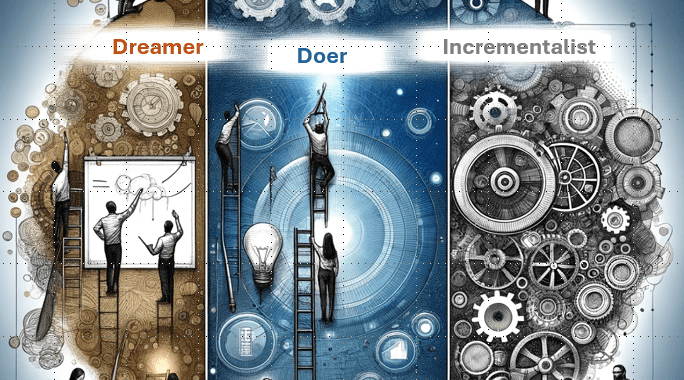
Optimising Team Dynamics: The Dreamer, Doer, and Incrementalist Framework

With over 30 years of experience in managing diverse teams, I’ve learnt that one of the key components of successful leadership is a deep understanding of your workforce’s character. Recognising the unique strengths and preferences of each individual not only enhances job satisfaction and personal development but also significantly boosts the overall productivity and harmony within the team. The Dream, Doer, and Incrementalist framework provides an invaluable tool in this regard, offering insights into effectively harnessing diverse talents and fostering an environment where innovative ideas, efficient execution, and continuous improvement thrive together.

The Dream, Doer, and Incrementalist framework offers a perspective on team dynamics and personal strengths within a professional environment. By analysing the characteristics, strengths, challenges, and synergistic potential of each type, organisations can optimise collaboration and enhance outcomes. This article delves into each of these aspects, providing a comprehensive understanding of how these personality types interact and contribute to success.

The Dreamer

Characteristics: Dreamers are visionary thinkers. They excel at big-picture thinking and are often the source of innovative ideas and ambitious goals. They thrive on possibilities and what could be, often pushing boundaries and challenging the status quo.

Strengths: The primary strength of Dreamers lies in their ability to envision and articulate a compelling future. They are great at motivating others and are often seen as charismatic leaders. Their creativity is a catalyst for innovation and inspiration within teams.

Challenges: Dreamers can sometimes struggle with the practical aspects of project execution. Their focus on visions can lead to difficulties in managing details or maintaining interest in the mundane aspects of implementation. They may also face challenges in setting realistic goals or timelines.

Examples: Visionary leaders like Steve Jobs or Elon Musk embody the Dreamer archetype, driving their companies towards groundbreaking innovations.

The Doer

Characteristics: Doers are action-oriented and pragmatic. They excel in environments where clear objectives and efficiency are prioritised. Doers are the workforce engines, turning ideas into reality through hard work and dedication.

Strengths: The primary strength of Doers lies in their ability to execute. They are dependable, often excel at managing resources, and can navigate the logistics of how to accomplish tasks effectively and efficiently.

Challenges: Doers may struggle with ambiguity and are less comfortable in situations where the goals are not clear or the pathway to them is not well defined. They may also be resistant to change and less receptive to abstract ideas that cannot be immediately acted upon.

Examples: Operations managers or project leads often fit the Doer profile, expertly translating strategic objectives into actionable plans and ensuring that goals are met on time.

The Incrementalist

Characteristics: Incrementalists are systematic thinkers who focus on gradual improvement. They excel at optimising processes and are adept at identifying and implementing small changes that cumulatively lead to significant improvements.

Strengths: Incrementalists bring a level of stability and continuous improvement to teams. They are great at problem-solving within existing frameworks and excel in environments where they can make iterative adjustments to enhance performance.

Challenges: Incrementalists may be perceived as overly cautious or resistant to radical change. Their preference for small, safe steps can sometimes hinder innovation or rapid adaptation in fast-paced environments.

Examples: Quality assurance managers or continuous improvement specialists who focus on refining processes and systems gradually are typical Incrementalists.

Collaboration and Team Dynamics

Dream and Doer: When Dreamers and Doers collaborate, they balance each other’s strengths. Dreamers provide the vision and motivation, while Doers handle the logistics and execution. This partnership can lead to high productivity and effective realisation of innovative ideas.

Dream and Incrementalist: This pairing can stabilise the radical ideas of the Dreamer with the practical, step-wise approach of the Incrementalist. It ensures that innovation is grounded in reality and is implemented progressively.

Doer and Incrementalist: Together, Doers and Incrementalists form an efficient and reliable team. They excel in environments that require high operational efficiency and risk management. However, this pairing might lack the creative spark provided by Dreamers.

All Three Together: When Dreamers, Doers, and Incrementalists work together, they form a powerful trio that can dream, plan, and refine continuously. This combination ensures that visionary ideas are not only executed efficiently but are also continuously improved upon.

Key Insights

Understanding the characteristics of Dreams, Doers, and Incrementalists allows organisations to form teams that can leverage diverse strengths. Effective management of these personalities requires recognising their unique contributions and challenges, and strategically pairing them to balance creativity, execution, and improvement. When these types are aligned with roles that suit their strengths, and when they are paired thoughtfully, they can significantly enhance team dynamics and drive successful outcomes.