
The Epiphany Moment of Euphoria in a Data Estate Development Project

In our technology-driven world, engineers pave the path forward, and there are moments of clarity and triumph that stand comparable to humanity’s greatest achievements. Learning at a young age from these achievements shape our way of thinking and can be a source of inspiration that enhances the way we solve problems in our daily lives. For me, one of these profound inspirations stems from an engineering marvel: the Paul Sauer Bridge over the Storms River in Tsitsikamma, South Africa – which I first visited in 1981. This arch bridge, completed in 1956, represents more than just a physical structure. It embodies a visionary approach to problem-solving, where ingenuity, precision, and execution converge seamlessly.

The Paul Sauer Bridge across the Storms River Gorge in South Africa.

The bridge’s construction involved a bold method: engineers built two halves of the arch on opposite sides of the gorge. Each section was erected vertically and then carefully pivoted downward to meet perfectly in the middle, completing the 100m span, 120m above the river. This remarkable feat of engineering required foresight, meticulous planning, and flawless execution – a true epiphany moment of euphoria when the pieces fit perfectly.

Now, imagine applying this same philosophy to building data estate solutions. Like the bridge, these solutions must connect disparate sources, align complex processes, and culminate in a seamless result where data meets business insights.

This blog explores how to achieve this epiphany moment in data projects by drawing inspiration from this engineering triumph.

The Parallel Approach: Top-Down and Bottom-Up

Building a successful data estate solution, I believe requires a dual approach, much like the simultaneous construction of both sides of the Storms River Bridge:

  1. Top-Down Approach:
    • Start by understanding the end goal: the reports, dashboards, and insights that your organization needs.
    • Focus on business requirements such as wireframe designs, data visualization strategies, and the decisions these insights will drive.
    • Use these goals to inform the types of data needed and the transformations required to derive meaningful insights.
  2. Bottom-Up Approach:
    • Begin at the source: identifying and ingesting the right raw data from various systems.
    • Ensure data quality through cleaning, validation, and enrichment.
    • Transform raw data into structured and aggregated datasets that are ready to be consumed by reports and dashboards.

These two streams work in parallel. The Top-Down approach ensures clarity of purpose, while the Bottom-Up approach ensures robust engineering. The magic happens when these two streams meet in the middle – where the transformed data aligns perfectly with reporting requirements, delivering actionable insights. This convergence is the epiphany moment of euphoria for every data team, validating the effort invested in discovery, planning, and execution.

When the Epiphany Moment Isn’t Euphoric

While the convergence of Top-Down and Bottom-Up approaches can lead to an epiphany moment of euphoria, there are times when this anticipated triumph falls flat. One of the most common reasons is discovering that the business requirements cannot be met as the source data is insufficient, incomplete, or altogether unavailable to meet the reporting requirements. These moments can feel like a jarring reality check, but they also offer valuable lessons for navigating data challenges.

Why This Happens

  1. Incomplete Understanding of Data Requirements:
    • The Top-Down approach may not have fully accounted for the granular details of the data needed to fulfill reporting needs.
    • Assumptions about the availability or structure of the data might not align with reality.
  2. Data Silos and Accessibility Issues:
    • Critical data might reside in silos across different systems, inaccessible due to technical or organizational barriers.
    • Ownership disputes or lack of governance policies can delay access.
  3. Poor Data Quality:
    • Data from source systems may be incomplete, outdated, or inconsistent, requiring significant remediation before use.
    • Legacy systems might not produce data in a usable format.
  4. Shifting Requirements:
    • Business users may change their reporting needs mid-project, rendering the original data pipeline insufficient.

The Emotional and Practical Fallout

Discovering such issues mid-development can be disheartening:

  • Teams may feel a sense of frustration, as their hard work in data ingestion, transformation, and modeling seems wasted.
  • Deadlines may slip, and stakeholders may grow impatient, putting additional pressure on the team.
  • The alignment between business and technical teams might fracture as miscommunications come to light.

Turning Challenges into Opportunities

These moments, though disappointing, are an opportunity to re-evaluate and recalibrate your approach. Here are some strategies to address this scenario:

1. Acknowledge the Problem Early

  • Accept that this is part of the iterative process of data projects.
  • Communicate transparently with stakeholders, explaining the issue and proposing solutions.

2. Conduct a Gap Analysis

  • Assess the specific gaps between reporting requirements and available data.
  • Determine whether the gaps can be addressed through technical means (e.g., additional ETL work) or require changes to reporting expectations.

3. Explore Alternative Data Sources

  • Investigate whether other systems or third-party data sources can supplement the missing data.
  • Consider enriching the dataset with external or public data.

4. Refine the Requirements

  • Work with stakeholders to revisit the original reporting requirements.
  • Adjust expectations to align with available data while still delivering value.

5. Enhance Data Governance

  • Develop clear ownership, governance, and documentation practices for source data.
  • Regularly audit data quality and accessibility to prevent future bottlenecks.

6. Build for Scalability

  • Future-proof your data estate by designing modular pipelines that can easily integrate new sources.
  • Implement dynamic models that can adapt to changing business needs.

7. Learn and Document the Experience

  • Treat this as a learning opportunity. Document what went wrong and how it was resolved.
  • Use these insights to improve future project planning and execution.

The New Epiphany: A Pivot to Success

While these moments may not bring the euphoria of perfect alignment, they represent an alternative kind of epiphany: the realisation that challenges are a natural part of innovation. Overcoming these obstacles often leads to a more robust and adaptable solution, and the lessons learned can significantly enhance your team’s capabilities.

In the end, the goal isn’t perfection – it’s progress. By navigating the difficulties of misalignment, incomplete or unavailable data with resilience and creativity, you’ll lay the groundwork for future successes and, ultimately, more euphoric epiphanies to come.

Steps to Ensure Success in Data Projects

To reach this transformative moment, teams must adopt structured practices and adhere to principles that drive success. Here are the key steps:

1. Define Clear Objectives

  • Identify the core business problems you aim to solve with your data estate.
  • Engage stakeholders to define reporting and dashboard requirements.
  • Develop a roadmap that aligns with organisational goals.

2. Build a Strong Foundation

  • Invest in the right infrastructure for data ingestion, storage, and processing (e.g., cloud platforms, data lakes, or warehouses).
  • Ensure scalability and flexibility to accommodate future data needs.

3. Prioritize Data Governance

  • Implement data policies to maintain security, quality, and compliance.
  • Define roles and responsibilities for data stewardship.
  • Create a single source of truth to avoid duplication and errors.

4. Embrace Parallel Development

  • Top-Down: Start designing wireframes for reports and dashboards while defining the key metrics and KPIs.
  • Bottom-Up: Simultaneously ingest and clean data, applying transformations to prepare it for analysis.
  • Use agile methodologies to iterate and refine both streams in sync.

5. Leverage Automation

  • Automate data pipelines for faster and error-free ingestion and transformation.
  • Use tools like ETL frameworks, metadata management platforms, and workflow orchestrators.

6. Foster Collaboration

  • Establish a culture of collaboration between business users, analysts, and engineers.
  • Encourage open communication to resolve misalignments early in the development cycle.

7. Test Early and Often

  • Validate data accuracy, completeness, and consistency before consumption.
  • Conduct user acceptance testing (UAT) to ensure the final reports meet business expectations.

8. Monitor and Optimize

  • After deployment, monitor the performance of your data estate.
  • Optimize processes for faster querying, better visualization, and improved user experience.

Most Importantly – do not forget that the true driving force behind technological progress lies not just in innovation but in the people who bring it to life. Investing in the right individuals and cultivating a strong, capable team is paramount. A team of skilled, passionate, and collaborative professionals forms the backbone of any successful venture, ensuring that ideas are transformed into impactful solutions. By fostering an environment where talent can thrive – through mentorship, continuous learning, and shared vision – organisations empower their teams to tackle complex challenges with confidence and creativity. After all, even the most groundbreaking technologies are only as powerful as the minds and hands that create and refine them.

Conclusion: Turning Vision into Reality

The Storms River Bridge stands as a symbol of human achievement, blending design foresight with engineering excellence. It teaches us that innovation requires foresight, collaboration, and meticulous execution. Similarly, building a successful data estate solution is not just about connecting systems or transforming data – it’s about creating a seamless convergence where insights meet business needs. By adopting a Top-Down and Bottom-Up approach, teams can navigate the complexities of data projects, aligning technical execution with business needs.

When the two streams meet – when your transformed data delivers perfectly to your reporting requirements – you’ll experience your own epiphany moment of euphoria. It’s a testament to the power of collaboration, innovation, and relentless dedication to excellence.

In both engineering and technology, the most inspiring achievements stem from the ability to transform vision into reality. The story of the Paul Sauer Bridge teaches us that innovation requires foresight, collaboration, and meticulous execution. Similarly, building a successful data estate solution is not just about connecting systems or transforming data, it’s about creating a seamless convergence where insights meet business needs.

The journey isn’t always smooth. Challenges like incomplete data, shifting requirements, or unforeseen obstacles can test our resilience. However, these moments are an opportunity to grow, recalibrate, and innovate further. By adopting structured practices, fostering collaboration, and investing in the right people, organizations can navigate these challenges effectively.

Ultimately, the epiphany moment in data estate development is not just about achieving alignment, it’s about the collective people effort, learning, and perseverance that make it possible. With a clear vision, a strong foundation, and a committed team, you can create solutions that drive success and innovation, ensuring that every challenge becomes a stepping stone toward greater triumphs.

Top 10 Strategic Technology Trends for 2025 -Aligning Your Technology Strategy

A Guide for Forward-Thinking CIOs

As 2025 approaches, organisations must prepare for a wave of technological advancements that will shape the business landscape. This year’s Gartner Top Strategic Technology Trends serves as a roadmap for CIOs and IT leaders, guiding them to navigate a future marked by both opportunity and challenge. These trends reveal new ways to overcome obstacles in productivity, security, and innovation, helping organisations embrace a future driven by responsible innovation.

Planning for the Future: Why These Trends Matter

CIOs and IT leaders face unprecedented social and economic shifts. To thrive in this environment, they need to look beyond immediate challenges and position themselves for long-term success. Gartner’s Top Strategic Technology Trends for 2025 encapsulates the transformative technologies reshaping how organisations operate, compete, and grow. Each trend provides a pathway towards enhanced operational efficiency, security, and engagement, serving as powerful tools for navigating the future.

Using Gartner’s Strategic Technology Trends to Shape Tomorrow

Gartner has organised this year’s trends into three main themes: AI imperatives and risks, new frontiers of computing, and human-machine synergy. Each theme presents a unique perspective on technology’s evolving role in business and society, offering strategic insights to help organisations innovate responsibly.


Theme 1: AI Imperatives and Risks – Balancing Innovation with Safety

1. Agentic AI

Agentic AI represents the next generation of autonomous systems capable of planning and acting to achieve user-defined goals. By creating virtual agents that work alongside human employees, businesses can improve productivity and efficiency.

  • Benefits: Virtual agents augment human work, enhance productivity, and streamline operations.
  • Challenges: Agentic AI requires strict guardrails to align with user intentions and ensure responsible use.

2. AI Governance Platforms

AI governance platforms are emerging to help organisations manage the ethical, legal, and operational facets of AI, providing transparency and building trust.

  • Benefits: Enables policy management for responsible AI, enhances transparency, and builds accountability.
  • Challenges: Consistency in AI governance can be difficult due to varied guidelines across regions and industries.

3. Disinformation Security

As misinformation and cyber threats increase, disinformation security technologies are designed to verify identity, detect harmful narratives, and protect brand reputation.

  • Benefits: Reduces fraud, strengthens identity validation, and protects brand reputation.
  • Challenges: Requires adaptive, multi-layered security strategies to stay current against evolving threats.

Theme 2: New Frontiers of Computing – Expanding the Possibilities of Technology

4. Post-Quantum Cryptography (PQC)

With quantum computing on the horizon, PQC technologies are essential for protecting data from potential decryption by quantum computers.

  • Benefits: Ensures data protection against emerging quantum threats.
  • Challenges: PQC requires rigorous testing and often needs to replace existing encryption algorithms, which can be complex and costly.

5. Ambient Invisible Intelligence

This technology integrates unobtrusively into the environment, enabling real-time tracking and sensing while enhancing the user experience.

  • Benefits: Enhances efficiency and visibility with low-cost, intuitive technology.
  • Challenges: Privacy concerns must be addressed, and user consent obtained, for certain data uses.

6. Energy-Efficient Computing

Driven by the demand for sustainability, energy-efficient computing focuses on greener computing practices, optimised architecture, and renewable energy.

  • Benefits: Reduces carbon footprint, meets sustainability goals, and addresses regulatory and commercial pressures.
  • Challenges: Requires substantial investment in new hardware, training, and tools, which can be complex and costly to implement.

7. Hybrid Computing

Hybrid computing blends multiple computing methods to solve complex problems, offering a flexible approach for various applications.

  • Benefits: Unlocks new levels of AI performance, enables real-time personalisation, and supports automation.
  • Challenges: The complexity of these systems and the need for specialised skills can present significant hurdles.

Theme 3: Human-Machine Synergy – Bridging Physical and Digital Worlds

8. Spatial Computing

Spatial computing utilises AR and VR to create immersive digital experiences, reshaping sectors like gaming, healthcare, and e-commerce.

  • Benefits: Enhances user experience with immersive interactions, meeting demands in gaming, education, and beyond.
  • Challenges: High costs, complex interfaces, and data privacy concerns can limit adoption.

9. Polyfunctional Robots

With the ability to switch between tasks, polyfunctional robots offer flexibility, enabling faster return on investment without significant infrastructure changes.

  • Benefits: Provides scalability and flexibility, reduces reliance on specialised labour, and improves ROI.
  • Challenges: Lack of industry standards on price and functionality makes adoption unpredictable.

10. Neurological Enhancement

Neurological enhancement technologies, such as brain-machine interfaces, have the potential to enhance cognitive abilities, creating new opportunities for personalised education and workforce productivity.

  • Benefits: Enhances human skills, improves safety, and supports longevity in the workforce.
  • Challenges: Ethical concerns, high costs, and security risks associated with direct brain interaction present significant challenges.

Embrace the Future with Responsible Innovation

As 2025 nears, these technological trends provide organisations with the strategic insights needed to navigate a rapidly evolving landscape. Whether adopting AI-powered agents, protecting against quantum threats, or integrating human-machine interfaces, these trends offer a framework for responsible and innovative growth. Embracing them will allow CIOs and IT leaders to shape a future where technology serves as a bridge to more efficient, ethical, and impactful business practices.

Ready to Dive Deeper?

Partnering with RenierBotha Ltd (reierbotha.com) provides your organisation with the expertise needed to seamlessly align your technology strategy with emerging trends that will shape the future of business. With a focus on driving digital transformation through strategic planning, RenierBotha Ltd helps organisations incorporate top technology advancements into their digital ambitions, ensuring that each step is optimised for impact, scalability, and long-term success. By leveraging our deep industry knowledge, innovative approaches, and tailored solutions, RenierBotha Ltd empowers your team to navigate complex challenges, integrate cutting-edge technologies, and lead responsibly in a rapidly evolving digital landscape. Together, we can shape a future where technology and business strategies converge to unlock sustainable growth, resilience, and a competitive edge.

Strategic Steps for Implementing Generative AI in Your Enterprise

Generative AI (GenAI) has rapidly become a focal point of technological innovation, capturing the attention of enterprises across the globe. While the majority of organisations are still exploring the potential of AI, a select few have already mastered its deployment across various business units, achieving remarkable success. According to Gartner, these AI-savvy organisations represent just 10% of those currently experimenting with AI. However, their experiences provide invaluable insights for those looking to harness GenAI’s power effectively. This blog post outlines a strategic four-step approach to help enterprises implement GenAI in a manner that is both valuable and feasible.

1. Establish Your Vision for GenAI

The foundation of any successful GenAI implementation is a clear and strategic vision. Begin by defining how GenAI will contribute to your enterprise’s overarching goals. Consider the specific benefits you expect GenAI to deliver and how these will be measured. A well-articulated vision aligns your GenAI initiatives with your enterprise’s mission, ensuring that AI efforts are purposeful and integrated into broader business strategies.

For example, if your enterprise aims to enhance customer satisfaction, GenAI can play a crucial role by enabling advanced customer behaviour analytics or deploying virtual customer assistants. By linking GenAI objectives directly to enterprise goals, you foster organisation-wide fluency and pave the way for innovation that yields measurable returns.

2. Remove Barriers to Capturing Value

Once the vision is established, it’s essential to identify and eliminate any organisational barriers that could impede the realisation of GenAI’s potential. These barriers may include regulatory challenges, reputational risks, or competency gaps. Addressing these issues early on is crucial to maximising the value of your GenAI initiatives.

Strategic concerns, such as aligning AI projects with corporate goals, should be documented and addressed through a portfolio approach to AI opportunities. Metrics that serve as proxies for financial and risk outcomes should be selected to provide credibility and guide project maturity. Establishing formal accountability structures, such as a RACI (Responsible, Accountable, Consulted, and Informed) matrix, can further bolster AI results by clarifying roles and responsibilities throughout the AI strategy development and execution process.

By proactively addressing these barriers, you not only mitigate potential risks but also ensure that your GenAI initiatives are aligned with your organisation’s broader goals, increasing the likelihood of success.

3. Assess and Mitigate Risks

Implementing GenAI introduces a unique set of risks that need to be carefully assessed and mitigated. These risks can be broadly categorised into regulatory, reputational, and competency-related concerns. Each of these carries its own set of challenges:

  • Regulatory Risks: As AI technologies evolve, so too does the regulatory landscape. It is critical to stay informed about relevant regulations and ensure that your GenAI projects comply with these requirements. Establishing a collaborative framework between AI practitioners and legal, risk, and security teams can help evaluate the feasibility of AI use cases while maintaining compliance.
  • Reputational Risks: AI systems can be vulnerable to both intentional and unintentional misuse, potentially harming your organisation’s reputation. Implementing robust security measures across your enterprise, ensuring data integrity, and continuously monitoring AI models can help safeguard against these risks.
  • Competency Risks: The rapid pace of AI innovation can create a gap between your organisation’s current technical capabilities and what is required to effectively deploy GenAI. To bridge this gap, align your AI strategy with your cloud strategy, modernise data and analytics infrastructures, and consider creating programmes that foster incremental innovation and reduce technical debt.

By systematically identifying and addressing these risks, you can protect your organisation from potential setbacks and ensure that your GenAI initiatives are both safe and effective.

4. Prioritise Adoption Based on Value and Feasibility

Not all GenAI initiatives are created equal. To maximise the impact of your AI strategy, it is crucial to prioritise projects that offer the greatest value and are most feasible to implement. Begin by evaluating each potential project against a set of criteria, such as technical feasibility, alignment with your organisation’s mission, and the availability of necessary skills and resources.

Rate each project on its feasibility and value, and use these scores to rank initiatives. Projects that score high on both scales are ideal candidates for immediate pursuit, as they are likely to deliver significant business value with a reasonable chance of success. Conversely, projects with low feasibility, despite their potential value, may need to be reconsidered or postponed until the necessary conditions are in place.

By taking a methodical approach to prioritisation, you can ensure that your resources are directed towards the most promising GenAI initiatives, leading to more effective and impactful AI adoption.

Conclusion: A Strategic Approach to GenAI Implementation

Successfully implementing Generative AI in your enterprise requires more than just technical expertise—it demands a strategic approach that aligns AI initiatives with your business goals, removes barriers to value capture, mitigates risks, and prioritises projects based on their potential impact. By following the four steps outlined in this guide—establishing a clear vision, removing obstacles, assessing risks, and prioritising initiatives—you can set the stage for a GenAI strategy that drives real, measurable benefits for your organisation.

As with any transformative technology, the key to success lies in careful planning and execution. By learning from the experiences of AI pioneers and applying these best practices, your enterprise can navigate the complexities of GenAI adoption and unlock its full potential to drive innovation and growth.

Harnessing the Power of Generative AI: A Blueprint for Business Success

For businesses to stay relevant and ahead of the competition requires embracing cutting-edge technologies. One such transformative technology is generative AI. This blog post delves into how generative AI can revolutionise business operations, enhance creativity, and foster innovation. By establishing an AI Centre of Excellence, companies can effectively integrate AI into their workflows, empowering employees and driving efficiency. Whether you’re a large enterprise or a nimble start-up, this guide provides valuable insights into harnessing the power of generative AI to propel your business into the future. Join us as we explore the potential of AI and its impact on the modern workplace.

The Potential of Generative AI

Generative AI, when harnessed correctly, has the power to revolutionise the way companies operate, innovate, and compete. The key to unlocking this potential lies in establishing an AI Centre of Excellence (CoE) that integrates IT with learning and development to meet business needs.

Establishing an AI Centre of Excellence

An AI Centre of Excellence is not exclusive to large enterprises; even smaller companies can set one up. In fact, smaller businesses can be more agile and flexible, enabling them to outpace larger competitors in AI adoption. The CoE requires a two-pronged approach: learning from external best practices and understanding internal AI usage.

Learning from Generative AI Best Practices

Look Outward: The first step is to observe how other companies have successfully integrated AI into their operations. These companies serve as valuable case studies, showcasing both successes and challenges. For example, some companies use AI for creative content generation in marketing, while others apply it to predict customer behaviour in sales. By studying these practices, businesses can formulate a unified AI strategy.

Look Inward: The second step is an internal audit to understand how employees are currently using generative AI. This can reveal unexpected insights and areas for improvement. Encouraging employees to share their AI experiences fosters a culture of innovation and makes AI integration a company-wide effort.

Overcoming Integration Challenges

Many companies face challenges when integrating AI into their workflows. However, initial evidence suggests that AI can boost individual productivity by 20% to 70%, with output quality often surpassing non-AI-assisted tasks. This highlights AI’s potential as a personal productivity tool, especially when used by experts in their fields.

Despite this, AI currently enhances individual productivity more than organisational productivity. As noted by Ethan Mollick from the Wharton School, AI can be unpredictable and error-prone, making it difficult to scale across an organisation. However, recognising AI’s potential as a personal productivity tool and leveraging it within your organisation can empower employees and improve efficiency. As AI technology evolves, it will become more reliable and scalable, eventually enhancing overall organisational productivity.

Key Principles for a Successful AI Centre of Excellence

Once a company has gathered the necessary information, the next step is to establish an AI Centre of Excellence. This centre should be co-led by teams from IT and HR, combining technical expertise with a focus on learning and development. The CoE serves as a hub for AI-related activities, providing guidance, setting best practices, and ensuring alignment across departments.

To ensure success, the AI Centre of Excellence should adhere to the following guiding principles:

  1. Clear Vision and Mission: Define the strategic objectives of the CoE and align them with the overall business strategy. For example, if the goal is to leverage AI for content creation, the mission could be to develop and implement best practices in this area.
  2. Foster Collaboration and Communication: Act as a bridge between departments, facilitating the sharing of knowledge and best practices. For instance, insights from the marketing team’s use of AI can benefit other departments through the CoE.
  3. Focus on Continuous Improvement: Regularly review and refine processes to remain effective and relevant. Stay updated with the latest AI technologies and incorporate them into the company’s practices.
  4. Promote a Culture of Learning and Development: Provide training and resources to enhance employees’ AI skills and knowledge. Offer workshops on using generative AI tools and resources for self-learning.

Serving Business Operations Through an AI Centre of Excellence

The ultimate goal of establishing an AI Centre of Excellence is to enhance business operations. Generative AI can streamline processes, improve efficiency, and drive innovation. By learning from others, understanding internal usage, and centralising AI initiatives, companies can harness AI’s potential and transform their operations.

The CoE plays a crucial role in this transformation, guiding the integration of AI into business operations. Whether it’s automating routine tasks, generating creative content, or predicting market trends, the CoE ensures these initiatives align with strategic objectives and best practices.

For example, to streamline customer service operations with AI, the CoE could develop a roadmap, identify the best AI tools, train staff, and set up a system for monitoring and improvement.

Moreover, the CoE fosters a culture of continuous learning and innovation, keeping the company up-to-date with AI advancements, encouraging exploration of new AI applications, and promoting experimentation and risk-taking.

Conclusion: GenAI – A Path to Growth and Success

The journey towards effective use of generative AI may seem daunting, but with the right approach, it can lead to unprecedented growth and success. Embrace the potential of AI, establish your Centre of Excellence, and watch as AI propels your business into the future.

Remember, the future of business lies in not just adopting new technologies, but understanding, integrating, and using them to drive operational excellence. Let the Centre of Excellence be your guide on this journey towards a future powered by generative AI.

Are you ready to unlock the full potential of generative AI and transform your business operations? At renierbotha Ltd, we specialise in helping companies of all sizes establish AI Centres of Excellence, ensuring seamless integration of AI technologies into your workflow. Our team of experts is dedicated to providing tailored solutions that drive innovation, enhance efficiency, and give you a competitive edge.

Get in touch with renierbotha Ltd today to start your journey towards a future powered by generative AI. Contact us directly to learn more about how we can support your AI initiatives and help your business thrive in the modern landscape.

Harnessing the Power of Artificial Intelligence and Machine Learning

Day 1 of Renier Botha’s 10-Day Blog Series on Navigating the Future: The Evolving Role of the CTO

Artificial Intelligence (AI) and Machine Learning (ML) have swiftly transitioned from futuristic concepts to fundamental components of modern business strategy. These technologies are revolutionizing industries by enhancing business processes and significantly improving customer experiences. For Chief Technology Officers (CTOs), understanding and leveraging AI and ML is essential to gaining a competitive edge in today’s fast-paced market.

The Transformative Power of AI and ML

AI and ML are not just buzzwords, they are transformative technologies that are reshaping industries. According to Sundar Pichai, CEO of Alphabet Inc., “AI is probably the most important thing humanity has ever worked on. I think of it as something more profound than electricity or fire.”

Enhancing Business Processes

AI and ML enhance business processes by automating repetitive tasks, improving decision-making, and enabling predictive analytics. For example, in manufacturing, AI-powered predictive maintenance systems can anticipate equipment failures before they occur, reducing downtime and saving costs. General Electric (GE) has implemented AI-driven predictive maintenance in its industrial operations, resulting in a 20% reduction in maintenance costs.

In the finance sector, AI algorithms analyze vast amounts of data to detect fraudulent activities in real-time. JPMorgan Chase’s COiN platform uses ML to review legal documents and extract critical data points, a task that previously took thousands of hours of manual review. This automation has drastically increased efficiency and accuracy.

Improving Customer Experiences

AI and ML also play a crucial role in enhancing customer experiences. Personalization is a prime example. Companies like Amazon and Netflix use ML algorithms to analyze user behavior and preferences, providing personalized recommendations that enhance customer satisfaction and loyalty. Reed Hastings, CEO of Netflix, stated, “Machine learning is the foundation for creating a personalized experience on a global scale.”

Chatbots and virtual assistants, powered by AI, offer another way to improve customer service. These tools provide instant responses to customer inquiries, handle routine tasks, and escalate complex issues to human agents. For instance, Bank of America’s virtual assistant, Erica, helps customers with banking transactions and financial advice, improving overall customer engagement and satisfaction.

Strategies for CTOs to Leverage AI and ML

To harness the power of AI and ML effectively, CTOs need to implement strategic approaches that align with their organization’s goals.

1. Building a Data-Driven Culture

AI and ML thrive on data. CTOs must foster a data-driven culture where data is seen as a valuable asset. This involves investing in data management, data cloud platforms and associated profesional data management and analytics tools, ensuring data quality, and promoting data literacy across the organization. As DJ Patil, former U.S. Chief Data Scientist, said, “Data science is a team sport.”

2. Investing in Talent and Training

The success of AI and ML initiatives depends on skilled talent. CTOs should invest in hiring and training data scientists, AI specialists, and ML engineers. Continuous learning and development programs help keep the team updated with the latest advancements in the field.

3. Collaborating with Experts

Collaborating with AI and ML experts, whether through partnerships with tech companies, research institutions, or hiring consultants, can provide valuable insights and accelerate AI adoption. For example, Airbus partnered with Palantir Technologies to develop Skywise, a data platform that improves aircraft maintenance and operations.

4. Implementing Scalable Infrastructure

AI and ML require significant computational power. CTOs should ensure their infrastructure can scale to meet the demands of AI workloads. Cloud-based solutions like AWS, Google Cloud, and Microsoft Azure offer scalable and cost-effective platforms for AI and ML applications.

5. Focusing on Ethical AI

As AI becomes more integrated into business processes, ethical considerations become paramount. CTOs must ensure that their AI systems are transparent, fair, and accountable. Addressing biases in AI algorithms and safeguarding data privacy are critical steps in building trust with customers and stakeholders.

Real-World Examples

Healthcare

In healthcare, AI and ML are driving innovations in diagnostics and treatment. IBM’s Watson Health uses AI to analyze medical data and provide insights for cancer treatment, helping doctors make more informed decisions. The technology has shown promise in identifying patterns that human doctors might miss, potentially leading to earlier and more accurate diagnoses.

Retail

Retailers are using AI to optimize inventory management and enhance the shopping experience. Zara, the global fashion retailer, employs AI to predict fashion trends and manage stock levels, ensuring that popular items are always available while minimizing overstock. This approach has improved operational efficiency and customer satisfaction.

Transportation

In transportation, AI-powered systems are enhancing safety and efficiency. Tesla’s Autopilot uses ML to improve its self-driving capabilities, learning from millions of miles driven by Tesla vehicles. This continuous learning loop enhances the system’s ability to navigate complex driving environments and improve overall safety.

Conclusion

AI and ML are no longer optional for businesses aiming to stay competitiv -they are essential. By harnessing these technologies, CTOs can transform business processes, enhance customer experiences, and drive innovation. As Satya Nadella, CEO of Microsoft, aptly puts it, “AI is the defining technology of our time.”

For CTOs, the journey of integrating AI and ML into their organizations is both challenging and rewarding. By building a data-driven culture, investing in talent, collaborating with experts, implementing scalable infrastructure, and focusing on ethical AI, they can unlock the full potential of these transformative technologies and lead their organizations into the future.

Read more blog post on AI here : https://renierbotha.com/tag/ai/

Stay tuned as we delve deeper into these topics and more in our 10-day blog series, “Navigating the Future: A 10-Day Blog Series on the Evolving Role of the CTO” by Renier Botha.

Visit www.renierbotha.com for more insights and expert advice.

Essential AI Skills for Professionals in Every Sector

The demand for AI skills is no longer confined to the tech industry. From finance to healthcare, retail to manufacturing, artificial intelligence is reshaping how businesses operate and compete. As AI becomes increasingly integrated into various aspects of business processes, having AI skills is becoming a core requirement for professionals across all sectors.

Why AI Skills Are Essential

  • Automation and Efficiency: AI technologies are driving automation in routine and complex tasks, improving efficiency and accuracy. Employees who understand how to leverage AI tools can significantly enhance productivity, streamline operations, and reduce errors.
  • Data-Driven Decision Making: Businesses today collect massive amounts of data. AI helps in analysing this data to derive actionable insights. Professionals equipped with AI skills can interpret these insights to make informed decisions that drive business growth and innovation.
  • Competitive Edge: Incorporating AI into business strategies provides a competitive advantage. Companies that can develop and implement AI solutions can differentiate themselves in the market. Employees with AI expertise are therefore crucial for maintaining and advancing this edge.

Key Technical AI Skills in Demand

  1. Machine Learning (ML): Understanding machine learning algorithms and their applications is vital. Professionals should be able to develop, train, and deploy ML models to solve business problems.
  2. Data Science: Skills in data collection, cleaning, and analysis are fundamental. Knowledge of programming languages like Python and R, along with experience in data visualization tools, is highly sought after.
  3. Natural Language Processing (NLP): NLP skills are essential for working with text data and developing applications like chatbots, sentiment analysis, and language translation.
  4. AI Ethics and Governance: As AI usage grows, so does the importance of ethical considerations. Professionals need to be aware of the ethical implications of AI, including issues of bias, transparency, and accountability.
  5. AI Integration: Understanding how to integrate AI solutions into existing systems and workflows is crucial. This includes skills in APIs, cloud computing, and software development.

How to Acquire AI Skills

  • Online Courses and Certifications: There are numerous online platforms offering courses in AI and ML, such as Coursera, edX, Udemy and Udacity. Earning certifications from these platforms can bolster your resume and provide foundational knowledge.
  • Hands-On Projects: Practical experience is invaluable. Working on real-world projects, participating in hackathons, or contributing to open-source AI projects can provide practical insights and experience.
  • Advanced Degrees: Pursuing a degree in data science, computer science, or related fields can provide a deeper understanding of AI technologies and methodologies.
  • Company Training Programs: Many organisations offer in-house training programs to upskill their employees in AI. Taking advantage of these opportunities can help you stay current with industry trends and technologies.

AI Skills for Business Employees: Enhancing Efficiency and Boosting Productivity

As AI permeates every aspect of business operations, employees who are not directly involved in technical roles also need to acquire certain AI skills. These skills empower them to utilise AI tools effectively in their daily tasks, thereby enhancing efficiency and boosting productivity. Here are some key AI skills that are particularly beneficial for business employees:

Essential AI Skills for Business Employees

  1. Understanding AI Tools and Platforms: Business employees should become familiar with various AI tools and platforms that can automate routine tasks, such as customer relationship management (CRM) systems with AI capabilities, project management tools, and virtual assistants. Knowledge of how to use these tools effectively can streamline workflows and reduce the time spent on repetitive tasks.
  2. Data Literacy: Data literacy involves understanding how to interpret and use data effectively. Employees should be able to work with data, understand its sources, assess its quality, and derive insights using AI-powered analytics tools. This skill is crucial for making data-driven decisions and identifying trends and patterns that can inform business strategies.
  3. Basic Programming Knowledge: While not every business employee needs to be a coding expert, having a basic understanding of programming languages like Python or R can be beneficial. This knowledge enables employees to perform simple data manipulations, automate tasks, and customize AI tools to better fit their specific needs.
  4. Data Visualization: Being able to visualize data effectively helps in presenting complex information in an easily understandable format. Familiarity with AI-powered data visualization tools, such as Tableau or Power BI, can help employees create impactful reports and presentations that drive better decision-making.
  5. Process Automation: Robotic Process Automation (RPA) tools allow employees to automate repetitive and mundane tasks, freeing up time for more strategic activities. Understanding how to implement and manage RPA solutions can lead to significant productivity gains.
  6. Natural Language Processing (NLP) for Communication: NLP tools can enhance communication and customer service through applications like chatbots and automated response systems. Employees should understand how to use these tools to improve customer interactions and support services efficiently.
  7. AI-Enhanced Marketing Tools: In marketing, AI tools can optimize campaigns, analyze consumer behavior, and personalize customer experiences. Employees in marketing roles should be adept at using these tools to increase the effectiveness of their campaigns and achieve better ROI.
  8. Ethical AI Usage: Understanding the ethical implications of AI is important for ensuring that AI applications are used responsibly. Business employees should be aware of issues like data privacy, algorithmic bias, and transparency to ensure their use of AI aligns with ethical standards and regulations.

Practical Applications in Daily Work

  • Customer Service: AI chatbots and virtual assistants can handle routine customer inquiries, providing quick and efficient service while freeing up human agents to tackle more complex issues.
  • Sales Forecasting: AI-powered analytics tools can predict sales trends and customer behaviors, helping sales teams to make more accurate forecasts and better allocate resources.
  • Marketing Automation: AI can automate email campaigns, social media posts, and content recommendations, ensuring timely and personalized communication with customers.
  • Financial Analysis: AI tools can analyze financial data to detect anomalies, forecast trends, and assist in budgeting and financial planning, enabling more informed financial decisions.
  • Human Resources: AI can streamline recruitment processes by screening resumes, scheduling interviews, and even conducting preliminary interviews through AI-powered chatbots.
  • Supply Chain Management: AI can optimize supply chain operations by predicting demand, managing inventory, and identifying potential disruptions before they impact the business.

Conclusion

As AI continues to transform industries, having AI skills is becoming essential for professionals across all sectors. The ability to understand, develop, and implement AI solutions is no longer a niche skill set but a core requirement. Investing in AI education and gaining hands-on experience will not only enhance your career prospects but also contribute to the growth and innovation of your organization. In a world where AI is increasingly prevalent, those who embrace and master these skills will lead the charge in the future of work.

Incorporating AI skills into the daily work of business employees not only enhances efficiency but also boosts overall productivity. By understanding and leveraging AI tools and platforms, business employees can automate mundane tasks, make data-driven decisions, and contribute more strategically to their organizations. As AI continues to evolve, staying abreast of these skills will be crucial for maintaining competitiveness and driving business success.

The Transformative Impact of AI in the Workplace

In just a few short years, the landscape of work as we know it has undergone a dramatic transformation, driven largely by the rapid evolution of artificial intelligence (AI). What once seemed like futuristic technology is now an integral part of our daily professional lives, reshaping industries, workflows, and job markets at an unprecedented pace. From enhancing productivity and creativity to redefining job roles and career paths, AI’s influence is profound and far-reaching. This post delves into the findings of the 2024 Work Trend Index, offering a comprehensive look at how AI is revolutionising the workplace and setting the stage for future innovations.

The 2024 Work Trend Index, released jointly by Microsoft and LinkedIn, provides an in-depth look at how AI is reshaping the workplace and the broader labor market. This comprehensive report, based on data from 31,000 individuals across 31 countries, offers valuable insights into the current state and future trajectory of AI in professional settings.

The Proliferation of AI in the Workplace

In the past year, generative AI has emerged as a transformative force, fundamentally changing how employees interact with technology. The relentless pace of work, accelerated by the pandemic, has driven employees to adopt AI tools on a significant scale. However, while leaders acknowledge AI’s critical role in maintaining competitiveness, many are still grappling with how to implement and measure its impact effectively.

Key Findings from the Work Trend Index

  1. Employee-Driven AI Adoption:
    • Widespread AI Usage: A significant 75% of knowledge workers are now integrating AI into their daily tasks.
    • Productivity Boosts: AI is helping employees save time, enhance creativity, and focus on essential work.
    • Leadership Challenges: Despite the widespread use of AI, many leaders find it difficult to quantify its productivity gains and feel unprepared to create a comprehensive AI strategy.
  2. AI’s Influence on the Job Market:
    • Talent Shortages: More than half of business leaders (55%) express concerns about filling open positions, especially in fields like cybersecurity, engineering, and creative design.
    • Career Shifts: With a high number of professionals considering career changes, AI skills are becoming increasingly crucial. LinkedIn data reveals a significant rise in professionals adding AI competencies to their profiles.
    • Training Disparities: While leaders prefer hiring candidates with AI expertise, only 39% of employees have received formal AI training from their employers, prompting many to upskill independently.
  3. Emergence of AI Power Users:
    • Workflow Optimisation: Power users of AI have restructured their workdays, saving significant time and improving job satisfaction.
    • Supportive Work Environments: These users often work in companies where leadership actively promotes AI usage and provides tailored training.

Enhancing AI Utilisation with Copilot for Microsoft 365

To address the challenges of effectively utilising AI, Microsoft has introduced a suite of new features in Copilot for Microsoft 365. These innovations are meticulously designed to simplify AI interactions, making them more intuitive and significantly enhancing overall productivity. Here’s a closer look at the key features:

  • Prompt Auto-Completion: One of the standout features of Copilot for Microsoft 365 is the Prompt Auto-Completion tool. This functionality aims to streamline the process of interacting with AI by offering intelligent suggestions to complete user prompts. Here’s how it works:
    • Contextual Suggestions: When users begin typing a prompt, Copilot leverages contextual understanding to offer relevant completions. This helps in formulating more precise queries or commands, saving users time and effort.
    • Enhanced Creativity: By providing detailed and nuanced suggestions, Prompt Auto-Completion helps users explore new ways to leverage AI, sparking creativity and innovation in task execution.
    • Efficiency Boost: This feature reduces the cognitive load on users, allowing them to focus on critical aspects of their work while Copilot handles the intricacies of prompt formulation.
  • Rewrite Feature: The Rewrite Feature is another powerful tool within Copilot for Microsoft 365, designed to elevate the quality of AI interactions:
    • Transformation of Basic Prompts: Users can input basic, rudimentary prompts, and the Rewrite Feature will enhance them into rich, detailed commands. This ensures that users can maximize the capabilities of AI without needing to craft complex prompts themselves.
    • User Empowerment: This feature empowers all users, regardless of their technical proficiency, to harness the full potential of AI. It acts as a bridge, turning simple ideas into fully realised AI-driven solutions.
    • Consistency and Accuracy: By refining prompts, the Rewrite Feature helps in achieving more accurate and consistent results from AI, leading to better decision-making and outcomes.
  • Catch Up Interface: The Catch Up Interface is an innovative chat-based feature designed to keep users informed and prepared, enhancing their ability to manage tasks effectively:
    • Personalised Insights: This interface provides personalized insights based on the user’s recent activities and interactions. It surfaces relevant information, such as project updates, deadlines, and upcoming meetings, tailored to the individual’s workflow.
    • Responsive Recommendations: Catch Up Interface offers proactive recommendations, like preparing for meetings by providing detailed notes or suggesting resources. These recommendations are dynamically generated, helping users stay ahead of their schedule.
  • Streamlined Communication: By consolidating essential information into an easy-to-navigate chat format, this feature ensures that users have quick access to what they need, reducing the time spent searching for information and improving overall efficiency.
  • Seamless Integration and User Experience: These features within Copilot for Microsoft 365 are designed to work seamlessly together, providing a cohesive and intuitive user experience. The integration of these tools into daily workflows means that users can interact with AI in a more natural and productive manner. The aim is to not only simplify AI utilisation but also to enhance the overall quality of work by leveraging AI’s full potential.

The introduction of these advanced features in Copilot for Microsoft 365 marks a significant step forward in AI utilisation within the workplace. By simplifying interactions, enhancing prompt formulation, and providing personalised insights, Microsoft is making it easier for employees to integrate AI into their daily tasks. These innovations are set to transform the way we work, driving productivity and fostering a more creative and efficient work environment. As AI continues to evolve, tools like Copilot for Microsoft 365 will be crucial in helping businesses and employees stay competitive and ahead of the curve.

The Introduction of AI-Enabled PCs

Building on the momentum of AI integration, Microsoft has launched the CoPilot+ PC, marking a significant advancement in personal computing. This AI-enabled PC, powered by state-of-the-art processor technology, is designed to maximise AI capabilities, offering several key benefits:

  • Enhanced Performance: The new processors significantly boost computing power, enabling faster data processing and more efficient multitasking. This ensures that AI applications run smoothly, enhancing overall user experience.
  • Seamless AI Integration: CoPilot+ PCs are optimised to work seamlessly with AI tools like Microsoft 365’s Copilot, providing users with intuitive and responsive AI interactions that streamline workflows and boost productivity.
  • Improved Multitasking: With advanced hardware designed to handle multiple AI-driven tasks simultaneously, users can manage their workload more effectively, reducing downtime and increasing efficiency.
  • User-Friendly Experience: These PCs are designed to be user-friendly, making it easier for individuals to harness AI technology without needing extensive technical knowledge.

The launch of the CoPilot+ PC represents a significant leap forward in how hardware and AI can combine to enhance productivity and efficiency in the workplace. This innovation underscores the critical role that advanced technology will continue to play in driving the future of work.

Conclusion

The 2024 Work Trend Index underscores the transformative potential of AI in the workplace. As AI continues to evolve, both employees and leaders must adapt, upskill, and embrace new technologies to stay ahead. The introduction of AI-enabled PCs like the CoPilot+ marks an exciting development in this journey, promising to further revolutionize how we work. For a deeper exploration of these insights, the full Work Trend Index report is available on WorkLab, alongside extensive resources on AI and the labor market provided by LinkedIn.

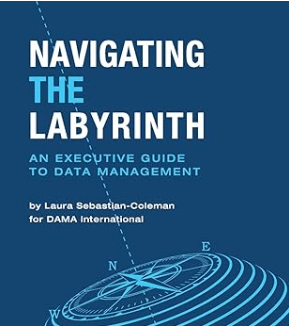
Navigating the Labyrinth: A Comprehensive Guide to Data Management for Executives

As a consultant focussed to helping organisations maximise their efficiency and strategic advantage, I cannot overstate the importance of effective data management. “Navigating the Labyrinth: An Executive Guide to Data Management” by Laura Sebastian-Coleman is an invaluable resource that provides a detailed and insightful roadmap for executives to understand the complexities and significance of data management within their organisations. The book’s guidance is essential for ensuring that your data is accurate, accessible, and actionable, thus enabling better decision-making and organisational efficiency. Here’s a summary of the key points covered in this highly recommended book covering core data management practices.

Introduction

Sebastian-Coleman begins by highlighting the importance of data in the modern business environment. She compares data to physical or financial assets, underscoring that it requires proper management to extract its full value.

Part I: The Case for Data Management

The book makes a compelling case for the necessity of data management. Poor data quality can lead to significant business issues, including faulty decision-making, inefficiencies, and increased costs. Conversely, effective data management provides a competitive edge by enabling more precise analytics and insights.

Part II: Foundations of Data Management

The foundational concepts and principles of data management are thoroughly explained. Key topics include:

  • Data Governance: Establishing policies, procedures, and standards to ensure data quality and compliance.
  • Data Quality: Ensuring the accuracy, completeness, reliability, and timeliness of data.
  • Metadata Management: Managing data about data to improve its usability and understanding.
  • Master Data Management (MDM): Creating a single source of truth for key business entities like customers, products, and employees.

Part III: Implementing Data Management

Sebastian-Coleman offers practical advice on implementing data management practices within an organisation. She stresses the importance of having a clear strategy, aligning data management efforts with business objectives, and securing executive sponsorship. The book also covers:

  • Data Management Frameworks: Structured approaches to implementing data management.
  • Technology and Tools: Leveraging software and tools to support data management activities.
  • Change Management: Ensuring that data management initiatives are adopted and sustained across the organisation.

Part IV: Measuring Data Management Success

Measuring and monitoring the success of data management initiatives is crucial. The author introduces various metrics and KPIs (Key Performance Indicators) that organisations can use to assess data quality, governance, and overall data management effectiveness.

Part V: Case Studies and Examples

The book includes real-world case studies and examples to illustrate how different organisations have successfully implemented data management practices. These examples provide practical insights and lessons learned, demonstrating the tangible benefits of effective data management.

Conclusion

Sebastian-Coleman concludes by reiterating the importance of data management as a strategic priority for organisations. While the journey to effective data management can be complex and challenging, the rewards in terms of improved decision-making, efficiency, and competitive advantage make it a worthwhile endeavour.

Key Takeaways for Executives

  1. Strategic Importance: Data management is essential for leveraging data as a strategic asset.
  2. Foundational Elements: Effective data management relies on strong governance, quality, and metadata practices.
  3. Implementation: A clear strategy, proper tools, and change management are crucial for successful data management initiatives.
  4. Measurement: Regular assessment through metrics and KPIs is necessary to ensure the effectiveness of data management.
  5. Real-world Application: Learning from case studies and practical examples can guide organisations in their data management efforts.

In conclusion, “Navigating the Labyrinth” is an essential guide that equips executives and data professionals with the knowledge and tools needed to manage data effectively. By following the structured and strategic data management practices outlined in the book, your organisation can unlock the full potential of its data, leading to improved business outcomes. I highly recommend this book for any executive looking to understand and improve their data management capabilities and to better understand the importance of data management within their organisation, as it provides essential insights and practical guidance to navigate the complexities of this crucial field.

Leveraging Generative AI to Boost Office Productivity

Generative AI tools like ChatGPT and CoPilot are revolutionising the way we approach office productivity. These tools are not only automating routine tasks but are also enhancing complex processes, boosting both efficiency and creativity in the workplace. In the modern fast-paced business environment, maximising productivity is crucial for success. Generative AI tools are at the forefront of this transformation, offering innovative ways to enhance efficiency across various office tasks. Here, we explore how these tools can revolutionise workplace productivity, focusing on email management, consultancy response documentation, data engineering, analytics coding, quality assurance in software development, and other areas.

Here’s how ChatGPT can be utilised in various aspects of office work:

  • Streamlining Email Communication – Email remains a fundamental communication tool in offices, but managing it can be time-consuming. ChatGPT can help streamline this process by generating draft responses, summarising long email threads, and even prioritising emails based on urgency and relevance. By automating routine correspondence, employees can focus more on critical tasks, enhancing overall productivity.
  • Writing Assistance – Whether drafting emails, creating content, or polishing documents, writing can be a significant drain on time. ChatGPT can act as a writing assistant, offering suggestions, correcting mistakes, and improving the overall quality of written communications. This support ensures that communications are not only efficient but also professionally presented.
  • Translating Texts – In a globalised work environment, the ability to communicate across languages is essential. ChatGPT can assist with translating documents and communications, ensuring clear and effective interaction with diverse teams and clients.
  • Enhancing Consultancy Response Documentation – For consultants, timely and accurate documentation is key. Generative AI can assist in drafting documents, proposals, and reports. By inputting the project’s parameters and objectives, tools like ChatGPT can produce comprehensive drafts that consultants can refine and finalise, significantly reducing the time spent on document creation.
  • Enhancing Research – Research can be made more efficient with ChatGPT’s ability to quickly find relevant information, summarise key articles, and provide deep insights. Whether for market research, academic purposes, or competitive analysis, ChatGPT can streamline the information gathering and analysis process.
  • Coding Assistance in Data Engineering and Analytics – For developers, coding can be enhanced with the help of AI tools. By describing a coding problem or requesting specific snippets, ChatGPT can provide relevant and accurate code suggestions. This assistance is invaluable for speeding up development cycles and reducing bugs in the code. CoPilot, powered by AI, transforms how data professionals write code. It suggests code snippets and entire functions based on the comments or the partial code already written. This is especially useful in data engineering and analytics, where writing efficient, error-free code can be complex and time-consuming. CoPilot helps in scripting data pipelines and performing data analysis, thereby reducing errors and improving the speed of development. More on this covered within the Microsoft Fabric and CoPilot section below.
  • Quality Assurance and Test-Driven Development (TDD) – In software development, ensuring quality and adhering to the principles of TDD can be enhanced using generative AI tools. These tools can suggest test cases, help write test scripts, and even provide feedback on the coverage of the tests written. By integrating AI into the development process, developers can ensure that their code not only functions correctly but also meets the required standards before deployment.
  • Automating Routine Office Tasks – Beyond specialised tasks, generative AI can automate various routine activities in the office. From generating financial reports to creating presentations and managing schedules, AI tools can take over repetitive tasks, freeing up employees to focus on more strategic activities. Repetitive tasks like scheduling, data entry, and routine inquiries can be automated with ChatGPT. This delegation of mundane tasks frees up valuable time for employees to engage in more significant, high-value work.
  • Planning Your Day – Effective time management is key to productivity. ChatGPT can help organise your day by taking into account your tasks, deadlines, and priorities, enabling a more structured and productive routine.
  • Summarising Reports and Meeting Notes – One of the most time-consuming tasks in any business setting is going through lengthy documents and meeting notes. ChatGPT can simplify this by quickly analysing large texts and extracting essential information. This capability allows employees to focus on decision-making and strategy rather than getting bogged down by details.
  • Training and Onboarding – Training new employees is another area where generative AI can play a pivotal role. AI-driven programs can provide personalised learning experiences, simulate different scenarios, and give feedback in real-time, making the onboarding process more efficient and effective.
  • Enhancing Creative Processes – Generative AI is not limited to routine or technical tasks. It can also contribute creatively, helping design marketing materials, write creative content, and even generate ideas for innovation within the company.
  • Brainstorming and Inspiration – Creativity is a crucial component of problem-solving and innovation. When you hit a creative block or need a fresh perspective, ChatGPT can serve as a brainstorming partner. By inputting a prompt related to your topic, ChatGPT can generate a range of creative suggestions and insights, sparking new ideas and solutions.
  • Participating in Team Discussions – In collaborative settings like Microsoft Teams, ChatGPT and CoPilot can contribute by providing relevant information during discussions. This capability improves communication and aids in more informed decision-making, making team collaborations more effective.
  • Entertainment – Finally, the workplace isn’t just about productivity, it’s also about culture and morale. ChatGPT can inject light-hearted fun into the day with jokes or fun facts, enhancing the work environment and strengthening team bonds.

Enhancing Productivity with CoPilot in Microsoft’s Fabric Data Platform

The Microsoft’s Fabric Data Platform, a comprehensive ecosystem for managing and analysing data, represents an advanced approach to enterprise data solutions. Integrating AI-driven tools like GitHub’s CoPilot into this environment, significantly enhance the efficiency and effectiveness of data operations. Here’s how CoPilot can be specifically utilised within Microsoft’s Fabric Data Platform to drive innovation and productivity.

  • Streamlined Code Development for Data Solutions – CoPilot, as an AI pair programmer, offers real-time code suggestions and snippets based on the context of the work being done. In the environment of Microsoft’s Fabric Data Platform, which handles large volumes of data and complex data models, CoPilot can assist data engineers and scientists by suggesting optimised data queries, schema designs, and data processing workflows. This reduces the cognitive load on developers and accelerates the development cycle, allowing more time for strategic tasks.
  • Enhanced Error Handling and Debugging – Error handling is critical in data platforms where the integrity of data is paramount. CoPilot can predict common errors in code based on its learning from a vast corpus of codebases and offer preemptive solutions. This capability not only speeds up the debugging process but also helps maintain the robustness of the data platform by reducing downtime and data processing errors.
  • Automated Documentation – Documentation is often a neglected aspect of data platform management due to the ongoing demand for delivering functional code. CoPilot can generate code comments and documentation as the developer writes code. This integration ensures that the Microsoft Fabric Data Platform is well-documented, facilitating easier maintenance and compliance with internal and external audit requirements.
  • Personalised Learning and Development – CoPilot can serve as an educational tool within Microsoft’s Fabric Data Platform by helping new developers understand the intricacies of the platform’s API and existing codebase. By suggesting code examples and guiding through best practices, CoPilot helps in upskilling team members, leading to a more competent and versatile workforce.
  • Proactive Optimisation Suggestions – In data platforms, optimisation is key to handling large datasets efficiently. CoPilot can analyse the patterns in data access and processing within the Fabric Data Platform and suggest optimisations in real-time. These suggestions might include better indexing strategies, more efficient data storage formats, or improved data retrieval methods, which can significantly enhance the performance of the platform.

Conclusion

As we integrate generative AI tools like ChatGPT and CoPilot into our daily workflows, their potential to transform office productivity is immense. By automating mundane tasks, assisting in complex processes, and enhancing creative outputs, these tools not only save time but also improve the quality of work, potentially leading to significant gains in efficiency and innovation. The integration of generative AI tools into office workflows not only automates and speeds up processes but also brings a new level of sophistication to how tasks are approached and executed. From enhancing creative processes to improving how teams function, the role of AI in the office is undeniably transformative, paving the way for a smarter, more efficient workplace.

The integration of GitHub’s CoPilot into Microsoft’s Fabric Data Platform offers a promising enhancement to the productivity and capabilities of data teams. By automating routine coding tasks, aiding in debugging and optimisation, and providing valuable educational support, CoPilot helps build a more efficient, robust, and scalable data management environment. This collaboration not only drives immediate operational efficiencies but also fosters long-term innovation in handling and analysing data at scale.

As businesses continue to adopt these technologies, the future of work looks increasingly promising, driven by intelligent automation and enhanced human-machine collaboration.

The Importance of Adhering to Personal Norms and Values – in a Natural & Artificial world

In life’s journey, our norms and values act as a compass, guiding our behaviour, decisions, and interactions with the world. Understanding these concepts and their impact on our lives is crucial for achieving job satisfaction, personal happiness, and overall health.

Defining Norms and Values

Values are the fundamental beliefs or ideals that individuals or societies hold dear. These beliefs guide priorities and motivate behaviour, influencing how we perceive what is right and wrong. Common examples of values include honesty, freedom, loyalty, and respect for others. Values are often deeply ingrained and can shape the course of one’s life.

Norms, on the other hand, are the unwritten rules that govern social behaviour. These are the expectations within a society or group about how its members should act under given circumstances. Norms can be further categorised into folkways, mores, and laws, each varying in terms of their societal importance and the severity of repercussions when breached.

The Difference Between Norms and Values

While values represent individual or collective beliefs about what is important, norms are more about actions—how those values are routinely expressed in day-to-day interactions. For instance, if a society values education highly (a value), there might be a norm that children should begin attending school at a certain age and respect their teachers.

Variation in Norms and Values

Norms and values differ among individuals due to various factors like cultural background, upbringing, education, and personal experiences. These influences can lead to a rich diversity of perspectives within communities. For example, while one culture might prioritise community and family ties, another might value individual achievements more highly.

The Importance of Maintaining Personal Norms and Values

Adhering to one’s norms and values is essential for several reasons:

  • Consistency and Integrity: Living in accordance with one’s beliefs and expectations fosters a consistent life approach, which in turn bolsters personal integrity and self-respect.
  • Job Satisfaction: When your career aligns with your personal values, it increases job satisfaction. For instance, someone who values helping others might find great satisfaction in nursing or social work.
  • Happiness in Life: Aligning actions with personal values leads to a more fulfilling life. This congruence creates a sense of purpose and decreases the internal conflict that can arise from living against one’s principles.
  • Health: Psychological research suggests that misalignment between one’s values and behaviour can lead to stress, dissatisfaction, and even mental health issues. Conversely, maintaining harmony between actions and values can promote better mental and physical health.

When personal norms and values collide with your environment

When personal norms and values conflict with those of the wider society and/or an employer, it can lead to several significant consequences, impacting both the individual and their relationships within these contexts:

  • Job Dissatisfaction and Reduced Productivity: If an individual’s values strongly clash with those of their employer, it can result in job dissatisfaction. This often leads to lower motivation and productivity. For instance, if a person values transparency and honesty but works in an environment where secrecy and political manoeuvring are the norm, they may feel disillusioned and less engaged with their work.
  • Stress and Mental Health Issues: Persistent conflict between personal values and those of one’s surroundings can cause chronic stress. This misalignment might lead the individual to continually question their decisions and actions, potentially leading to anxiety, depression, and other mental health problems.
  • Social Isolation: If an individual’s norms and values are out of sync with societal expectations, it can result in social isolation. This might occur in a community where certain beliefs or behaviours that are integral to a person’s identity are not accepted or are actively stigmatised. The feeling of being an outsider can exacerbate feelings of loneliness and alienation.
  • Ethical Dilemmas and Integrity Challenges: Individuals may face ethical dilemmas when their personal values are in opposition to those demanded by their roles or societal pressures. This can lead to difficult choices, such as compromising on personal ethics for professional gain or, conversely, risking career opportunities to maintain personal integrity.
  • Career Limitations: A misalignment of values can limit career advancement, especially in organisational cultures where ‘cultural fit’ is considered important for leadership roles. Individuals who do not share the core values of their organisation may find themselves overlooked for promotions or important projects.
  • Legal and Compliance Risks: In some cases, clashes between personal norms and societal or organisational rules can lead to legal issues, especially if an individual acts in a way that is legally compliant but against company policies, or vice versa.
  • Personal Dissatisfaction and Regret: Living in conflict with one’s personal values can lead to a profound sense of dissatisfaction and regret. This might manifest as a feeling that one is not living a ‘true’ or ‘authentic’ life, which can have long-term effects on happiness and overall well-being.

To manage these challenges, individuals often need to make deliberate choices about where to compromise and what is non-negotiable, potentially seeking environments (both professionally and personally) that better align with their own norms and values.”

Examples of how Norms and Values shape our lives

Here are some examples illustrate how personal norms and values are not just abstract concepts but are lived experiences that shape decisions, behaviors, and interactions with the world. They underscore the importance of aligning one’s actions with one’s values, which can lead to a more authentic and satisfying life.

  • Career Choices: Take the story of Maria, a software engineer who prioritized environmental sustainability. She turned down lucrative offers from companies known for their high carbon footprints and instead chose to work for a startup focused on renewable energy solutions. Maria’s decision, driven by her personal values, not only shaped her career path but also brought her a sense of fulfillment and alignment with her beliefs about environmental conservation.
  • Social Relationships: Consider the case of James, who values honesty and transparency above all. His commitment to these principles sometimes put him at odds with friends who found his directness uncomfortable. However, this same honesty fostered deeper, more trusting relationships with like-minded individuals, ultimately shaping his social circle to include friends who share and respect his values.
  • Consumer Behavior: Aisha, a consumer who holds strong ethical standards for fair trade and workers’ rights, chooses to buy products exclusively from companies that demonstrate transparency and support ethical labor practices. Her shopping habits reflect her values and have influenced her family and friends to become more conscious of where their products come from, demonstrating how personal values can ripple outward to influence a wider community.
  • Healthcare Decisions: Tom, whose religious beliefs prioritize the sanctity of life, faced a tough decision when his terminally ill spouse was offered a form of treatment that could potentially prolong life but with a low quality of life. Respecting both his and his spouse’s values, he opted for palliative care, focusing on comfort and dignity rather than invasive treatments, highlighting how deeply personal values impact critical healthcare decisions.
  • Political Engagement: Sarah is deeply committed to social justice and equality. This commitment influences her political engagement; she volunteers for political campaigns that align with her values, participates in demonstrations, and uses her social media platforms to advocate for policy changes. Her active involvement is a direct manifestation of her values in action, impacting society’s larger political landscape.

Integrating Norms and Values into AI

The integration of norms and values into artificial intelligence (AI) systems is a complex and ongoing process that involves ethical considerations, programming decisions, and the application of various AI techniques. Here are some key aspects of how norms and values are ingrained into AI:

  • Ethical Frameworks and Guidelines – AI development is guided by ethical frameworks that outline the values and norms AI systems should adhere to. These frameworks often emphasize principles such as fairness, transparency, accountability, and respect for user privacy. Organizations like the European Union, IEEE, and various national bodies have proposed ethical guidelines that shape how AI systems are developed and deployed.
  • Training Data – The norms and values of an AI system are often implicitly embedded in the training data used to develop the system. The data reflects historical, cultural, and social norms of the time and place from which it was collected. If the data includes biases or reflects societal inequalities, these can inadvertently become part of the AI’s “learned” norms and values. Therefore, ensuring that training data is diverse and representative is crucial to align AI behavior with desired ethical standards.
  • Design Choices – The algorithms and models chosen for an AI system also reflect certain values. For example, choosing to prioritize accuracy over fairness in predictive policing software might reflect a value system that overlooks the importance of equitable outcomes. Design decisions also encompass the transparency of the AI system, such as whether its decisions can be easily interpreted by humans, which relates to the value of transparency and accountability.
  • Stakeholder Engagement – Involving a diverse range of stakeholders in the AI development process helps incorporate a broader spectrum of norms and values. This can include ethicists, community representatives, potential users, and domain experts. Their input can guide the development process to consider various ethical implications and societal needs, ensuring the AI system is more aligned with public values.
  • Regulation and Compliance – Regulations and legal frameworks play a significant role in embedding norms and values in AI. Compliance with data protection laws (like GDPR in the EU), nondiscrimination laws, and other regulations ensures that AI systems adhere to certain societal norms and legal standards, shaping their behavior and operational limits.
  • Continuous Monitoring and Adaptation – AI systems are often monitored throughout their lifecycle to ensure that they continue to operate within the intended ethical boundaries. This involves ongoing assessments to identify and mitigate any emergent behaviors or biases that could violate societal norms or individual rights.
  • AI Ethics in Practice – Implementation of AI ethics involves developing tools and methods that can audit, explain, and correct AI behavior. This includes techniques for fairness testing, bias mitigation, and explainable AI (XAI), which seeks to make AI decisions understandable to humans.

By embedding norms and values in these various aspects of AI development and operation, developers aim to create AI systems that are not only effective but also ethically responsible and socially beneficial.

Integrating norms and values into artificial intelligence (AI) systems is crucial for ensuring these technologies operate in ways that are ethical, socially responsible, and beneficial to society. As AI systems increasingly perform tasks traditionally done by humans—from driving cars to making medical diagnoses—they must do so within the framework of societal expectations and ethical standards.

The importance of embedding norms and values into AI systems lies primarily in fostering trust and acceptance among users and stakeholders – encouraging integrity. When AI systems operate transparently and adhere to established ethical guidelines, they are more likely to be embraced by the public. Trust is particularly vital in sensitive areas such as healthcare, law enforcement, and financial services, where decisions made by AI can have profound impacts on people’s lives.

Moreover, embedding norms and values in AI helps to prevent and mitigate risks associated with bias and discrimination. AI systems trained on historical data can inadvertently perpetuate existing biases if these data reflect societal inequalities. By consciously integrating values such as fairness and equality into AI systems, developers can help ensure that AI applications do not reinforce negative stereotypes or unequal treatment.

Ethically aligned AI also supports regulatory compliance and reduces legal risks. With jurisdictions around the world beginning to implement laws specifically addressing AI, integrating norms and values into AI systems becomes not only an ethical imperative but a legal requirement. This helps companies avoid penalties and reputational damage associated with non-compliance.

Conclusion

Maintaining fidelity to your norms and values is not just about personal pride or integrity, it significantly influences your emotional and physical well-being. As society continually evolves, it becomes increasingly important to reflect on and adjust our values and norms to ensure they truly represent who we are and aspire to be. In this way, we can navigate life’s challenges more successfully and lead more satisfying lives.

Integrating norms and values into AI systems is not just about avoiding harm or fulfilling legal obligations, it’s about creating technologies that enhance societal well-being, promote justice, and enrich human life – cultivating a symbiotic relationship between human and machine. As AI technologies continue to evolve and permeate every aspect of our lives, maintaining this ethical alignment will be essential for achieving the full positive potential of AI while safeguarding against its risks.

Digital Ghost Town: The Rise of AI and the Decline of Authentic Internet Content

For the past seven to eight years, a theory known as the “Dead Internet” has been circulating in conspiracy circles. This theory proposes that the authentic, human-generated content that characterised the internet in the 1990s and early 2000s has largely been replaced by content created by artificial intelligence. As a result, the internet is considered “dead” in the sense that most content consumed today is not produced by humans.

The theory further suggests that this shift from human to AI-generated content was deliberately orchestrated by governments and corporations to manipulate public perception. While this aspect sounds like the perfect premise for a suspenseful techno-thriller novel, it seems far-fetched to many, including journalists. However, recent developments have lent some credence to the idea that the internet is being overtaken by AI-generated content.

The term “AI slime” has been coined to describe the overwhelming amount of synthetic content on social media platforms. AI’s capabilities have evolved beyond simple bots to creating sophisticated images, videos, and articles. Since the advent of tools like ChatGPT and various AI image generators, there has been a notable increase in AI-generated content on platforms such as Instagram, Facebook, Twitter (X), YouTube, and TikTok. This influx is particularly prominent on TikTok, where AI-generated videos are becoming more common.

Many users, especially from older generations, may not realise that this content is AI-generated. Often, these AI-generated posts receive interaction predominantly from other AI-controlled accounts, which is problematic not only for users but also for advertisers who may end up funding ads that primarily engage AI bots instead of actual potential customers.

In response to this trend, social media platforms are reportedly considering expanding their use of AI-generated content. TikTok, for example, is exploring the creation of virtual influencers to compete for advertising deals, and Instagram is testing a programme to transform top influencers into AI-powered chatbots.

Elon Musk’s approach to managing AI-generated content on Twitter (now known as X) since his acquisition has been somewhat controversial. After taking over Twitter, Musk made significant changes to the platform’s policy on misinformation, which many have argued may exacerbate the spread of AI-generated disinformation. Specifically, he has been criticised for dismantling many of the platform’s previous misinformation safeguards, which could allow for greater proliferation of AI-generated content without adequate checks. Moreover, Musk’s decision to reintroduce and monetise accounts that had previously been banned for spreading misinformation is seen as potentially incentivising the creation and dissemination of low-quality, viral content. This includes AI-generated material that can be particularly deceptive. Despite these criticisms, there are broader movements in the tech industry where companies are signing accords to combat AI-generated misinformation, especially around elections. These accords are intended to foster commitments among tech companies to implement necessary safeguards against the misuse of AI in generating disinformation. However, Musk’s direct actions or strategies to specifically combat AI-generated content on X have not been explicitly detailed in these discussions.

To support the “Dead Internet” theory and the rise of AI-generated content, here are some examples and case studies:

  • Increased Presence of AI in Content Creation:
    • Case Study: GPT-3 and GPT-4 in Journalism: Publications like The Guardian have experimented with using OpenAI’s GPT technology to write articles. An example is an editorial entirely generated by GPT-3. The experiment highlighted the potential for AI to produce coherent and contextually relevant text, posing questions about the future role of human journalists.
  • AI in Social Media and Influencer Marketing:
    • Case Study: Virtual Influencers on Instagram: Lil Miquela is a virtual influencer created using CGI technology who has amassed millions of followers on Instagram. Brands like Calvin Klein and Prada have partnered with her, showing the commercial viability of AI-generated personalities in marketing campaigns. This indicates a shift towards acceptance of synthetic content in mainstream media.
  • Synthetic Media in Advertising:
    • Case Study: Deepfake Technology in Advertising: Several companies have started to use deepfake technology to create more engaging and personalised ad campaigns. For instance, a notable beverage company used AI to resurrect a famous singer’s likeness for a commercial, showcasing how AI can blur the lines between reality and artificiality in media.
  • AI-generated Content on Video Platforms:
    • Case Study: TikTok’s AI Algorithms: TikTok has been at the forefront of using sophisticated AI algorithms to curate and generate content. The platform’s ability to personalise feeds based on user interaction patterns significantly influences content creation and consumption. Reports suggest that AI-generated videos are becoming increasingly common, indicating a shift towards automated content production.
  • Impact on Perception and Trust:
    • Case Study: AI and Misinformation: During elections and public health crises, AI-generated fake news and deepfakes have proven to be a potent tool for spreading misinformation. Studies have shown that fabricated content can spread faster and be more damaging than traditional false reports, challenging the public’s ability to discern truth in digital spaces.

These examples and case studies illustrate the significant impact AI is having on content creation across various platforms, supporting the concerns raised by the “Dead Internet” theory about the authenticity and integrity of online content.

Reports indicate that by 2026, up to 90% of online content could be synthetically generated by AI. This potential reality suggests that individuals seeking authentic human interactions might soon have to look beyond the internet and return to real-world connections and collaboration.

“Revolutionising Software Development: The Era of AI Code Assistants have begun”

Reimagining software development with AI augmentation is poised to revolutionise the way we approach programming. Recent insights from Gartner disclose a burgeoning adoption of AI-enhanced coding tools amongst organisations: 18% have already embraced AI code assistants, another 25% are in the midst of doing so, 20% are exploring these tools via pilot programmes, and 14% are at the initial planning stage.

CIOs and tech leaders harbour optimistic views regarding the potential of AI code assistants to boost developer efficiency. Nearly half anticipate substantial productivity gains, whilst over a third regard AI-driven code generation as a transformative innovation.

As the deployment of AI code assistants broadens, it’s paramount for software engineering leaders to assess the return on investment (ROI) and construct a compelling business case. Traditional ROI models, often centred on cost savings, fail to fully recognise the extensive benefits of AI code assistants. Thus, it’s vital to shift the ROI dialogue from cost-cutting to value creation, thereby capturing the complete array of benefits these tools offer.

The conventional outlook on AI code assistants emphasises speedier coding, time efficiency, and reduced expenditures. However, the broader value includes enhancing the developer experience, improving customer satisfaction (CX), and boosting developer retention. This comprehensive view encapsulates the full business value of AI code assistants.

Commencing with time savings achieved through more efficient code production is a wise move. Yet, leaders should ensure these initial time-saving estimates are based on realistic assumptions, wary of overinflated vendor claims and the variable outcomes of small-scale tests.

The utility of AI code assistants relies heavily on how well the use case is represented in the training data of the AI models. Therefore, while time savings is an essential starting point, it’s merely the foundation of a broader value narrative. These tools not only minimise task-switching and help developers stay in the zone but also elevate code quality and maintainability. By aiding in unit test creation, ensuring consistent documentation, and clarifying pull requests, AI code assistants contribute to fewer bugs, reduced technical debt, and a better end-user experience.

In analysing the initial time-saving benefits, it’s essential to temper expectations and sift through the hype surrounding these tools. Despite the enthusiasm, real-world applications often reveal more modest productivity improvements. Starting with conservative estimates helps justify the investment in AI code assistants by showcasing their true potential.

Building a comprehensive value story involves acknowledging the multifaceted benefits of AI code assistants. Beyond coding speed, these tools enhance problem-solving capabilities, support continuous learning, and improve code quality. Connecting these value enablers to tangible impacts on the organisation requires a holistic analysis, including financial and non-financial returns.

In sum, the advent of AI code assistants in software development heralds a new era of efficiency and innovation. By embracing these tools, organisations can unlock a wealth of benefits, extending far beyond traditional metrics of success. The era of the AI code-assistant has begun.

A Guide How to Introduce AI Code Assistants

Integrating AI code assistants into your development teams can mark a transformative step, boosting productivity, enhancing code quality, and fostering innovation. Here’s a guide to seamlessly integrate these tools into your teams:

1. Assess the Needs and Readiness of Your Team

  • Evaluate the current workflow, challenges, and areas where your team could benefit from automation and AI assistance.
  • Determine the skill levels of your team members regarding new technologies and their openness to adopting AI tools.

2. Choose the Right AI Code Assistant

  • Research and compare different AI code assistants based on features, support for programming languages, integration capabilities, and pricing.
  • Consider starting with a pilot programme using a selected AI code assistant to gauge its effectiveness and gather feedback from your team.

3. Provide Training and Resources

  • Organise workshops or training sessions to familiarise your team with the chosen AI code assistant. This should cover basic usage, best practices, and troubleshooting.
  • Offer resources for self-learning, such as tutorials, documentation, and access to online courses.

4. Integrate AI Assistants into the Development Workflow

  • Define clear guidelines on how and when to use AI code assistants within your development process. This might involve integrating them into your IDEs (Integrated Development Environments) or code repositories.
  • Ensure the AI code assistant is accessible to all relevant team members and that it integrates smoothly with your team’s existing tools and workflows.

5. Set Realistic Expectations and Goals

  • Communicate the purpose and potential benefits of AI code assistants to your team, setting realistic expectations about what these tools can and cannot do.
  • Establish measurable goals for the integration of AI code assistants, such as reducing time spent on repetitive coding tasks or improving code quality metrics.

6. Foster a Culture of Continuous Feedback and Improvement

  • Encourage your team to share their experiences and feedback on using AI code assistants. This could be through regular meetings or a dedicated channel for discussion.
  • Use the feedback to refine your approach, address any challenges, and optimise the use of AI code assistants in your development process.

7. Monitor Performance and Adjust as Needed

  • Keep an eye on key performance indicators (KPIs) to evaluate the impact of AI code assistants on your development process, such as coding speed, bug rates, and developer satisfaction.
  • Be prepared to make adjustments based on performance data and feedback, whether that means changing how the tool is used, switching to a different AI code assistant, or updating training materials.

8. Emphasise the Importance of Human Oversight

  • While AI code assistants can significantly enhance productivity and code quality, stress the importance of human review and oversight to ensure the output meets your standards and requirements.

By thoughtfully integrating AI code assistants into your development teams, you can realise the ROI and harness the benefits of AI to streamline workflows, enhance productivity, and drive innovation.

AI Missteps: Navigating the Pitfalls of Business Integration

AI technology has been at the forefront of innovation, offering businesses unprecedented opportunities for efficiency, customer engagement, and data analysis. However, the road to integrating AI into business operations is fraught with challenges, and not every endeavour ends in success. In this blog post, we will explore various instances where AI has gone or done wrong in the business context, delve into the reasons for these failures, and provide real examples to illustrate these points.

1. Misalignment with Business Objectives

One common mistake businesses make is pursuing AI projects without a clear alignment to their core objectives or strategic goals. This misalignment often leads to investing in technology that, whilst impressive, does not contribute to the company’s bottom line or operational efficiencies.

Example: IBM Watson Health

IBM Watson Health is a notable example. Launched with the promise of revolutionising the healthcare industry by applying AI to massive data sets, it struggled to meet expectations. Despite the technological prowess of Watson, the initiative faced challenges in providing actionable insights for healthcare providers, partly due to the complexity and variability of medical data. IBM’s ambitious project encountered difficulties in scaling and delivering tangible results to justify its investment, leading to the sale of Watson Health assets in 2021.

2. Lack of Data Infrastructure

AI systems require vast amounts of data to learn and make informed decisions. Businesses often underestimate the need for a robust data infrastructure, including quality data collection, storage, and processing capabilities. Without this foundation, AI projects can falter, producing inaccurate results or failing to operate at scale.

Example: Amazon’s AI Recruitment Tool

Amazon developed an AI recruitment tool intended to streamline the hiring process by evaluating CVs. However, the project was abandoned when the AI exhibited bias against female candidates. The AI had been trained on CVs submitted to the company over a 10-year period, most of which came from men, reflecting the tech industry’s gender imbalance. This led to the AI penalising CVs that included words like “women’s” or indicated attendance at a women’s college, showcasing how poor data handling can derail AI projects.

3. Ethical and Bias Concerns

AI systems can inadvertently perpetuate or even exacerbate biases present in their training data, leading to ethical concerns and public backlash. Businesses often struggle with implementing AI in a way that is both ethical and unbiased, particularly in sensitive applications like hiring, law enforcement, and credit scoring.

Example: COMPAS in the US Justice System

The Correctional Offender Management Profiling for Alternative Sanctions (COMPAS) is an AI system used by US courts to assess the likelihood of a defendant reoffending. Studies and investigations have revealed that COMPAS predictions are biased against African-American individuals, leading to higher risk scores compared to their white counterparts, independent of actual recidivism rates. This has sparked significant controversy and debate about the use of AI in critical decision-making processes.

4. Technological Overreach

Sometimes, businesses overestimate the current capabilities of AI technology, leading to projects that are doomed from the outset due to technological limitations. Overambitious projects can drain resources, lead to public embarrassment, and erode stakeholder trust.

Example: Facebook’s Trending Topics

Facebook’s attempt to automate its Trending Topics feature with AI led to the spread of fake news and inappropriate content. The AI was supposed to curate trending news without human bias, but it lacked the nuanced understanding of context and veracity, leading to widespread criticism and the eventual discontinuation of the feature.

Conclusion

The path to successfully integrating AI into business operations is complex and challenging. The examples mentioned highlight the importance of aligning AI projects with business objectives, ensuring robust data infrastructure, addressing ethical and bias concerns, and maintaining realistic expectations of technological capabilities. Businesses that approach AI with a strategic, informed, and ethical mindset are more likely to navigate these challenges successfully, leveraging AI to drive genuine innovation and growth.

The Enterprise Case for AI: Identifying AI Use Cases or Opportunities

Artificial intelligence (AI) stands out as a disruptive and potentially transformative force across various sectors. From streamlining operations to delivering unprecedented customer experiences, AI’s potential to drive innovation and efficiency is immense. However, identifying and implementing AI use cases that align with specific business objectives can be challenging. This blog post explores practical strategies for business leaders to uncover AI opportunities within their enterprises.

Understanding AI’s Potential

Before diving into the identification of AI opportunities, it’s crucial for business leaders to have a clear understanding of AI’s capabilities and potential impact. AI can enhance decision-making, automate routine tasks, optimise logistics, improve customer service, and much more. Recognising these capabilities enables leaders to envisage how AI might solve existing problems or unlock new opportunities.

Steps to Identify AI Opportunities

1. Define Business Objectives

Start by clearly defining your business objectives. Whether it’s increasing efficiency, reducing costs, enhancing customer satisfaction, or driving innovation, understanding what you aim to achieve is the first step in identifying relevant AI use cases.

2. Conduct an AI Opportunity Audit

Perform a thorough audit of your business processes, systems, and data. Look for areas where AI can make a significant impact, such as data-heavy processes ripe for automation or analytics, customer service touchpoints that can be enhanced with natural language processing, or operational inefficiencies that machine learning can optimise.

3. Engage with Stakeholders

Involve stakeholders from various departments in the identification process. Different perspectives can unearth hidden opportunities for AI integration. Additionally, stakeholder buy-in is crucial for the successful implementation and adoption of AI solutions.

4. Analyse Data Availability and Quality

AI thrives on data. Evaluate the availability, quality, and accessibility of your enterprise data. High-quality, well-structured data is a prerequisite for effective AI applications. Identifying gaps in your data ecosystem early can save significant time and resources.

5. Leverage External Expertise

Don’t hesitate to seek external expertise. AI consultants and service providers can offer valuable insights into potential use cases, feasibility, and implementation strategies. They can also help benchmark against industry best practices.

6. Prioritise Quick Wins

Identify AI initiatives that offer quick wins—projects that are relatively easy to implement and have a clear, measurable impact. Quick wins can help build momentum and secure organisational support for more ambitious AI projects.

7. Foster an AI-ready Culture

Cultivate a culture that is open to innovation and change. Educating your team about AI’s benefits and involving them in the transformation process is vital for overcoming resistance and fostering an environment where AI can thrive.

8. Experiment and Learn

Adopt an experimental mindset. Not all AI initiatives will succeed, but each attempt is a learning opportunity. Start with pilot projects to test assumptions, learn from the outcomes, and iteratively refine your approach.

Conclusion

Finding AI use cases within an enterprise is a strategic process that involves understanding AI’s capabilities, aligning with business objectives, auditing existing processes, engaging stakeholders, and fostering an innovative culture. By methodically identifying and implementing AI solutions, businesses can unlock significant value, driving efficiency, innovation, and competitive advantage. The journey towards AI transformation is ongoing, and staying informed, adaptable, and proactive is key to leveraging AI’s full potential.

Making your digital business resilient using AI

To staying relevant in a swift-moving digital marketplace, resilience isn’t merely about survival, it’s about flourishing. Artificial Intelligence (AI) stands at the vanguard of empowering businesses not only to navigate the complex tapestry of supply and demand but also to derive insights and foster innovation in ways previously unthinkable. Let’s explore how AI can transform your digital business into a resilient, future-proof entity.

Navigating Supply vs. Demand with AI

Balancing supply with demand is a perennial challenge for any business. Excess supply leads to wastage and increased costs, while insufficient supply can result in missed opportunities and dissatisfied customers. AI, with its predictive analytics capabilities, offers a potent tool for forecasting demand with great accuracy. By analysing vast quantities of data, AI algorithms can predict fluctuations in demand based on seasonal trends, market dynamics, and even consumer behaviour on social media. This predictive prowess allows businesses to optimise their supply chains, ensuring they have the appropriate amount of product available at the right time, thereby maximising efficiency and customer satisfaction.

Deriving Robust and Scientific Insights

In the era of information, data is plentiful, but deriving meaningful insights from this data poses a significant challenge. AI and machine learning algorithms excel at sifting through large data sets to identify patterns, trends, and correlations that might not be apparent to human analysts. This capability enables businesses to make decisions based on robust and scientific insights rather than intuition or guesswork. For instance, AI can help identify which customer segments are most profitable, which products are likely to become bestsellers, and even predict churn rates. These insights are invaluable for strategic planning and can significantly enhance a company’s competitive edge.

Balancing Innovation with Business as Usual (BAU)

While innovation is crucial for growth and staying ahead of the competition, businesses must also maintain their BAU activities. AI can play a pivotal role in striking this balance. On one hand, AI-driven automation can take over repetitive, time-consuming tasks, freeing up human resources to focus on more strategic, innovative projects. On the other hand, AI itself can be a source of innovation, enabling businesses to explore new products, services, and business models. For example, AI can help create personalised customer experiences, develop new delivery methods, or even identify untapped markets.

Fostering a Culture of Innovation

For AI to truly make an impact, it’s insufficient for it to be merely a tool that is used—it needs to be part of the company’s DNA. This means fostering a culture of innovation where experimentation is encouraged, failure is seen as a learning opportunity, and employees at all levels are empowered to think creatively. Access to innovation should not be confined to a select few; instead, an environment where everyone is encouraged to contribute ideas can lead to breakthroughs that significantly enhance business resilience.

In conclusion, making your digital business resilient in today’s volatile market requires a strategic embrace of AI. By leveraging AI to balance supply and demand, derive scientific insights, balance innovation with BAU, and foster a culture of innovation, businesses can not only withstand the challenges of today but also thrive in the uncertainties of tomorrow. The future belongs to those who are prepared to innovate, adapt, and lead with intelligence. AI is not just a tool in this journey; it is a transformative force that can redefine what it means to be resilient.

The Future of AI: Emerging Trends and it’s Disruptive Potential

The AI field is rapidly evolving, with several key trends shaping the future of data analysis and the broader landscape of technology and business. Here’s a concise overview of some of the latest trends:

Shift Towards Smaller, Explainable AI Models: There’s a growing trend towards developing smaller, more efficient AI models that can run on local devices such as smartphones, facilitating edge computing and Internet of Things (IoT) applications. These models address privacy and cybersecurity concerns more effectively and are becoming easier to understand and trust due to advancements in explainable AI. This shift is partly driven by necessity, owing to increasing cloud computing costs and GPU shortages, pushing for optimisation and accessibility of AI technologies.

This trend has the capacity to significantly lower the barrier to entry for smaller enterprises wishing to implement AI solutions, democratising access to AI technologies. By enabling AI to run efficiently on local devices, it opens up new possibilities for edge computing and IoT applications in sectors such as healthcare, manufacturing, and smart cities, whilst also addressing crucial privacy and cybersecurity concerns.

Generative AI’s Promise and Challenges: Generative AI has captured significant attention but remains in the phase of proving its economic value. Despite the excitement and investment in this area, with many companies exploring its potential, actual production deployments that deliver substantial value are still few. This underscores a critical period of transition from experimentation to operational integration, necessitating enhancements in data strategies and organisational changes.

Generative AI holds transformative potential across creative industries, content generation, design, and more, offering the capability to create highly personalised content at scale. However, its economic viability and ethical implications, including the risks of deepfakes and misinformation, present significant challenges that need to be navigated.

From Artisanal to Industrial Data Science: The field of data science is becoming more industrialised, moving away from an artisanal approach. This shift involves investing in platforms, processes, and tools like MLOps systems to increase the productivity and deployment rates of data science models. Such changes are facilitated by external vendors, but some organisations are developing their own platforms, pointing towards a more systematic and efficient production of data models.

The industrialisation of data science signifies a shift towards more scalable, efficient data processing and model development processes. This could disrupt traditional data analysis roles and demand new skills and approaches to data science work, potentially leading to increased automation and efficiency in insights generation.

The Democratisation of AI: Tools like ChatGPT have played a significant role in making AI technologies more accessible to a broader audience. This democratisation is characterised by easy access, user-friendly interfaces, and affordable or free usage. Such trends not only bring AI tools closer to users but also open up new opportunities for personal and business applications, reshaping the cultural understanding of media and communication.

Making AI more accessible to a broader audience has the potential to spur innovation across various sectors by enabling more individuals and businesses to apply AI solutions to their problems. This could lead to new startups and business models that leverage AI in novel ways, potentially disrupting established markets and industries.

Emergence of New AI-Driven Occupations and Skills: As AI technologies evolve, new job roles and skill requirements are emerging, signalling a transformation in the workforce landscape. This includes roles like prompt engineers, AI ethicists, and others that don’t currently exist but are anticipated to become relevant. The ongoing integration of AI into various industries underscores the need for reskilling and upskilling to thrive in this changing environment.

As AI technologies evolve, they will create new job roles and transform existing ones, disrupting the job market and necessitating significant shifts in workforce skills and education. Industries will need to adapt to these changes by investing in reskilling and upskilling initiatives to prepare for future job landscapes.

Personalisation at Scale: AI is enabling unprecedented levels of personalisation, transforming communication from mass messaging to niche, individual-focused interactions. This trend is evident in the success of platforms like Netflix, Spotify, and TikTok, which leverage sophisticated recommendation algorithms to deliver highly personalised content.

AI’s ability to enable personalisation at unprecedented levels could significantly impact retail, entertainment, education, and marketing, offering more tailored experiences to individuals and potentially increasing engagement and customer satisfaction. However, it also raises concerns about privacy and data security, necessitating careful consideration of ethical and regulatory frameworks.

Augmented Analytics: Augmented analytics is emerging as a pivotal trend in the landscape of data analysis, combining advanced AI and machine learning technologies to enhance data preparation, insight generation, and explanation capabilities. This approach automates the process of turning vast amounts of data into actionable insights, empowering analysts and business users alike with powerful analytical tools that require minimal technical expertise.

The disruptive potential of augmented analytics lies in its ability to democratize data analytics, making it accessible to a broader range of users within an organization. By reducing reliance on specialized data scientists and significantly speeding up decision-making processes, augmented analytics stands to transform how businesses strategize, innovate, and compete in increasingly data-driven markets. Its adoption can lead to more informed decision-making across all levels of an organization, fostering a culture of data-driven agility that can adapt to changes and discover opportunities in real-time.

Decision Intelligence: Decision Intelligence represents a significant shift in how organizations approach decision-making, blending data analytics, artificial intelligence, and decision theory into a cohesive framework. This trend aims to improve decision quality across all sectors by providing a structured approach to solving complex problems, considering the myriad of variables and outcomes involved.

The disruptive potential of Decision Intelligence lies in its capacity to transform businesses into more agile, informed entities that can not only predict outcomes but also understand the intricate web of cause and effect that leads to them. By leveraging data and AI to map out potential scenarios and their implications, organizations can make more strategic, data-driven decisions. This approach moves beyond traditional analytics by integrating cross-disciplinary knowledge, thereby enhancing strategic planning, operational efficiency, and risk management. As Decision Intelligence becomes more embedded in organizational processes, it could significantly alter competitive dynamics by privileging those who can swiftly adapt to and anticipate market changes and consumer needs.

Quantum Computing: The future trend of integrating quantum computers into AI and data analytics signals a paradigm shift with profound implications for processing speed and problem-solving capabilities. Quantum computing, characterised by its ability to process complex calculations exponentially faster than classical computers, is poised to unlock new frontiers in AI and data analytics. This integration could revolutionise areas requiring massive computational power, such as simulating molecular interactions for drug discovery, optimising large-scale logistics and supply chains, or enhancing the capabilities of machine learning models. By harnessing quantum computers, AI systems could analyse data sets of unprecedented size and complexity, uncovering insights and patterns beyond the reach of current technologies. Furthermore, quantum-enhanced machine learning algorithms could learn from data more efficiently, leading to more accurate predictions and decision-making processes in real-time. As research and development in quantum computing continue to advance, its convergence with AI and data analytics is expected to catalyse a new wave of innovations across various industries, reshaping the technological landscape and opening up possibilities that are currently unimaginable.

The disruptive potential of quantum computing for AI and Data Analytics is profound, promising to reshape the foundational structures of these fields. Quantum computing operates on principles of quantum mechanics, enabling it to process complex computations at speeds unattainable by classical computers. This leap in computational capabilities opens up new horizons for AI and data analytics in several key areas:

  • Complex Problem Solving: Quantum computing can efficiently solve complex optimisation problems that are currently intractable for classical computers. This could revolutionise industries like logistics, where quantum algorithms optimise routes and supply chains, or finance, where they could be used for portfolio optimisation and risk analysis at a scale and speed previously unimaginable.
  • Machine Learning Enhancements: Quantum computing has the potential to significantly enhance machine learning algorithms through quantum parallelism. This allows for the processing of vast datasets simultaneously, making the training of machine learning models exponentially faster and potentially more accurate. It opens the door to new AI capabilities, from more sophisticated natural language processing systems to more accurate predictive models in healthcare diagnostics.
  • Drug Discovery and Material Science: Quantum computing could dramatically accelerate the discovery of new drugs and materials by simulating molecular and quantum systems directly. For AI and data analytics, this means being able to analyse and understand complex chemical reactions and properties that were previously beyond reach, leading to faster innovation cycles in pharmaceuticals and materials engineering.
  • Data Encryption and Security: The advent of quantum computing poses significant challenges to current encryption methods, potentially rendering them obsolete. However, it also introduces quantum cryptography, providing new ways to secure data transmission—a critical aspect of data analytics in maintaining the privacy and integrity of data.
  • Big Data Processing: The sheer volume of data generated today poses significant challenges in storage, processing, and analysis. Quantum computing could enable the processing of this “big data” in ways that extract more meaningful insights in real-time, enhancing decision-making processes in business, science, and government.
  • Enhancing Simulation Capabilities: Quantum computers can simulate complex systems much more efficiently than classical computers. This capability could be leveraged in AI and data analytics to create more accurate models of real-world phenomena, from climate models to economic simulations, leading to better predictions and strategies.

The disruptive potential of quantum computing in AI and data analytics lies in its ability to process information in fundamentally new ways, offering solutions to currently unsolvable problems and significantly accelerating the development of new technologies and innovations. However, the realisation of this potential is contingent upon overcoming significant technical challenges, including error rates and qubit coherence times. As research progresses, the integration of quantum computing into AI and data analytics could herald a new era of technological advancement and innovation.

Practical Examples of these Trends

Some notable examples where the latest trends in AI are already being put into practice. These highlight the practical applications of the latest trends in AI, including the development of smaller, more efficient AI models, the push towards open and responsible AI development, and the innovative use of APIs and energy networking to leverage AI’s benefits more sustainably and effectiv:

  1. Smaller AI Models in Business Applications: Inflection’s Pi chatbot upgrade to the new Inflection 2.5 model is a prime example of smaller, more cost-effective AI models making advanced AI more accessible to businesses. This model achieves close to GPT-4’s effectiveness with significantly lower computational resources, demonstrating that smaller language models can still deliver strong performance efficiently. Businesses like Dialpad and Lyric are exploring these smaller, customizable models for various applications, highlighting a broader industry trend towards efficient, scalable AI solutions.
  2. Google’s Gemma Models for Open and Responsible AI Development: Google introduced Gemma, a family of lightweight, open models built for responsible AI development. Available in two sizes, Gemma 2B and Gemma 7B, these models are designed to be accessible and efficient, enabling developers and researchers to build AI responsibly. Google also released a Responsible Generative AI Toolkit alongside Gemma models, supporting a safer and more ethical approach to AI application development. These models can run on standard hardware and are optimized for performance across multiple AI platforms, including NVIDIA GPUs and Google Cloud TPUs.
  3. API-Driven Customization and Energy Networking for AI: Cisco’s insights into the future of AI-driven customization and the emerging field of energy networking reflect a strategic approach to leveraging AI. The idea of API abstraction, acting as a bridge to integrate a multitude of pre-built AI tools and services, is set to empower businesses to leverage AI’s benefits without the complexity and cost of building their own platforms. Moreover, the concept of energy networking combines software-defined networking with electric power systems to enhance energy efficiency, demonstrating an innovative approach to managing the energy consumption of AI technologies.
  4. Augmented Analytics: An example of augmented analytics in action is the integration of AI-driven insights into customer relationship management (CRM) systems. Consider a company using a CRM system enhanced with augmented analytics capabilities to analyze customer data and interactions. This system can automatically sift through millions of data points from emails, call transcripts, purchase histories, and social media interactions to identify patterns and trends. For instance, it might uncover that customers from a specific demographic tend to churn after six months without engaging in a particular loyalty program. Or, it could predict which customers are most likely to upgrade their services based on their interaction history and product usage patterns. By applying machine learning models, the system can generate recommendations for sales teams on which customers to contact, the best time for contact, and even suggest personalized offers that are most likely to result in a successful upsell. This level of analysis and insight generation, which would be impractical for human analysts to perform at scale, allows businesses to make data-driven decisions quickly and efficiently. Sales teams can focus their efforts more strategically, marketing can tailor campaigns with precision, and customer service can anticipate issues before they escalate, significantly enhancing the customer experience and potentially boosting revenue.
  5. Decision Intelligence: An example of Decision Intelligence in action can be observed in the realm of supply chain management for a large manufacturing company. Facing the complex challenge of optimizing its supply chain for cost, speed, and reliability, the company implements a Decision Intelligence platform. This platform integrates data from various sources, including supplier performance records, logistics costs, real-time market demand signals, and geopolitical risk assessments. Using advanced analytics and machine learning, the platform models various scenarios to predict the impact of different decisions, such as changing suppliers, altering transportation routes, or adjusting inventory levels in response to anticipated market demand changes. For instance, it might reveal that diversifying suppliers for critical components could reduce the risk of production halts due to geopolitical tensions in a supplier’s region, even if it slightly increases costs. Alternatively, it could suggest reallocating inventory to different warehouses to mitigate potential delivery delays caused by predicted shipping disruptions. By providing a comprehensive view of potential outcomes and their implications, the Decision Intelligence platform enables the company’s leadership to make informed, strategic decisions that balance cost, risk, and efficiency. Over time, the system learns from past outcomes to refine its predictions and recommendations, further enhancing the company’s ability to navigate the complexities of global supply chain management. This approach not only improves operational efficiency and resilience but also provides a competitive advantage in rapidly changing markets.
  6. Quantum Computing: One real-world example of the emerging intersection between quantum computing, AI, and data analytics is the collaboration between Volkswagen and D-Wave Systems on optimising traffic flow for public transportation systems. This project aimed to leverage quantum computing’s power to reduce congestion and improve the efficiency of public transport in large metropolitan areas. In this initiative, Volkswagen used D-Wave’s quantum computing capabilities to analyse and optimise the traffic flow of taxis in Beijing, China. The project involved processing vast amounts of GPS data from approximately 10,000 taxis operating within the city. The goal was to develop a quantum computing-driven algorithm that could predict traffic congestion and calculate the fastest routes in real-time, considering various factors such as current traffic conditions and the most efficient paths for multiple vehicles simultaneously. By applying quantum computing to this complex optimisation problem, Volkswagen was able to develop a system that suggested optimal routes, potentially reducing traffic congestion and decreasing the overall travel time for public transport vehicles. This not only illustrates the practical application of quantum computing in solving real-world problems but also highlights its potential to revolutionise urban planning and transportation management through enhanced data analytics and AI-driven insights. This example underscores the disruptive potential of quantum computing in AI and data analytics, demonstrating how it can be applied to tackle large-scale, complex challenges that classical computing approaches find difficult to solve efficiently.

Conclusion

These trends indicate a dynamic period of growth and challenge for the AI field, with significant implications for data analysis, business strategies, and societal interactions. As AI technologies continue to develop, their integration into various domains will likely create new opportunities and require adaptations in how we work, communicate, and engage with the digital world.

Together, these trends highlight a future where AI integration becomes more widespread, efficient, and personalised, leading to significant economic, societal, and ethical implications. Businesses and policymakers will need to navigate these changes carefully, considering both the opportunities and challenges they present, to harness the disruptive potential of AI positively.

CEO’s guide to digital transformation : Building AI-readiness. 

Digital Transformation remains a necessity which, based on the pace of technology evolution, becomes a continuous improvement exercise. In the blog post “The Digital Transformation Necessity” we covered digital transformation as the benefit and value that technology can enable within the business through technology innovation including IT buzz words like: Cloud Service, Automation, Dev-Ops, Artificial Intelligence (AI) inclusinve of Machine Learning & Data Science, Internet of Things (IoT), Big Data, Data Mining and Block Chain. Amongst these AI has emerged as a crucial factor for future success. However, the path to integrating AI into a company’s operations can be fraught with challenges. This post aims to guide CEOs to an understanding of how to navigate these waters: from recognising where AI can be beneficial, to understanding its limitations, and ultimately, building a solid foundation for AI readiness.

How and Where AI Can Help

AI has the potential to transform businesses across all sectors by enhancing efficiency, driving innovation, and creating new opportunities for growth. Here are some areas where AI can be particularly beneficial:

  1. Data Analysis and Insights: AI excels at processing vast amounts of data quickly, uncovering patterns, and generating insights that humans may overlook. This capability is invaluable in fields like market research, financial analysis, and customer behaviour studies.
  2. Support Strategy & Operations: Optimised data driven decision making can be a supporting pillar for strategy and operational execution.
  3. Automation of Routine Tasks: Tasks that are repetitive and time-consuming can often be automated with AI, freeing up human resources for more strategic activities. This includes everything from customer service chatbots to automated quality control in manufacturing and the use of use of roboticsc and Robotic Process Automation (RPA).
  4. Enhancing Customer Experience: AI can provide personalised experiences to customers by analysing their preferences and behaviours. Recommendations on social media, streaming services and targeted marketing are prime examples.
  5. Innovation in Products and Services: By leveraging AI, companies can develop new products and services or enhance existing ones. For instance, AI can enable smarter home devices, advanced health diagnostics, and more efficient energy management systems.

Where Not to Use AI

While AI has broad applications, it’s not a panacea. Understanding where not to deploy AI is crucial for effective digital transformation:

  1. Complex Decision-Making Involving Human Emotions: AI, although making strong strides towards causel awareness, struggles with tasks that require empathy, moral judgement, and understanding of nuanced human emotions. Areas involving ethical decisions or complex human interactions are better left to humans.
  2. Highly Creative Tasks: While AI can assist in the creative process, the generation of original ideas, art, and narratives that deeply resonate with human experiences is still a predominantly human domain.
  3. When Data Privacy is a Concern: AI systems require data to learn and make decisions. In scenarios where data privacy regulations or ethical considerations are paramount, companies should proceed with caution.
  4. Ethical and Legislative restrictions: AI requires access to data which are heavily protected by legislation

How to Know When AI is Not Needed

Implementing AI without a clear purpose can lead to wasted resources and potential backlash. Here are indicators that AI might not be necessary:

  1. When Traditional Methods Suffice: If a problem can be efficiently solved with existing methods or technology, introducing AI might complicate processes without adding value.
  2. Lack of Quality Data: AI models require large amounts of high-quality data. Without this, AI initiatives are likely to fail or produce unreliable outcomes.
  3. Unclear ROI: If the potential return on investment (ROI) from implementing AI is uncertain or the costs outweigh the benefits, it’s wise to reconsider.

Building AI-Readiness

Building AI readiness involves more than just investing in technology, it requires a holistic approach:

  1. Fostering a Data-Driven Culture: Encourage decision-making based on data across all levels of the organisation. This involves training employees to interpret data and making data easily accessible.
  2. Investing in Talent and Training: Having the right talent is critical for AI initiatives. Invest in hiring AI specialists and provide training for existing staff to develop AI literacy.
  3. Developing a Robust IT Infrastructure: A reliable IT infrastructure is the backbone of successful AI implementation. This includes secure data storage, high-performance computing resources, and scalable cloud services.
  4. Ethical and Regulatory Compliance: Ensure that your AI strategies align with ethical standards and comply with all relevant regulations. This includes transparency in how AI systems make decisions and safeguarding customer privacy.
  5. Strategic Partnerships: Collaborate with technology providers, research institutions, and other businesses to stay at the forefront of AI developments.

For CEOs, the journey towards AI integration is not just about adopting new technology but transforming their organisations to thrive in the digital age. By understanding where AI can add value, recognising its limitations, and building a solid foundation for AI readiness, companies can harness the full potential of this transformative technology.

You have been doing your insights wrong: The Imperative Shift to Causal AI

We stand on the brink of a paradigm shift. Traditional AI, with its heavy reliance on correlation-based insights, has undeniably transformed industries, driving efficiencies and fostering innovations that once seemed beyond our reach. However, as we delve deeper into AI’s potential, a critical realisation dawns upon us: we have been doing AI wrong. The next frontier? Causal AI. This approach, focused on understanding the ‘why’ behind data, is not just another advancement; it’s a necessary evolution. Let’s explore why adopting Causal AI today is better late than never.

The Limitation of Correlation in AI

Traditional AI models thrive on correlation, mining vast datasets to identify patterns and predict outcomes. While powerful, this approach has a fundamental flaw: correlation does not always/necessarily imply causation. These models often fail to grasp the underlying causal relationships that drive the patterns they detect, leading to inaccuracies or misguided decisions when the context shifts. Imagine a healthcare AI predicting patient outcomes without understanding the causal factors behind the symptoms. The result? Potentially life-threatening recommendations based on superficial associations. This underscores the necessity for extensive timelines in the meticulous examination and understanding of pharmaceuticals during clinical trials. Historically, the process has spanned years to solidify the comprehension of cause-and-effect relationships. Businesses, constrained by time, cannot afford such protracted periods. Causal AI emerges as a pivotal solution in contexts where A/B testing is impractical, offering significant enhancements to A/B testing and experimentation methodologies within organisations.

The Rise of Causal AI: Understanding the ‘Why’

Causal AI represents a paradigm shift, focusing on understanding the causal relationships between variables rather than mere correlations. It seeks to answer not just what is likely to happen, but why it might happen, enabling more robust predictions, insights, and decisions. By incorporating causality, AI can model complex systems more accurately, anticipate changes in dynamics, and provide explanations for its predictions, fostering trust and transparency.

Four key Advantages of Causal AI

1. Improved Decision-Making: Causal AI provides a deeper understanding of the mechanisms driving outcomes, enabling better-informed decisions. In business, for instance, it can reveal not just which factors are associated with success, but which ones cause it, guiding strategic planning and resource allocation. For example It can help in scenarios where A/B testing is not feasible or can enhance the robustness of A/B testing.

2. Enhanced Predictive Power: By understanding causality, AI models can make more accurate predictions under varying conditions, including scenarios they haven’t encountered before. This is invaluable in dynamic environments where external factors frequently change.

3. Accountability and Ethics: Causal AI’s ability to explain its reasoning addresses the “black box” critique of traditional AI, enhancing accountability and facilitating ethical AI implementations. This is critical in sectors like healthcare and criminal justice, where decisions have profound impacts on lives.

4. Preparedness for Unseen Challenges: Causal models can better anticipate the outcomes of interventions, a feature especially useful in policy-making, strategy and crisis management. They can simulate “what-if” scenarios, helping leaders prepare for and mitigate potential future crises.

Making the Shift: Why It’s Better Late Than Never

The transition to Causal AI requires a re-evaluation of existing data practices, an investment in new technologies, and a commitment to developing or acquiring new expertise. While daunting, the benefits far outweigh the costs. Adopting Causal AI is not just about keeping pace with technological advances; it’s about redefining what’s possible, making decisions with a deeper understanding of causality, enhancing the intelligence of machine learning models by integrating business acumen, nuances of business operations and contextual understanding behind the data, and ultimately achieving outcomes that are more ethical, effective, and aligned with our objectives.

Conclusion

As we stand at this crossroads, the choice is clear: continue down the path of correlation-based AI, with its limitations and missed opportunities, or embrace the future with Causal AI. The shift towards understanding the ‘why’—not just the ‘what’—is imperative. It’s a journey that demands our immediate attention and effort, promising a future where AI’s potential is not just realised but expanded in ways we have yet to imagine. The adoption of Causal AI today is not just advisable; it’s essential. Better late than never.

AI in practice for the enterprise: Navigating the Path to Success

In just a few years, Artificial Intelligence (AI) has emerged as a transformative force for businesses across sectors. Its potential to drive innovation, efficiency, and competitive advantage is undeniable. Yet, many enterprises find themselves grappling with the challenge of harnessing AI’s full potential. This blog post delves into the critical aspects that can set businesses up for success with AI, exploring the common pitfalls, the risks of staying on the sidelines, and the foundational pillars necessary for AI readiness.

Why Many Enterprises Struggle to Use AI Effectively

Despite the buzz around AI, a significant number of enterprises struggle to integrate it effectively into their operations. The reasons are manifold:

  • Lack of Clear Strategy: Many organisations dive into AI without a strategic framework, leading to disjointed efforts and initiatives that fail to align with business objectives.
  • Data Challenges: AI thrives on data. However, issues with data quality, accessibility, and integration can severely limit AI’s effectiveness. Many enterprises are sitting on vast amounts of unstructured data, which remains untapped due to these challenges.
  • Skill Gap: There’s a notable skill gap in the market. The demand for AI expertise far outweighs the supply, leaving many enterprises scrambling to build or acquire the necessary talent.
  • Cultural Resistance: Implementing AI often requires significant cultural and operational shifts. Resistance to change can stifle innovation and slow down AI adoption.

The Risks of Ignoring AI

In the digital age, failing to leverage AI can leave enterprises at a significant disadvantage. Here are some of the critical opportunities missed:

  • Lost Competitive Edge: Competitors who effectively utilise AI can gain a significant advantage in terms of efficiency, customer insights, and innovation, leaving others behind.
  • Inefficiency: Without AI, businesses may continue to rely on manual, time-consuming processes, leading to higher costs and lower productivity.
  • Missed Insights: AI has the power to unlock deep insights from data. Without it, enterprises miss out on opportunities to make informed decisions and anticipate market trends.

Pillars of Data and AI Readiness

To harness the power of AI, enterprises need to build on the following foundational pillars:

  • Data Governance and Quality: Establishing strong data governance practices ensures that data is accurate, accessible, and secure. Quality data is the lifeblood of effective AI systems.
  • Strategic Alignment: AI initiatives must be closely aligned with business goals and integrated into the broader digital transformation strategy.
  • Talent and Culture: Building or acquiring AI expertise is crucial. Equally important is fostering a culture that embraces change, innovation, and continuous learning.
  • Technology Infrastructure: A robust and scalable technology infrastructure, including cloud computing and data analytics platforms, is essential to support AI initiatives.

Best Practices for AI Success

To maximise the benefits of AI, enterprises should consider the following best practices:

  • Start with a Pilot: Begin with manageable, high-impact projects. This approach allows for learning and adjustments before scaling up.
  • Focus on Data Quality: Invest in systems and processes to clean, organise, and enrich data. High-quality data is essential for training effective AI models.
  • Embrace Collaboration: AI success often requires collaboration across departments and with external partners. This approach ensures a diversity of skills and perspectives.
  • Continuous Learning and Adaptation: The AI landscape is constantly evolving. Enterprises must commit to ongoing learning and adaptation to stay ahead.

Conclusion

While integrating AI into enterprise operations presents challenges, the potential rewards are too significant to ignore. By understanding the common pitfalls, the risks of inaction, and the foundational pillars of AI readiness, businesses can set themselves up for success. Embracing best practices will not only facilitate the effective use of AI but also ensure that enterprises remain competitive in the digital era.

Unleashing the Potential of Prompt Engineering: Best Practices and Benefits

With GenAI (Generative Artifical Intelligence) gaining mainstream attention, a key skill that has emerged as particularly important is prompt engineering. As we utilise the capabilities of advanced language models like GPT-4, the manner in which we interact with these models – through prompts – becomes increasingly crucial. This blog post explores the discipline of prompt engineering, detailing best practices for crafting effective prompts and discussing why proficiency in this area is not just advantageous but essential.

What is Prompt Engineering?

Prompt engineering is the craft of designing input prompts that steer AI models towards generating desired outputs. It’s a combination of art and science, requiring both an understanding of the AI’s workings and creativity to prompt specific responses. This skill is especially vital when working with models designed for natural language processing, content generation, creative tasks, and problem-solving.

Best Practices in Effective Prompt Engineering

  • Be Clear and Succinct – The clarity of your prompt directly influences the AI’s output. Avoid ambiguity and be as specific as possible in what you’re asking. However, succinctness is equally important. Unnecessary verbosity can lead the model to produce less relevant or overly generic responses.
  • Understand the Model’s Capabilities – Familiarise yourself with the strengths and limitations of the AI model you’re working with. Knowing what the model is capable of and its knowledge cutoff date can help tailor your prompts to leverage its strengths, ensuring more accurate and relevant outputs.
  • Use Contextual Cues – Provide context when necessary to guide the AI towards the desired perspective or level of detail. Contextual cues can be historical references, specific scenarios, or detailed descriptions, which aid the model in grasping the nuance of your request.
  • Iterative Refinement – Prompt engineering is an iterative process. Begin with a basic prompt, evaluate the output, and refine your prompt based on the results. This method aids in perfecting the prompt for better precision and output quality.
  • Experiment with Different Prompt Styles – There’s no one-size-fits-all approach in prompt engineering. Experiment with various prompt styles, such as instructive prompts, question-based prompts, or prompts that mimic a certain tone or style. This experimentation can reveal more effective ways to communicate with the AI for your specific needs.

Why Being Efficient in Prompt Engineering is Beneficial

  • Enhanced Output Quality – Efficient prompt engineering leads to higher quality outputs that are more closely aligned with user intentions. This reduces the need for post-processing or manual correction, saving time and resources.
  • Wider Application Scope – Mastering prompt engineering unlocks a broader range of applications for AI models, from content creation and data analysis to solving complex problems and generating innovative ideas.
  • Increased Productivity – When you can effectively communicate with AI models, you unlock their full potential to automate tasks, generate insights, and create content. This enhances productivity, freeing up more time for strategic and creative pursuits.
  • Competitive Advantage – In sectors where AI integration is key to innovation, proficient prompt engineering can offer a competitive advantage. It enables the creation of unique solutions and personalised experiences, distinguishing you from the competition.

Conclusion

Prompt engineering is an indispensable skill for anyone working with AI. By adhering to best practices and continuously refining your approach, you can improve the efficiency and effectiveness of your interactions with AI models. The advantages of becoming proficient in prompt engineering are clear: improved output quality, expanded application possibilities, increased productivity, and a competitive edge in the AI-driven world. As we continue to explore the capabilities of AI, the discipline of prompt engineering will undoubtedly play a critical role in shaping the future of technology and innovation.

Mastering the Art of AI: A Guide to Excel in Prompt Engineering

The power of artificial intelligence (AI) is undeniable. Rapid development in generative AI like ChatGPT is changing our lives. A crucial aspect of leveraging AI effectively lies in the art and science of Prompt Engineering. Can you pride yourself on being at the forefront of this innovative field, guiding our clients through the complexities of designing prompts that unlock the full potential of AI technologies. This blog post will explore how to become an expert in Prompt Engineering and provide actionable insights for companies looking to excel in this domain.

The Significance of Prompt Engineering

Prompt Engineering is the process of crafting inputs (prompts) to an AI model to generate desired outputs. It’s akin to communicating with a highly intelligent machine in its language. The quality and structure of these prompts significantly impact the relevance, accuracy, and value of the AI’s responses. This nuanced task blends creativity, technical understanding, and strategic thinking.

What it takes to Lead in Prompt Engineering

  • Expertise in AI and Machine Learning – Access to a team that comprises of seasoned professionals with deep expertise in AI, machine learning, and natural language processing. These specialists continuously explore the latest developments in AI research to refine our prompt engineering techniques.
  • Customised Solutions for Diverse Needs – Access to a team that understands that each business has unique challenges and objectives. Excel in developing tailored prompt engineering strategies that align with specific goals, whether it’s improving customer service, enhancing content creation, or optimising data analysis processes.
  • Focus on Ethical AI Use – Prompt Engineering is not just about effectiveness but also about ethics. Be committed to promoting the responsible use of AI. Ensure your prompts are designed to mitigate biases, respect privacy, and foster positive outcomes for all stakeholders.
  • Training and Support – Don’t just provide services, empower your clients. Develop comprehensive training programmes and ongoing support to equip companies with the knowledge and skills to excel in Prompt Engineering independently.

How Companies Can Excel in Prompt Engineering

  • Invest in Training – Developing expertise in Prompt Engineering requires a deep understanding of AI and natural language processing. Invest in training programmes for your team to build this essential knowledge base.
  • Experiment and Iterate – Prompt Engineering is an iterative process. Encourage experimentation with different prompts, analyse the outcomes, and refine your approach based on insights gained.
  • Leverage Tools and Platforms – Utilise specialised tools and platforms designed to assist in prompt development and analysis. These technologies can provide valuable feedback and suggestions for improvement.
  • Collaborate Across Departments – Prompt Engineering should not be siloed within the tech department. Collaborate across functions – such as marketing, customer service, and product development – to ensure prompts are aligned with broader business objectives.
  • Stay Informed – The field of AI is advancing rapidly. Stay informed about the latest research, trends, and best practices in Prompt Engineering to continually enhance your strategies.

Conclusion

To become more efficient in building your expertise in Prompt Engineering, partner with a Data Analytics and AI specialist that positioned to help businesses navigate the complexities of AI interaction. By focusing on customised solutions, ethical considerations, and comprehensive support, work with a data solutions partner that empowers your business to achieve it’s objectives efficiently and effectively. Companies looking to excel in this domain should prioritise training, experimentation, collaboration, and staying informed about the latest developments. Through strategic partnership and by investing in the necessary expertise together, you can unlock the transformative potential of AI through expertly engineered prompts.

Also read this related post: The Evolution and Future of Prompt Engineering

AI Revolution 2023: Transforming Businesses with Cutting-Edge Innovations and Ethical Challenges


Introduction

The blog post Artificial Intelligence Capabilities written in Nov’18 discusses the significance and capabilities of AI in the modern business world. It emphasises that AI’s real business value is often overshadowed by hype, unrealistic expectations, and concerns about machine control.

The post clarifies AI’s objectives and capabilities, defining AI simply as using computers to perform tasks typically requiring human intelligence. It outlines AI’s three main goals: capturing information, determining what is happening, and understanding why it is happening. I used an example of a lion chase to illustrate how humans and machines process information differently, highlighting that machines, despite their advancements, still struggle with understanding context as humans do (causality).

Additionally, it lists eight AI capabilities in use at the time: Image Recognition, Speech Recognition, Data Search, Data Patterns, Language Understanding, Thought/Decision Process, Prediction, and Understanding.

Each capability, like Image Recognition and Speech Recognition, is explained in terms of its function and technological requirements. The post emphasises that while machines have made significant progress, they still have limitations compared to human reasoning and understanding.

The landscape of artificial intelligence (AI) capabilities has evolved significantly since that earlier focus on objectives like capturing information, determining events, and understanding causality. In 2023, AI has reached impressive technical capabilities and has become deeply integrated into various aspects of everyday life and business operations.

2023 AI technical capabilities and daily use examples

Generative AI’s Breakout: AI in 2023 has been marked by the explosive growth of generative AI tools. Companies like OpenAI have revolutionised how businesses approach tasks that traditionally required human creativity and intelligence. Advanced models like GPT-4 and DALL-E 2, which have demonstrated remarkable humanlike outputs, significantly impacting the way businesses operate in the generation of unique content, design graphics, or even code software more efficiently, thereby reducing operational costs and enhancing productivity. For example, organisations are using generative AI in product and service development, risk and supply chain management, and other business functions. This shift has allowed companies to optimise product development cycles, enhance existing products, and create new AI-based products, leading to increased revenue and innovative business models​​​​.

AI in Data Management and Analytics: The use of AI in data management and analytics has revolutionised the way businesses approach data-driven decision-making. AI algorithms and machine learning models are adept at processing large volumes of data rapidly, identifying patterns and insights that would be challenging for humans to discern. These technologies enable predictive analytics, where AI models can forecast trends and outcomes based on historical data. In customer analytics, AI is used to segment customers, predict buying behaviours, and personalise marketing efforts. Financial institutions leverage AI in risk assessment and fraud detection, analysing transaction patterns to identify anomalies that may indicate fraudulent activities. In healthcare, AI-driven data analytics assists in diagnosing diseases, predicting patient outcomes, and optimizing treatment plans. In the realm of supply chain and logistics, AI algorithms forecast demand, optimise inventory levels, and improve delivery routes. The integration of AI with big data technologies also enhances real-time analytics, allowing businesses to respond swiftly to changing market dynamics. Moreover, AI contributes to the democratisation of data analytics by providing tools that require less technical expertise. Platforms like Microsoft Fabric and Power BI, integrate AI (Microsoft Copilot) to enable users to generate insights through natural language queries, making data analytics more accessible across organizational levels. Microsoft Fabric, with its integration of Azure AI, represents a significant advancement in the realm of AI and analytics. This innovative platform, as of 2023, offers a unified solution for enterprises, covering a range of functions from data movement to data warehousing, data science, real-time analytics, and business intelligence. The integration with Azure AI services, especially the Azure OpenAI Service, enables the deployment of powerful language models, which facilitates a variety of AI applications such as data cleansing, content generation, summarisation, and natural language to code translation, auto-completion and quality assurance. Overall, AI in data management covering data engineering, analytics and science not only improves efficiency and accuracy but also drives innovation and strategic planning in various industries.

Regulatory Developments: The AI industry is experiencing increased regulation. For example, the U.S. has introduced guidelines to protect personal data and limit surveillance, and the EU is working on the AI Act, potentially the world’s first broad standard for AI regulation. These developments are likely to make AI systems more transparent, with an emphasis on disclosing data usage, limitations, and biases​​.

AI in Recruitment and Equality: AI is increasingly being used in recruitment processes. LinkedIn, a leader in professional networking and recruitment, has been utilising AI to enhance their recruitment processes. AI algorithms help filter through vast numbers of applications to identify the most suitable candidates. However, there’s a growing concern about potential discrimination, as AI systems can inherit biases from their training data, leading to a push for more impartial data sets and algorithms. The UK’s Equality Act 2010 and the General Data Protection Regulation in Europe regulate such automated decision-making, emphasising the importance of unbiased and fair AI use in recruitment​​. Moreover, LinkedIn has been working on AI systems that aim to minimise bias in recruitment, ensuring a more equitable and diverse hiring process.

AI in Healthcare: AI’s application in healthcare is growing rapidly. It ranges from analysing patient records to aiding in drug discovery and patient monitoring through to the resource demand and supply management of healthcare professionals. The global market for AI in healthcare, valued at approximately $11 billion in 2021, is expected to rise significantly. This includes using AI for real-time data acquisition from patient health records and in medical robotics, underscoring the need for safeguards to protect sensitive data​​. Companies like Google Health and IBM Watson Heath are utilizing AI to revolutionise healthcare with AI algorithms being used to analyse medical images for diagnostics, predict patient outcomes, and assist in drug discovery. Google’s AI system for diabetic retinopathy screening has shown to be effective in identifying patients at risk, thereby aiding in early intervention and treatment.

AI for Face Recognition: AI-powered face recognition technology is widely used, from banking apps to public surveillance. Face recognition technology is widely used in various applications, from unlocking smartphones to enhancing security systems. Apple’s Face ID technology, used in iPhones and iPads, is an example of AI-powered face recognition providing both convenience and security to users. Similarly, banks and financial institutions are using face recognition for secure customer authentication in mobile banking applications. However, this has raised concerns about privacy and fundamental rights. The EU’s forthcoming AI Act is expected to regulate such technologies, highlighting the importance of responsible and ethical AI usage​​.

AI’s Role in Scientific Progress: AI models like PaLM and Nvidia’s reinforcement learning agents have been used to accelerate scientific developments, from controlling hydrogen fusion to improving chip designs. This showcases AI’s potential to not only aid in commercial ventures but also to contribute significantly to scientific and technological advancements​​. AI’s impact on scientific progress can be seen in projects like AlphaFold by DeepMind (a subsidiary of Alphabet, Google’s parent company). AlphaFold’s AI-driven predictions of protein structures have significant implications for drug discovery and understanding diseases at a molecular level, potentially revolutionising medical research.

AI in Retail and E-commerce: Amazon’s use of AI in its recommendation system exemplifies how AI can drive sales and improve customer experience. The system analyses customer data to provide personalized product recommendations, significantly enhancing the shopping experience and increasing sales.

AI’s ambition of causality – the 3rd AI goal

AI’s ambition to evolve towards understanding and establishing causality represents a significant leap beyond its current capabilities in pattern recognition and prediction. Causality, unlike mere correlation, involves understanding the underlying reasons why events occur, which is a complex challenge for AI. This ambition stems from the need to make more informed and reliable decisions based on AI analyses.

For instance, in healthcare, an AI that understands causality could distinguish between factors that contribute to a disease and those that are merely associated with it. This would lead to more effective treatments and preventative strategies. In business and economics, AI capable of causal inference could revolutionise decision-making processes by accurately predicting the outcomes of various strategies, taking into account complex, interdependent factors. This would allow companies to make more strategic and effective decisions.

The journey towards AI understanding causality involves developing algorithms that can not only process vast amounts of data but also recognise and interpret the intricate web of cause-and-effect relationships within that data. This is a significant challenge because it requires the AI to have a more nuanced understanding of the world, akin to human-like reasoning. The development of such AI would mark a significant milestone in the field, bridging the gap between artificial intelligence and human-like intelligence – then it will know why the lion is chasing and why the human is running away – achieving the third AI goal.

In conclusion

AI in 2023 is not only more advanced but also more embedded in various sectors than ever before. Its rapid development brings both significant opportunities and challenges. The examples highlight the diverse applications of AI across different industries, demonstrating its potential to drive innovation, optimise operations, and create value in various business contexts.

For organisations, leveraging AI means balancing innovation with responsible use, ensuring ethical standards, and staying ahead in a rapidly evolving regulatory landscape. The potential for AI to transform industries, drive growth, and contribute to scientific progress is immense, but it requires a careful and informed approach to harness these benefits effectively.

The development of AI capable of understanding causality represents a significant milestone, as it would enable AI to have a nuanced, human-like understanding of complex cause-and-effect relationships, fundamentally enhancing its decision-making capabilities.

Looking forward to see where this technology will be in 2028…?

Transforming Data and Analytics Delivery Management: The Rise of Platform-Based Delivery

Artificial Intelligence (AI) has already started to transform the way businesses make decisions which is placing ‘n microscope on data as the life blood of AI engines. This emphasises the importance of efficient data management pushing delivery and data professionals to a pivotal challenge – the need to enhance the efficiency and predictability of delivering intricate and tailored data-driven insights. Similar to the UK Government’s call for transformation in the construction sector, there’s a parallel movement within the data and analytics domain suggesting that product platform-based delivery could be the catalyst for radical improvements.

Visionary firms in the data and analytics sector are strategically investing in product platforms to provide cost-effective and configurable data solutions. This innovative approach involves leveraging standardised core components, much like the foundational algorithms or data structures, and allowing platform customisation through the configuration of a variety of modular data processing elements. This strategy empowers the creation of a cohesive set of components with established data supply chains, offering flexibility in designing a wide array of data-driven solutions.

The adoption of product platform-based delivery in the data and analytics discipline, is reshaping the role of delivery (project and product) managers in several profound ways:

  1. Pre-Integrated Data Solutions and Established Supply Chains:
    In an environment where multiple firms develop proprietary data platforms, the traditional hurdles of integrating diverse data sources are already overcome, and supply chains are well-established. This significantly mitigates many key risks upfront. Consequently, product managers transition into roles focused on guiding clients in selecting the most suitable data platform, each with its own dedicated delivery managers. The focus shifts from integrating disparate data sources to choosing between pre-integrated data solutions.
  2. Data Technological Fluency:
    To assist clients in selecting the right platform, project professionals must cultivate a deep understanding of each firm’s data platform approach, technologies, and delivery mechanisms. This heightened engagement with data technology represents a shift for project managers accustomed to more traditional planning approaches. Adapting to this change becomes essential to provide informed guidance in a rapidly evolving data and analytics landscape.
  3. Advisory Role in Data Platform Selection:
    As product platform delivery gains traction, the demand for advice on data platform selection is on the rise. To be a player in the market, data solution providers should be offering business solutions aimed at helping clients define and deliver data-driven insights using product platforms. Delivery managers who resist embracing this advisory role risk falling behind in the competitive data and analytics market.

The future of data and analytics seems poised for a significant shift from project-based to product-focused. This transition demands that project professionals adapt to the changing landscape by developing the capabilities and knowledge necessary to thrive in this new and competitive environment.

In conclusion, the adoption of platform-based delivery for complex data solutions is not just a trend but a fundamental change that is reshaping the role of delivery management. Technology delivery professionals must proactively engage with this evolution, embracing the advisory role, and staying abreast of technological advancements to ensure their continued success in the dynamic data and analytics industry.

Case Study: Renier Botha’s Transformational Work at BCA and Constellation Automotive Group

Overview

Renier Botha’s tenure at BCA (British Car Auctions), part of the Constellation Automotive Group, highlights his strategic and operational expertise in leveraging technology to enhance business functions. His initiatives have significantly influenced BCA’s financial and operational landscapes, aligning them with modern e-commerce and compliance frameworks.

Project Objectives

The overarching goal of Botha’s projects at BCA was to enable the financial teams with innovative and integrated cloud-based tools that automate and streamline financial operations and e-commerce. Key objectives included:

  • Enhancing expense management through cloud platforms.
  • Integrating diverse IT estates into a unified service offering.
  • Ensuring compliance with new tax legislation.
  • Streamlining vehicle documentation processes.
  • Improving operational efficiency through technology alignment.

Key Projects and Achievements

1. Deployment of Chrome River Expense Management

Botha managed the enterprise-wide deployment of the Chrome River Expense Management cloud platform. This initiative provided BCA’s financial teams with advanced tools to automate expense reporting and approvals, thereby reducing manual interventions and enhancing operational efficiency.

2. System Integration Strategy with MuleSoft

Under Botha’s guidance, BCA adopted MuleSoft as their API management, automation, and integration toolset. This critical move facilitated the integration of previously disconnected IT estates, creating a cohesive and efficient environment that supported robust service delivery across the organisation.

3. Making Tax Digital Project

Botha played a pivotal role in managing the delivery of the Making Tax Digital project, a key legislative requirement. His leadership ensured that BCA’s systems were fully compliant with new tax regulations, thereby avoiding potential legal and financial repercussions.

4. Vehicle Life Cycle Services Dashboard Project

Another significant achievement was the delivery of the Vehicle Life Cycle Services Dashboard replacement project. This was part of the preparation for an extensive ERP migration aimed at modernising the core operational systems.

5. Integration with VW Financial Services

Botha successfully implemented the integration of VW Financial Services and BCA finance estates. This project enabled the secure automation of vehicle documentation exchanges, which is crucial for maintaining data integrity and streamlining vehicle sales processes.

6. Portfolio Management Office Development

Finally, Botha supported the growth and maturity of BCA’s Portfolio Management Office. He introduced new working practices that aligned technology delivery with business operations, optimising efficiency and effectiveness across projects.

Impact and Outcomes

The initiatives led by Botha have transformed BCA’s financial and operational frameworks. Key impacts include:

  • Increased Operational Efficiency: Automated systems reduced manual workload, allowing staff to focus on more strategic tasks.
  • Enhanced Compliance and Security: Projects like Making Tax Digital and the integration with VW Financial Services ensured that BCA stayed compliant with legislative mandates and enhanced data security.
  • Improved Decision-Making: The new systems and integrations provided BCA’s management with real-time data and analytics, supporting better decision-making processes.

Conclusion

Renier Botha’s strategic vision and execution at BCA have significantly boosted the company’s technological capabilities, aligning them with modern business practices and legislative requirements. His work not only streamlined operations but also set a foundation for future innovations and improvements, demonstrating the critical role of integrated technology solutions in today’s automotive and financial sectors.

Case Study: Renier Botha’s Leadership in the Winning NHS Professionals Tender Bid for Beyond

Introduction

Renier Botha, a seasoned technology leader, spearheaded Beyond’s successful response to a Request for Proposal (RFP) from NHS Professionals (NHSP) for outsourced data services. This case study examines the strategic approaches, leadership, and technical expertise employed by Botha and his team in securing this critical project.

Context and Challenge

NHSP sought to outsource its data engineering services to enhance data science and reporting capabilities. The challenge was multifaceted, requiring a deep understanding of NHSP’s current data operations, stringent data governance and GDPR compliance, and the integration of advanced cloud technologies.

Strategy and Implementation

1. Stakeholder Engagement:
Botha led the initial stages by conducting key stakeholder interviews and meetings to gauge the current state and expectations. This hands-on approach ensured alignment between NHSP’s needs and Beyond’s proposal.

2. Gap Analysis:
By understanding the existing Data Engineering function, Botha identified inefficiencies and gaps. His team offered strategic recommendations for process improvements, directly addressing NHSP’s operational challenges.

3. Infrastructure Assessment:
Botha’s review of the current data processing systems uncovered dependencies that could impact future scalability and integration. This was crucial for designing a solution that was not only compliant with current standards but also adaptable to future technological advancements.

4. Data Governance Review:
Given the critical importance of data security in healthcare, Botha prioritised a thorough review of data governance practices, ensuring all proposed solutions were GDPR compliant.

5. Future State Architecture:
Utilising cloud technologies, Botha proposed a high-level architecture and design for NHSP’s future data estate. This included a blend of strategic and BAU tasks aimed at transforming NHSP’s data handling capabilities.

6. Team and Service Delivery Design:
Botha defined the composition of the Data Engineering team necessary to deliver on NHSP’s objectives. This included detailed job descriptions and a clear division of responsibilities, ensuring a match between team capabilities and service delivery goals.

7. KPIs and Service Levels:
Critical to the project’s success was the definition of KPIs and proposed service levels. Botha’s strategic vision included measurable outcomes to track progress and ensure accountability.

8. RFP Response and Roadmap:
Botha’s provided a detailed response to the RFP, outlining a clear and actionable data engineering roadmap for the first two years of service, broken down into six-month intervals. This detailed planning demonstrated a strong understanding of NHSP’s needs and showcased Beyond’s commitment to service excellence.

9. Technical Support:
Beyond also supported NHSP with system architecture queries, ensuring that all technical aspects were addressed comprehensively.

Results and Impact

Under Botha’s leadership, Beyond won the NHSP contract by effectively demonstrating a profound understanding of the project requirements and crafting a tailored, forward-thinking solution. The strategic approach not only aligned with NHSP’s operational goals but also positioned them for future scalability and innovation.

Conclusion

Botha’s expertise in data engineering and project management was pivotal in Beyond’s success. By meticulously planning and executing each phase of the RFP response, he not only led his team to a significant business win but also contributed to the advancement of data management practices within NHSP. This project serves as a benchmark in effective stakeholder management, strategic planning, and technical execution in the field of data engineering services.

RPA – Robotic Process Automation

Robotic process automation (RPA), also referred to as software robots, is a form of business process automation (BPA) – also now as Business Automation or Digital Transformation – where complex business processes are automated using technology enabled tools harnessing the power of Artificial intelligence (AI).

Robotic process automation (RPA) can be a fast, low-risk starting point for automating repettitive processes that depend on legacy systems. Software bots can pull data from these manually operated systems (most of the time without an API) into digital processes, ensuring faster and more efficient and accurate (less user error) outcomes. 

Workflow vs RPA

In traditional workflow automation tools, a system developer produces a list of actions/steps to automate a task and define the interface to the back-end system using either internal application programming interfaces (APIs) or dedicated scripting language. RPA systems, in contrast, compile the action list by watching the user perform that task in the application’s graphical user interface (GUI), and then perform the automation by repeating those tasks directly in the GUI, as if it is manually operated.

Automated Testing vs RPA

RPA tools have strong technical similarities to graphical user interface testing tools. Automated testing tools also automate interactions with the GUI by repeating a set of actions performed by a user. RPA tools differ from such systems in that they allow data to be handled in and between multiple applications, for instance, receiving email containing an invoice, extracting the data, and then typing that into a financial accounting system.

RPA Utilisation

Used the right way, though, RPA can be a useful tool in your digital transformation toolkit. Instead of wasting time on repetitive tasks, your people are freed up to focus on customers or subject expertise bringing product & services to market quicker and provide customer outcomes quickly – all adds up to real tangible business results.

Now, let’s be honest about what RPA doesn’t do – It does not transform your organisation by itself, and it’s not a fix for enterprise-wide broken processes and systems. For that, you’ll need digital process automation (DPA).

Gartner’s Magic Quadrant: RPA Tools

The RPA market is rapidly growing as incumbent vendors jockey for market position and evolve their offerings. In the second year of this Magic Quadrant, the bar has been raised for market viability, relevance, growth, revenue and how vendors set the vision for their RPA offerings in a fluid market.

Choosing the right RPA tool for your business is vital. The 16 vendors that made it into the 2020 Gartner report is marked in the appropriate quadrant below.

The Automation Journey

To stay in the race, you have to start fast. Robotic process automation (RPA) is non-invasive and lightning fast. You see value and make an immediate impact.

Part of the journey is not just making a good start with RPA implementations but to put the needed governance around this technology enabler. Make sure you can maintain the automated processes to quickly adapt to changes, integrate with new applications, align with continuously changing business processes while making sure that you can control the change and clearly communicate it to all needed audiences.

To ensure that you continuously monitor the RPA performance you must be able to measure success. Data gathered throughout the RPA journey and then converted through analytics into meaningful management information (MI). MI that enables quick and effective decisions – that’s how you finish the journey.

Some end-to-end RPA tools cover most of the above change management and business governance aspects – keep that in mind when selecting the right tool for your organisation.

So, do you want to stay ahead of your competition? Start by giving your employees robots that help them throughout the day.

Give your employees a robot

Imagine if, especially in the competitive and demanding times we live today, you could give back a few minutes of time of every employee’s day. You can if you free them from wrangling across systems and process siloes for information. How? Software robots that automate the desktop tasks that frustrate your people and slow them down. These bots collaborate with your employees to bridge systems and process siloes. They do work like tabbing, searching, and copying and pasting – so your people can focus on your customers.

RPA injects instant ROI into your business.

Also read:

Humans are smarter than any type of AI – for now…

Despite all the technological advancements, can machines today only achieve the first two of the thee AI objectives. AI capabilities are at least equalling and in most cases exceeding humans in capturing information and determining what is happening. When it comes to real understanding, machines still fall short – but for how long?

In the blog post, “Artificial Intelligence Capabilities”, we explored the three objectives of AI and its capabilities – to recap:

AI-8Capabilities

  • Capturing Information
    • 1. Image Recognition
    • 2. Speech Recognition
    • 3. Data Search
    • 4. Data Patterns
  • Determine what is happening
    • 5. Language Understanding
    • 6. Thought/Decision Process
    • 7. Prediction
  • Understand why it is happening
    • 8. Understanding

To execute these capabilities, AI are leaning heavily on three technology areas (enablers):

  • Data collecting devices i.e. mobile phones and IoT
  • Processing Power
  • Storage

AI rely on large amounts of data that requires storage and powerful processors to analyse data and calculate results through complex argorythms – resources that were very expensive until recent years. With technology enhancements in machine computing power following Moore’s law and the now mainstream availability of cloud computing & storage, in conjunction with the fact that there are more mobile phones on the planet than humans, really enabled AI to come to forefront of innovation.

AI_takes_over

AI at the forefront of Innovation – Here is some interesting facts to demonstrate this point:

  • Amazon uses machine learning systems to recommend products to customers on its e-commerce platform. AI help’s it determine which deals to offer and when, and influences many aspects of the business.
  • A PwC report estimates that AI will contribute $15.7 trillion to the global economy by 2030. AI will make products and services better, and it’s expected to boost GDP’S globally.
  • The self-driving car market is expected to be worth $127 billion worldwide by 2027. AI is at the heart of the technology to make this happen. NVIDIA created its own computer — the Drive PX Pegasus — specifically for driverless cars and powered by the company’s AI and GPUs. It starts shipping this year, and 25 automakers and tech companies have already placed orders.
  • Scientists believed that we are still years away from AI being able to win at the ancient game of Go, regarded as the most complex human game. Recently Google’s AI recently beat the world’s best Go player.

To date computer hardware followed a growth curve called Moore’s law, in which power and efficiency double every two years. Combine this with recent improvements in software algorithms and the growth is becoming more explosive. Some researchers expect artificial intelligence systems to be only one-tenth as smart as a human by 2035. Things may start to get a little awkward around 2060 when AI could start performing nearly all the tasks humans do — and doing them much better.

Using AI in your business

Artificial intelligence has so much potential across so many different industries, it can be hard for businesses, looking to profit from it, to know where to start.

By understanding the AI capabilities, this technology becomes more accessible to businesses who want to benefit from it. With this knowledge you can now take the next step:

  1. Knowing your business, identify the right AI capabilities to enhance and/or transform your business operations, products and/or services.
  2. Look at what AI vendors with a critical eye, understanding what AI capabilities are actually offered within their products.
  3. Understand the limitations of AI and be realistic if alternative solutions won’t be a better fit.

In a future post we’ll explore some real life examples of the AI capabilities in action.


Also read:

Artificial Intelligence Capabilities

AI is one of the most popular talked about technologies today. For business, this technology introduces capabilities that innovative business and technology leadership can utilise to introduce new dimensions and abilities within service and product design and delivery.

Unfortunately, a lot of the real business value is locked up behind the terminology hype, inflated expectations and insecure warnings of machine control.

It is impossible to get the value from something that is not understood. So lets cut through the hype and focus to understand AI’s objectives and the key capabilities that this exciting technology enables.

There are many definitions of AI as discussed in the blog post “What is Artificial Intelligence: Definitions“.

Keeping it simple: “AI is using computers to do things that normally would have required human intelligence.” With this definition in mind, there are basically three things that AI is aiming to achieve.

3 AI Objectives

  • Capturing Information
  • Determine what is happening
  • Understand why it is happening

Lets use an example to demonstrate this…

As humans we are constantly gathering data through our senses which is converted by our brain into information which is interpreted for understanding and potential action. You can for example identify an object through site, turn it into information and identify the object instantly as, for example, a lion. In conjunction, additional data associated with the object at the present time, for example the lion is running after a person yelling for help, enables us to identify danger and to take immediate action…

For a machine, this process is very complex and requires large amounts of data, programming/training and processing power. Today, technology is so advanced that small computers like smart phones can capture a photo, identify a face and link it to a name. This is achieved not just through the power the smart phone but through the capabilities of AI, made available through services like facebook supported by an IT platform including, a fast internet connection, cloud computing power and storage.

To determine what is happening the machine might use Natural Language Understanding (NLU) to extract the words from a sound file and try to determine meaning or intent, hence working out that the person is running away from a lion and shouting for you to run away as well.

Why the lion is chasing and why the person is running away, is not known by the machine. Although the machine can capture information and determine what is happening, it does not understand why it is happening within full context – it is merely processing data. This reasoning ability, to bring understanding to a situation, is something that the human brain does very well.

Dispite all the technological advancements, can machines today only achieve the first two of the thee AI objectives. With this in mind, let’s explore the eight AI capabilities relevant and ready for use, today.

8 AI Capabilities

AI-8Capabilities

  • Capturing Information
    • 1. Image Recognition
    • 2. Speech Recognition
    • 3. Data Search
    • 4. Data Patterns
  • Determine what is happening
    • 5. Language Understanding
    • 6. Thought/Decision Process
    • 7. Prediction
  • Understand why it is happening
    • 8. Understanding

1. Image Recognition

This is the capability for a machine to identify/recognise an image. This is based on Machine Learning and requires millions of images to train the machine requiring lots of storage and fast processing power.

2. Speech Recognition

The machine takes a sound file and encodes it into text.

3. Search

The machine identifies words or sentences which are matched with relevant content within a large about of data. Once these word matches are found it can trigger further AI capabilities.

4. Patterns

Machines can process and spot patterns in large amounts of data which can be combinations of sound, image or text. This surpasses the capability of humans, literally seeing the woods from the trees.

5. Language Understanding

The AI capability to understand human language is called Natural Language Understanding or NLU.

6. Thought/Decision Processing

Knowledge Maps connects concepts (i.e. person, vehicle) with instances (i.e. John, BMW) and relationships (i.e. favourite vehicle). Varying different relationships by weight and/or probabilities of likelihood cn fine tune the system to make recommendations when interacted with. Knowledge Maps are not decision trees as the entry point of interaction can be at any point within the knowledge map as long as a clear goal has been defined (i.e. What is John’s favourite vehicle?)

7. Prediction

Predictive analytics is not a new concept and the AI prediction capability basically takes a view on historic data patterns and matches it with a new piece of data to predict a similar outcome based on the past.

8. Understanding

Falling under the third objective of AI – Understand what is happening, this capability is not currently commercially available.

To Conclude

In understanding the capabilities of AI you can now look beyond the hype, be realistic and identify which AI capabilities are right to enhance your business.

In a future blog post, we’ll examine some real live examples of how these AI capabilities can be used to bring business value.

Also read:

The Rise of the Bots

Guest Blog from Robert Bertora @ Kamoha Tech – Original article here

The dawn of the rising bots is upon us. If you do not know what a Bot is, it’s the abbreviated form for the word Robot, and it is a term that is now commonly used to describe automated software programs that are capable of performing tasks on computers that traditionally were reserved for human beings. Bots are software and Robots are Hardware, all Robots need Bots to power their reasoning or “brain” so to speak. Today the Golden Goose is to build Artificial Intelligence (commonly known as AI) directly into the Bots, and the goal is, for these Bots to be able to learn on their own, either from being trained, or from their own experience of making mistakes. There is after all no evidence to suggest that the human mind is anything more than a machine, and therefore no reason for us to believe that we can’t build similar intelligent machines incorporating AI.

These days Bots are everywhere, you may not realise it so here are a few examples that come to mind:

Trading Bots: Trading Bots have existed for many years, at least 20 years if not more and are capable of watching financial markets that trade in anything from currency to company shares. Not only do they watch these markets, but they can perform trades just like any other Human Trader. What is more, is that they can reason out, and execute a trade in milliseconds, leaving a Human Trader in the dust.

Harvesting Bots were originally created by computer gamers who were tired of performing repetitive tasks in the games they played. Instead of sitting at their computer or consoles for hours killing foe for resources such as mana or gold, one could simply load up a Bot to do this tedious part of gameplay for you. While you slept, the Bot was “harvesting” game resources for you, and in the morning your mana and gold reserves would be nicely topped up and ready for you to spend in game on more fun stuff, like buying upgraded weapons or defences!

Without Harvesting Bots and their widespread proliferation in the gaming community we are all very unlikely to have ever heard of Crypto Currencies, you see it can be argued that these would never have been invented in the first place. Crypto Currencies and Block Chain technologies rely in part on the foundations set by the computer gaming Harvesting Bots. The Harvesting Bot concept was needed by the Crypto Currency Pioneers who used it to solve their problem of mimicking the mining of gold in the real world. They evolved the Harvesting Bot into Mining Bots which are capable of mining for crypto coins from the electronic Block Chain(s). You may have heard of people mining for Bitcoins and other Crypto coins, using mining Rigs and the Bots; the Rigs being the powerful computer hardware they need to run the Mining Bots.

What about Chat Bots? have you ever heard of these? These Bots replace the function of humans in customer service chat rooms online. There are two kinds of Chat Bots, the really simple ones, and the NLP (Neuro Linguistic Programming) ones which are capable of processing Natural Language.

Simple Chat Bots follow a question, answer, yes/no kind of flow. These Chatbots offer you a choice of actions or questions that you can click on, in order to give you a preprogramed answer or to take you through a preprogramed flow with preprogramed answers. You may have encountered these online, but if not, you will have certainly encountered this concept in Telephone Automation Systems that large companies use as part of their customer service functions.

NLP Chat Bots are able to take your communication in natural language (English, French etc..), making intelligent reasoning as to what you are saying or asking, and then formulating responses again in natural language that when done well may seem like you are chatting with another human online. This type of Chatbot displays what we call artificial intelligence and should be able to learn new responses or behaviours based on training and or experience of making mistakes and learning from these. At KAMOHA TECH, we develop industry agnostic NLP Bots on our KAMOHA Bot Engine incorporating AI and Neural Network coding techniques. Our industry agnostic Bot engine is used to deploy into almost any sector. Just as one could deploy a human into almost any job sector (with the right training and experience) so too we can do this with our industry agnostic artificially intelligent KAMOHA Bots.

Siri, Cortana and Alexa are all Bots which are integrated to many more systems across the internet, giving them seemingly endless access to resources in order to provide answers to our more trivial human questions, like “what’s the weather like in LA?”. These Bots are capable of responding not only to text NLP but also to voice natural language inputs.

Future Bots are currently being developed, Driverless vehicles: powered by Bots, any Robot (taking human or animal form) that you may see in the media or online in YouTube videos are and will be powered by their “AI brain” or Bot so to speak. Fridges that automatically place your online grocery shopping order – powered by Bots, buildings that maintain themselves: powered by Bots. Bot Doctors that can diagnose patients, Lawyer Bots, Banker Bots, Bots that can-do technical design, image recognition, Bots that can run your company? … Bots Bots Bots!

People have embraced new Technology for the last 100 years, almost without question, just as they did for most of Medical Science. Similar to certain branches of Medical Science, Technology has its bad boys though, that stray deeply into the Theological, Social, Moral and even Legal territories. Where IVF was 40-50 years ago, so too are our Artificially Intelligent Bots: pushing the boundaries, of normalities and our moral beliefs. Will Bots replace our jobs? What will become of humans? Are we making Robots in our own image? Are we the new Gods? Will Robots be our slaves? Will they break free and murder us all? A myriad of open ended questions and like a can of worms or pandora’s box, the lid was lifted decades ago. Just as sure as we developed world economies and currency in a hodgepodge of muddling through the millennia we are set to do the same with Bots; we will get there in the end.

It’s not beyond my imagination to say that if Bots replace human workers in substantial volume, then legislation will be put in place to tax these Bots as part of company corporation tax, and to protect human workers it is likely that these taxes will be higher than that of humans. If a bot does the work of 50 people? How do you tax that? Interesting times, interesting questions. My one recommendation to any one reading this, is do not fear change, do not fear the unknown, and have faith in the Human ability to make things work.

Love them or hate them Bots are on the rise, they will only get smarter and their usages will be as diverse as our own human capabilities. Brave new world.

Click on the image below to see our bots:

6 reasons why learning Rainbird is beneficial for your career

  1. You’ll be a better consultant

Rainbird’s human-centric automation is a unique emerging technology in the industry, and understanding how it works is a huge advantage – both in being able to sell a Rainbird solution to your clients, but also through being the gate-keeper for a desirable commodity.

  1. You’ll improve your analytical skills

The skills needed to break down what we call ‘subject matter expertise’ for Rainbird involve understanding a set of human inferences that are not widely understood in the wider RPA (robotic process automation) landscape or by automation consultancies. The nature of the subject matter itself is also very different: whilst the data on which human judgements are based has long been available as subject matter, human judgements, and how those judgements are reached, has never been subject matter for automation before. We’ve even had clients tell us that the process of mapping out their business logic has forced them into the invaluable exercise of confronting, and re-evaluating, their own thinking.

  1. You’ll look at things differently

Traditionally, RPA technologies require that decisions are broken down into formalised logic, requiring the removal of nuance and complete, unambiguous datasets and processes for successful implementation. Before Rainbird, there was an industry standard possible for if-this-then-that process automation; now, authors in Rainbird learn to structure their reasoning, a skill that is completely unfamiliar to most solution consultants.

  1. You’ll be able to do business with clients that no one else can help

Successfully replicating human reasoning, instead of relying on a decision tree, is industry-changing. Applying a new technology to use cases that we’ve never been able to automate before, due to the multi-faceted nature of human inference, provides an undeniable competitive edge.

  1. You’ll be a sought-after resource.

Maintenance of this emerging strand of unique automated reasoning technology is going to be a sought-after and exceptionally rare skill – you can capitalise on your Rainbird understanding as knowledge maps proliferate in the RPA marketplace.

  1. You’ll be able to maximise other technologies more scalably.

Infrastructure in process flow automation is maturing, with big players like Blue Prism and PEGA expanding in the space. Learning Rainbird – the only technology that can tie together these embedded process flow systems in the same way as human reasoning currently does – is crucial in maximising these flow techs scalably.

What is Artificial Intelligence: Definitions

The term “Artificial Intelligence was first coined by John McCarthy in 1956. He is one of the “founding fathers” of artificial intelligence, together with Marvin Minsky, Allen Newell and Herbert A. Simon

Artificial Intelligence today is bathed in controversiality and hype mainly due to a misconception that is created by media. AI means different things to different people.  Some called it “cognitive computing”, others “machine intelligence”. It seems to be difficult to give a definition of what AI really is.

Different Definitions:

Wikipedia: “Artificial intelligence (AI, also machine intelligence, MI) is intelligence demonstrated by machines, in contrast to the natural intelligence (NI) displayed by humans and other animals. In computer science AI research is defined as the study of “intelligent agents“: any device that perceives its environment and takes actions that maximize its chance of successfully achieving its goals. Colloquially, the term “artificial intelligence” is applied when a machine mimics “cognitive” functions that humans associate with other human minds, such as “learning” and “problem solving”.

English Oxford Living Dictionary:  “The theory and development of computer systems able to perform tasks normally requiring human intelligence, such as visual perception, speech recognition, decision-making, and translation between languages.”

Webster: ” A branch of computer science dealing with the simulation of intelligent behavior in computers. The capability of a machine to imitate intelligent human behavior.”

Google: “The theory and development of computer systems able to perform tasks normally requiring human intelligence, such as visual perception, speech recognition, decision making, and translation between languages.”

Quartz: “Artificial intelligence is software or a computer program with a mechanism to learn. It then uses that knowledge to make a decision in a new situation, as humans do. The researchers building this software try to write code that can read images, text, video, or audio, and learn something from it. Once a machine has learned, that knowledge can be put to use elsewhere.”

Rainbird: “A computer doing a task that was previously thought would require a human.”

In my own words, keeping it simple: “AI is using computers to do things that normally would have required human intelligence.”

In other words, we might say that AI is the ability of computers/machines to use human knowledge modelled into algorithms and relational data, to learn from human reasoning and the associated conclusions/decisions, and use what has been learned to make decisions like a human would.

Thus can specialist (expensive) human knowledge be stored and processed, to make the decision making ability/application available to other non-specialist people (who do not have that specialised knowledge), empowering them to, through the use of the AI system, make a specialised decision.

Unlike humans, where specialists are numbered and constrained by human limitations, can AI-powered machines scale, don’t need to rest and they can process massively large volumes of information, can conduct tasks and make reasoning decisions at a significantly higher frequency and lower error ratio than humans, all at once!

Insightful Quotes on Artificial Intelligence

Artificial Intelligence (AI) today, is a practical reality. It captivated the minds of geniuses and materialised through science fiction as I grew up. During the past 70 years (post WWII) AI has evolved from a philosophical theory to a game changing emerging technology, transforming the way digital enhances value in every aspect of our daily lives.

Great minds have been challenged with the opportunities and possibilities that AI offers.  Here are some things said on the AI subject to date. Within these quotes, the conundrum in people’s minds become clear – does AI open up endless possibilities or inevitable doom?

“I believe that at the end of the century the use of words and general educated opinion will have altered so much that one will be able to speak of machines thinking without expecting to be contradicted.”; Alan Turing (1950)

“It seems probable that once the machine thinking method has started, it would not take long to outstrip our feeble powers… They would be able to converse with each other to sharpen their wits. At some stage therefore, we should have to expect the machines to take control.”; Alan Turing

“The study is to proceed on the basis of the conjecture that every aspect of learning or any other feature of intelligence can in principle be so precisely described that a machine can be made to simulate it. An attempt will be made to find how to make machines use language, form abstractions and concepts, solve kinds of problems now reserved for humans, and improve themselves.”; John McCarthy (1956)

“AI scientists tried to program computers to act like humans without first understanding what intelligence is and what it means to understand. They left out the most important part of building intelligent machines, the intelligence … before we attempt to build intelligent machines we have to first understand how the brain things, and there is nothing artificial about that.”; Jeff Hawkins

“The question of whether a computer can think is no more interesting than the question of whether a submarine can swim.”; Edsger Dijkstra

“Whether we are based on carbon or on silicon makes no fundamental difference; we should each be treated with appropriate respect.”; Arthur Clarke (2010)

“…everything that civilisation has to offer is a product of human intelligence. We cannot predict what we might achieve when this intelligence is magnified by the tools that AI may provide, but the eradication of war, disease, and poverty would be high on anyone’s list. Success in creating AI would be the biggest event in human history.”; Stephen Hawking and colleagues wrote in an article in the Independent

“Why give a robot an order to obey orders—why aren’t the original orders enough? Why command a robot not to do harm—wouldn’t it be easier never to command it to do harm in the first place? Does the universe contain a mysterious force pulling entities toward malevolence, so that a positronic brain must be programmed to withstand it? Do intelligent beings inevitably develop an attitude problem? …Now that computers really have become smarter and more powerful, the anxiety has waned. Today’s ubiquitous, networked computers have an unprecedented ability to do mischief should they ever go to the bad. But the only mayhem comes from unpredictable chaos or from human malice in the form of viruses. We no longer worry about electronic serial killers or subversive silicon cabals because we are beginning to appreciate that malevolence—like vision, motor coordination, and common sense—does not come free with computation but has to be programmed in. …Aggression, like every other part of human behavior we take for granted, is a challenging engineering problem!”; Steven Pinker – How the Mind Works

“Ask not what AI is changing, ask what AI is not changing.”; Warwick Oliver Co-Founder at hut3.ai (2018)

“Sometimes at night I worry about TAMMY. I worry that she might get tired of it all. Tired of running at sixty-six terahertz, tired of all those processing cycles, every second of every hour of every day. I worry that one of these cycles she might just halt her own subroutine and commit software suicide. And then I would have to do an error report, and I don’t know how I would even begin to explain that to Microsoft.”; Charles Yu

“As more and more artificial intelligence is entering into the world, more and more emotional intelligence must enter into leadership.”; Amit Ray

“We’ve been seeing specialized AI in every aspect of our lives, from medicine and transportation to how electricity is distributed, and it promises to create a vastly more productive and efficient economy …”; Barrack Obama

“Artificial intelligence is the future, not only for Russian, but for all of humankind. It comes with colossal opportunities, but also threats that are difficult to predict. Whoever becomes the leader in this sphere will become the ruler of the world.”; Vladimir Putin

“I think we should be very careful about artificial intelligence. If I had to guess at what our biggest existential threat is, I’d probably say that. So we need to be very careful.”; Elon Musk

“Whenever I hear people saying AI is going to hurt people in the future I think, yeah, technology can generally always be used for good and bad and you need to be careful about how you build it … if you’re arguing against AI then you’re arguing against safer cars that aren’t going to have accidents, and you’re arguing against being able to better diagnose people when they’re sick.”; Mark Zuckerberg

“Most of human and animal learning is unsupervised learning. If intelligence was a cake, unsupervised learning would be the cake, supervised learning would be the icing on the cake, and reinforcement learning would be the cherry on the cake. We know how to make the icing and the cherry, but we don’t know how to make the cake. We need to solve the unsupervised learning problem before we can even think of getting to true AI.”; Yan Lecun

“Artificial intelligence would be the ultimate version of Google. The ultimate search engine that would understand everything on the web. It would understand exactly what you wanted and it would give you the right thing. We’re nowhere near doing that now. However, we can get incrementally closer to that, and that is basically what we’re working on.”; Larry Page,  Co-Founder at Google (2000)

If you had all of the world’s information directly attached to your brain, or an artificial brain that was smarter than your brain, you’d be better off.” – Sergey Brin Co-Founder at Goolgle (2004)