

Why IT should be involved in business development initiatives and new sales opportunities, from the very beginning.
In the dynamic landscape of modern business, the integration of Information Technology (IT) from the inception of business development and sales initiatives is not just a trend but a strategic necessity. This approach transforms IT from a mere support function to a driving force that shapes and propels business strategies. Let’s delve deeper into the reasons why involving IT from the outset is pivotal and explore the substantial benefits it brings to organisations:
Strategic Alignment and Innovation:
Early IT involvement ensures that technological strategies align seamlessly with business objectives. IT professionals, when engaged in the initial planning phases, can identify innovative solutions and technologies that can revolutionise products, services, and customer experiences.
Data-Driven Decision Making and Predictive Analytics:
IT experts excel in harnessing the power of data. By involving them early, businesses gain access to advanced analytics and predictive modeling. These capabilities empower data-driven decision-making, enabling businesses to anticipate market trends, customer preferences, and sales patterns.
Customer-Centric Solutions:
IT plays a pivotal role in creating customer-centric solutions. Through early involvement, businesses can leverage IT expertise to develop personalized interfaces, mobile apps, and e-commerce platforms tailored to customer needs. This customer-focused approach enhances user satisfaction and loyalty.
Operational Efficiency and Process Optimisation:
IT professionals optimise operational processes through automation, streamlining workflows, and integrating various systems. Early IT involvement ensures that business processes are designed with efficiency in mind, reducing manual errors and improving overall productivity.
Scalability and Flexibility:
Scalability is a cornerstone of successful businesses. IT architects systems that are scalable and flexible, allowing businesses to expand seamlessly. By involving IT early, companies can future-proof their solutions, saving costs in the long run and ensuring adaptability to market changes.
Cybersecurity and Compliance:
Security breaches can have devastating consequences. IT experts, when involved in the initial stages, design robust cybersecurity frameworks. They ensure compliance with industry regulations and standards, safeguarding sensitive data and building trust with customers and partners.
Collaborative Culture and Knowledge Sharing:
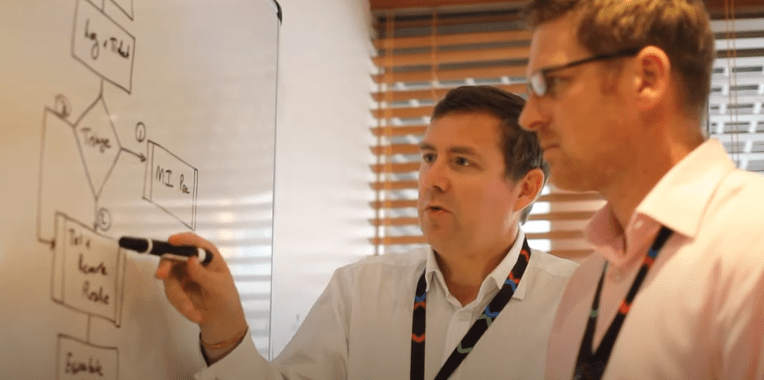
Early collaboration between IT, business development, and sales fosters a culture of open communication and knowledge sharing. Cross-functional teams collaborate on ideas and solutions, leading to holistic strategies that encompass technical and business aspects.
Continuous Improvement and Feedback Loops:
IT’s involvement from the beginning enables the establishment of feedback loops. Through continuous monitoring and analysis, businesses can gather insights, identify areas of improvement, and adapt strategies swiftly. This iterative approach drives continuous innovation and business growth.
In conlusion, the strategic integration of IT in business development and sales initiatives is a game-changer for organisations aiming to thrive in the digital age. By recognising IT as a core driver of business strategies, companies can harness innovation, enhance customer experiences, optimise operations, and ensure long-term success. Embracing this collaborative approach not only positions businesses as industry leaders but also fosters a culture of innovation and adaptability, crucial elements for sustained growth and competitiveness in today’s challenging business landscape.
 renierbotha ltd