

Building for Impact: The Essential Lesson from Eric Ries
We live in fast evolving world! Within this world of innovation and entrepreneurship, Eric Ries’ poignant question resonates deeply: “What if we found ourselves building something that nobody wanted? In that case, what did it matter if we did it on time and on budget?” This question, at the heart of Ries’ philosophy in the Lean Startup methodology, serves as a critical reminder of the importance of not just building, but building something that matters.
The Pitfall of Misplaced Priorities
In the pursuit of success, it’s easy to get caught up in the metrics that traditionally define progress: adherence to timelines, staying within budget, and completing tasks with precision. Whilst these aspects are undoubtedly important, they risk becoming the sole focus, overshadowing the fundamental question of whether the project or product in development truly meets a need or solves a real problem. Ries challenges us to shift our focus from simply completing tasks to ensuring that what we are building has inherent value and demand.
The Lean Startup Approach
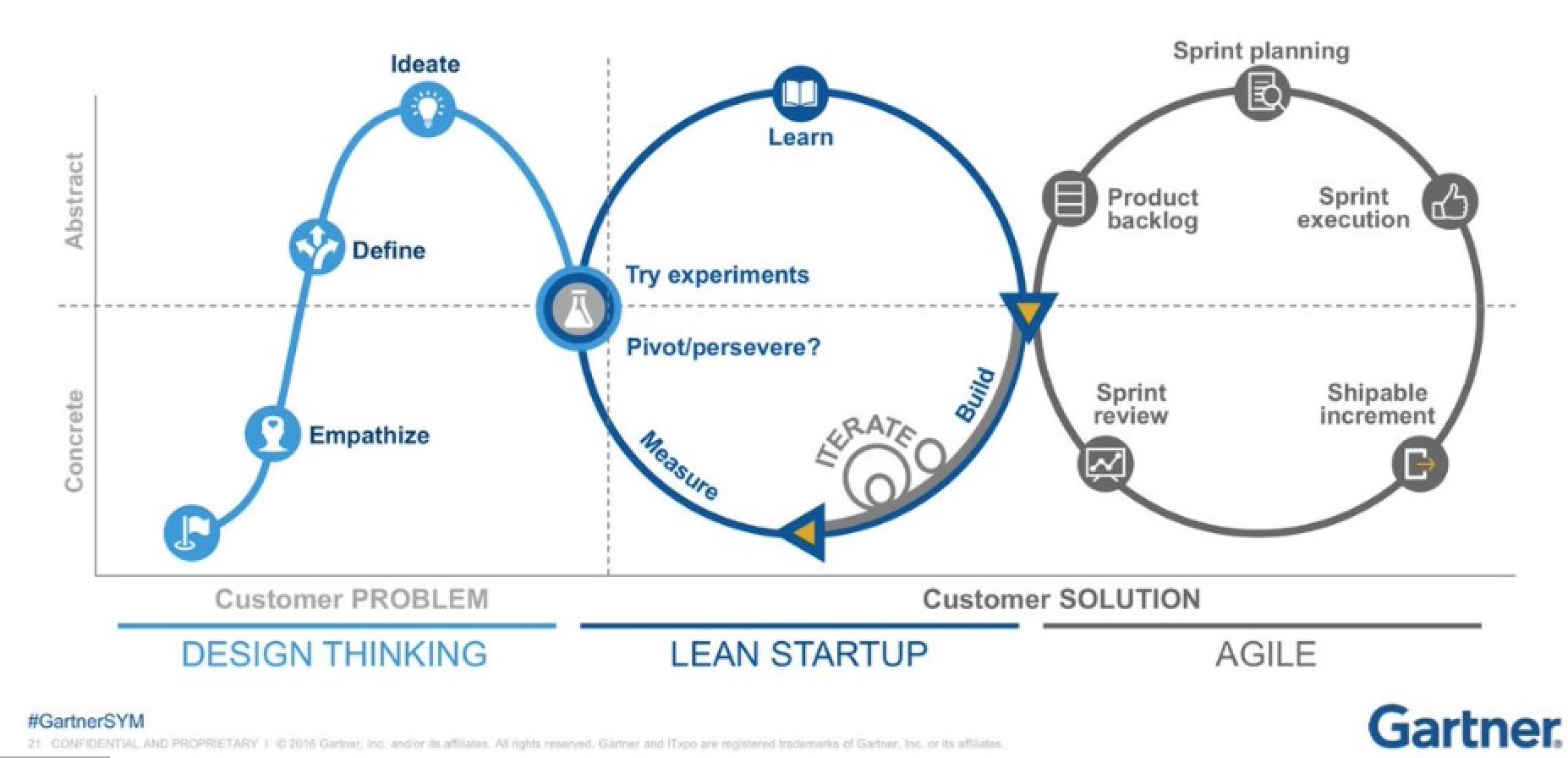
At the core of the Lean Startup methodology is the concept of building, measuring, and learning in rapid, iterative cycles. This approach encourages entrepreneurs and innovators to validate their ideas and assumptions through continuous feedback from their target audience. The goal is to learn what customers really want and need before investing too much time, energy, and resources into a product or service that may not find its market. This philosophy not only saves valuable resources but also steers projects in a direction more likely to achieve meaningful impact.
Illustrating the Impact with Case Studies
- Dropbox: Before Dropbox became a household name, its founder Drew Houston realised the importance of validating the market need for a cloud storage solution. Initially, instead of fully developing the product, he created a simple video demonstrating how Dropbox would work. The overwhelming positive response to this video was a clear indication of market demand, guiding the team to proceed with confidence. This early validation saved significant resources and positioned Dropbox to meet its users’ real needs effectively.
- Zappos: Zappos, now a leading online shoe and clothing retailer, began with a simple experiment to test market demand. Founder Nick Swinmurn initially posted pictures of shoes from local stores online without actually holding any inventory. When a pair was ordered, he would purchase it from the store and ship it to the customer. This lean approach to validating customer interest in buying shoes online allowed Zappos to scale confidently, knowing there was a genuine demand for their business model.
- Pebble Technology: Pebble Technology’s approach to validating the demand for their smartwatch is a modern example of leveraging community support through crowdfunding. Before mass-producing their product, Pebble launched a Kickstarter campaign to gauge interest. The campaign not only surpassed its funding goal but also became one of the most successful Kickstarter campaigns at the time. This validation through crowdfunding underscored the market’s desire for their product, enabling Pebble to proceed with a clear indication of customer demand.
The Importance of Building Something Wanted
The essence of Ries’ question underscores a fundamental truth in both business and personal endeavours: the importance of purpose and relevance. Building something that nobody wants is akin to solving a problem that doesn’t exist—it may be an impressive feat of engineering, creativity, or organisation, but it misses the mark on making a difference in the world. The measure of success, therefore, should not only be in the completion of the project itself but in its ability to address real needs and improve lives.
Embracing Flexibility and Adaptation
Adopting a mindset that prioritises impact over mere completion requires a willingness to be flexible and adapt to feedback. It means being prepared to pivot when data shows that the original plan isn’t meeting the needs of the market. This adaptability is crucial in navigating the unpredictable waters of innovation, where the true north is the value created for others.
Measuring and Evaluating the Relevance
Measuring and evaluating the relevance of a product or service is crucial for ensuring that it meets the actual needs of its intended users and can achieve success in the marketplace. This process involves several strategies and tools designed to gather feedback, analyze market trends, and adjust to user expectations. Below are additional insights on how to effectively carry out this evaluation.
- 1. Customer Feedback and Engagement
- Surveys and Questionnaires: Regularly conduct surveys to gather insights directly from your users about their experiences, preferences, and any unmet needs. Tailor these tools to collect specific information that can guide product development and improvement.
- User Interviews: Conduct in-depth interviews with users to understand their pain points, the context in which they use your product, and their satisfaction levels. These interviews can uncover detailed insights not evident through surveys or data analysis alone.
- Social Media and Online Forums: Monitor social media platforms and online forums related to your industry. These channels are rich sources of unsolicited feedback and can reveal how users perceive your product and what they wish it could do.
- Usability Testing
- Prototype Testing: Before full-scale production, use prototypes to test how potential users interact with your product. Observing users as they navigate a prototype can highlight usability issues and areas for improvement.
- A/B Testing: Implement A/B testing to compare different versions of your product or its features. This method can help identify which variations perform better in terms of user engagement, satisfaction, and conversion rates.
- Analyzing Market Trends
- Competitor Analysis: Keep a close watch on your competitors and their offerings. Understanding their strengths and weaknesses can help you identify gaps in the market and opportunities for differentiation.
- Market Research Reports: Leverage industry reports and market research to stay informed about broader trends that could impact the relevance of your product. This includes shifts in consumer behavior, technological advancements, and regulatory changes.
- Metrics and Analytics
- Usage Metrics: Track how users are interacting with your product through metrics such as daily active users (DAUs), session length, and feature usage rates. These indicators can help you understand which aspects of your product are most valuable to users.
- Churn Rate: Monitor your churn rate closely to understand how many users stop using your product over a given period. A high churn rate can signal issues with product relevance or user satisfaction.
- Customer Lifetime Value (CLV): Calculating the CLV provides insights into the long-term value of maintaining a relationship with your customers. This metric helps assess whether your product continues to meet users’ needs over time.
- Feedback Loops and Continuous Improvement
- Implement Continuous Feedback Loops: Establish mechanisms to continuously gather and act on feedback. This could involve regular updates based on user input, as well as ongoing testing and iteration of your product.
- Pivot When Necessary: Be prepared to pivot your product strategy if significant feedback indicates that your product does not meet market needs as expected. Pivoting can involve changing your target audience, adjusting key features, or even redefining your value proposition.
The Ultimate Goal: Making a Difference
Ultimately, the question posed by Eric Ries invites us to reflect on why we embark on the projects we choose. Are we building to simply see our plans materialise, or are we driven by a desire to make a tangible difference in the world? The true reward lies not in the accolades for completing a project on time and within budget but in the knowledge that what we have built serves a greater purpose.
As we navigate the complexities of bringing new ideas to life, let us keep this lesson at the forefront of our minds. By ensuring that what we build is truly wanted and needed, we not only enhance our chances of success but also contribute to a world where innovation and impact go hand in hand.
In conclusion, effectively measuring and evaluating the relevance of a product or service is an ongoing process that requires a combination of direct user engagement, market analysis, and data-driven insights. By staying attuned to the needs and feedback of your users and being willing to adapt based on what you learn, you can ensure that your product remains relevant and successful in meeting the evolving demands of the market.


 renierbotha ltd