Mastering Client and Stakeholder Management in Software Development Projects

Best Practices in Managing Your Client/Stakeholder During a Software Development Project

Managing clients and stakeholders effectively can be the linchpin of a successful software development project. Clear communication and effective management techniques can transform what could be a chaotic project into a well-oiled machine. Here are some best practices to ensure you and your clients or stakeholders are always on the same page:

1. Establish Clear Communication Channels

  • Kickoff Meetings: Start with a comprehensive kickoff meeting to align expectations. Discuss the scope, goals, timelines, and deliverables.
  • Regular Updates: Schedule regular update meetings to discuss progress, challenges, and next steps. Use video calls, emails, or project management tools to keep everyone informed.

2. Define Roles and Responsibilities

  • RACI Matrix: Create a RACI (Responsible, Accountable, Consulted, Informed) matrix to clearly outline who is responsible for what. This reduces confusion and ensures accountability.
  • Documentation: Keep detailed documentation of roles, responsibilities, and project milestones. This acts as a reference point throughout the project lifecycle.

3. Set Realistic Expectations

  • Scope Management: Clearly define the project scope and make sure all parties agree to it. Avoid scope creep by having a change management process in place.
  • Timeline and Budget: Be transparent about timelines and budgets. Provide realistic estimates and highlight potential risks that could affect them.

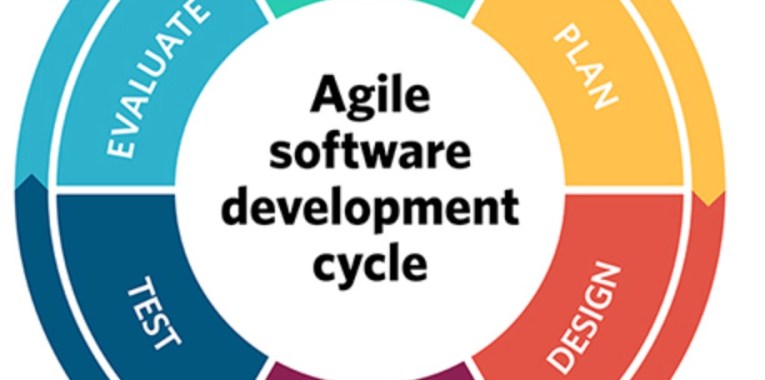
4. Use Agile Methodologies

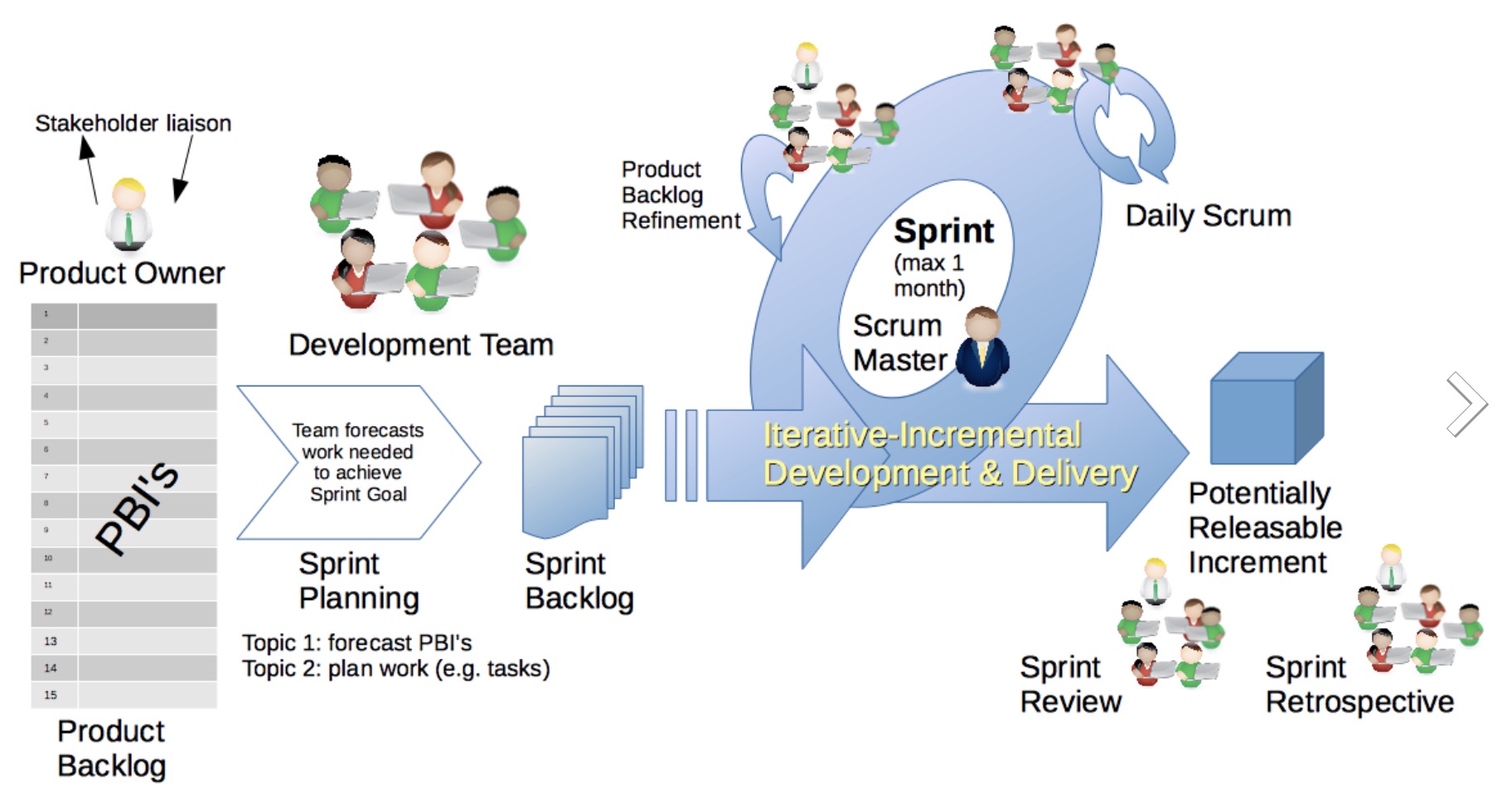
  • Sprint Planning: Break down the project into manageable sprints. Use sprint planning meetings to set objectives and ensure that everyone is aligned.
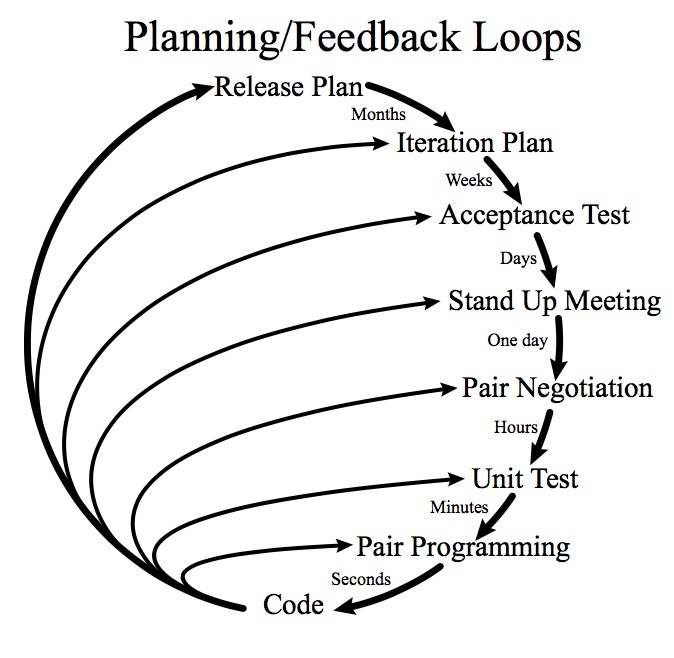
  • Feedback Loops: Implement regular feedback loops to incorporate client or stakeholder feedback early and often. This helps in making necessary adjustments before it’s too late.

5. Prioritise Transparency and Honesty

  • Progress Reports: Share regular progress reports that include both successes and challenges. Honesty about setbacks can build trust and facilitate quicker problem-solving.
  • Open Dialogue: Encourage an open dialogue where clients and stakeholders feel comfortable sharing their concerns and suggestions.

6. Employ Robust Project Management Tools

  • Software Tools: Utilise project management tools like Jira, Trello, or Asana for tracking progress, assigning tasks, and managing deadlines. These tools can improve collaboration and transparency.
  • Dashboards: Create dashboards to visualise project metrics and KPIs. This provides a real-time snapshot of the project’s health.

7. Build Strong Relationships

  • Regular Check-Ins: Beyond formal meetings, have regular check-ins to understand client or stakeholder sentiments. Personal interactions can go a long way in building trust.
  • Empathy and Understanding: Show empathy and understanding towards your clients’ and stakeholders’ needs and constraints. A good relationship fosters better collaboration.

8. Resolve Conflicts Promptly

  • Conflict Resolution Plan: Have a plan in place for resolving conflicts swiftly. This includes identifying the issue, discussing it openly, and finding a mutually agreeable solution.
  • Mediation: If conflicts escalate, consider involving a neutral third party for mediation.

9. Celebrate Milestones and Achievements

  • Acknowledgement: Recognise and celebrate project milestones and individual achievements. This boosts morale and keeps everyone motivated.
  • Client Involvement: Involve clients and stakeholders in these celebrations to show appreciation for their contributions and support.

Conclusion

Effectively managing clients and stakeholders is not just about keeping them happy; it’s about building a partnership that drives the project towards success. By establishing clear communication, setting realistic expectations, employing agile methodologies, and fostering strong relationships, you can ensure that your software development project is a triumph for everyone involved.

Feel free to tweak these practices based on your unique project needs and client dynamics. Happy managing!

Navigating the Impossible: When Tough Projects and Tougher People Collide

Life has a funny way of testing us, often throwing us into situations that feel almost impossible to handle. One of the recurring themes in my professional life has been being handed projects that are labeled as “critical” but are, in reality, near-impossible to deliver within the given timeframes or constraints. Compounding the challenge is dealing with people I would never voluntarily choose to engage with—people whose values, work ethics, or personalities directly clash with mine. And yet, money has a magnetic pull that forces us to show up, regardless of how uncomfortable or strained these situations may become.

This post is a reflection on such situations and the coping mechanisms that help me manage both the workload and the interpersonal stress, as well as the hard decisions that sometimes need to be made.

The Reality of Impossible Projects

It usually starts innocuously – a new project, an exciting idea, or an urgent need. Before you know it, you’re neck-deep in chaos: undefined requirements, unrealistic deadlines, unprepared teams, and an avalanche of expectations. These are the types of projects that make you question your abilities, your resilience, and sometimes even your life choices.

You scramble to put out fires, trying to manage both the technical complexities and the constant barrage of “urgent” updates demanded by people who don’t fully understand the scope of the work. Every hour feels like a balancing act on a fraying tightrope, where the stakes are your reputation, your sanity, and your paycheck.

The Challenge of Dealing with Difficult People

To make matters worse, these high-stress projects often come with a bonus gift: difficult people. These could be clients with shifting priorities, team members who don’t pull their weight, or stakeholders who thrive on micromanagement and conflict.

  • The Egoists: These individuals insist they know better, even when they clearly don’t. Their inability to listen can derail entire workflows.
  • The Complainers: No matter how much progress is made, these folks focus on what’s wrong. Their negativity can be contagious.
  • The Incompetents: People who overpromise but underdeliver, leaving you to clean up their mess.
  • The Disrespectful: Those who disregard your time, expertise, or boundaries, adding unnecessary stress to an already tense situation.

Dealing with these personalities can drain your energy and test your patience, making the project feel even more insurmountable.

Coping Mechanisms to Stay Afloat

While it’s easy to feel overwhelmed, I’ve found a few strategies that help me navigate these turbulent waters.

  1. Set Clear Boundaries
    Even when a project feels all-consuming, it’s essential to carve out personal time. Whether it’s an hour at the gym, a quiet walk, or just shutting off work notifications after a set hour, boundaries can save your mental health.
  2. Prioritize Ruthlessly
    Not every task is equally important, even in high-stakes projects. Focus on what truly matters and learn to say no (or not now) to tasks that don’t move the needle.
  3. Find Your Allies
    In every tough project, there are usually a few people who share your frustrations or are equally committed to success. Lean on them for support, collaboration, and perspective.
  4. Detach Emotionally
    This is easier said than done, but I’ve learned not to tie my self-worth to the success or failure of a project. Do your best, but don’t let the outcome define you.
  5. Celebrate Small Wins
    In the chaos, it’s easy to overlook progress. Acknowledge and celebrate even the smallest victories—they’re what keep you going.

The Hard Decisions

Sometimes, despite your best efforts, the stress and toxicity become too much. In such cases, tough decisions are unavoidable.

  1. Walk Away When Necessary
    No amount of money is worth sacrificing your health or happiness. If a project or client becomes too toxic, walking away might be the best choice for your long-term well-being.
  2. Reassess Your Network
    If you’re consistently dealing with difficult people, it might be time to reevaluate your professional circle. Seek out clients, colleagues, or industries that align better with your values.
  3. Consider Career Shifts
    If impossible projects and difficult people have become the norm, it might be worth considering a career change or pivot. Sometimes, the environment you’re in simply isn’t the right fit.

Final Thoughts

Navigating impossible projects and difficult people is never easy, but it’s a reality many of us face. While money is important, so too is our mental and emotional health. The key is finding a balance – learning when to push through, when to set boundaries, and when to step away.

If you’re currently facing a situation like this, know that you’re not alone. Take it one day at a time, focus on what you can control, and don’t be afraid to make the hard decisions when the cost to your well-being becomes too high. Life may keep throwing you into the fire, but each experience strengthens your ability to withstand the heat.

What to Do in Software Development Projects When Words Lose Their Value

Software development projects thrive on clear communication, mutual respect, and collaboration. However, there are times when words lose their weight—whether they fall on deaf ears or are met with indifference, hostility, or disrespect. This can derail a project, leading to misunderstandings, missed deadlines, and a toxic work environment. Here’s how to navigate these challenging situations effectively.

Recognizing the Problem

The first step is recognizing that communication has broken down. Common signs include:

  • Ignored Feedback: Suggestions or concerns go unacknowledged or dismissed without discussion.
  • Hostile Responses: Ideas are met with sarcasm, hostility, or outright disrespect.
  • Lack of Accountability: Team members fail to act on decisions or commitments, making it seem like your words are meaningless.
  • Repeated Miscommunication: Conversations repeatedly lead to misunderstandings, signaling that mutual understanding is lacking.

These situations not only hurt morale but also compromise the quality and timeline of the project.

Practical Steps to Regain Respectful Communication

  1. Pause and Reflect Before reacting, take a step back. Ask yourself:
    • Is the issue with how I’m communicating (tone, clarity, timing)?
    • Are there external factors affecting team dynamics (stress, deadlines, personal issues)? Understanding the root cause can inform your next steps.
  2. Set Clear Expectations Reiterate the importance of mutual respect and shared goals. In team meetings, emphasize that every team member’s input is valuable and that constructive communication is a cornerstone of success.
  3. Document Everything If words lose value, actions must take precedence. Document:
    • Meeting minutes, including who said what and agreed on which actions.
    • Decisions made and deadlines set.
    • Instances of unprofessional behavior, if necessary. Documentation creates accountability and ensures everyone is on the same page.
  4. Use Alternative Communication Channels Sometimes, the issue lies with the medium. If verbal discussions are ineffective:
    • Transition to written communication, like email or project management tools.
    • Use visual aids, such as diagrams or prototypes, to reinforce points.
    • Employ asynchronous tools to give team members time to process and respond thoughtfully.
  5. Involve a Mediator When conflicts escalate or respect erodes, involve a neutral third party. A mediator, such as a project manager, HR representative, or senior leader, can facilitate discussions and ensure everyone feels heard.

Addressing Disrespect Directly

When disrespect becomes a pattern, it’s critical to confront it:

  • Private Discussions: Speak privately with the individuals involved. Use “I” statements to express how their behavior affects you and the project.
    • Example: “I feel that my contributions are dismissed in meetings, and it’s affecting my ability to collaborate effectively.”
  • Escalate When Necessary: If private conversations fail, escalate the issue to management or HR. Provide documented examples of the behavior and its impact on the project.

Strengthening Team Culture

Prevention is better than cure. Build a culture where words are valued by:

  • Promoting Psychological Safety: Encourage team members to voice opinions without fear of judgment.
  • Celebrating Contributions: Acknowledge efforts and achievements regularly.
  • Training in Communication Skills: Provide workshops on active listening, constructive feedback, and conflict resolution.
  • Aligning on Shared Goals: Regularly revisit the project’s objectives and remind the team of their collective mission.

When All Else Fails

In rare cases, persistent issues may stem from toxic individuals or systemic problems in the organization. If all attempts to resolve the situation fail, consider:

  • Reassigning Roles: Shifting team members to roles better suited to their strengths.
  • Exiting the Project: If the environment remains untenable, it may be time to leave the project or organization for the sake of your mental health and professional growth.

Conclusion

In software development, words are the glue that holds projects together. When they lose their value, it’s a sign that the team dynamic needs attention. By addressing the issue head-on with empathy, structure, and persistence, you can restore respect, rebuild communication, and steer the project back on track. Remember, a successful project isn’t just about delivering code—it’s about fostering a team that collaborates effectively to create something greater than the sum of its parts.

What to Do in Software Development Projects When Words Lose Their Value

Software development projects are built on trust, collaboration, and clear communication. But what happens when words lose their impact—whether they’re met with betrayal, disrespect, or team members under relentless pressure? These situations can create an environment where even the most well-intentioned discussions fail to produce results, ultimately jeopardizing the project’s success. Here’s how to handle such challenges effectively.


Recognizing the Problem

Words tend to lose their value in three primary scenarios:

  1. Betrayal of Trust: When promises are broken, confidentiality is breached, or decisions are reversed without consultation, it undermines the credibility of communication. Team members may begin to question the sincerity or reliability of what is being said.
  2. Disrespectful Responses: Ideas or concerns met with sarcasm, dismissiveness, or hostility erode respect. When individuals feel undervalued or unheard, their willingness to engage diminishes, and collaboration suffers.
  3. Relentless Pressure: In high-stress environments with tight deadlines and overwork, communication often becomes curt, reactive, or defensive. Fatigue can cloud judgment, and team members may tune out conversations that seem unproductive or emotionally draining.

Understanding these dynamics is crucial to addressing the root causes and restoring the value of communication.


Practical Steps to Restore Effective Communication

1. Acknowledge and Address the Pressure

When relentless pressure weighs on the team, it’s vital to pause and acknowledge the stress. Ignoring it only exacerbates the problem. Consider:

  • Realigning Priorities: Reassess deadlines, features, or deliverables to ensure they’re realistic.
  • Encouraging Breaks: Promote work-life balance and encourage team members to recharge.
  • Creating Safe Spaces: Allow team members to express their frustrations in a constructive setting, such as retrospectives or one-on-one meetings.

When pressure is acknowledged and addressed, team members are more likely to re-engage in meaningful conversations.

2. Rebuild Trust

If trust has been breached, rebuilding it requires time and consistency. Steps to consider:

  • Own Mistakes: Acknowledge any lapses in trust openly and take responsibility for rectifying them.
  • Follow Through: Ensure commitments are met without fail. Even small promises kept consistently can restore confidence.
  • Encourage Transparency: Foster a culture where decisions, changes, and challenges are communicated clearly to avoid surprises.

Rebuilding trust creates a foundation where words regain their credibility.

3. Foster a Culture of Respect

Disrespect can erode communication faster than any other factor. Address it head-on by:

  • Setting Clear Expectations: Reinforce the importance of respectful dialogue in team meetings and written communications.
  • Calling Out Disrespect: Address unprofessional behavior immediately and privately. Use examples to explain why the behavior was harmful.
  • Celebrating Contributions: Recognize and appreciate team members’ efforts and ideas, reinforcing that every voice matters.

Respect transforms conversations into collaborative opportunities rather than contentious exchanges.

4. Leverage Actions Over Words

When words lose their weight, actions can often speak louder. Consider:

  • Documenting Agreements: Record decisions, timelines, and responsibilities in shared tools to avoid ambiguity.
  • Demonstrating Initiative: Instead of repeating concerns, show progress through prototypes, data, or examples that emphasize the value of your perspective.
  • Leading by Example: Model the behavior and communication style you want to see in the team.

Actions not only demonstrate commitment but also inspire others to do the same.


Preventing Communication Breakdown

To minimize the risk of words losing their value, build a strong foundation for effective communication from the outset:

  • Promote Psychological Safety: Create an environment where team members feel comfortable voicing their opinions without fear of judgment.
  • Balance Workloads: Regularly monitor team members’ workloads to ensure they’re manageable and sustainable.
  • Align on Shared Goals: Regularly revisit the project’s mission and objectives to keep everyone focused on a common purpose.
  • Invest in Conflict Resolution Skills: Provide training or resources to help team members resolve disagreements constructively.

When All Else Fails

If words consistently fail to drive action or inspire collaboration despite your efforts:

  • Escalate Constructively: Bring the issue to a project manager, HR, or senior leadership, focusing on how the communication breakdown is affecting the project.
  • Reassess Your Role: If the environment remains toxic or unresponsive to change, it may be time to consider other opportunities where your contributions will be valued.

Conclusion

Words lose their value in software development projects when they’re met with betrayal, disrespect, or relentless pressure, but these challenges are not insurmountable. By addressing the root causes, fostering respect, and demonstrating commitment through action, you can rebuild trust, restore meaningful communication, and help guide the project to success. In the end, actions and attitudes are just as important as the words themselves in creating a team that listens, respects, and collaborates effectively.

When Longevity Becomes a Liability: The Innovation Challenge of Long-Tenured Staff

Why Long-Tenure Staff May Hinder Innovation in Business

in the digital era, businesses are under constant pressure to innovate, adapt, and stay ahead of the competition. Technology is no longer just a supporting function; it is the backbone of modern business operations. Consequently, the IT department plays a pivotal role in driving innovation. However, many organisations are beginning to realise that long-tenure IT staff—while valuable in many ways—can sometimes act as a barrier to the innovation required for growth and success.

Here, we’ll explore why this phenomenon occurs and how businesses can balance institutional knowledge with fresh perspectives to foster innovation.

The Benefits of Long-Tenure IT Staff

Before diving into the challenges, it’s important to recognise the advantages long-tenured IT staff bring:

  1. Deep Institutional Knowledge: Long-tenured employees are often well-versed in a company’s systems, processes, and history. They understand the intricacies of legacy systems, organisational workflows, and the cultural nuances that drive decision-making.
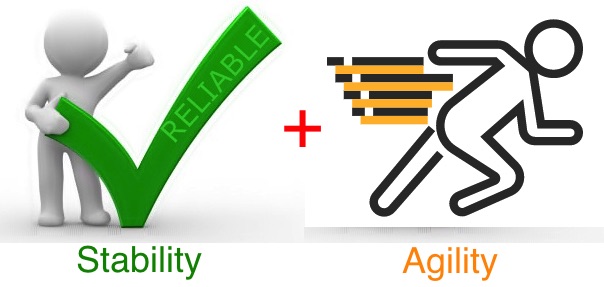
  2. Reliability and Stability: Experienced IT staff often become the go-to experts for troubleshooting and maintaining the systems that keep businesses running smoothly.
  3. Strong Relationships: Over time, long-term employees build trust and rapport with other departments, vendors, and stakeholders.

While these qualities are beneficial for operational continuity, they can inadvertently create barriers to innovation.

The Innovation Problem with Long-Tenured IT Staff

  1. Comfort with the Status Quo Long-tenured IT professionals often grow comfortable with existing systems and processes. This familiarity can breed complacency or resistance to change. Phrases like “We’ve always done it this way” become a common refrain, stifling creative problem-solving and the adoption of cutting-edge solutions.
  2. Over-Reliance on Legacy Systems IT staff who have been with an organisation for a long time may have invested significant effort in developing or maintaining legacy systems. They may resist initiatives that threaten to replace or overhaul these systems, even when such changes are critical for innovation. This attachment can lead to technical debt and inhibit digital transformation.
  3. Skill Stagnation Technology evolves rapidly, and IT professionals must continually learn and adapt. However, long-tenured staff may prioritise maintaining existing systems over acquiring new skills, leaving the organisation at a disadvantage when adopting emerging technologies such as artificial intelligence, blockchain, or advanced data analytics.
  4. Criticism of Change to Protect Knowledge Long-tenured staff often perceive change as a threat to their hold on knowledge and influence within the organisation. New systems, tools, or processes might reduce the reliance on their expertise, potentially diminishing their perceived value. As a result, they may criticise or sabotage new initiatives to maintain their authority, hindering the adoption of innovations that could benefit the business.
  5. Conflicts with Other Staff and Held Grudges Over time, long-tenured employees may develop personal or professional conflicts with colleagues. These grudges can create tension and impede collaboration. For instance, they might resist new ideas proposed by newer staff, not because the ideas lack merit, but due to unresolved interpersonal issues. Such behaviour fosters a toxic environment that stifles innovation and discourages cross-functional teamwork.
  6. Groupthink and Insular Thinking Long-term employees often form tight-knit teams that share similar perspectives. While this cohesion can be beneficial, it can also lead to groupthink, where alternative ideas and outside-the-box thinking are dismissed. This insularity can prevent the organisation from exploring innovative approaches.
  7. Lack of Fresh Perspectives Innovation often comes from diverse perspectives and new ways of thinking. Long-tenured IT staff, steeped in a company’s established practices, may lack the external viewpoints needed to challenge norms and drive disruptive innovation.

Balancing Institutional Knowledge with Innovation

To foster a culture of innovation without losing the value of long-tenured staff, organisations should adopt a balanced approach:

  1. Encourage Lifelong Learning Provide long-tenured staff with access to training, certifications, and opportunities to learn emerging technologies. Encouraging continuous education can help them stay relevant and open to change.
  2. Infuse New Talent Actively recruit IT professionals with diverse experiences and fresh perspectives. These new hires can bring innovative ideas and challenge entrenched ways of thinking.
  3. Promote Cross-Functional Collaboration Innovation often arises from collaboration across departments. Encourage IT teams to work closely with other areas of the business, such as marketing, product development, and customer experience, to identify and implement creative solutions.
  4. Reward Risk-Taking and Experimentation Create a culture that rewards experimentation and tolerates failure. This will motivate both new and long-tenured employees to propose bold ideas and explore innovative technologies.
  5. Address Interpersonal Conflicts Organisations should prioritise conflict resolution strategies to address grudges or interpersonal issues. This could involve mediation, open discussions, or team-building exercises to rebuild trust and foster collaboration.
  6. Implement Reverse Mentorship Programmes Pair long-tenured staff with newer employees or younger professionals who can share fresh perspectives, tech trends, and innovative approaches. This two-way exchange benefits both parties and enhances the organisation’s overall agility.
  7. Embrace Agile Practices Adopting agile methodologies can help break down silos and encourage iterative innovation. This can be especially helpful in pushing long-tenured staff to embrace change and adapt to dynamic business needs.

Conclusion

While long-tenured IT staff are valuable for their institutional knowledge and operational stability, their comfort with the status quo, resistance to change, and interpersonal conflicts can inadvertently stifle innovation. Businesses must recognise these challenges and proactively address them by fostering a culture that balances experience with fresh perspectives. Encouraging lifelong learning, resolving conflicts, and embracing diverse viewpoints are essential steps to maintaining a forward-thinking IT team.

Ultimately, innovation isn’t just about technology—it’s about mindset. By addressing these barriers, organisations can empower their IT departments to become true catalysts for transformation, driving growth and competitiveness in today’s rapidly evolving landscape.

Handling Underqualified or Inexperienced Team Members in Leadership Positions

One of the most challenging dynamics in a software development project is when underqualified, underskilled, or inexperienced individuals are placed in positions of leadership. This can result in poor decision-making, lack of direction, and demotivated team members. It’s crucial to address this issue tactfully to protect the project’s success and maintain a collaborative environment.

The Challenges of Inexperienced Leadership

When unqualified leaders are part of the equation, several challenges may arise:

  • Poor Decision-Making: Inadequate technical or managerial knowledge can lead to unrealistic timelines, poor resource allocation, or misguided priorities.
  • Micromanagement or Overreach: Lacking confidence in their own skills, inexperienced leaders may micromanage, creating friction within the team.
  • Failure to Empower the Team: Leadership requires enabling others to excel, but an inexperienced leader may stifle creativity and productivity.
  • Erosion of Trust: If the team perceives the leader as incapable, respect and trust diminish, further undermining the leader’s authority.

Strategies for Navigating This Dynamic

  1. Focus on Collaboration, Not Authority Approach the situation with empathy and focus on collaboration rather than challenging their authority directly. Demonstrate your willingness to work together for the project’s benefit, which can alleviate tension and create a sense of partnership.
    • Example: If they make a questionable decision, frame your input as a suggestion: “I see where you’re coming from, but have you considered [alternative]?”
  2. Provide Constructive Feedback If the leader’s decisions or actions are harming the project, it’s essential to provide feedback. Focus on behaviors and outcomes rather than personal traits. Use examples to illustrate your points.
    • Example: “In our last sprint, we underestimated the time required for testing. I think we could avoid this next time by involving the QA team earlier in planning.”
  3. Support Their Growth Inexperienced leaders often struggle because they lack the necessary tools or mentorship. Offer your support:
    • Share relevant resources, like documentation or articles.
    • Suggest training or professional development opportunities.
    • Offer to mentor them in specific areas where you have expertise.
    By positioning yourself as a partner rather than a critic, you foster goodwill and mutual respect.
  4. Leverage Collective Expertise Encourage a team-driven approach to decision-making. This reduces the pressure on the leader and ensures better outcomes for the project.
    • Example: Use retrospectives, brainstorming sessions, or collaborative planning tools to democratize the decision-making process.
  5. Escalate Through the Proper Channels If the leader’s inexperience is causing significant harm to the project, escalate the issue to the appropriate stakeholders:
    • Present documented examples of the impact (missed deadlines, low morale, etc.).
    • Focus on solutions rather than blaming the individual.
    • Suggest implementing a mentoring system, co-leadership, or involving senior team members in decision-making.

Strengthening Leadership in the Organization

To prevent unqualified leaders from being placed in critical roles, organizations should:

  • Vet Leadership Roles Thoroughly: Implement more rigorous evaluation processes for leadership appointments, focusing on both technical and soft skills.
  • Foster a Mentorship Culture: Pair new leaders with experienced mentors to guide them through their responsibilities.
  • Invest in Leadership Training: Provide resources, courses, and workshops to help team members develop the skills necessary for leadership.
  • Encourage Honest Feedback: Create an environment where team members can provide feedback about leadership without fear of repercussions.

When the System Fails

If all efforts to address the issue fail and the unqualified leader remains in their role, you may need to:

  • Adapt Your Role: Focus on how you can contribute effectively despite the challenges.
  • Protect Team Morale: Foster camaraderie and collaboration within the team to minimize the impact of weak leadership.
  • Evaluate Long-Term Options: If poor leadership is a systemic issue within the organization, consider whether the environment aligns with your professional goals.

Conclusion

An inexperienced leader doesn’t have to doom a project. By taking proactive steps to support their growth, providing constructive feedback, and fostering team collaboration, you can mitigate the challenges posed by underqualified leadership. While addressing this issue requires tact and patience, it’s an opportunity to model the kind of leadership that inspires respect, drives success, and builds stronger teams for the future.

Attracting and Retaining Top Tech Talent

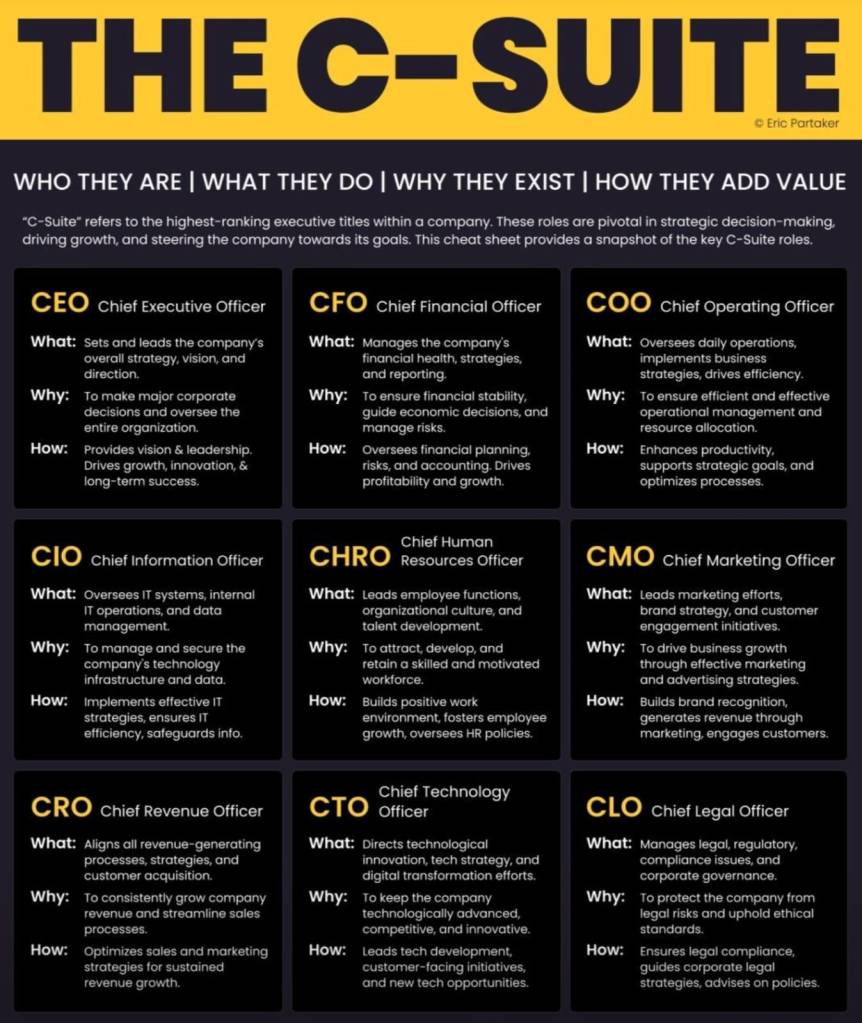
Day 10 of Renier Botha’s 10-Day Blog Series on Navigating the Future: The Evolving Role of the CTO

Attracting and retaining top tech talent is crucial for any organization’s success and in a rapid evolveing technology landscape, this continuous to be a ongoing concern. The competition for skilled professionals is fierce, and companies must implement strategic measures to build and maintain a strong, innovative team. This blog post provides advice and actionable insights for Chief Technology Officers (CTOs) on talent acquisition, development, and retention, featuring quotes from industry leaders and real-world examples.

The Importance of Attracting and Retaining Tech Talent

Top tech talent drives innovation, enhances productivity, and helps organizations stay competitive. However, the demand for skilled professionals often outstrips supply, making it challenging to attract and retain the best candidates.

Quote: “Attracting and retaining top talent is one of the most important tasks for any leader. The team you build is the company you build.” – Marc Benioff, CEO of Salesforce

Strategies for Attracting Top Tech Talent

1. Build a Strong Employer Brand

A strong employer brand attracts top talent by showcasing the company’s values, culture, and opportunities for growth. Highlight what makes your organization unique and why it is an excellent place for tech professionals to work.

Example: Google is renowned for its strong employer brand. The company’s innovative culture, commitment to employee well-being, and opportunities for career development make it a top choice for tech talent.

Actionable Advice for CTOs:

  • Promote Company Culture: Use social media, blogs, and employee testimonials to showcase your company’s culture and values.
  • Highlight Career Development: Emphasize opportunities for career growth, professional development, and continuous learning.
  • Engage with the Tech Community: Participate in industry events, hackathons, and conferences to build your brand and connect with potential candidates.

2. Offer Competitive Compensation and Benefits

Competitive compensation and benefits packages are essential for attracting top talent. In addition to salary, consider offering bonuses, stock options, flexible work arrangements, and comprehensive benefits.

Example: Netflix offers competitive salaries, unlimited vacation days, and flexible work hours. These benefits make the company an attractive employer for tech professionals.

Actionable Advice for CTOs:

  • Conduct Market Research: Regularly benchmark your compensation and benefits packages against industry standards.
  • Offer Flexibility: Provide options for remote work, flexible hours, and work-life balance initiatives.
  • Tailor Benefits: Customize benefits packages to meet the needs and preferences of your tech employees.

3. Foster an Inclusive and Diverse Workplace

Diversity and inclusion are critical for fostering innovation and attracting a broader pool of talent. Create a workplace environment where all employees feel valued, respected, and supported.

Example: Microsoft has made significant strides in promoting diversity and inclusion. The company’s initiatives include diversity hiring programs, employee resource groups, and unconscious bias training.

Actionable Advice for CTOs:

  • Implement Inclusive Hiring Practices: Use diverse hiring panels, blind resume reviews, and inclusive job descriptions to attract diverse candidates.
  • Support Employee Resource Groups: Encourage the formation of employee resource groups to support underrepresented communities.
  • Provide Training: Offer training on diversity, equity, and inclusion to all employees and leaders.

4. Leverage Technology in Recruitment

Utilize technology to streamline recruitment processes and reach a wider audience. Applicant tracking systems (ATS), AI-powered recruiting tools, and social media platforms can help identify and engage with top talent.

Example: LinkedIn uses AI and data analytics to match candidates with job opportunities, helping companies find the best talent efficiently.

Actionable Advice for CTOs:

  • Invest in Recruitment Technology: Implement ATS and AI-powered tools to automate and enhance recruitment processes.
  • Optimize Social Media: Use platforms like LinkedIn, GitHub, and Stack Overflow to connect with potential candidates.
  • Analyze Recruitment Data: Use data analytics to track recruitment metrics and identify areas for improvement.

Strategies for Developing and Retaining Top Tech Talent

1. Provide Continuous Learning and Development

Investing in continuous learning and development keeps employees engaged and up-to-date with the latest technologies and industry trends. Offer training programs, workshops, and opportunities for professional growth.

Example: IBM’s “Think Academy” provides employees with access to a wide range of online courses, certifications, and learning resources, ensuring they stay current with industry advancements.

Actionable Advice for CTOs:

  • Create Learning Paths: Develop personalized learning paths for employees based on their roles and career goals.
  • Offer Diverse Training Options: Provide access to online courses, certifications, conferences, and in-house training programs.
  • Encourage Knowledge Sharing: Foster a culture of knowledge sharing through mentorship programs, lunch-and-learn sessions, and internal tech talks.

2. Foster a Collaborative and Innovative Culture

Create an environment that encourages collaboration, creativity, and innovation. Empower employees to experiment, take risks, and contribute to meaningful projects.

Example: Atlassian promotes a culture of innovation through its “ShipIt Days,” where employees have 24 hours to work on any project they choose. This initiative fosters creativity and drives new ideas.

Actionable Advice for CTOs:

  • Encourage Cross-Functional Teams: Form cross-functional teams to work on projects, promoting diverse perspectives and collaboration.
  • Support Innovation: Allocate time and resources for employees to work on innovative projects and ideas.
  • Recognize Contributions: Acknowledge and reward employees’ contributions to innovation and collaboration.

3. Implement Career Development Programs

Provide clear career development pathways and opportunities for advancement. Regularly discuss career goals with employees and help them achieve their aspirations within the organization.

Example: Salesforce offers a robust career development program, including leadership training, mentorship opportunities, and personalized career planning.

Actionable Advice for CTOs:

  • Conduct Regular Career Discussions: Schedule regular one-on-one meetings to discuss employees’ career goals and development plans.
  • Offer Mentorship Programs: Pair employees with mentors to guide their career growth and provide valuable insights.
  • Promote Internal Mobility: Encourage employees to explore different roles and departments within the organization.

4. Prioritize Employee Well-being

Support employee well-being by offering programs and resources that address physical, mental, and emotional health. A healthy and happy workforce is more productive and engaged.

Example: Adobe prioritizes employee well-being through its “Life@Adobe” program, which includes wellness initiatives, mental health resources, and flexible work options.

Actionable Advice for CTOs:

  • Offer Wellness Programs: Provide access to wellness programs, fitness classes, and mental health resources.
  • Encourage Work-Life Balance: Promote work-life balance through flexible work arrangements and time-off policies.
  • Create a Supportive Environment: Foster a supportive work environment where employees feel comfortable discussing their well-being needs.

Real-World Examples of Successful Talent Strategies

Example 1: Google

Google’s commitment to creating a positive work environment has made it a magnet for top tech talent. The company’s innovative culture, competitive compensation, and focus on employee well-being have resulted in high employee satisfaction and retention rates.

Example 2: Amazon

Amazon invests heavily in employee development through its “Career Choice” program, which pre-pays 95% of tuition for courses in in-demand fields. This investment in continuous learning helps retain top talent and ensures employees’ skills stay relevant.

Example 3: LinkedIn

LinkedIn promotes a collaborative and inclusive culture through its “InDay” program, where employees can work on projects outside their regular responsibilities. This initiative fosters creativity and allows employees to pursue their passions, contributing to high engagement and retention.

Conclusion

Attracting and retaining top tech talent is critical for driving innovation and maintaining a competitive edge. By building a strong employer brand, offering competitive compensation and benefits, fostering an inclusive and collaborative culture, leveraging technology in recruitment, and prioritizing employee development and well-being, organizations can build a strong, innovative team.

For CTOs, the journey to attracting and retaining top tech talent involves strategic planning, continuous investment in people, and a commitment to creating a supportive and dynamic work environment. Real-world examples from leading companies like Google, Amazon, and LinkedIn demonstrate the effectiveness of these strategies.

Read more blog post on People here : https://renierbotha.com/tag/people/

Stay tuned as we continue to explore critical topics in our 10-day blog series, “Navigating the Future: A 10-Day Blog Series on the Evolving Role of the CTO” by Renier Botha. Visit www.renierbotha.com for more insights and expert advice.

The Transformative Impact of AI in the Workplace

In just a few short years, the landscape of work as we know it has undergone a dramatic transformation, driven largely by the rapid evolution of artificial intelligence (AI). What once seemed like futuristic technology is now an integral part of our daily professional lives, reshaping industries, workflows, and job markets at an unprecedented pace. From enhancing productivity and creativity to redefining job roles and career paths, AI’s influence is profound and far-reaching. This post delves into the findings of the 2024 Work Trend Index, offering a comprehensive look at how AI is revolutionising the workplace and setting the stage for future innovations.

The 2024 Work Trend Index, released jointly by Microsoft and LinkedIn, provides an in-depth look at how AI is reshaping the workplace and the broader labor market. This comprehensive report, based on data from 31,000 individuals across 31 countries, offers valuable insights into the current state and future trajectory of AI in professional settings.

The Proliferation of AI in the Workplace

In the past year, generative AI has emerged as a transformative force, fundamentally changing how employees interact with technology. The relentless pace of work, accelerated by the pandemic, has driven employees to adopt AI tools on a significant scale. However, while leaders acknowledge AI’s critical role in maintaining competitiveness, many are still grappling with how to implement and measure its impact effectively.

Key Findings from the Work Trend Index

  1. Employee-Driven AI Adoption:
    • Widespread AI Usage: A significant 75% of knowledge workers are now integrating AI into their daily tasks.
    • Productivity Boosts: AI is helping employees save time, enhance creativity, and focus on essential work.
    • Leadership Challenges: Despite the widespread use of AI, many leaders find it difficult to quantify its productivity gains and feel unprepared to create a comprehensive AI strategy.
  2. AI’s Influence on the Job Market:
    • Talent Shortages: More than half of business leaders (55%) express concerns about filling open positions, especially in fields like cybersecurity, engineering, and creative design.
    • Career Shifts: With a high number of professionals considering career changes, AI skills are becoming increasingly crucial. LinkedIn data reveals a significant rise in professionals adding AI competencies to their profiles.
    • Training Disparities: While leaders prefer hiring candidates with AI expertise, only 39% of employees have received formal AI training from their employers, prompting many to upskill independently.
  3. Emergence of AI Power Users:
    • Workflow Optimisation: Power users of AI have restructured their workdays, saving significant time and improving job satisfaction.
    • Supportive Work Environments: These users often work in companies where leadership actively promotes AI usage and provides tailored training.

Enhancing AI Utilisation with Copilot for Microsoft 365

To address the challenges of effectively utilising AI, Microsoft has introduced a suite of new features in Copilot for Microsoft 365. These innovations are meticulously designed to simplify AI interactions, making them more intuitive and significantly enhancing overall productivity. Here’s a closer look at the key features:

  • Prompt Auto-Completion: One of the standout features of Copilot for Microsoft 365 is the Prompt Auto-Completion tool. This functionality aims to streamline the process of interacting with AI by offering intelligent suggestions to complete user prompts. Here’s how it works:
    • Contextual Suggestions: When users begin typing a prompt, Copilot leverages contextual understanding to offer relevant completions. This helps in formulating more precise queries or commands, saving users time and effort.
    • Enhanced Creativity: By providing detailed and nuanced suggestions, Prompt Auto-Completion helps users explore new ways to leverage AI, sparking creativity and innovation in task execution.
    • Efficiency Boost: This feature reduces the cognitive load on users, allowing them to focus on critical aspects of their work while Copilot handles the intricacies of prompt formulation.
  • Rewrite Feature: The Rewrite Feature is another powerful tool within Copilot for Microsoft 365, designed to elevate the quality of AI interactions:
    • Transformation of Basic Prompts: Users can input basic, rudimentary prompts, and the Rewrite Feature will enhance them into rich, detailed commands. This ensures that users can maximize the capabilities of AI without needing to craft complex prompts themselves.
    • User Empowerment: This feature empowers all users, regardless of their technical proficiency, to harness the full potential of AI. It acts as a bridge, turning simple ideas into fully realised AI-driven solutions.
    • Consistency and Accuracy: By refining prompts, the Rewrite Feature helps in achieving more accurate and consistent results from AI, leading to better decision-making and outcomes.
  • Catch Up Interface: The Catch Up Interface is an innovative chat-based feature designed to keep users informed and prepared, enhancing their ability to manage tasks effectively:
    • Personalised Insights: This interface provides personalized insights based on the user’s recent activities and interactions. It surfaces relevant information, such as project updates, deadlines, and upcoming meetings, tailored to the individual’s workflow.
    • Responsive Recommendations: Catch Up Interface offers proactive recommendations, like preparing for meetings by providing detailed notes or suggesting resources. These recommendations are dynamically generated, helping users stay ahead of their schedule.
  • Streamlined Communication: By consolidating essential information into an easy-to-navigate chat format, this feature ensures that users have quick access to what they need, reducing the time spent searching for information and improving overall efficiency.
  • Seamless Integration and User Experience: These features within Copilot for Microsoft 365 are designed to work seamlessly together, providing a cohesive and intuitive user experience. The integration of these tools into daily workflows means that users can interact with AI in a more natural and productive manner. The aim is to not only simplify AI utilisation but also to enhance the overall quality of work by leveraging AI’s full potential.

The introduction of these advanced features in Copilot for Microsoft 365 marks a significant step forward in AI utilisation within the workplace. By simplifying interactions, enhancing prompt formulation, and providing personalised insights, Microsoft is making it easier for employees to integrate AI into their daily tasks. These innovations are set to transform the way we work, driving productivity and fostering a more creative and efficient work environment. As AI continues to evolve, tools like Copilot for Microsoft 365 will be crucial in helping businesses and employees stay competitive and ahead of the curve.

The Introduction of AI-Enabled PCs

Building on the momentum of AI integration, Microsoft has launched the CoPilot+ PC, marking a significant advancement in personal computing. This AI-enabled PC, powered by state-of-the-art processor technology, is designed to maximise AI capabilities, offering several key benefits:

  • Enhanced Performance: The new processors significantly boost computing power, enabling faster data processing and more efficient multitasking. This ensures that AI applications run smoothly, enhancing overall user experience.
  • Seamless AI Integration: CoPilot+ PCs are optimised to work seamlessly with AI tools like Microsoft 365’s Copilot, providing users with intuitive and responsive AI interactions that streamline workflows and boost productivity.
  • Improved Multitasking: With advanced hardware designed to handle multiple AI-driven tasks simultaneously, users can manage their workload more effectively, reducing downtime and increasing efficiency.
  • User-Friendly Experience: These PCs are designed to be user-friendly, making it easier for individuals to harness AI technology without needing extensive technical knowledge.

The launch of the CoPilot+ PC represents a significant leap forward in how hardware and AI can combine to enhance productivity and efficiency in the workplace. This innovation underscores the critical role that advanced technology will continue to play in driving the future of work.

Conclusion

The 2024 Work Trend Index underscores the transformative potential of AI in the workplace. As AI continues to evolve, both employees and leaders must adapt, upskill, and embrace new technologies to stay ahead. The introduction of AI-enabled PCs like the CoPilot+ marks an exciting development in this journey, promising to further revolutionize how we work. For a deeper exploration of these insights, the full Work Trend Index report is available on WorkLab, alongside extensive resources on AI and the labor market provided by LinkedIn.

The Perils of Losing Perspective: Why Senior Leaders Must “Stay in the Helicopter” for Strategic Success

Introduction

Have you ever found yourself so deeply immersed in a hectic period that your operational duties blur the lines of strategic focus? In the fast-paced world of business, senior leadership often faces the challenge of balancing day-to-day operations with long-term strategic planning. This reminded me of a book I’ve read in 2016 – “Staying in the Helicopter: The Key to Sustained Strategic Success,” in which Richard Harrop, uses the metaphor of “staying in the helicopter” to emphasize the importance of maintaining a high-level perspective. This book has been invaluable in helping me understand the importance of maintaining a high-level perspective while managing the complexities of daily operations, ensuring that an organisation remains agile, innovative, and competitive. However, what happens when senior leaders get too involved in the minutiae of daily operations? This blog post explores the risks businesses face when their leaders “get out of the helicopter” and lose sight of the broader strategic picture.

Staying in the Helicopter – maintaining a strategic, high-level perspective

“Staying in the Helicopter: The Key to Sustained Strategic Success” by Richard Harrop is a business leadership book that emphasizes the importance of maintaining a strategic, high-level perspective to achieve long-term success. Harrop uses the metaphor of “staying in the helicopter” to illustrate the necessity for leaders to rise above daily operations and view their organization and its environment from a broader perspective.

Key themes of the book include:

  1. Strategic Vision: Encourages leaders to develop and maintain a clear, long-term vision for their organizations.
  2. Adaptability: Stresses the need for organizations to be flexible and adaptable in response to changing market conditions.
  3. Leadership Skills: Discusses the qualities and skills necessary for effective leadership, including decision-making, communication, and the ability to inspire and motivate others.
  4. Continuous Improvement: Advocates for a culture of continuous learning and improvement within organizations.
  5. Balanced Perspective: Emphasizes balancing short-term operational demands with long-term strategic goals.

Through practical advice, case studies, and personal anecdotes, Harrop provides insights and tools for leaders to enhance their strategic thinking and ensure sustained success in their organisations.

Risks of not staying in the helicopter

If senior leadership gets “out of the helicopter” and becomes overly focused on day-to-day operations, several risks to the business can arise:

  1. Loss of Strategic Vision: Without a high-level perspective, leaders may lose sight of the long-term goals and vision of the organization, leading to a lack of direction and strategic focus.
  2. Inability to Adapt: Being too immersed in daily operations can make it difficult to notice and respond to broader market trends and changes, reducing the organization’s ability to adapt to new challenges and opportunities.
  3. Missed Opportunities: Leaders might miss out on identifying new opportunities for growth, innovation, or strategic partnerships because they are too focused on immediate issues.
  4. Operational Myopia: Overemphasis on short-term operational issues can result in neglecting important strategic initiatives, such as research and development, marketing, and expansion plans.
  5. Resource Misallocation: Resources may be allocated inefficiently, focusing too much on immediate problems rather than investing in strategic projects that ensure long-term success.
  6. Employee Disengagement: Employees may feel directionless and unmotivated if they perceive that leadership lacks a clear vision or strategic direction, leading to decreased morale and productivity.
  7. Competitive Disadvantage: Competitors who maintain a strategic perspective can outmaneuver the organization, leading to a loss of market share and competitive edge.
  8. Risk Management Failures: A lack of high-level oversight can result in inadequate risk management, leaving the organization vulnerable to unforeseen threats and crises.
  9. Innovation Stagnation: Innovation may stagnate if leaders are too focused on maintaining the status quo rather than exploring new ideas and fostering a culture of creativity.
  10. Leadership Burnout: Senior leaders might experience burnout from being overly involved in day-to-day operations, which can impair their ability to lead effectively and make sound strategic decisions.

Maintaining a balance between operational oversight and strategic vision is crucial for sustainable success and long-term growth.

Conclusion

In summary, while attention to daily operations is vital for the smooth running of any organization, senior leaders must not lose sight of the bigger picture. Richard Harrop’s concept of “staying in the helicopter” serves as a critical reminder of the importance of strategic oversight. By maintaining a high-level perspective, leaders can ensure their organizations remain adaptable, innovative, and competitive. Failing to do so can lead to a host of risks, from missed opportunities to operational myopia and beyond. Balancing immediate operational demands with long-term strategic vision is essential for sustained success and growth in today’s dynamic business environment.

The Dynamics of Managing IT Staff: Non-Technical Business Leaders vs. Business-Savvy Technical Leaders

Introduction

In today’s technology driven business environment, the interplay between technical and non-technical roles is crucial for the success of many companies, particularly in industries heavily reliant on IT. As companies increasingly depend on technology, the question arises: Should IT staff be managed by non-technical people, or is it more effective to have IT professionals who possess strong business acumen?

The question of whether non-technical people should manage IT staff is a significant one, as the answer can impact the efficiency and harmony of operations within an organisation. This blog post delves into the perspectives of both IT staff and business staff to explore the feasibility and implications of such managerial structures.

Understanding the Roles

IT Staff: Typically includes roles such as software developers, data and analytics professionals, system administrators, network engineers, and technical support specialists. These individuals are experts in their fields, possessing deep technical knowledge and skills.

Business Staff (Non-Technical Managers): Includes roles like cleint account managers, project managers, team leaders, sales, marketing and human resources and other managerial positions that may not require detailed technical expertise but focus on project delivery, client interaction, and meeting business objectives.

Undeniably, the relationship between technical and non-technical roles is pivotal but there are different perspectives on who is best suited to manage technical staff which introduces specific challenges but also benefits and advantages to the business as a whole.

Perspectives on Non-Technical Management of IT Staff

IT Staff’s Point of View

Challenges:

  • Miscommunication: Technical concepts and projects often involve a language of their own. Non-technical managers may lack the vocabulary and understanding needed to effectively communicate requirements or constraints to their IT teams.
  • Mismatched Expectations: Without a strong grasp of technical challenges and what is realistically achievable, non-technical managers might set unrealistic deadlines or fail to allocate sufficient resources, leading to stress and burnout among IT staff.
  • Inadequate Advocacy: IT staff might feel that non-technical managers are less capable of advocating for the team’s needs, such as the importance of technical debt reduction, to higher management or stakeholders.

Benefits:

  • Broader Perspective: Non-technical managers might bring a fresh perspective that focuses more on the business or customer impact rather than just the technical side.
  • Enhanced Focus on Professional Development: Managers with a non-technical background might prioritize soft skills and professional growth, helping IT staff develop in areas like communication and leadership.

Business Staff’s Point of View

Advantages:

  • Focus on Business Objectives: Non-technical managers are often more attuned to the company’s business strategies and can steer IT projects to align more closely with business goals.
  • Improved Interdepartmental Communication: Managers without deep technical expertise might be better at translating technical jargon into business language, which can help bridge gaps between different departments.

Challenges:

  • Dependency on Technical Leads: Non-technical managers often have to rely heavily on technical leads or senior IT staff to make key decisions, which can create bottlenecks or delay decision-making.
  • Potential Underestimation of Technical Challenges: There’s a risk of underestimating the complexity or time requirement for IT projects, which can lead to unrealistic expectations from stakeholders.

Best Practices for Non-Technical Management of IT Teams

  • Education and Learning: Non-technical managers should commit to learning basic IT concepts and the specific technologies their team works with to improve communication and understanding.
  • Hiring and Leveraging Technical Leads: Including skilled technical leads who can act as a bridge between the IT team and the non-technical manager can mitigate many challenges.
  • Regular Feedback and Communication: Establishing strong lines of communication through regular one-on-ones and team meetings can help address issues before they escalate.
  • Respecting Expertise: Non-technical managers should respect and trust the technical assessments provided by their team, especially on the feasibility and time frames of projects.

The Role of IT Professionals with Strong Business Acumen and Commercial Awareness

The evolving landscape of IT in business settings, has begun to emphasise the importance of IT professionals who not only possess technical expertise but also a strong understanding of business processes and commercial principles – technology professionals with financial intelligence and a strong commercial awareness. Such dual-capacity professionals can bridge the gap between technical solutions and business outcomes, effectively enhancing the strategic integration of IT into broader business goals.

Advantages of IT Staff with Business Skills

  • Enhanced Strategic Alignment: IT professionals with a business acumen can better understand and anticipate the needs of the business, leading to more aligned and proactive IT strategies. They are able to design and implement technology solutions that directly support business objectives, rather than just fulfilling technical requirements.
  • Improved Project Management: When IT staff grasp the broader business impact of their projects, they can manage priorities, resources, and timelines more effectively. This capability makes them excellent project managers who can oversee complex projects that require a balance of technical and business considerations.
  • Effective Communication with Stakeholders: Communication barriers often exist between technical teams and non-technical stakeholders. IT staff who are versed in business concepts can translate complex technical information into terms that are meaningful and impactful for business decision-makers, improving decision-making processes and project outcomes.
  • Better Risk Management: Understanding the business implications of technical decisions allows IT professionals to better assess and manage risks related to cybersecurity, data integrity, and system reliability in the context of business impact. This proactive risk management is crucial in protecting the company’s assets and reputation.
  • Leadership and Influence: IT professionals with strong business insights are often seen as leaders who can guide the direction of technology within the company. Their ability to align technology with business goals gives them a powerful voice in strategic decision-making processes.

Cultivating Business Acumen within IT Teams

Organizations can support IT staff in developing business acumen through cross-training, involvement in business operations, mentorship programs, and aligning performance metrics with business outcomes.

  • Training and Development: Encouraging IT staff to participate in cross-training programs or to pursue business-related education, such as MBA courses or workshops in business strategy and finance, can enhance their understanding of business dynamics.
  • Involvement in Business Operations: Involving IT staff in business meetings, strategy sessions, and decision-making processes (appart form being essential to be succesful in technology delivery alignment) can provide them with a deeper insight into the business, enhancing their ability to contribute effectively.
  • Mentorship Programs: Pairing IT professionals with business leaders within the organization as mentors can facilitate the transfer of business knowledge and strategic thinking skills.
  • Performance Metrics: Aligning performance metrics for IT staff with business outcomes, rather than just technical outputs, encourages them to focus on how their roles and projects impact the broader business objectives.

The Dynamics of Managing IT Staff: Non-Technical Managers vs. Tech-Savvy Business Leaders

In the intricate web of modern business operations, the relationship between technical and non-technical roles is crucial. This article explores both scenarios, highlighting the perspectives of IT and business staff, along with the advantages of having tech-savvy business leaders within IT.

Conclusion

Whether non-technical managers or IT staff with strong business acumen should lead IT teams depends largely on their ability to understand and integrate technical and business perspectives. Effective management in IT requires a balance of technical knowledge and business insight, and the right approach can differ based on the specific context of the organisation. By fostering understanding and communication between technical and non-technical realms, companies can harness the full potential of their IT capabilities to support business objectives.

IT professionals who develop business acumen and commercial awareness can significantly enhance the value they bring to their organisations. By understanding both the technical and business sides of the equation, they are uniquely positioned to drive innovations that are both technologically sound and commercially viable. This synergy not only improves the effectiveness of IT enablement but also elevates the strategic role of IT within the organisation.

A good book on the topic: What the numbers mean” by Renier Botha

As more and more companies become increasingly digitally driven, the trend is that smart companies are investing more in their digital strategies and the conversion of technology innovation into revenue earning products and services.

Leading businesses in this technology age, will be the technologist, the IT leaders of today is becoming the business leaders of the future.

This book provides a concise overview of the most important financial functions, statements, terms, practical application guidelines and performance measures.

You’ll learn the value that commercial awareness and financial intelligence bring to setting strategy, increasing productivity and efficiency and how it can support you in making more effective decisions.

The Conundrum of Speaking Up: When to Voice Concerns at Work

In any professional setting, the dilemma of when to speak up and when to remain silent is a common yet challenging predicament. This issue becomes even more complex when witnessing unethical behaviour or wrongdoing, especially if it involves executives or senior management. Navigating this conundrum requires a careful balance of ethics, professional risk, and personal integrity.

Understanding the Stakes

Speaking up at work can be fraught with risks. There are potential repercussions, including retaliation, ostracism, or even job loss. Conversely, remaining silent can lead to moral distress, perpetuation of harmful practices, and missed opportunities for positive change. This ethical quandary is vividly encapsulated in the famous quote attributed to Edmund Burke: “The only thing necessary for the triumph of evil is for good men to do nothing.”

When to Speak Up

  • Clear Violations of Law or Policy: If you witness actions that are illegal or in clear violation of company policies, speaking up is crucial. Such situations not only harm the organisation but also potentially expose you and others to legal risks.
  • Direct Harm to Others: When behaviours or decisions directly endanger the well-being of employees, customers, or stakeholders, it’s imperative to raise your concerns. This includes discrimination, harassment, or safety violations.
  • Compromising Integrity: If an action compromises your personal or professional integrity, it’s often a signal that you need to voice your concerns. Your reputation and ethical standards should not be compromised for the sake of silence.
  • Cultural or Systemic Issues: If you observe patterns of behaviour or systemic issues that perpetuate a toxic culture or unethical practices, addressing these can lead to meaningful, long-term improvements.

How to Speak Up Effectively

  • Document the Issue: Before raising a concern, gather evidence and document the behaviour or incident meticulously. This provides a factual basis for your claims and protects you against potential backlash.
  • Choose the Right Channel: Identify the appropriate channel to voice your concerns. This could be a direct manager, HR department, or an anonymous whistleblowing hotline. Ensure that the chosen channel is known for addressing issues effectively and confidentially.
  • Be Constructive: Frame your concerns in a constructive manner. Focus on the impact of the behaviour on the team or organisation rather than personal criticisms. Suggest possible solutions or ways to address the issue.
  • Seek Allies: If possible, find colleagues who share your concerns. A collective voice can be more powerful and less risky than speaking up alone.

When to Remain Silent

  • Minor Issues or Personal Grievances: Not all workplace issues warrant escalation. Minor grievances or personal dislikes should be handled discreetly and professionally.
  • Unverified Information: Avoid acting on rumours or unverified information. Ensure that your concerns are based on solid evidence rather than hearsay.
  • Timing and Context: Sometimes, it’s prudent to wait for the right moment to speak up. If an immediate intervention isn’t critical, consider waiting for a more strategic time to address the issue.

Dealing with Executive Misconduct

When it comes to executive wrongdoing, the stakes are higher, but so is the potential impact of speaking up. Here are specific considerations:

  • Evaluate the Impact: Assess the potential impact of the executive’s behaviour on the organisation and stakeholders. Is it causing significant harm or ethical breaches?
  • Use Formal Channels: For executive misconduct, use formal channels such as the board of directors, external auditors, or regulatory bodies. These entities are better equipped to handle high-stakes concerns impartially.
  • Protect Yourself: Ensure that you protect your identity and position. Anonymity might be crucial when reporting high-level misconduct to prevent retaliation.

Conclusion

The decision to speak up or remain silent in the face of wrongdoing at work is never easy. It requires a careful assessment of the situation, potential risks, and the overall impact on the organisation and your professional integrity. By approaching this conundrum thoughtfully and strategically, you can make informed decisions that align with your ethical values and professional responsibilities. Remember, sometimes the silence of good individuals is the greatest enabler of harm, and finding the courage to speak up can be a powerful catalyst for positive change.

Also Read: The Importance of Adhering to Personal Norms and Values – in a Natural & Artificial world

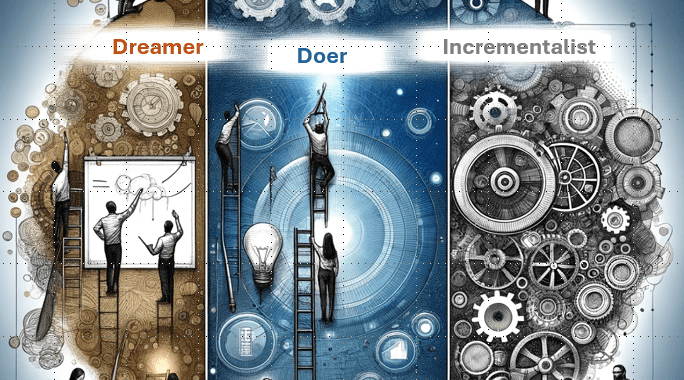
Optimising Team Dynamics: The Dreamer, Doer, and Incrementalist Framework

With over 30 years of experience in managing diverse teams, I’ve learnt that one of the key components of successful leadership is a deep understanding of your workforce’s character. Recognising the unique strengths and preferences of each individual not only enhances job satisfaction and personal development but also significantly boosts the overall productivity and harmony within the team. The Dream, Doer, and Incrementalist framework provides an invaluable tool in this regard, offering insights into effectively harnessing diverse talents and fostering an environment where innovative ideas, efficient execution, and continuous improvement thrive together.

The Dream, Doer, and Incrementalist framework offers a perspective on team dynamics and personal strengths within a professional environment. By analysing the characteristics, strengths, challenges, and synergistic potential of each type, organisations can optimise collaboration and enhance outcomes. This article delves into each of these aspects, providing a comprehensive understanding of how these personality types interact and contribute to success.

The Dreamer

Characteristics: Dreamers are visionary thinkers. They excel at big-picture thinking and are often the source of innovative ideas and ambitious goals. They thrive on possibilities and what could be, often pushing boundaries and challenging the status quo.

Strengths: The primary strength of Dreamers lies in their ability to envision and articulate a compelling future. They are great at motivating others and are often seen as charismatic leaders. Their creativity is a catalyst for innovation and inspiration within teams.

Challenges: Dreamers can sometimes struggle with the practical aspects of project execution. Their focus on visions can lead to difficulties in managing details or maintaining interest in the mundane aspects of implementation. They may also face challenges in setting realistic goals or timelines.

Examples: Visionary leaders like Steve Jobs or Elon Musk embody the Dreamer archetype, driving their companies towards groundbreaking innovations.

The Doer

Characteristics: Doers are action-oriented and pragmatic. They excel in environments where clear objectives and efficiency are prioritised. Doers are the workforce engines, turning ideas into reality through hard work and dedication.

Strengths: The primary strength of Doers lies in their ability to execute. They are dependable, often excel at managing resources, and can navigate the logistics of how to accomplish tasks effectively and efficiently.

Challenges: Doers may struggle with ambiguity and are less comfortable in situations where the goals are not clear or the pathway to them is not well defined. They may also be resistant to change and less receptive to abstract ideas that cannot be immediately acted upon.

Examples: Operations managers or project leads often fit the Doer profile, expertly translating strategic objectives into actionable plans and ensuring that goals are met on time.

The Incrementalist

Characteristics: Incrementalists are systematic thinkers who focus on gradual improvement. They excel at optimising processes and are adept at identifying and implementing small changes that cumulatively lead to significant improvements.

Strengths: Incrementalists bring a level of stability and continuous improvement to teams. They are great at problem-solving within existing frameworks and excel in environments where they can make iterative adjustments to enhance performance.

Challenges: Incrementalists may be perceived as overly cautious or resistant to radical change. Their preference for small, safe steps can sometimes hinder innovation or rapid adaptation in fast-paced environments.

Examples: Quality assurance managers or continuous improvement specialists who focus on refining processes and systems gradually are typical Incrementalists.

Collaboration and Team Dynamics

Dream and Doer: When Dreamers and Doers collaborate, they balance each other’s strengths. Dreamers provide the vision and motivation, while Doers handle the logistics and execution. This partnership can lead to high productivity and effective realisation of innovative ideas.

Dream and Incrementalist: This pairing can stabilise the radical ideas of the Dreamer with the practical, step-wise approach of the Incrementalist. It ensures that innovation is grounded in reality and is implemented progressively.

Doer and Incrementalist: Together, Doers and Incrementalists form an efficient and reliable team. They excel in environments that require high operational efficiency and risk management. However, this pairing might lack the creative spark provided by Dreamers.

All Three Together: When Dreamers, Doers, and Incrementalists work together, they form a powerful trio that can dream, plan, and refine continuously. This combination ensures that visionary ideas are not only executed efficiently but are also continuously improved upon.

Key Insights

Understanding the characteristics of Dreams, Doers, and Incrementalists allows organisations to form teams that can leverage diverse strengths. Effective management of these personalities requires recognising their unique contributions and challenges, and strategically pairing them to balance creativity, execution, and improvement. When these types are aligned with roles that suit their strengths, and when they are paired thoughtfully, they can significantly enhance team dynamics and drive successful outcomes.

The Eternal Dilemma: Expert or Eternal Student in a Rapidly Evolving Tech Landscape

The lines between being an expert and remaining a perpetual student are increasingly blurred within the ever-accelerating world of technology evolution. As we navigate through continuous waves of innovation, the role of a technology professional is perpetually redefined. This leads to a fundamental question: in a field that evolves daily, can one ever truly be an expert, or is tech destined to make eternal students of us all?

The Pace of Technological Change

The first point of consideration is the unprecedented rate of technological change. Innovations such as artificial intelligence, blockchain, and quantum computing are not just new tools in the toolbox – they are reshaping the toolbox itself. Every breakthrough brings layers of complexity and new knowledge that must be mastered, which can be a daunting task for anyone striving to be an expert.

Defining Expertise in Technology

Traditionally, an expert is someone who possesses comprehensive and authoritative knowledge in a particular area. However, in technology, such expertise is often transient. What you know today might be obsolete tomorrow, or at least need significant updating. This fluidity prompts a reassessment of what it means to be an expert. Is it about having a deep understanding of current technologies, or is it the ability to learn and adapt swiftly to new developments?

The Specialist vs. Generalist Conundrum

In tech, specialists dive deep into specific areas like cybersecurity or cloud computing. They possess a depth of knowledge that can be critical for addressing intricate challenges in those fields. On the other hand, generalists have a broader understanding of multiple technologies. They can integrate diverse systems and solutions, which is increasingly valuable in a world where technologies often converge.

The dilemma arises in maintaining a balance. Specialists risk their expertise becoming less relevant as new technologies emerge, while generalists may lack the deep knowledge required to solve specialised problems.

Technology Leadership: Steering Through Constant Change

Technology leadership itself is a form of expertise. To lead in the tech world means more than managing people and projects; it involves steering the ship through the turbulent waters of technological innovation. Tech leaders must not only anticipate and adapt to technological change but also inspire their teams to embrace these changes enthusiastically.

A technology leader needs a robust set of skills:

  • Visionary Thinking: The ability to foresee future tech trends and how they can be harnessed for the organisation’s benefit.
  • Agility: Being able to pivot strategies quickly in response to new information or technologies.
  • Technical Proficiency: While not needing to be the deepest expert in every new tech, a leader should have a solid understanding of the technologies that are driving their business and industry.
  • Empathy and Communication: Leading through change requires convincing entire teams to come on board with new ways of thinking, which can only be done effectively with strong interpersonal skills and clear communication.
  • Resilience: Tech landscapes can change with daunting speed, and leaders need the resilience to endure setbacks and keep their teams motivated.

Perception of Expertise

Expertise in technology is also a matter of perception. Among peers, being seen as an expert often requires not just knowledge, but the ability to foresee industry trends, adapt quickly, and innovate. From an organisational perspective, an expert is often someone who can solve problems effectively, regardless of whether their solutions are grounded in deep speciality knowledge or a broader understanding of technology.

The Role of Lifelong Learning

The most consistent answer to navigating the expert-generalist spectrum is lifelong learning. In technology, learning is not a finite journey but a continuous process. The most successful professionals embrace the mindset of being both an expert and a student. They accumulate specialised knowledge and experience while staying open to new ideas and approaches.

Conclusion: Embracing a Dual Identity

Being a technology expert today means embracing the dual identity of expert and eternal student. It involves both deep specialisation and a readiness to broaden one’s horizons. In this ever-evolving landscape, perhaps the true experts are those who can adeptly learn, unlearn, and relearn. Whether one is perceived as an expert might depend on their ability to adapt and continue learning, more than the static knowledge they currently hold.

As we continue to witness rapid technological advancements, the value lies not just in expertise or general knowledge, but in the agility to navigate between them, ensuring relevance and leadership in the tech world.

In the worlds of Satya Nadella, CEO of Microsoft: “Don’t be a know-it-all, be a learn-it-all.”

Leveraging Generative AI to Boost Office Productivity

Generative AI tools like ChatGPT and CoPilot are revolutionising the way we approach office productivity. These tools are not only automating routine tasks but are also enhancing complex processes, boosting both efficiency and creativity in the workplace. In the modern fast-paced business environment, maximising productivity is crucial for success. Generative AI tools are at the forefront of this transformation, offering innovative ways to enhance efficiency across various office tasks. Here, we explore how these tools can revolutionise workplace productivity, focusing on email management, consultancy response documentation, data engineering, analytics coding, quality assurance in software development, and other areas.

Here’s how ChatGPT can be utilised in various aspects of office work:

  • Streamlining Email Communication – Email remains a fundamental communication tool in offices, but managing it can be time-consuming. ChatGPT can help streamline this process by generating draft responses, summarising long email threads, and even prioritising emails based on urgency and relevance. By automating routine correspondence, employees can focus more on critical tasks, enhancing overall productivity.
  • Writing Assistance – Whether drafting emails, creating content, or polishing documents, writing can be a significant drain on time. ChatGPT can act as a writing assistant, offering suggestions, correcting mistakes, and improving the overall quality of written communications. This support ensures that communications are not only efficient but also professionally presented.
  • Translating Texts – In a globalised work environment, the ability to communicate across languages is essential. ChatGPT can assist with translating documents and communications, ensuring clear and effective interaction with diverse teams and clients.
  • Enhancing Consultancy Response Documentation – For consultants, timely and accurate documentation is key. Generative AI can assist in drafting documents, proposals, and reports. By inputting the project’s parameters and objectives, tools like ChatGPT can produce comprehensive drafts that consultants can refine and finalise, significantly reducing the time spent on document creation.
  • Enhancing Research – Research can be made more efficient with ChatGPT’s ability to quickly find relevant information, summarise key articles, and provide deep insights. Whether for market research, academic purposes, or competitive analysis, ChatGPT can streamline the information gathering and analysis process.
  • Coding Assistance in Data Engineering and Analytics – For developers, coding can be enhanced with the help of AI tools. By describing a coding problem or requesting specific snippets, ChatGPT can provide relevant and accurate code suggestions. This assistance is invaluable for speeding up development cycles and reducing bugs in the code. CoPilot, powered by AI, transforms how data professionals write code. It suggests code snippets and entire functions based on the comments or the partial code already written. This is especially useful in data engineering and analytics, where writing efficient, error-free code can be complex and time-consuming. CoPilot helps in scripting data pipelines and performing data analysis, thereby reducing errors and improving the speed of development. More on this covered within the Microsoft Fabric and CoPilot section below.
  • Quality Assurance and Test-Driven Development (TDD) – In software development, ensuring quality and adhering to the principles of TDD can be enhanced using generative AI tools. These tools can suggest test cases, help write test scripts, and even provide feedback on the coverage of the tests written. By integrating AI into the development process, developers can ensure that their code not only functions correctly but also meets the required standards before deployment.
  • Automating Routine Office Tasks – Beyond specialised tasks, generative AI can automate various routine activities in the office. From generating financial reports to creating presentations and managing schedules, AI tools can take over repetitive tasks, freeing up employees to focus on more strategic activities. Repetitive tasks like scheduling, data entry, and routine inquiries can be automated with ChatGPT. This delegation of mundane tasks frees up valuable time for employees to engage in more significant, high-value work.
  • Planning Your Day – Effective time management is key to productivity. ChatGPT can help organise your day by taking into account your tasks, deadlines, and priorities, enabling a more structured and productive routine.
  • Summarising Reports and Meeting Notes – One of the most time-consuming tasks in any business setting is going through lengthy documents and meeting notes. ChatGPT can simplify this by quickly analysing large texts and extracting essential information. This capability allows employees to focus on decision-making and strategy rather than getting bogged down by details.
  • Training and Onboarding – Training new employees is another area where generative AI can play a pivotal role. AI-driven programs can provide personalised learning experiences, simulate different scenarios, and give feedback in real-time, making the onboarding process more efficient and effective.
  • Enhancing Creative Processes – Generative AI is not limited to routine or technical tasks. It can also contribute creatively, helping design marketing materials, write creative content, and even generate ideas for innovation within the company.
  • Brainstorming and Inspiration – Creativity is a crucial component of problem-solving and innovation. When you hit a creative block or need a fresh perspective, ChatGPT can serve as a brainstorming partner. By inputting a prompt related to your topic, ChatGPT can generate a range of creative suggestions and insights, sparking new ideas and solutions.
  • Participating in Team Discussions – In collaborative settings like Microsoft Teams, ChatGPT and CoPilot can contribute by providing relevant information during discussions. This capability improves communication and aids in more informed decision-making, making team collaborations more effective.
  • Entertainment – Finally, the workplace isn’t just about productivity, it’s also about culture and morale. ChatGPT can inject light-hearted fun into the day with jokes or fun facts, enhancing the work environment and strengthening team bonds.

Enhancing Productivity with CoPilot in Microsoft’s Fabric Data Platform

The Microsoft’s Fabric Data Platform, a comprehensive ecosystem for managing and analysing data, represents an advanced approach to enterprise data solutions. Integrating AI-driven tools like GitHub’s CoPilot into this environment, significantly enhance the efficiency and effectiveness of data operations. Here’s how CoPilot can be specifically utilised within Microsoft’s Fabric Data Platform to drive innovation and productivity.

  • Streamlined Code Development for Data Solutions – CoPilot, as an AI pair programmer, offers real-time code suggestions and snippets based on the context of the work being done. In the environment of Microsoft’s Fabric Data Platform, which handles large volumes of data and complex data models, CoPilot can assist data engineers and scientists by suggesting optimised data queries, schema designs, and data processing workflows. This reduces the cognitive load on developers and accelerates the development cycle, allowing more time for strategic tasks.
  • Enhanced Error Handling and Debugging – Error handling is critical in data platforms where the integrity of data is paramount. CoPilot can predict common errors in code based on its learning from a vast corpus of codebases and offer preemptive solutions. This capability not only speeds up the debugging process but also helps maintain the robustness of the data platform by reducing downtime and data processing errors.
  • Automated Documentation – Documentation is often a neglected aspect of data platform management due to the ongoing demand for delivering functional code. CoPilot can generate code comments and documentation as the developer writes code. This integration ensures that the Microsoft Fabric Data Platform is well-documented, facilitating easier maintenance and compliance with internal and external audit requirements.
  • Personalised Learning and Development – CoPilot can serve as an educational tool within Microsoft’s Fabric Data Platform by helping new developers understand the intricacies of the platform’s API and existing codebase. By suggesting code examples and guiding through best practices, CoPilot helps in upskilling team members, leading to a more competent and versatile workforce.
  • Proactive Optimisation Suggestions – In data platforms, optimisation is key to handling large datasets efficiently. CoPilot can analyse the patterns in data access and processing within the Fabric Data Platform and suggest optimisations in real-time. These suggestions might include better indexing strategies, more efficient data storage formats, or improved data retrieval methods, which can significantly enhance the performance of the platform.

Conclusion

As we integrate generative AI tools like ChatGPT and CoPilot into our daily workflows, their potential to transform office productivity is immense. By automating mundane tasks, assisting in complex processes, and enhancing creative outputs, these tools not only save time but also improve the quality of work, potentially leading to significant gains in efficiency and innovation. The integration of generative AI tools into office workflows not only automates and speeds up processes but also brings a new level of sophistication to how tasks are approached and executed. From enhancing creative processes to improving how teams function, the role of AI in the office is undeniably transformative, paving the way for a smarter, more efficient workplace.

The integration of GitHub’s CoPilot into Microsoft’s Fabric Data Platform offers a promising enhancement to the productivity and capabilities of data teams. By automating routine coding tasks, aiding in debugging and optimisation, and providing valuable educational support, CoPilot helps build a more efficient, robust, and scalable data management environment. This collaboration not only drives immediate operational efficiencies but also fosters long-term innovation in handling and analysing data at scale.

As businesses continue to adopt these technologies, the future of work looks increasingly promising, driven by intelligent automation and enhanced human-machine collaboration.

Debunking Five Leadership Myths That Hinder Success

Leadership is an evolving skill that demands constant cultivation. While some individuals may naturally step into leadership roles, no one is born fully equipped to be a CEO.

Numerous misconceptions about leadership persist, often clashing with the actual demands and realities that new CEOs encounter upon assuming their positions.

From my professional experience, I’ve encountered several prevalent myths about leadership. With time and experience, I have observed how successful CEOs reshape their thinking and develop unique leadership philosophies, guiding them towards improved leadership.

Myth 1: Leaders Must Be Perfect
A prevalent myth is that leaders must be flawless, possessing an inherent knack for impeccable decision-making. This belief compels leaders to appear unshakeably strong. However, effective leadership involves nuances.

Accomplished leaders embrace vulnerability and understand that decision-making is an ongoing learning process. By fostering an environment where learning from mistakes is encouraged, leaders can genuinely connect with their teams, enhancing trust and openness.

As a new CEO, I initially isolated myself, mistakenly thinking I needed all the answers. I quickly learned that this was not the case.

Eventually, every leader faces decisions that do not pan out as expected. The best leaders are those who remain resilient, adaptable, and receptive to new information, fostering a culture of mutual learning and improvement.

Myth 2: Leadership Equals Commanding
Another myth is that leadership primarily involves issuing commands, supporting a directive or authoritarian approach. True leadership is dynamic, with leaders serving as key decision-makers. However, a directive approach can quash creativity and hinder open communication.

Exceptional leaders create inclusive workplaces where collaboration thrives, ideas are exchanged freely, and team members feel empowered to share their insights, even if it challenges established views.

Leadership is not about merely giving orders; it is about inspiring, guiding, and facilitating team success. Leaders can harness their teams’ diverse skills and perspectives by delegating and letting go of the need for absolute control.

Myth 3: One Correct Way to Lead
It’s a misconception that there is a single “correct” way to lead. Many influential leaders and mentors adopt vastly different leadership styles. While some believe that all successful leaders are extroverts, introverted leaders often excel by capitalising on their strong listening skills for thoughtful decision-making.

Most successful leaders share common traits: emotional intelligence and empathy. They demonstrate genuine care for their team members, fostering trust, enhancing communication, and creating a positive atmosphere.

Myth 4: Leaders Should Only Communicate Positive News
Some leaders believe they should shield their employees from negative news to prevent demoralisation. However, when leaders cease open communication, team members begin to speculate, leading to isolation for the leader.

As noted by Jim Collins, confronting harsh realities is essential. Great leaders engage their team’s trust and cooperation by being transparent, treating them as partners in tackling challenges together, and fostering a sense of shared responsibility.

Myth 5: Leadership is a Lonely Journey
Leadership might appear to be a solitary role, but it is far from being a lone endeavour. Effective leaders deliberately assemble a diverse team and often engage with other CEOs who face similar challenges.

Leaders benefit from diverse perspectives, which help them differentiate between facts and personal biases or assumptions. Engaging with peers allows for constructive feedback and opportunities for adjustment.

Interacting with leaders outside one’s organisation provides space for open discussions about strengths, weaknesses, and challenges, unveiling a critical truth: no leader has all the answers. Acknowledging this reality can enhance leadership abilities and cultivate a supportive network that encourages collective growth.

Overcoming these myths is crucial for personal and organisational advancement. Embracing vulnerability, fostering transparent communication, and promoting collaboration, while moving away from a controlling leadership style, are vital for becoming an effective leader.

Leadership is not a final destination but a unique, dynamic journey that demands lifelong dedication to growth, adaptability, and learning.

Leaders Eat Last: Fostering Trust and Collaboration in the Workplace

Leadership styles can significantly impact the culture, morale, and productivity of an organisation. Among the myriad of leadership philosophies, one concept that stands out for its profound simplicity and transformative power is “Leaders Eat Last.” This principle, popularised by Simon Sinek in his book of the same name, serves as a powerful metaphor for the selfless attitude and actions of true leaders, focusing on creating an environment of trust and safety within organisations.

With the dynamics of the workplace continuously evolving, the principle of “Leaders Eat Last” emerges as a profound illustration of the “People Come First” philosophy in action. This leadership approach, championed by thinkers like Simon Sinek, underscores the importance of prioritising the well-being and development of employees as the cornerstone of effective leadership and organisational success. By placing people at the heart of leadership decisions, organisations can foster a culture of trust, collaboration, and shared success.

The Foundation of “People Come First”

The phrase “People Come First” encapsulates a leadership ethos that values the well-being, growth, and satisfaction of employees above all else. As covered in the blog post “Success?… People come first” (link here) in 2017, it’s a commitment to creating a work environment that respects individuals’ contributions and recognises their intrinsic value to the organisation’s success. In such cultures, leaders are seen not just as figures of authority but as caretakers of their team’s welfare and growth.

The Essence of “Leaders Eat Last

At its core, “Leaders Eat Last” is about prioritising the needs of the team over the individual needs of the leader. It’s a leadership approach that emphasises empathy, support, and the welfare of the team members. This concept is inspired by the military tradition where higher-ranking officers eat after their troops, symbolising their commitment to their team’s well-being above their own.

Leaders Eat Last: A Manifestation of Putting People First

“Leaders Eat Last” is a tangible manifestation of the “People Come First” philosophy. It’s about leaders demonstrating through their actions that they are deeply committed to the welfare of their team members. This approach signals to employees that their leaders are invested in their safety, growth, and well-being, effectively building a foundation of trust. Trust, in turn, fosters an environment where employees feel valued and secure, encouraging them to invest their energy and creativity back into the organisation.

Creating a Circle of Safety

A critical aspect of putting people first is creating what Sinek describes as a “Circle of Safety” — an environment where employees feel protected from internal and external threats. This sense of security enables team members to focus on innovation and collaboration rather than self-preservation. Leaders who prioritise their team’s needs above their own, even in small acts like eating last, reinforce this circle of safety, promoting a culture where people feel they truly come first.

Trust: The Linchpin of Organisational Success

The relationship between trust and organisational success cannot be overstated. When leaders put people first, they lay the groundwork for a culture of trust. This culture not only enhances communication and collaboration but also empowers employees to take ownership of their work and the organisation’s goals. The trust that emanates from a people-first approach creates a virtuous cycle of loyalty, innovation, and collective achievement.

Impacting Organisational Culture

Embracing a “People Come First” mentality through actions like “Leaders Eat Last” can profoundly influence an organisation’s culture. It nurtures an environment where employees feel genuinely cared for and respected, making the organisation more attractive to both current and potential talent. Such a culture encourages mentorship, lifelong learning, and a shared commitment to excellence, driving the organisation toward sustained success.

Navigating the Challenges

Implementing a people-first leadership approach requires more than aspirational rhetoric – it demands a sincere and consistent commitment from leaders at all levels. The challenge lies in genuinely embracing and living out the values of empathy, service, and sacrifice. Leaders must be prepared to listen actively, make tough decisions for the greater good, and remain steadfast in their dedication to their teams’ well-being, even when faced with adversity.

Conclusion

“Leaders Eat Last” serves as a powerful embodiment of the “People Come First” philosophy, illustrating how leadership that prioritises the well-being and development of employees can transform an organisation. By fostering a culture of trust, safety, and mutual respect, leaders can unlock the full potential of their teams, driving innovation, performance, and loyalty. As the workplace continues to evolve, the principles of putting people first and leading by example remain timeless guides to creating thriving organisations where people are truly valued and empowered to succeed.

Building Bridges in Tech: The Power of Practice Communities in Data Engineering, Data Science, and BI Analytics

Technology team practice communities, for example those within a Data Specialist organisation focused on Business Intelligence (BI) Analytics & Reporting, Data Engineering and Data Science, play a pivotal role in fostering innovation, collaboration, and operational excellence within organisations. These communities, often comprised of professionals from various departments and teams, unite under the common goal of enhancing the company’s technological capabilities and outputs. Let’s delve into the purpose of these communities and the value they bring to a data specialist services provider.

Community Unity

At the heart of practice communities is the principle of unity. By bringing together professionals from data engineering, data science, and BI Analytics & Reporting, companies can foster a sense of belonging and shared purpose. This unity is crucial for cultivating trust, facilitating open communication and collaboration across different teams, breaking down silos that often hinder progress and innovation. When team members feel connected to a larger community, they are more likely to contribute positively and share knowledge, leading to a more cohesive and productive work environment.

Standardisation

Standardisation is another key benefit of establishing technology team practice communities. With professionals from diverse backgrounds and areas of expertise coming together, companies can develop and implement standardised practices, tools, and methodologies. This standardisation ensures consistency in work processes, data management, and reporting, significantly improving efficiency and reducing errors. By establishing best practices across data engineering, data science, and BI Analytics & Reporting, companies can ensure that their technology initiatives are scalable and sustainable.

Collaboration

Collaboration is at the core of technology team practice communities. These communities provide a safe platform for professionals to share ideas, challenges, and solutions, fostering an environment of continuous learning and improvement. Through regular meetings, workshops, and forums, members can collaborate on projects, explore new technologies, and share insights that can lead to breakthrough innovations. This collaborative culture not only accelerates problem-solving but also promotes a more dynamic and agile approach to technology development.

Mission to Build Centres of Excellence

The ultimate goal of technology team practice communities is to build centres of excellence within the company. These centres serve as hubs of expertise and innovation, driving forward the company’s technology agenda. By concentrating knowledge, skills, and resources, companies can create a competitive edge, staying ahead of technological trends and developments. Centres of excellence also act as incubators for talent development, nurturing the next generation of technology leaders who can drive the company’s success.

Value to the Company

The value of establishing technology team practice communities is multifaceted. Beyond enhancing collaboration and standardisation, these communities contribute to a company’s ability to innovate and adapt to change. They enable faster decision-making, improve the quality of technology outputs, and increase employee engagement and satisfaction. Furthermore, by fostering a culture of excellence and continuous improvement, companies can better meet customer needs and stay competitive in an ever-evolving technological landscape.

In conclusion, technology team practice communities, encompassing data engineering, data science, and BI Analytics & Reporting, are essential for companies looking to harness the full potential of their technology teams. Through community unity, standardisation, collaboration, and a mission to build centres of excellence, companies can achieve operational excellence, drive innovation, and secure a competitive advantage in the marketplace. These communities not only elevate the company’s technological capabilities but also cultivate a culture of learning, growth, and shared success.

Streamlining Success: How a Single Page Can Shape Your Strategic Vision

In the 2015 conference in Barcelona, Gartner introduced me to the One-Page strategy. Still today, nine years later, a One-Page Strategy, is an exceedingly effective instrument for organisations aiming to streamline their strategic planning process and succinctly communicate their vision, goals, and initiatives.

This innovative approach condenses the essence of a company’s strategic plan onto a single, easily digestible page. It serves not only as a strategic compass for decision-makers but also as a rallying point for the entire organisation. In this blog post, we’ll delve into the use and benefits of a One-Page Strategy, highlighting why it has become a favoured tool among forward-thinking leaders.

A strategy is only ever as good as the information available at the time when we create it.

Simplifying Complexity

In today’s fast-paced business environment, complexity is a given. However, the challenge lies not in the complexity itself but in managing and communicating it effectively. The One-Page Strategy addresses this by distilling complex strategic plans into their most essential elements. This simplification process forces leaders to prioritise and focus on what truly matters, making strategic objectives clearer to every member of the organisation.

Enhancing Communication

Publishing your strategy is not the same as communicating your strategy. A good communicated strategy has a far better chance to success as it inspires, excites and motivates. In 2018 I wrote about effective leadership communication – click here to read the post.

One of the most significant benefits of a One-Page Strategy is its role in improving communication within an organisation. A document that is concise and accessible ensures that everyone, from top executives to entry-level employees, understands the strategic direction of the company. This clarity fosters alignment and ensures that all efforts are directed towards common goals, thereby enhancing organisational coherence and efficiency.

Good strategy communication takes the audience through three levels:

  • Understanding – the audience know what the strategy is
  • Support – the audience think the strategy is good and support it
  • Commitment – the audience is willing to play their part to work with you to achieve the strategy

Facilitating Decision Making

By clearly outlining the organisation’s strategic priorities, a One-Page Strategy serves as a valuable reference for decision-making. It helps leaders and teams evaluate new opportunities and challenges through the lens of their strategic objectives, ensuring that resources are allocated efficiently and that actions are aligned with long-term goals.

Encouraging Engagement and Accountability

A clear and concise strategy document is more likely to be read, understood, and embraced by the entire organisation. When employees understand how their work contributes to the broader strategic objectives, they are more engaged and motivated. Moreover, a One-Page Strategy promotes accountability by making it easier to track progress against key metrics and milestones.

Streamlining the Strategic Review Process

The dynamic nature of today’s business environment necessitates frequent strategic reviews. A One-Page Strategy makes these reviews more manageable and focused. Instead of wading through voluminous strategic plans, leaders can quickly assess progress, adapt to changes, and make necessary adjustments, keeping the organisation agile and responsive.

Key Components of a Successful Strategy

A successful technology strategy is pivotal for organisations aiming to leverage technology for competitive advantage, innovation, and efficiency. The key components of a successful technology strategy encompass a holistic approach that aligns with the organisation’s business goals, anticipates future trends, and ensures adaptability to change. Here are the essential elements:

1. Alignment with Business Objectives

The technology strategy must be closely aligned with the organisation’s overall business strategy and objectives. This alignment ensures that technological investments and initiatives directly support the organisation’s goals, such as market growth, customer satisfaction, and operational efficiency.

2. Stakeholder Engagement

Involvement from stakeholders across the organisation is crucial for the development and implementation of a successful technology strategy. This includes engaging leadership, IT staff, end-users, and even customers to gather insights, expectations, and requirements, ensuring the strategy meets the needs of all parties involved.

3. Technology Assessment

A comprehensive assessment of current technology assets, infrastructure, and capabilities helps identify areas of strength, as well as gaps that need to be addressed. This assessment should consider hardware, software, data management practices, and cybersecurity measures.

4. Future Trends and Innovation

A forward-looking perspective that accounts for emerging technologies and industry trends is vital. This component involves exploring and potentially adopting innovative technologies (e.g., AI, blockchain, IoT) that can drive competitive advantage and address future challenges.

5. Scalability and Flexibility

The strategy should provide a framework that is both scalable and flexible, allowing the organisation to adapt to changes in the business environment, technological advancements, or shifts in customer demand without significant disruptions.

6. Risk Management and Security

Identifying, assessing, and mitigating risks associated with technological investments and operations is essential. This includes cybersecurity threats, data privacy concerns, and compliance with relevant regulations.

7. Talent and Skills Development

Investing in the right talent and continuously developing the skills of the existing workforce to keep pace with technological advancements ensures the organisation can effectively implement and utilise new technologies.

8. Implementation Roadmap

A clear and detailed implementation roadmap outlines the steps, timelines, and resources required to achieve the strategic objectives. This roadmap should include milestones, key performance indicators (KPIs), and a governance model to monitor progress and make adjustments as necessary.

9. Budget and Resource Allocation

A realistic and well-defined budget ensures that the necessary financial and human resources are available to support the technology strategy. It should account for both immediate needs and long-term investments in innovation.

10. Continuous Evaluation and Adaptation

Finally, a mechanism for ongoing evaluation and adaptation of the technology strategy is critical. This allows the organisation to respond to new opportunities, technological breakthroughs, and market changes, ensuring the strategy remains relevant and effective over time.

Incorporating these key components into a technology strategy can help organisations navigate the complexities of digital transformation, stay ahead of technological trends, and achieve sustainable success in an increasingly competitive landscape.

Conclusion

The One-Page Strategy is not a replacement for a detailed strategy document but it’s a powerful strategic tool that encapsulates the essence of an organisation’s strategic vision and plans. By simplifying complexity, enhancing communication, facilitating decision-making, encouraging engagement, and streamlining the strategic review process, it offers a myriad of benefits. As organisations continue to navigate the uncertainties and opportunities of the digital age, adopting a One-Page Strategy could well be the key to staying focused, agile, and aligned in pursuit of their long-term goals.

Driving Digital Transformation: Insights from ‘Project to Product’

Synopsis

“Project to Product: How to Survive and Thrive in the Age of Digital Disruption with the Flow Framework” by Mik Kersten presents a revolutionary approach for organisations navigating the complex landscape of digital transformation. The book addresses a critical challenge faced by many companies: the shift from traditional project-based work models to product-centric models in order to better adapt to the fast-paced, technology-driven market.

Kersten introduces the Flow Framework™ as a solution to this challenge. The framework is designed to bridge the gap between the business and IT, enabling organisations to thrive in the digital age by focusing on value delivery rather than just project completion. The author argues that in the era of software becoming a crucial part of every aspect of the business, companies need to transform their management and development practices to stay competitive.

The book is divided into several parts, beginning with an analysis of why the traditional project management approaches are failing to meet the demands of modern digital business. Kersten then delves into the details of the Flow Framework™, explaining its core components: Flow Items, Flow Metrics, and Flow Distribution. These elements help organisations to measure and manage the flow of business value from ideation to customer delivery.

“Project to Product” emphasises the importance of focusing on products rather than projects, advocating for a shift in how teams are organised, how work is prioritised, and how success is measured. By adopting the Flow Framework™, businesses can improve their software delivery performance, enhance strategic decision-making, and ultimately, increase their competitiveness in the digital era.

The book provides actionable insights, real-world examples, and practical advice for leaders and practitioners aiming to transform their organisations by moving from project to product. Mik Kersten draws from his extensive experience in the field to guide readers through the journey of digital transformation, making “Project to Product” an essential read for anyone involved in software development, IT management, or organisational change.

The Flow Framework Explained

The Flow Framework™, introduced by Mik Kersten in “Project to Product,” is a strategic model designed to aid organisations in navigating the complexities of digital transformation. It aims to shift the focus from traditional project-centric operations to a product-centric approach, aligning IT and software development processes with business outcomes. The framework is particularly geared towards enhancing how businesses deliver value in an era dominated by digital technologies. Here’s a breakdown of its key components and principles:

Core Components

  • Flow Items: These are the work items that move through the IT value stream, categorised into Features (new business value), Defects (quality issues), Risks (security, compliance, and technical debt), and Debts (technical debt reduction). The categorisation helps organisations prioritise and track the value delivery.
  • Flow Metrics: The framework introduces four key metrics to manage and measure the flow of work:
    • Flow Time: Measures the time taken from work initiation to delivery, providing insight into the overall responsiveness of the value stream.
    • Flow Velocity: Measures the number of flow items completed over a given period, indicating the speed of value delivery.
    • Flow Efficiency: Assesses the proportion of time flow items spend in active work versus waiting or blocked, highlighting process efficiency and waste.
    • Flow Load: Tracks the work in progress within the system, ensuring teams are not overburdened and can maintain a sustainable pace.
  • Flow Distribution: This component analyses the distribution of flow items across the different categories (Features, Defects, Risks, Debts), helping teams to balance their efforts and ensure a focus on delivering customer value while maintaining system health and compliance.

Principles

  • Product-Centric: Shifts the focus from managing projects to nurturing products, aligning IT work with business outcomes and customer value.
  • Feedback and Adaptation: Encourages rapid feedback loops within and between IT and business, fostering continuous improvement and adaptation to change.
  • Value Stream Management: Emphasises the importance of visualising and managing the entire value stream from idea to delivery, identifying bottlenecks and opportunities for optimisation.

Benefits

By implementing the Flow Framework™, organisations can achieve several key benefits:

  • Improved visibility into IT operations and their impact on business outcomes.
  • Enhanced alignment between IT and business strategies.
  • Increased efficiency and speed of software delivery.
  • Better prioritisation of work, focusing on delivering customer value.
  • A more agile and responsive IT organisation, capable of adapting to changes in the market and technology landscape.

The Flow Framework™ offers a comprehensive approach to managing and measuring IT and software development work, making it an essential tool for organisations looking to thrive in the digital age.

Key Learnings & Benefits

From “Project to Product” readers can derive several key learnings and benefits, particularly relevant to leaders and practitioners navigating digital transformations within their organisations. The book not only introduces the Flow Framework™ but also delves into the necessity of evolving from project-oriented to product-oriented IT and software development approaches. Here are the core takeaways and benefits:

Key Learnings:

  1. Shift from Project to Product: One of the main themes of the book is the critical shift that organisations must make from focusing on projects to concentrating on products. This shift enables a closer alignment with business outcomes and customer value.
  2. Introduction to the Flow Framework™: The book presents the Flow Framework™ as a methodology to enable this transition, providing a language and set of metrics for business and IT to communicate effectively and drive value delivery.
  3. Understanding Value Stream Management: Kersten emphasises the importance of value stream management, encouraging organisations to visualise and optimise the flow of value from idea to delivery. This is vital for identifying bottlenecks and improving delivery speed and quality.
  4. Emphasis on Continuous Feedback: The book highlights the necessity of establishing feedback loops to swiftly and efficiently adapt to changes, ensuring that product development is aligned with customer needs and market demands.
  5. Cultural Transformation: “Project to Product” underlines the need for a cultural shift within organisations, fostering an environment that supports continual learning, collaboration, and innovation.

Benefits:

  1. Enhanced Visibility and Alignment: By adopting the principles outlined in the book, organisations can achieve greater visibility into their IT operations and ensure that they are closely aligned with their business goals.
  2. Increased Efficiency and Agility: The Flow Framework™ helps organisations streamline their processes, reducing waste and enabling them to respond more quickly to market changes and customer needs.
  3. Improved Decision-Making: With clear metrics and a focus on value delivery, leaders can make more informed decisions about where to allocate resources and how to prioritise work.
  4. Competitive Advantage: Organisations that successfully shift from project to product and implement the Flow Framework™ can gain a significant competitive advantage by being more innovative, agile, and customer-focused.
  5. Sustainable Transformation: The book provides a roadmap for sustainable digital transformation, helping organisations navigate the challenges of the digital age and emerge more resilient and adaptable.

“Project to Product” offers valuable insights for any leader or practitioner involved in software development, IT management, or organisational change, providing a practical framework for navigating the complexities of digital transformation and driving long-term value.

Unlocking Developer Potential: Strategies for Building High-Performing Tech Teams

Introduction

Attracting and retaining top developer talent is crucial for technology leaders, especially in a highly competitive landscape. With software innovation driving business growth, organisations with high-performing engineering cultures gain a significant advantage. Fostering this culture goes beyond perks; it requires a thoughtful approach to talent management that prioritises the developer experience.

This blog post explores strategies to enhance talent management and create an environment where developers thrive. By fostering psychological safety, investing in top-tier tools, and offering meaningful growth opportunities, we can boost innovation, productivity, and satisfaction. Let’s dive in and unlock the full potential of our development teams.

1. Understanding the Importance of Developer Experience

Before diving into specific tactics, it’s important to understand why prioritising developer experience matters:

  • Attracting Top Talent: In a competitive job market, developers can choose their employers. Organisations that offer opportunities for experimentation, stay abreast of the latest technologies, and focus on outcomes over outputs have an edge in attracting the best talent.
  • Boosting Productivity and Innovation: Supported, empowered, and engaged developers bring their best to work daily, resulting in higher productivity, faster problem-solving, and innovative solutions.
  • Reducing Turnover: Developers who feel valued and fulfilled are less likely to leave, improving retention rates and reducing the costs associated with constant hiring and training.

2. Fostering Psychological Safety

Psychological safety—the belief that one can speak up, take risks, and make mistakes without fear of punishment—is essential for high-performing teams. Here’s how to cultivate it:

  • Encourage Open Communication: Create an environment where developers feel safe sharing ideas, asking questions, and providing feedback. Use one-on-ones, team meetings, and anonymous surveys to solicit input.
  • Embrace Failure as Learning: Frame mistakes as learning opportunities rather than assigning blame. Encourage developers to share their failures and lessons learned.
  • Model Vulnerability: Leaders set the tone. By admitting mistakes and asking for help, we create space for others to do the same.

3. Investing in World-Class Tools

Providing the best tools boosts productivity, creativity, and job satisfaction. Focus on these areas:

  • Hardware and Software: Equip your team with high-performance computers, multiple monitors, and ergonomic peripherals. Regularly update software licences.
  • Development Environments: Offer cutting-edge IDEs, version control systems, and collaboration tools. Automate tasks like code formatting and testing.
  • Infrastructure: Ensure your development, staging, and production environments are reliable, scalable, and easy to work with. Embrace cloud technologies and infrastructure-as-code for rapid iteration and deployment.

4. Providing Meaningful Growth Opportunities

Developers thrive on challenge and growth. Here’s how to keep them engaged:

  • Tailored Learning Paths: Work with each developer to create a personalised learning plan aligned with their career goals. Provide access to online courses, face-to-face training, conferences, and mentorship.
  • Encourage Side Projects: Give developers time for passion projects to stretch their skills. Host hackathons or innovation days to spark new ideas.
  • Create Leadership Opportunities: Identify high-potential developers and offer chances to lead projects, mentor juniors, or present work to stakeholders.

5. Measuring and Iterating

Measure the impact of talent management efforts and continuously improve:

  • Developer Satisfaction: Survey your team regularly to gauge happiness, engagement, and psychological safety. Look for trends and areas for improvement.
  • Productivity Metrics: Track key performance indicators such as Objectives and Key Results (OKRs), cycle time, defect rates, and feature throughput. Celebrate successes and identify opportunities to streamline processes.
  • Retention Rates: Monitor turnover and conduct exit interviews to understand why developers leave. Use these insights to refine your approach.

6. Partnering with HR

Enhancing developer experience requires collaboration with HR:

  • Collaborate on Hiring: Work with recruiters to create compelling job descriptions and interview processes that highlight your commitment to the developer experience.
  • Align on Performance Management: Ensure that performance reviews, compensation, and promotions align with your talent management philosophy. Advocate for practices that reward innovation and growth.
  • Champion Diversity, Equality, and Inclusion: Partner with HR to create initiatives that foster a diverse and inclusive culture, driving innovation through multiple perspectives.

7. Building a Community of Practice

Build a sense of community among your developers:

  • Host Regular Events: Organise meetups, lunch-and-learns, or hackathons for knowledge sharing and collaboration.
  • Create Communication Channels: Use Slack, Microsoft Teams, or other tools for technical discussions and informal conversations.
  • Celebrate Successes: Regularly recognise and reward developers who exemplify your values or achieve significant milestones.

Conclusion

In conclusion, cultivating a high-performing tech team goes beyond simply hiring skilled developers, it requires a strategic and holistic approach to talent management. By prioritising psychological safety, investing in superior tools, and providing avenues for meaningful growth, organisations can not only attract top talent but also nurture a culture of innovation and satisfaction. Regular assessment of these strategies through feedback, performance metrics, and collaboration with HR can further refine and enhance the developer experience. By committing to these principles, technology leaders can build resilient, innovative teams that are well-equipped to drive business success in an ever-evolving digital landscape. Let’s take these insights forward and transform our development teams into powerful engines of growth and innovation.

Decoding the CEO’s Wishlist: What CEOs Seek in Their CTOs

The key difference between a Chief Information Officer (CIO) and a Chief Technology Officer (CTO) lies in their strategic focus and responsibilities within an organisation. A CIO primarily oversees the management and strategic use of information and data, ensuring that IT systems align with business objectives, enhancing operational efficiency, managing risk, and ensuring data security and compliance. On the other hand, a CTO concentrates on technology innovation and product development, exploring emerging technologies, driving technical vision, leading prototyping efforts, and collaborating externally to enhance the organisation’s products or services. While both roles are essential, CIOs are primarily concerned with internal IT operations, while CTOs focus on technological advancement, product innovation, and external partnerships to maintain the organisation’s competitive edge.

In 2017, I’ve written a post “What CEOs are looking for in their CIO” after an inspirational presentation by Simon La Fosse, CEO of Le Fosse Associates, a specialist technology executive search and head-hunter with more than 30 years experience in the recruitment market. The blog post was really well received on LinkedIn resulting in an influencer badge. In this post I am focussing on the role of the CTO (Chief Technology Officer).

In this digital age and ever-evolving landscape of the corporate world, the role of CTO stands as a linchpin for innovation, efficiency, and strategic progress. As businesses traverse the digital frontier, the significance of a visionary and adept CTO cannot be overstated. Delving deeper into the psyche of CEOs, let’s explore, in extensive detail, the intricate tapestry of qualities, skills, and expertise they ardently seek in their technology leaders.

1. Visionary Leadership:

CEOs yearn for CTOs with the acumen to envision not just the immediate technological needs but also the future landscapes. A visionary CTO aligns intricate technological strategies with the overarching business vision, ensuring that every innovation, every line of code, propels the company towards a future brimming with possibilities.

2. Innovation and Creativity:

Innovation is not just a buzzword; it’s the lifeblood of any progressive company. CEOs pine for CTOs who can infuse innovation into the organisational DNA. Creative thinking coupled with technical know-how enables CTOs to anticipate industry shifts, explore cutting-edge technologies, and craft ingenious solutions that leapfrog competitors.

3. Strategic Thinking and Long-Term Planning:

Strategic thinking is the cornerstone of successful CTOs. CEOs crave technology leaders who possess the sagacity to foresee the long-term ramifications of their decisions. A forward-looking CTO formulates and executes comprehensive technology plans, meticulously aligned with the company’s growth and scalability objectives.

4. Profound Technical Proficiency:

The bedrock of a CTO’s role is their technical prowess. CEOs actively seek CTOs who possess not just a surface-level understanding but a profound mastery of diverse technologies. From software development methodologies to data analytics, cybersecurity to artificial intelligence, a comprehensive technical acumen is non-negotiable.

5. Inspirational Team Leadership and Collaboration:

Building and leading high-performance tech teams is an art. CEOs admire CTOs who inspire their teams to transcend boundaries, fostering a culture of collaboration, innovation, and mutual respect. Effective mentoring and leadership ensure that the collective genius of the team can be harnessed for groundbreaking achievements.

6. Exceptional Communication Skills:

CTOs are conduits between the intricate realm of technology and the broader organisational spectrum. CEOs value CTOs who possess exceptional communication skills, capable of articulating complex technical concepts in a manner comprehensible to both technical and non-technical stakeholders. Clear communication streamlines decision-making processes, ensuring alignment with broader corporate goals.

7. Problem-Solving Aptitude and Resilience:

In the face of adversity, CEOs rely on their CTOs to be nimble problem solvers. Whether it’s tackling technical challenges, optimising intricate processes, or mitigating risks, CTOs must exhibit not just resilience but creative problem-solving skills. The ability to navigate through complexities unearths opportunities in seemingly insurmountable situations.

8. Profound Business Acumen:

Understanding the business implications of technological decisions is paramount. CEOs appreciate CTOs who grasp the financial nuances of their choices. A judicious balance between innovation and fiscal responsibility ensures that technological advancements are not just visionary but also pragmatic, translating into tangible business growth.

9. Adaptive Learning and Technological Agility:

The pace of technological evolution is breathtaking. CEOs seek CTOs who are not just adaptive but proactive in their approach to learning. CTOs who stay ahead of the curve, continuously updating their knowledge, can position their companies as trailblazers in the ever-changing technological landscape.

10. Ethical Leadership and Social Responsibility:

In an era marked by digital ethics awareness, CEOs emphasise the importance of ethical leadership in technology. CTOs must uphold the highest ethical standards, ensuring data privacy, security, and the responsible use of technology. Social responsibility, in the form of sustainable practices and community engagement, adds an extra layer of appeal.

In conclusion, the modern CTO is not merely a technical expert; they are strategic partners who contribute significantly to the overall success of the organisation. By embodying these qualities, CTOs can not only meet but exceed the expectations of CEOs, driving their companies to new heights in the digital age.

Transformative IT: Lessons from “The Phoenix Project” on Embracing DevOps and Fostering Innovation

Synopsis

“The Phoenix Project: A Novel About IT, DevOps, and Helping Your Business Win” is a book by Gene Kim, Kevin Behr, and George Spafford that uses a fictional narrative to explore the real-world challenges faced by IT departments in modern enterprises. The story follows Bill Palmer, an IT manager at Parts Unlimited, an auto parts company on the brink of collapse due to its outdated and inefficient IT infrastructure.

The book is structured around Bill’s journey as he is unexpectedly promoted to VP of IT Operations and tasked with salvaging a critical project, code-named The Phoenix Project, which is massively over budget and behind schedule. Through his efforts to save the project and the company, Bill is introduced to the principles of DevOps, a set of practices that aim to unify software development (Dev) and software operation (Ops).

As Bill navigates a series of crises, he learns from a mysterious mentor named Erik, who introduces him to the “Three Ways”: The principles of flow (making work move faster through the system), feedback (creating short feedback loops to learn and adapt), and continual learning and experimentation. These principles guide Bill and his team in transforming their IT department from a bottleneck into a competitive advantage for Parts Unlimited.

“The Phoenix Project” is not just a story about IT and DevOps, it’s a tale about leadership, collaboration, and the importance of aligning technology with business objectives. It’s praised for its insightful depiction of the challenges faced by IT professionals and for offering practical solutions through the lens of a compelling narrative. The book has become essential reading for anyone involved in IT management, software development, and organisational change.

Learnings

“The Phoenix Project” offers numerous key learnings and benefits for IT professionals, encapsulating valuable lessons in IT management, DevOps practices, and organizational culture. Here are some of the most significant takeaways:

  • The Importance of DevOps: The book illustrates how integrating development and operations teams can lead to more efficient and effective processes, emphasizing collaboration, automation, continuous delivery, and quick feedback loops.
  • The Three Ways:
    • The First Way focuses on the flow of work from Development to IT Operations to the customer, encouraging the streamlining of processes and reduction of bottlenecks.
    • The Second Way emphasizes the importance of feedback loops. Quick and effective feedback can help in early identification and resolution of issues, leading to improved quality and customer satisfaction.
    • The Third Way is about creating a culture of continual experimentation, learning, and taking risks. Encouraging continuous improvement and innovation can lead to better processes and products.
  • Understanding and Managing Work in Progress (WIP): Limiting the amount of work in progress can improve focus, speed up delivery times, and reduce burnout among team members.
  • Automation: Automating repetitive tasks can reduce errors, free up valuable resources, and speed up the delivery of software updates.
  • Breaking Down Silos: Encouraging collaboration and communication between different departments (not just IT and development) can lead to a more cohesive and agile organization.
  • Focus on the Value Stream: Identifying and focusing on the value stream, or the steps that directly contribute to delivering value to the customer, can help in prioritizing work and eliminating waste.
  • Leadership and Culture: The book underscores the critical role of leadership in driving change and fostering a culture that values continuous improvement, collaboration, and innovation.
  • Learning from Failures: Encouraging a culture where failures are seen as opportunities for learning and growth can help organizations innovate and improve continuously.

For IT professionals, “The Phoenix Project” is more than just a guide to implementing DevOps practices, it’s a manifesto for a cultural shift towards more agile, collaborative, and efficient IT management approaches. It offers insights into how IT can transform from a cost center to a strategic partner capable of delivering significant business value.

Case Study: Renier Botha’s Leadership in Rivus’ Digital Strategy Implementation

Introduction

Rivus Fleet Solutions, a leading provider of fleet management services, embarked on a significant digital transformation to enhance its operational efficiencies and customer services. Renier Botha, a seasoned IT executive, played a crucial role in this transformation, focusing on three major areas: upgrading key database infrastructure, leading innovative product development, and managing critical transition projects. This case study explores how Botha’s efforts have propelled Rivus towards a more digital future.

Background

Renier Botha, known for his expertise in digital strategy and IT management, took on the challenge of steering Rivus through multiple complex digital initiatives. The scope of his work covered:

  1. Migration of Oracle 19c enterprise database,
  2. Development of a cross-platform mobile application, and
  3. Management of the service transition project with BT & Openreach.

Oracle 19c Enterprise Upgrade Migration

Objective: Upgrade the core database systems to Oracle 19c to ensure enhanced performance, improved security, and extended support.

Approach:
Botha employed a robust programme management approach to handle the complexities of upgrading the enterprise-wide database system. This involved:

  • Detailed planning and risk management to mitigate potential downtime,
  • Coordination with internal IT teams and external Oracle consultants,
  • Comprehensive testing phases to ensure system compatibility and performance stability.

Outcome:
The successful migration to Oracle 19c provided Rivus with a more robust and secure database environment, enabling better data management and scalability options for future needs. This foundational upgrade was crucial for supporting other digital initiatives within the company.

Cross-Platform Mobile Application Development

Objective: Develop a mobile application to facilitate seamless digital interaction between Rivus and its customers, enhancing service accessibility and efficiency.

Approach:
Botha led the product development team through:

  • Identifying key user requirements by engaging with stakeholders,
  • Adopting agile methodologies for rapid and iterative development,
  • Ensuring cross-platform compatibility to maximise user reach.

Outcome:
The new mobile application promissed to significantly transformed how customers interacted with Rivus, providing them with the ability to manage fleet services directly from their devices. This not only improved customer satisfaction but also streamlined Rivus’ operational processes.

BT & Openreach Exit Project Management

Objective: Manage the transition of fleet technology services of BT & Openreach ensuring minimal service disruption.

Approach:
This project was complex, involving intricate service agreements and technical dependencies. Botha’s strategy included:

  • Detailed project planning and timeline management,
  • Negotiations and coordination with multiple stakeholders from BT, Openreach, and internal teams,
  • Focusing on knowledge transfer and system integrations.

Outcome:
The project was completed efficiently, allowing Rivus to transition control of critical services succesfully and without business disruption.

Conclusion

Renier Botha’s strategic leadership in these projects has been pivotal for Rivus. By effectively managing the Oracle 19c upgrade, he laid a solid technological foundation. The development of the cross-platform mobile app under his guidance directly contributed to improved customer engagement and operational efficiency. Finally, his adept handling of the BT & Openreach transition solidified Rivus’ operational independence. Collectively, these achievements represent a significant step forward in Rivus’ digital strategy, demonstrating Botha’s profound impact on the company’s technological advancement.

The C-Suite

WHO they are, What the do, Why they exist, How they add value

In corporate leadership, the C-Suite stands as the command centre, where strategic decisions are made, and the future of the company is shaped. Comprising key executives with specialised roles, the C-Suite plays a crucial role in steering organisations towards success. In this blog post, we’ll delve into the world of the C-Suite, shedding light on the responsibilities and value each role brings to the table.

  1. CEO – Chief Executive Officer

The CEO, or Chief Executive Officer, is the captain of the ship, responsible for charting the company’s course and ensuring its overall success. The CEO sets the vision, mission, and strategy, providing leadership to the entire organisation. They are the ultimate decision-maker, accountable to the board of directors and stakeholders.

  1. CFO – Chief Financial Officer

The CFO, or Chief Financial Officer, is the financial maestro of the C-Suite. Tasked with overseeing the financial health of the organisation, the CFO manages budgets, financial planning, and investment strategies. They play a pivotal role in risk management, ensuring sustainable growth and profitability.

  1. COO – Chief Operating Officer

The COO, or Chief Operating Officer, is the executor of the CEO’s vision. Responsible for day-to-day operations, the COO ensures that the company’s processes and systems align with strategic goals. They focus on efficiency, productivity, and scalability, optimising internal functions for maximum performance.

  1. CIO – Chief Information Officer

In the digital age, the CIO, or Chief Information Officer, holds a critical role. Charged with managing the company’s technology infrastructure, the CIO ensures that information systems align with business objectives. They play a pivotal role in driving innovation and digital transformation.

  1. CHRO – Chief Human Resources Officer

The CHRO, or Chief Human Resources Officer, is the guardian of the company’s most valuable asset—its people. Responsible for talent acquisition, employee development, and creating a positive work culture, the CHRO plays a key role in shaping the organisation’s human capital strategy.

  1. CMO – Chief Marketing Officer

The CMO, or Chief Marketing Officer, is the storyteller-in-chief. Charged with building and promoting the company’s brand, the CMO develops marketing strategies to drive growth and customer engagement. They are instrumental in shaping the company’s public image and market positioning.

  1. CRO – Chief Revenue Officer

The CRO, or Chief Revenue Officer, is the architect of revenue streams. Focused on driving sales and revenue growth, the CRO collaborates with sales, marketing, and other departments to optimise customer acquisition and retention strategies.

  1. CTO – Chief Technology Officer

The CTO, or Chief Technology Officer, is the technology visionary. Tasked with leading technological innovation, the CTO develops and implements technology strategies that align with the company’s business goals. They often play a crucial role in product development and ensuring technological competitiveness.

  1. CLO – Chief Legal Officer

The CLO, or Chief Legal Officer, is the legal guardian of the organisation. Responsible for managing legal risks and ensuring compliance with laws and regulations, the CLO provides legal counsel to the executive team and oversees matters such as contracts, intellectual property, and litigation.

Summary – Cheat sheet

Conclusion

The C-Suite represents a powerhouse of expertise, each member contributing their unique skills to the overall success of the organisation. By understanding the roles and responsibilities of the CEO, CFO, COO, CIO, CHRO, CMO, CRO, CTO, and CLO, we gain insights into the intricate workings of corporate leadership. Together, these leaders form a cohesive unit, steering the ship through the complexities of the business world, adding significant value to the organisation and its stakeholders.

Embracing Fractional Technology Leadership Roles: Unlocking Business Potential

In today’s fast-paced and ever-evolving business landscape, companies are increasingly turning to fractional technology leadership roles to drive innovation, streamline operations, and maintain a competitive edge. But what exactly are these roles, and what benefits do they offer to organisations? Let’s explore.

What are Fractional Technology Leadership Roles?

Fractional technology leadership roles involve hiring experienced tech leaders on a part-time or contract basis to fulfil critical leadership functions without the full-time commitment. These roles can include fractional Chief Information Officers (CIOs), Chief Technology Officers (CTOs), and other senior IT positions. Unlike traditional full-time roles, fractional leaders provide their expertise for a fraction of the time and cost, offering flexibility and specialised knowledge tailored to specific business needs.

Benefits of Fractional Technology Leadership

  1. Cost-Effective Expertise
    • Budget-Friendly: Small and medium-sized enterprises (SMEs) often struggle with the high costs associated with full-time C-suite executives. Fractional leaders provide top-tier expertise at a fraction of the cost, making it financially feasible for businesses to access high-level strategic guidance.
    • No Long-Term Commitment: Companies can engage fractional leaders on a project basis or for a specified period, eliminating the financial burden of long-term employment contracts, benefits, and bonuses.
  2. Flexibility and Scalability
    • Adaptable Engagements: Businesses can scale the involvement of fractional leaders up or down based on project demands, budget constraints, and strategic priorities. This flexibility ensures that companies can adapt to changing market conditions without the rigidity of permanent roles.
    • Specialised Skills: Organisations can tap into a diverse pool of talent with specialised skills tailored to their current needs, whether it’s implementing a new technology, managing a digital transformation, or enhancing cybersecurity measures.
  3. Accelerated Innovation and Growth
    • Fresh Perspectives: Fractional leaders bring fresh ideas and perspectives from their diverse experiences across industries. This can foster innovation and help companies identify new opportunities for growth and improvement.
    • Immediate Impact: With their extensive experience, fractional technology leaders can hit the ground running, delivering immediate value and accelerating the pace of technology-driven initiatives.
  4. Reduced Risk
    • Expert Guidance: Navigating the complexities of technology implementation and digital transformation can be daunting. Fractional leaders provide expert guidance, reducing the risk of costly mistakes and ensuring that projects are executed efficiently and effectively.
    • Crisis Management: In times of crisis or technological disruption, fractional leaders can step in to provide stability, strategic direction, and crisis management expertise, helping businesses navigate challenges with confidence.
  5. Focus on Core Business Functions
    • Delegate Complex Tasks: By entrusting technology leadership to fractional experts, business owners and executives can focus on core business functions and strategic goals, knowing that their technology initiatives are in capable hands.
    • Enhanced Productivity: With dedicated fractional leaders managing tech projects, internal teams can operate more efficiently, leading to enhanced productivity and overall business performance.

Unlock Your Business Potential with renierbotha Ltd

Are you ready to drive innovation, streamline operations, and maintain a competitive edge in today’s dynamic business environment? Look no further than renierbotha Ltd for exceptional fractional technology leadership services.

At renierbotha Ltd, we specialise in providing top-tier technology leaders on a part-time or contract basis, delivering the expertise you need without the full-time commitment. Our experienced fractional CIOs, CTOs, and senior IT leaders bring fresh perspectives, specialised skills, and immediate impact to your organisation, ensuring your technology initiatives are executed efficiently and effectively.

Why Choose renierbotha Ltd?

  • Cost-Effective Expertise: Access high-level strategic guidance at a fraction of the cost.
  • Flexibility and Scalability: Adapt our services to your project demands and strategic priorities.
  • Accelerated Innovation: Benefit from fresh ideas and rapid implementation of technology-driven initiatives.
  • Reduced Risk: Navigate the complexities of technology with expert guidance and crisis management.
  • Enhanced Focus: Delegate complex tech tasks to us, allowing you to concentrate on your core business functions.

Take the Next Step

Don’t let the challenges of technology hold your business back. Partner with renierbotha Ltd and unlock the full potential of fractional technology leadership. Contact us today to discuss how our tailored services can help your organisation thrive.

Contact Us Now

Conclusion

Fractional technology leadership roles offer a compelling solution for businesses seeking high-level expertise without the financial and logistical challenges of full-time executive hires. By leveraging the flexibility, specialised skills, and strategic insights of fractional leaders, companies can drive innovation, accelerate growth, and navigate the complexities of today’s technology landscape with confidence.

Embrace the future of technology leadership and unlock your business’s potential with fractional technology roles.

Experience the future of technology leadership with renierbotha Ltd. Let’s drive your business forward together!

Case Study: Renier Botha’s Transformational Work at BCA and Constellation Automotive Group

Overview

Renier Botha’s tenure at BCA (British Car Auctions), part of the Constellation Automotive Group, highlights his strategic and operational expertise in leveraging technology to enhance business functions. His initiatives have significantly influenced BCA’s financial and operational landscapes, aligning them with modern e-commerce and compliance frameworks.

Project Objectives

The overarching goal of Botha’s projects at BCA was to enable the financial teams with innovative and integrated cloud-based tools that automate and streamline financial operations and e-commerce. Key objectives included:

  • Enhancing expense management through cloud platforms.
  • Integrating diverse IT estates into a unified service offering.
  • Ensuring compliance with new tax legislation.
  • Streamlining vehicle documentation processes.
  • Improving operational efficiency through technology alignment.

Key Projects and Achievements

1. Deployment of Chrome River Expense Management

Botha managed the enterprise-wide deployment of the Chrome River Expense Management cloud platform. This initiative provided BCA’s financial teams with advanced tools to automate expense reporting and approvals, thereby reducing manual interventions and enhancing operational efficiency.

2. System Integration Strategy with MuleSoft

Under Botha’s guidance, BCA adopted MuleSoft as their API management, automation, and integration toolset. This critical move facilitated the integration of previously disconnected IT estates, creating a cohesive and efficient environment that supported robust service delivery across the organisation.

3. Making Tax Digital Project

Botha played a pivotal role in managing the delivery of the Making Tax Digital project, a key legislative requirement. His leadership ensured that BCA’s systems were fully compliant with new tax regulations, thereby avoiding potential legal and financial repercussions.

4. Vehicle Life Cycle Services Dashboard Project

Another significant achievement was the delivery of the Vehicle Life Cycle Services Dashboard replacement project. This was part of the preparation for an extensive ERP migration aimed at modernising the core operational systems.

5. Integration with VW Financial Services

Botha successfully implemented the integration of VW Financial Services and BCA finance estates. This project enabled the secure automation of vehicle documentation exchanges, which is crucial for maintaining data integrity and streamlining vehicle sales processes.

6. Portfolio Management Office Development

Finally, Botha supported the growth and maturity of BCA’s Portfolio Management Office. He introduced new working practices that aligned technology delivery with business operations, optimising efficiency and effectiveness across projects.

Impact and Outcomes

The initiatives led by Botha have transformed BCA’s financial and operational frameworks. Key impacts include:

  • Increased Operational Efficiency: Automated systems reduced manual workload, allowing staff to focus on more strategic tasks.
  • Enhanced Compliance and Security: Projects like Making Tax Digital and the integration with VW Financial Services ensured that BCA stayed compliant with legislative mandates and enhanced data security.
  • Improved Decision-Making: The new systems and integrations provided BCA’s management with real-time data and analytics, supporting better decision-making processes.

Conclusion

Renier Botha’s strategic vision and execution at BCA have significantly boosted the company’s technological capabilities, aligning them with modern business practices and legislative requirements. His work not only streamlined operations but also set a foundation for future innovations and improvements, demonstrating the critical role of integrated technology solutions in today’s automotive and financial sectors.

Case Study: Renier Botha’s Leadership in the Winning NHS Professionals Tender Bid for Beyond

Introduction

Renier Botha, a seasoned technology leader, spearheaded Beyond’s successful response to a Request for Proposal (RFP) from NHS Professionals (NHSP) for outsourced data services. This case study examines the strategic approaches, leadership, and technical expertise employed by Botha and his team in securing this critical project.

Context and Challenge

NHSP sought to outsource its data engineering services to enhance data science and reporting capabilities. The challenge was multifaceted, requiring a deep understanding of NHSP’s current data operations, stringent data governance and GDPR compliance, and the integration of advanced cloud technologies.

Strategy and Implementation

1. Stakeholder Engagement:
Botha led the initial stages by conducting key stakeholder interviews and meetings to gauge the current state and expectations. This hands-on approach ensured alignment between NHSP’s needs and Beyond’s proposal.

2. Gap Analysis:
By understanding the existing Data Engineering function, Botha identified inefficiencies and gaps. His team offered strategic recommendations for process improvements, directly addressing NHSP’s operational challenges.

3. Infrastructure Assessment:
Botha’s review of the current data processing systems uncovered dependencies that could impact future scalability and integration. This was crucial for designing a solution that was not only compliant with current standards but also adaptable to future technological advancements.

4. Data Governance Review:
Given the critical importance of data security in healthcare, Botha prioritised a thorough review of data governance practices, ensuring all proposed solutions were GDPR compliant.

5. Future State Architecture:
Utilising cloud technologies, Botha proposed a high-level architecture and design for NHSP’s future data estate. This included a blend of strategic and BAU tasks aimed at transforming NHSP’s data handling capabilities.

6. Team and Service Delivery Design:
Botha defined the composition of the Data Engineering team necessary to deliver on NHSP’s objectives. This included detailed job descriptions and a clear division of responsibilities, ensuring a match between team capabilities and service delivery goals.

7. KPIs and Service Levels:
Critical to the project’s success was the definition of KPIs and proposed service levels. Botha’s strategic vision included measurable outcomes to track progress and ensure accountability.

8. RFP Response and Roadmap:
Botha’s provided a detailed response to the RFP, outlining a clear and actionable data engineering roadmap for the first two years of service, broken down into six-month intervals. This detailed planning demonstrated a strong understanding of NHSP’s needs and showcased Beyond’s commitment to service excellence.

9. Technical Support:
Beyond also supported NHSP with system architecture queries, ensuring that all technical aspects were addressed comprehensively.

Results and Impact

Under Botha’s leadership, Beyond won the NHSP contract by effectively demonstrating a profound understanding of the project requirements and crafting a tailored, forward-thinking solution. The strategic approach not only aligned with NHSP’s operational goals but also positioned them for future scalability and innovation.

Conclusion

Botha’s expertise in data engineering and project management was pivotal in Beyond’s success. By meticulously planning and executing each phase of the RFP response, he not only led his team to a significant business win but also contributed to the advancement of data management practices within NHSP. This project serves as a benchmark in effective stakeholder management, strategic planning, and technical execution in the field of data engineering services.

Case Study: Driving Transformation and Innovation at Shawbrook Bank

Background:
Shawbrook Bank, a specialised savings and lending institution, faced the challenge of enhancing its service delivery, operational efficiency, and fostering a culture of innovation. In late 2019, Renier Botha, the Head of Delivery and Innovation (Central Functions), took charge to lead the bank’s central functions, including Risk & Regulatory, Compliance, Finance, Human Resources, Procurement, Cyber Security, and IT Infrastructure, towards achieving annual growth and service delivery targets.

Challenge:
Renier Botha was tasked with initiating and sustaining strategic changes across various departments. The objective was not just to meet the annual growth and service delivery targets but also to establish a culture of innovation and excellence within the bank.

Solution:
1. Strategic Change Leadership:
Renier Botha played a pivotal role in overseeing a £5.5m Central Functions strategic & continuous change portfolio. Under his guidance, 16 programmes, projects, and continuous change workstreams were executed, resulting in a 10.1% saving against the budget.

2. Talent Empowerment:
Botha’s key initiative involved building a highly skilled and customer-focused core change team. By empowering the team and ensuring knowledge retention, Shawbrook Bank could rely on a group of experts capable of driving change and innovation forward.

3. Vendor Management and Partnerships:
Effective negotiation of commercial and Service Level Agreements (SLAs) ensured strong relationships with vendors and flexible resource partners. This approach guaranteed specialised service delivery and viable solutions for the bank’s diverse needs.

4. Innovation and Automation:
The establishment of the Change Portfolio Management Office (PMO), under Renier Botha’s leadership, marked a significant milestone. Skilled staff, mentored by Botha, collected key performance metrics to produce real-time Management Information (MI). Automation and data-driven insights facilitated proactive governance, setting new standards for efficiency and decision-making.

5. Mentorship and Coaching:
Renier Botha took on the responsibility of coaching and mentoring technology and project management staff. This personalised approach not only helped individuals achieve their career objectives but also aligned their goals with the broader business strategy.

Results:

  • Operational Efficiency: Streamlining processes and embracing automation led to a substantial increase in operational efficiency. Issues that previously took over 30 days to resolve were now tackled within 2 days, ensuring uninterrupted services.
  • Innovation Culture: The bank’s culture shifted towards innovation, with the establishment of the Testing Capability initiative being a testament to this. By reducing regression testing efforts by 95%, continuous delivery became a reality, fostering a culture of innovation and rapid adaptation.
  • Recognition and Acclaim: Shawbrook Bank’s transformation efforts, especially the successful Ambit Enterprise upgrade, received accolades from the board, positioning the bank as a leader in managed delivery practices.

Conclusion:
Under the leadership of Renier Botha, the Head of Delivery and Innovation, Shawbrook Bank successfully reshaped its central functions. By embracing change and cultivating a culture of excellence and innovation, Shawbrook Bank not only met its growth and service delivery targets but also set new industry standards, positioning itself as a beacon of success and innovation in the competitive financial sector. Renier Botha’s strategic vision and hands-on leadership were instrumental in this transformative journey, making Shawbrook Bank a leader in the ever-evolving landscape of banking and finance.

Project Sponsorship

There are multiple aspects that contribute to a successful project, for example the right people, proper planning, governance, clear roles and responsibilities, but to mention a few. You could argue all equally important but one of the most important aspects that are often overlooked is the position of the Project Sponsor.

In my experience, the Sponsor holds one of the most important roles in terms of project success or failure. An involved sponsor who really is vested in the success of the project, will bring drive and energy to the project at a senior executive level – especially needed when the going gets tough.

The Project Sponsor takes ownership for the project goals, provides overall direction for the project and is the owner of the final product/deliverable.

Project Sponsor – Definition

In PRINCE2 it is not a defined role. PRINCE2 separately defines the “Project Executive” and the “Senior User” – two of the three core elements of the Project Board. For simpler projects these roles may well be combined and this then aligns closely with the general usage of the term Project Sponsor.

The APM Body of Knowledge characterises the Project Sponsor as the individual for whom the project is undertaken and who is the primary risk taker. The Sponsor is a member of the Steering Group which provides strategic direction and will include senior managers and, sometimes, key stakeholders.

The PMI PMBOK Guide talks about project sponsors and project initiators: the project initiator authorises the initiation of a project and the project sponsor provides the financial resources, in cash or in kind for the project. Again, these roles may often be assumed by a single individual.

Who can be a Project Sponsor

It is unusual for Project Sponsors to be full time project professionals. It is more likely that they are drawn from the management team of the business – perhaps as an interested “user”. For major projects it may be the CEO or CIO which assumes the role of Sponsor. It is preferable that the individual brings relevant experience and wields the authority and organisational ability to make things happen.

A sponsor needs to be:

  • a business leader and decision-maker with the credibility to work across corporate and functional boundaries;
  • an enthusiastic advocate of the work and the change it brings about;
  • prepared to commit time and support to the role;
  • sufficiently experienced in P3 to judge if the work is being managed effectively and to challenge P3 managers where appropriate.

Project Sponsor vs Other Project Roles

Project Sponsor vs. Project Owner

The project sponsor is a person.  The project owner is the organization that performs the project and receives its deliverables.  Normally the project sponsor is employed by the project owner organisation.

Project Sponsor vs. Project Manager

The project sponsor is one (and only one) level above the project manager.  While the project manager is responsible for the day to day operations of the project, the project sponsor seeks to promote the project to keep it high on the priority list, ensures the resources are in place to perform the project, and approves changes to the project.

Project Sponsor Project Manager
Day to Day management of project work No Yes
Project Deliverables Accepts Produces
Funding Approves Requests

The two main differences between project sponsorship and project management 

    1. Project sponsorship includes the identification and definition of the project whereas project management is concerned with delivering a project that is already defined, if only quite loosely.
    2. The project sponsor is responsible for the project’s business case and should not hesitate to recommend cancellation of the project if the business case no longer justifies the project.

Quick look at Other Project Roles:

    • Project Manager:  Responsible for the day to day project work, keeping the project on schedule and budget.  They report to the Project Sponsor.
    • Project Team:  The people who perform the technical project work and produce the deliverables.  They report to the project manager.
    • Customers/Users:  The people who use the project deliverables to improve their lives or work.  They are sometimes involved directly within the project in the form of focus groups or test subjects.
    • Vendors:  The people and organizations the project procures to provide products and/or services to fill technical gaps in the project team’s knowledge or ability, or to enhance the quality of the final product.
    • Business Partners:  The people or organizations that the project owner partners with to fulfill a specific role like installation, training or support.
    • Functional Managers:  The managers of technical groups (departments) within the owner organization, who often supply technical expertise to the project.
    • External Stakeholders:  Most project have stakeholders who are affected by the project, like government regulatory agencies, adjacent landowners, and the like.

Sponsor Responsibilities

The role of project sponsor is critical to ensuring the success of projects – therefore, when initiating a new project, you need to define the project sponsor taking into account the importance of project sponsorship. A project sponsor is to be involved from project initiation to project end. They represent the business side of the project.  They were probably involved when the project was being conceived and advocated for its inception before a project manager was assigned.

Further the sponsor is critical to strategic planning, high project sustainability, and successful implementation of project objectives. The role of project sponsor covers the financial and organizational responsibilities and activities that are directed to quick and decisive governance of the project.

The project sponsor is one, and only one, level above the project manager.  They do not manage the day to day operations of the project but they ensure the resources are in place, promote the project, and hold overall responsibility for the project’s success.

A good sponsor performs different functions during the project life cycle, serving as mentor, catalyst, motivator, barrier buster, and boundary manager. Most of the sponsor responsibilities are covered below:

  • The sponsor is the link between the project manager and senior managers, lead negotiations to gain and ensure stakeholder consensus.
  • Champion/Promotion: The project sponsor is the best ‘project seller’ that champions the project thought the business. The sponsor promotes and defends the project in front of all other stakeholders. They are the project champion that attempts to keep the project at the highest priority within the organisation.
  • Informing:  They receive project status updates from the project manager and disseminate the information to the relevant executives.
  • Project Charter:  This document officially creates the project and assigns the project manager.  It falls directly within the project sponsor’s responsibility.
  • Authorisation: They authorise the project and assign the project manager. They approve the project management plan and are kept aware of how the project is managed.
  • Scoping:  They are generally responsible for determining the initial project scope, although the project manager is ultimately responsible for the official project scope within the project management plan.
  • Goals: The Sponsor should ensure that the business need is valid and correctly prioritised within the project.
  • Communication: Clearly communicate on aspects of the project with stakeholder groups and senior management.
  • Keeping to Schedule: The Sponsor is heavily involved in ensuring that the project is kept to the original schedule along with the Project Manager. In order to manage the schedule the Sponsor and Project Manager should meet frequently and review the timeline.
  • Changes: A project can experience changes at any time. The Sponsor needs to ensure that these changes are properly managed to ensure that they don’t have any negative impact on the project.
  • Resolve Risks & Issues: Some issues are out of the reach of the Project Manager such as decisions on changes and conflicting objectives. The Sponsor takes control of these issues and ensures that they are solved efficiently and effectively.
  • Support: The Project Manager needs consistent support during a project. The Sponsor is on hand to provide this support in the form of mentoring, coaching and leadership. The Sponsor also supports the Project Team especially in terms of scope clarification, progress management and guidance.
  • Reporting: Assistance for the PM with appraisal and reporting.
  • Funding: They are responsible for negotiations to ensure funding is in place and approving changes to the project budget.
  • Leadership: Provide direction and guidance for project empowerment, key business strategies and project initiatives.
  • ROI & Benefits: As owner of the business case, the project sponsor is responsible for qualifying and overseeing the delivery of the benefits (the benefits realisation) as well as to identify project critical success factors and approve deliverables.
  • Identify members of Steering Committee and chair these Steerco meetings.
  • Involve stakeholders in the project and maintain their ongoing commitment to the project through using communication strategies and project management planning methods
  • Receiving:  Evaluate the project’s success on completion – The project sponsor receives the project deliverables from the project manager, approves them, and integrates them into the owner organization.

According to the Project Management Institute (PMI), the project sponsor role can be broken into three parts: vision, governance and value or benefits realization. They break those down in the following way:

Vision

    • Makes sure the business case is valid and in step with the business propositio
    • Aligns project with business strategy, goals and objective
    • Stays informed of project events to keep project viable
    • Defines the criteria for project success and how it fits with the overall business

Governance

    • Ensures project is properly launched and initiated
    • Maintains organizational priorities throughout project
    • Offers support for project organization
    • Defines project roles and reporting structure
    • Acts as an escalation point for issues when something is beyond the project manager’s control
    • Gets financial resources
    • Decision-maker for progress and phases of project

Values & Benefits

    • Makes sure that risks and changes are managed
    • Helps to ensure control and review processes
    • Oversees delivery of project value
    • Evaluates status and progress
    • Approves deliverables
    • Helps with decision-making
    • Responsible for project quality throughout project phases

Common reasons why the Sponsor lets down the project:

Many organisations invest heavily in project management training but are blind to the benefits of having project leaders who truly understand how projects differ from other management activities. Business are letting a project down if the sponsor:

    • is reassignment in the organisation, or distraction by other priorities.
    • is micro managing which can disrupt project manager confidence and authority.
    • fails to understand the project process and responsibilities.

The chances are that if an inappropriate project sponsor has been chosen,

    • the effectiveness of the role is reduced,
    • the project is not funded sufficiently,
    • and the overall success of the project is likely to turn into failure.

In fact, any project which is initiated without an appropriate degree of executive sponsorship (executive sponsor) stands an high likelihood of failure.

Sponsorship: project, programme or portfolio

Project

The role of the project sponsor starts before the appointment of the project manager. It continues beyond project closure and the departure of the project manager. So the sponsorship role covers the whole project life cycle.

The project sponsorship role will often be taken by the programme manager where the project is part of a programme.

Programme

The scale of programmes will often require a sponsor to be supported by a group of senior managers who perform some sponsorship duties. However, ultimate accountability will lie with the programme sponsor.

The programme manager should also be a competent project sponsor and will often perform that role for some, or all, of the programme’s component projects.

Portfolio

Sponsorship of a portfolio of projects and programmes will be undertaken by a senior executive with the necessary status, credibility and authority. This may well be a main board member, or even the CEO of the organisation. The scale of a portfolio will require an extensive governance organisation. This may involve, for example, committees with the responsibility for investment decisions or management of change.

What a Project Sponsor Does In Each Phase

While sometimes a project sponsor is clearly engaged from the start and other times they are nowhere to be seen, the best project sponsor is fully engaged with every phase of the project.

Initiation Duties

Project sponsors are instrumental in selecting the project manager during the initiation phase, and then they give that project manager a clear mandate, context for the project and set the level of their authority.

Also, during the project initiation, the project sponsor makes sure the project is appropriate for the organization, offering input on the project charter and participates in the kick-off meeting. The sponsor helps with the decision making during this phase.

Planning Duties

For the planning phase, the project sponsor is checking to make sure the project plan is realistic and feasible. This accounts for time restrictions and whether or not the team is tasked with expectations they cannot meet.

The project sponsor can help resolve issues, too, if they’re beyond the scope of the project manager. If there are other projects in play, the project sponsor is making sure they’re all working together and not against each other.

Implementation Duties

For the implementation and control phases, the project sponsor should work with the project manager, but not overstep boundaries. The project sponsor evaluates the project’s actual progress against what was planned and provides feedback to the project manager as necessary.

Sponsors also help the project manager and team work more autonomously to solve issues as they arise, while making sure that processes are being followed. They identify underlying factors that might cause problems and celebrate completion of milestones.

Closing Duties

During the closing phase, the project sponsor is part of the post-mortem evaluation on performance and other aspects of the project. They make sure that handoffs and signoffs are done properly. Project sponsors help facilitate the discussion that decides whether a project was a success or failure.

Overall, a project sponsor helps to streamline communications. They create trust and collaboration and keep problems from escalating. In terms of issues, they set up the instrument to identify problems with schedule, cost and quality. In that sense, they’re also in charge of making sure risk management is successful. Finally, they also encourage record-keeping for historical data storage.

Case Study: Transformational Leadership at Shawbrook Bank – Establishing the Tech-Hub in Glasgow

Programme Director (Contractor): Renier Botha

Objective:
Renier Botha, Principal Consultant and Director at renierbotha Ltd in his role as Programme Director at Shawbrook Bank from August 2018 to September 2019, was tasked with establishing the Tech-Hub in Glasgow as a centre of excellence. His objective was to introduce innovative new standards and agile-driven governance to project and service delivery teams within the Business Finance division.

Assignments & Achievements:

1. Tech-Hub Maturity Transformation Programme:
Renier Botha led the “Tech-Hub Maturity Transformation” Programme, implementing a new Target Operating Model (TOM) in Glasgow. Through innovative ways of working, delivery targets were achieved approximately 9% more efficiently. Notably, support issue resolution time was drastically reduced from over 30 days to fewer than 2 days.

2. Establishment of Business Finance PMO:
He established the Business Finance Portfolio Management Office (PMO) from the ground up. Renier developed portfolio governance processes, templates, metrics, KPIs, and real-time management information (MI). This approach facilitated measurable improvements and set new standards for data-driven, commercially focused delivery. These practices were adopted across the entire bank.

3. Testing Capability Initiative:
Renier spearheaded an innovative initiative to create a Testing Capability for the bank. This included developing a risk-mitigating test strategy, automation framework, and associated Azure cloud development and test environments. He successfully delivered the operating model and a test-automation toolset proof of concept (POC). This initiative enabled continuous delivery (CD) and remarkably reduced regression testing efforts by 95%.

4. Ambit Enterprise Upgrade Programme:
Renier took on the challenge of managing the £1.3 million Ambit Enterprise upgrade (asset management system) across 14 business units, each with multiple product offerings. Despite the complexity, the upgrade was completed on time and under budget. This achievement earned accolades from the board, recognising it as the best-managed delivery in Shawbrook Bank.

Conclusion:

Under Renier Botha’s leadership as Programme Director, Shawbrook Bank witnessed a significant transformation within its Business Finance division. Renier’s innovative approach and strategic acumen not only established the Tech-Hub in Glasgow as a centre of excellence but also revolutionised the bank’s project and service delivery methodologies. His achievements, from efficiency improvements to groundbreaking testing capabilities, have left a lasting impact, setting new standards for excellence within Shawbrook Bank.

Top quotes on Change & Trust by Stephen Covey

7Habits-Covey

I’ve first read this book “7 Habits of Highly Effective People” in the 90’s – timeless inspiration!


  1. “There are three constants in life – change, choice and principles.”
  2. “Make time for planning; Wars are won in the general’s tent.”
  3. “Be proactive.” 
  4. “Begin with the end in mind.”
  5. “You have to decide what your highest priorities are and have the courage – pleasantly, smiling, nonapoloegetically – to say ‘no’ to other things. And the way to do that is by having a bigger ‘yes’ burning inside.”
  6. “Put first things first.”
  7. “Think win-win.”
  8. “Seek first to understand, and then to be understood.” 
  9. “Most people do not listen with the intent to understand. Most people listen with the intent to reply.”
  10. “If we keep doing what we’re doing, we’re going to keep getting what we’re getting.”
  11. “Trust is the glue of life. It’s the most essential ingredient in effective communication. It’s the foundational principle that holds all relationships.” 
  12. “Treat your employees exactly as you want them to treat your best customers.” 
  13. “The key is not to prioritise what’s on your schedule but to schedule your priorities.” Leadership is a choice, not a position.” 
  14. “I am not a product of my circumstances, I am a product of my decisions.” 
  15. “Strength lies in differences not in similarities.” 
  16. “Listen with your eyes for feelings.” 
  17. “The way we see the problem is the problem.” 
  18. “Most of us spend too much time on what is urgent and not enough time on what is important.” 
  19. “Accountability breeds response-ability.” 
  20. “Highly proactive people don’t blame circumstances, conditions or conditioning for their behaviour. Their behaviour of their own conscious choice.” 
  21. “Management is doing things right; leadership is doing the right things.” 
  22. “Be a light not a judge. Be a model not a choice. be part of the solution not part of the problem.” 
  23. “He who has a why can deal with any what or how.” Stephen Covey
  24. “Our ultimate freedom is the right and power anybody or anything outside ourselves will affect us.” 
  25. “The only thing that endures over time is the Law of the Farm. You must prepare the ground, plant the seed, cultivate, and water it if you expect to reap the harvest.”
  26. “A personal mission statement becomes the DNA for every other decision we make.” 
  27. “Courage is not the absence of fear but the awareness that something else is more important.” 
  28. “To achieve goals you’ve never achieved before you need to start doing things you’ve never done before.” 
  29. “Live out of your imagination, not your history.” 
  30. “Sow a thought, reap an action; sow an action, reap a habit; sow a habit, reap a character; sow a character, reap a destiny.” 
  31. “Every human has four endowments – self-awareness, conscience, independent will and creative imagination. These give us the ultimate human freedom. The power to choose, to respond, to change.” 
  32. “I teach people how to treat me by what I will allow.” 
  33. “Motivation is a fire from within. If someone else trie to light that fire under you, chances are it will burn very briefly.” 
  34. “You can change the fruit without changing the root.” 
  35. “Our character is basically a composite of our habits because they are consistent. Often unconscious patterns, they constantly, daily, express our character.” 
  36. “Be patient with yourself. Self-growth is tender; it’s holy ground. There’s no greater investment.” 
  37. “If I really want to improve my situation, I can work on the one thing over which I have control – myself.” 
  38. “Once you have a clear picture of your priorities that is values, goals, and high leverage activities, organise your life around them.”
  39. “What you do has greater impact than what you say.”


Also see quotes from Peter Drucker

Case Study: Renier Botha’s Role as Non-Executive Director at KAMOHA Tech

Introduction

In this case study, we examine the strategic contributions of Renier Botha, a Non-Executive Director (NED) at KAMOHA Tech, a company specialising in Robotic Process Automation (RPA) and IT Service Management (ITSM). Botha’s role involves guiding the company through corporate governance and product development to establish KAMOHA Tech as a standalone IT service provider.

Background of KAMOHA Tech

KAMOHA Tech operates within the rapidly evolving IT industry, focusing on RPA and ITSM solutions. These technologies are crucial for businesses looking to automate processes and enhance their IT service offerings, thereby increasing efficiency and reducing costs.

Role and Responsibilities of Renier Botha

Renier Botha joined KAMOHA Tech with a wealth of experience in IT governance and service management. His primary responsibilities as a NED include:

  • Corporate Governance: Ensuring that KAMOHA Tech adheres to the highest standards of corporate governance, which is essential for the company’s credibility and long-term success. Botha’s oversight ensures that the company’s operations are transparent and align with shareholder interests.
  • Strategic Guidance on Product and Service Development: Botha plays a pivotal role in shaping the strategic direction of KAMOHA Tech’s product offerings in RPA and ITSM. His expertise helps in identifying market needs and aligning the product development to meet these demands.
  • Mentoring and Leadership: As a NED, Botha also provides mentoring to the executive team, offering insights and advice drawn from his extensive experience in the IT industry. His guidance is crucial in steering the company through phases of growth and innovation.

Impact of Botha’s Involvement

Botha’s contributions have had a significant impact on KAMOHA Tech’s trajectory:

  • Enhanced Governance Practices: Under Botha’s guidance, KAMOHA Tech has strengthened its governance frameworks, which has improved investor confidence and positioned the company as a reliable partner in the IT industry.
  • Product Innovation and Market Fit: Botha’s strategic insights into the RPA and ITSM sectors have enabled KAMOHA Tech to innovate and develop products that are well-suited to the market’s needs. This has been crucial in distinguishing KAMOHA Tech from competitors and capturing a larger market share.
  • Sustainable Growth: Botha’s emphasis on sustainable practices and long-term strategic planning has positioned KAMOHA Tech for sustainable growth. His influence ensures that the company does not only focus on immediate gains but also invests in long-term capabilities.

Challenges and Solutions

Despite the successes, Botha’s role involves navigating challenges such as:

  • Adapting to Market Changes: The IT industry is known for its rapid changes. Botha’s experience has been instrumental in helping the company quickly adapt to these changes by foreseeing industry trends and aligning the company’s strategy accordingly.
  • Balancing Innovation with Governance: Ensuring that innovation does not come at the expense of governance has been a delicate balance. Botha has managed this by setting clear boundaries and ensuring that all innovations adhere to established governance protocols.

Conclusion

Renier Botha’s role as a Non-Executive Director at KAMOHA Tech highlights the importance of experienced leadership in navigating the complexities of the IT sector. His strategic guidance in corporate governance and product development has not only enhanced KAMOHA Tech’s market position but has also set a foundation for its future growth. As KAMOHA Tech continues to evolve, Botha’s ongoing influence will be pivotal in maintaining its trajectory towards becoming an independent and robust IT service provider.

3 positions of leadership – Leading from the front

We can learn much from horses about teamwork and leadership in business. In our workshops with horses, we share a leadership model that the horses use to create cohesive teamwork. It involves three positions of leadership and we will explore Leading from the front in more detail in this post.

Many of our clients have found this leadership model to be enlightening and have embraced and implemented it into their business with substantial success. The model is based on building relationships rather than a more traditional command and control style of leadership which does not engage and inspire employees. The success of the team is dependent on every team member taking responsibility for leadership and changing their position within the team according to what they believe is needed in each moment.

The model we use is adapted from a model developed by Klaus Ferdinand Hempfling. He observed that there are three different leadership roles in a herd of horses:

  • Leading from the front where the leader sets the pace, destination and direction
  • Leading from the side where leaders coach each other in a democratic leadership style and ensure everyone is moving forward together in the same direction
  • Leading from behind which has a check and balance style of leadership and drives the team forward to maintain momentum

Each member of the team is leading at different moments, and all are essential to the success of the team.

It might seem obvious that dragging or shoving half a ton of horse is impossible yet many employees feel as though they are on the receiving end of this behaviour in the workplace. When we work with horses, we are always working at a fine-tuning level of leadership to maximise leaders’ effectiveness so we reduce coercion and passivity and help leaders find that knife-edge of assertiveness when they are leading out of the comfort zone. As a result, they improve their ability to flex and adapt to what is needed in any given situation and are able to inspire their teams much more easily.

In this post, I share an extract from a book titled Leadership Beyond Measure which explores leading from the front in more detail.

Leading from the front
The alpha mare is the most dominant member of the herd and leads from the front. Her role is to set the pace, direction and destination. Since horses are a prey animal, they are on the alert for danger. Imagine a pack of wild dogs appears, the alpha mare will decide where the herd go, how they get there and how fast they go.

If the dogs are close by, she will set off at a gallop. If they are further away, she will set off at a walk. She will go as fast as is necessary to keep the herd safe. This way, the herd conserve their energy for when it is most needed. Many people in business are going at three hundred miles per hour constantly. That is exhausting, and more balance is essential to prevent burn-out and work-related stress.

In a workplace setting, the leader of the company and each team and department usually lead from the front. For example, the MD or CEO will set the strategy and vision for a company. A Project Manager defines clear goals and objectives for his project team. A leader of a team translates the vision and goals so everyone on their team has clear expectations. Everyone at some point will need to lead from the front.

If nobody takes the lead from the front or the vision and direction are not clear enough, the team gets diverted and disperses. This can ultimately lead to conflict in the team and causes increased workload as the team become ineffective. If you’ve ever sat in a meeting and listened to a discussion go round and round without a decision, you’ve experienced what happens when nobody is leading from the front.

And if you’ve ever sat in a meeting where everyone talks over the top of each other, then you’ve experienced what happens when everyone is trying to lead from the front!

One of the challenges of leading from the front is you can get so far ahead that you lose the team. It is essential to keep checking that all team members are coming with you and understand where they are going. A common mistake in organisations is to believe that the strategy and vision have been clearly communicated when they have not. If the team is not doing what you want them to do, the destination, pace and direction need to be clearer.

When leading from the front, the focus is in the direction you are heading. If you keep turning round and looking back, you create a stop/start behaviour in your team. It indicates doubt, a lack of self-belief and self-confidence. Leading from the front requires enormous trust in yourself and the team and a belief that people will execute the strategy you have set. Be purposeful, focused, committed and clear about where you are heading or the team may stall.

In today’s business environments of rapid transformation and change, leading from the front is critical to providing the clarity and vision that employees need in order to drive the business forward.

How clear is the vision in your business and team?

Next month, I’ll explore Leading from behind and how it is critical to drive the team forward in line with the vision and pace that has been articulated.

Jude Jennison is an international speaker, author and Horse Assisted Educator with a 16 year senior leadership career in a global IT organisation, where she led UK, European and global teams.

Jude helps senior leaders and executive teams develop embodied leadership skills that create tangible business results. By receiving a horse’s non-judgemental feedback, any leader can identify their leadership behaviours and transform themselves into a courageous and hugely influential non-verbal communicator.

For more information on our leadership development programmes,
contact us on 0800 170 1810 or visit our website www.theleadershipwhisperers.com

NED :: Non-Executive Director’s proposition

Are you aware of the substantive and measurable value a Non-Executive Director can bring to you and your business…?

Introduction

The Non-Executive Director, no longer a role that is associated just with large organisations. There is a growing awareness of the NED role and more and more organisations are appointing NEDs of various types, and specific specialities, often within technology and digital transformation, to enhance the effectiveness of their boards as standard practise.

With the pressure on organisations to compete globally, deal with digital transformation and respond to rapidly changing market conditions, new skills are needed at board level. This leads to the role of the NED diversifying and introduces a need to refresh the NEDs as circumstances change, bringing in new specialities, experience and challenge when the organisation needs it.

A good NED can, and should make a substantive and measurable contribution to the effectiveness of the board. Do not see a NED as a consulting advisor – a NED, within the remit of the role of a company director, play a full and active part in the success efforts of an organisation. Irrespective of the skills, experience and network contacts that NEDs will bring, they must above all, provide appropriate independent and constructive challenge to the board.

Both the organisation and the NED must understand the purpose of being a NED, within the specific organisation, for the role to be effective. This includes a clear understanding of what value the NED is expected to bring. A NED’s value goes beyond just the statutory requirements.

On appointment a Non-executive director can:

  • Broaden the horizons and experience of existing executive directors.
  • Facilitate the cross-fertilisation of ideas, particularly in terms of business strategy and planning.
  • Have a vital part to play in appraising and commenting on a company’s investment/expenditure plans.
  • Bring wisdom, perspective, contacts and credibility to your business.
  • Be the lighthouse that helps you find your way and steer clear of near and present dangers.

The role of the NED

All directors, including NEDs, are required to:

  • provide entrepreneurial leadership of the company
  • set the company’s vision, strategy and strategic objectives
  • set the company’s values and standards
  • ensure that its obligations to its shareholders and others are understood and met.

In addition, the role of the NED has the following key elements:

  • Strategy: NEDs should constructively challenge and help develop proposals on strategy.
  • Performance: NEDs should scrutinise the performance of management in meeting agreed goals and objectives and monitor the reporting of performance.
  • Risk: NEDs should satisfy themselves on the integrity of financial information and that financial controls and systems of risk management are robust and defensible.
  • People: NEDs are responsible for determining appropriate levels of remuneration of executive directors and have a prime role in appointing, and where necessary removing, executive directors, and in succession planning.

“In broad terms, the role of the NED, under the leadership of the chairman, is: to ensure that there is an effective executive team in place; to participate actively in the decision–takingprocess of the board; and to exercise appropriate oversight over execution of the agreed strategy by the executive team.”; Walker Report, 2009


A non-executive director will bring the follow benefits to your company:

  • strengthen the board and provide an independent viewpoint
  • contribute to the creation of a sound business plan, policy and strategy
  • review plans and budgets that will implement policy and strategy
  • be a confidential and trusted sounding board for the MD/CEO and keep the focus of the MD/CEO
  • have the experience to objectively assess the company’s overall performance
  • have the experience and confidence to stand firm when he or she believes the executive directors are acting in an inappropriate manner
  • ensure good corporate governance
  • provide outside experience of the workings of other companies and industries, and have beneficial sector contacts and experience gained in previous businesses
  • have the ability to clearly communicate with fellow directors
  • have the ability to gain the respect of the other directors
  • possess the tact and skill to work with the executive directors, providing support and encouragement where difficult decisions are being made
  • have contacts with third parties such as financial sources, grant providers and potential clients

Looking for a NED?

Now that you understand what a NED can do – What are you waiting for?

Contact Renier Botha if you are looking for an experienced director with strong technology and digital transformation skills.

Renier has demonstrable success in developing and delivering visionary business & technology strategies. His experience include Mergers & Acquisitions (M&A), major capital projects, growth, governance, compliance, risk management as well as business and organisation development. From startup to FTSE listed enterprise, the value Renier can bring as NED is substantive, driving business growth.

Effective Leadership Communication

We have all heard the saying: “Communication is the key to success!”

Leadership coaches and successful leaders all agree that when it comes to communication – A leader can never communicate enough! The communication gurus say that even when there is nothing to communicate, the leader should communicate that there is nothing to communicate…

I have been asked the questions: “ How do you communicate effectively to ensure that everyone in the team are on the same page?” and “How do you ensure that you address and manage people’s expectations?”

To answer this, I’ll start by over simplifying in saying that communication is simply the exchange of information between a sender and a receiver, through a specific medium. In electronic engineering information is transferred from a transmitter to a receiver as an electric signal in a controlled way, ensuring the receiver receives the same information that left the sender – effective communication. That is no different with humans. As a leader communicating to your team, you are distributing information amongst other humans, amongst people – and herein the challenge. People, unlike electronic senders and receivers (which are manufactured to be identical) are different, not one is alike. Hence will the interpretation of the information exchanged through communication  differ as well. The challenge to effective communication is to align the interpretation of the information into a common understanding between the communicator (speaker/sender) and the audience (listener/receiver).

The ways in which you can ensure that you are addressing and managing people’s expectations better, are in understanding the people better. A better understanding of people, paradoxically comes through effective communication – to ask questions and listen more than actually doing the talking (active listening).

Communication is more than just your words – it is also:

  • how you say it – tone of voice, passion, authenticity
  • why you say it – the message’s intention
  • when you say it – time of day or after a specific milestone or prior an event
  • what you say AND what you don’t to say – sometimes what you don’t say gives a clearer picture of what you want to say…
  • your body language – facial expression, gestures and posture communicate a lot of the unsaid word

Communication Empowers

Consuming information leads to knowledge and knowledge is power. Thus communication leads to empowerment.

The ‘One Minute Manager’ refers to empowerment as: “Empowerment is something someone gives you – leadership is what you do to make it work.”

Communication empowers people with knowledge – to be informed and to feel part of something bigger. How the communication is being delivered (leadership) will determine it’s outcome.

What is LeadershipMy definition: “Leadership is the art of leading a group of people or an organisation to execute a common task by providing a vision that they follow willingly through the inspiration received from the leader’s passion, knowledge, methodologies, approach, and ability to influence the interests of all members and stakeholders.”

How can you accomplish this if you cannot effectively communicate the vision in a way that people feel inspired to willingly take action towards achieving it? Effective communication is key…

You can have the best team mission with SMART objectives but if you cannot communicate it to your team, you will struggle to make progress. How well you can communicate your plan (unambiguously) will determine if your team will really mobilise and unite behind you and go the extra mile to make it happen. The ultimate success measure of effective communication is: “your plan becomes the team’s plan” – everybody on the same page!

People are not mind readers – they need clear instructions and clear information to make decisions and conduct their work, especially if the work is delivered within a team where coherence and a mutual output objective are of the essence. Ultimately, it is in your best interest to accept responsibility for getting what you need to succeed in the workplace. As leaders it is in your best interest and your responsibility to ensure that what’s needed to succeed, is effectively communicated to your work teams.

Consider This

You can improve the effectiveness of your communication through paying attention to the following aspects, each discussed in more detail below:

  • Know & Understand your audience
  • Motivational & Confidence building
  • Have a Plan
  • Make sure the communication subject is clear – stick to it
  • Be Direct
  • Be Authentic
  • Enough detail
  • Bi-directional communication is more impactful
  • Common Cause
  • Think before you speak
  • Emotional Intelligence
  • Get Assurance – get feedback, assure the message sent is the message received
  • Build Trust
  • Situational leadership – choose the communication style to suite the situation


Know & Understand the Audience

Being an effective communicator allows you to address the interests and concerns of your target audience whether it being your team, your customer or client, the stakeholders or an audience listening to your presentation. Knowing and understanding your audience help to ensure that your grab their attention when you communicate and that they feel your are addressing the message to them. To understand your audience better and to structure communication appropriately, you can ask questions like:

  • Who is the audience?
  • Why is that the audience? (sometimes this is obvious but by asking this question, really think about who should be getting this message and why? Why not?)
  • What are we trying to achieve?
  • What are your plans?
  • What are the expectations of me as the leader/presenter and of the people the team members/audience?
  • What will be the desired impact of your message? (Also think about the undesired outcomes and how you can proactively prevent that?)
  • What will be the impact of your plans to the business, the team and to the people personally? – Do not leave people with more questions than before.
  • Why can we productively work together? (Understanding this is key to structuring the message to utilise people’s strengths to bring acceptance and empowerment – a sense of belonging.)
  • How will we know we are doing a great job? (How will this be measured within the audience – everyone needs to understand the metrics.)
  • Are you using a language (terminology and jargon) that the audience can relate to? There is a difference in technology speak and business speak. Align the vocabulary to your target audience – i.e. when addressing business leaders do not use too much technical acronyms and terms, rather focus on outcomes and financial numbers.
  • Do you understand the audience’s needs?
  • How can you, as the leader, meet their needs?
  • How frequently do I need to communicate? (Constant)
  • What method, approach and medium (usually a combination of) will deliver the message best? (Face to face, one to one, round table, town hall, informal stand-up, email, presentation (power-point), graphs, bullet points, etc…)
  • To what level of detail do I need to go into, to describe clearly what I mean? (Post communication, everybody must have the same picture in their minds.)

Motivational and Confidence building

Communication should always be motivational and aim to build confidence within the audience – especially when bad news is being delivered. Ensure that you mention the performance of the team, the success resulting from the efforts. The positive future that awaits and the confidence that you have in the teams abilities to realise that future. Keep repremending content to the point and as short as possible and always follow it up with a positive prospect building trust and confidence.

Have a plan

If you are communicating change or progress, you must come prepared with a plan. Have a relevant understanding of the past, the present and the future. The plan is usually “how” the team will progress from where they have been, using what they have today to build the desired future. Progress against a plan must always be measurable to unsure continuous improvement.

Be clear on what is being communicated

Ensure that everyone is clear of the subject being communicated. Focus on the key message of the communication and present it in a direct and authentic way. Stick to the subject. Ensure that the message comes with the right context and content for the receiver to place it in the right perspective.

Be Direct

I believe in a direct approach – say it as it is. Have the guts to say what is needed. Speak about the hard things that no one talks about but everyone wants to hear. Address the elephant in the room, preferably before you are asked about it.

 Be Authentic

My believe is to always be truthful and authentic in delivering your message, be yourself – people see straight through anything else…

Enough detail

Ensure that you communicate just enough detail to ensure everyone has the same picture in his or her minds after you have communicated. Too much detail and people will loose interest. Too little detail and people will makeup their own inconsistent picture. Remember the story of the group of people that were told that there is a cat in the room next door… the storyteller waited for the picture to start forming and then asked each one of the audience to describe it. As you can imagine various different pictures were presented – a black cat, a ginger cat or is it a tiger?

Always be prepared to go into way more detail than what you expect – your ability to use detailed facts to support your message, especially when asked about it, will determine the credibility of your message.

Bi-directional

Successful communication always has to be two-way. You have to be a good listener as well. Be prepared to have collaboratively discussions – listen intently before you respond. Do not formulate your next response in your head instead of listening to what is being said or asked. Your team will have a wealth of knowledge and insight that might help to enhance the right picture. This means being able to have a meaningful discussion with people, understanding, assisting and facilitating the resolution of their problems, ensuring people know what to do and why they are doing it without you having to tell them how to do it. (See Success – people come first).

Effective communication is the continuous search and commitment to seek for a better understanding. Approach conversations from a learning perspective, an opportunity to get to know more rather than a one directional “tell” perspective.

Common Cause

For the message to hit home it must address a common cause – something that address the benefit of the team but also on an individual level. Either create a common cause in your communication or remind people of the common cause – why it is important to be part of something bigger rather than just you as an individual.

 Think before your speak

Stop and think things through before you act in haste, sending out an ill-considered communication. Think what needs to happen, what are the benefits, risks, what are the desired outcome… Then compile a well-considered and effective communication. Remember this – Once the message is out, you can never really take it back.

Emotional Intelligence

In the blog post on Emotional Intelligence, EQ is defined under five interconnected components:

  • Self-awareness
  • Self-regulation
  • Motivation
  • Empathy
  • Social skills

Use your own EI to assess the situation before your decide on the appropriate way to react and how what needs communicating. In short I say:” Trust your gut feeling.”

Get Assurance

Continuously test the effectiveness of your communication by asking people to relay to you what their interpretation is. Ask this questions at all levels – do not assume that the organisation structure will distribute the intended message to all that needs to hear it – go check for yourself. Get feedback. Get the assurance that people understand what you are communicating and that if people are remembering and acting on what has been communicated. If not – communicate again, again!

Build Trust

You want your communications to be trusted. How do you build trust? By doing what you say you are going to do and build relationships at all levels with integrity and honesty. When you are trusted, your communication is on-boarded more sincerely and you are taken seriously – building rapport.

Situational Communication (and Leadership)

There are many different leadership styles (read more here) as outlined in the list below:

  • Autocratic Leadership
  • Bureaucratic Leadership
  • Charismatic Leadership
  • Democratic/Participative Leadership
  • Laissez-Faire Leadership
  • People-Oriented/Relations-Oriented Leadership
  • Servant Leadership
  • Task-Oriented Leadership
  • Transactional Leadership
  • Transformational Leadership

The “One Minute Manager” summarised leadership into four basic styles:

  • Directing – The leader provides specific instructions and closely supervises the accomplishment. (Communicate mainly by telling people what needs to be done)
  • Coaching – The leader continuous to direct and closely supervise but also explains decisions, solicits suggestions and support progress made. (Communicate a directive or corrective after team collaboration)
  • Supporting – The leader facilitates and supports people’s efforts toward accomplishment and shares responsibility for decision making with them. (Communicate similarly to the Coaching style)
  • Delegating – The leader turns over responsibility for decision making and problem solving to subordinates. (Communicate collaboratively and inclusively)

Usually the leaders default communication style is directly related to the leadership style. An effective leader can adapt his management style and hence his communication style according to the situation, including consideration for the audience and the nature of the message to be communicated.

To Conclude

Remember and think about all the aspects mentioned for consideration, before you communicate. Be flexible and agile in your approach to communication – as a leader you must be able to fluently switch between different leadership and communication styles and mediums to ensure optimum results, in the moment. There is no one glove that fit them all, leadership is not a science – hence the art of leadership. You’ll know when you get it right – do more of those!

Every situation is different and hence can a single communication approach not be seen as superior to the other – there are no equals. I’ll conclude with this saying from the ‘One Minute Manager’: “There is nothing so unequal as the equal treatment of un-equals.”


Also Read:

Management Communication Plan

 

Bimodal Organisations

The continuous push towards business improvement combined with the digital revolution, that has changed the way the customer is engaging with business through the use of technology, have introduced the need for an agility in the delivery of IT services. This speed and agility in IT delivery, for the business to keep abreast of a fast evolving and innovative technology landscape and to gain an competitive advantage are not just required in the development and/or introduction of new technology into the business, but in the way “keep the lights on” IT operations are reliably delivered through stable platforms and processes enabling business growth as well.

IT Bimodal

We can agree that once systems and solutions are adopted and integrated into business operations, the business requirement for IT delivery changes with IT stability, reliability, availability and quality as key enablers to business performance optimisation. There are thus two very distinct and equally important ways or modes of delivering IT services that should seamlessly combine into the overall IT Service Operations contributing to business growth.

Gartner minted in 2016 the concept of IT Bimodal – the practise to manage two separate coherent modes of IT delivery.

Mode 1: Focussed on Stability Mode 2: Focussed on Agility
Traditional Exploratory
Sequential Non-linear
Emphasis on: Safety & Accuracy Emphasis on: Agility and Speed

Each of the delivery modes has their own set of benefits and flaws depending on the business context – ultimately the best of both worlds must be adapted as the new way in which technology delivers into business value. Businesses require agility in change without compromising the stability of operations. Change to this new way and associated new Target Operating Model (TOM) is required.

Bimodal Organisation

This transformation is not just applicable to IT but the entire organisation. IT and “the business” are the two parts of the modern digital business. “The Business” needs to adapt and change their work style (operating model) towards digital as well. This transformation by both IT and “the business”, branded by Gartner as Bimodal, is the transformation towards a new business operating model (a new way of working) embracing a common goal of strategic alignment. Full integration of IT and business are the core of a successful digital organisation competing in the digital era.

The introduction of Agile development methodologies and DevOps, led to a transformation in how technology is being delivered into business operations. IT Service Management (ITSM) and the ITIL framework have matured the operational delivery of IT services, as a business (#ITaaBusiness) or within a business while Lean Six Sigma enables business process optimisation to ultimate quality delivery excellence. But these new “agile” ways of working, today mainly applied within IT, is not enough for the full bimodal transformation. Other aspects involving the overall organisation such as business governance and strategy, management structures and organisational architecture, people (Human Capital Management – HCM), skills, competencies, culture, change management, leadership and performance management as well as the formal management of business and technology innovation and integration, form additional service areas that have to be established or transformed.

How do organisations go about defining this new Bimodal TOM? – In come Bimodal Enablement Consulting Services in short BECS.

BECS – Bimodal Enablement Consulting Services

Gartner’s definition: “An emerging market that leverages a composite set of business and technology consulting services and IP assets to achieve faster more reliable and secure, as well as business aligned, solutions in support of strategic business initiatives.”

To establish a Bimodal enabled TOM, organisations need to architect/design the organisation to be customer centric, focussing on the value adding service delivered to the client/customer – a Service Oriented Organisation (SOO) designed using a Service Oriented Architecture (SOA). This set of customer services (external facing) should relay back to a comprehensive and integrated set of supporting and enabling business services (internal facing) that can quickly and effectively enable the business to innovate and rapidly adapt and deliver to changing customer needs and the use of technology within the digital era. This journey of change, that businesses needs to undergo, is exactly what digital transformation is about – not just focused on the technology, processes, quality and customer service, but on the business holistically, starting with the people working within the business and how they add value through the development and use of the right skills and tools, learning an applying it rapidly throughout the business value chain.

A customer centric delivery approach requires the development and adoption of new ways in which work are conducted – new management structures, building and enhancing A-teams (high performing individuals and teams, getting the job done), optimised processes and the right tool sets.

BECS must address the top bimodal drivers or goals, as identified by Gartner research:

  • Deliver greater IT value to the business
  • Shorten the time to deliver solutions
  • Enable digital business strategies
  • Accelerate IT innovation
  • Transform IT talent/culture/operations
  • Increase the interaction between business and IT
  • Embrace leading-edge technologies, tools and/or practices
  • Reduce IT costs (always a favourite)
  • Change the organisation’s culture

Take Action

Are you ready, aligned and actively engaging in the digital world?

Can you accelerate change and enable revenue growth with rock-solid service and business operations?

Are you actively practicing bimodal, continuously adapting to the changing digitally empowered customer demand?

The ultimate test to determine if you are bimodal: Every business process and every enterprise system needs to work without a blip, even as more innovation and disruptors are introduced to make the business more efficient and responsive.

It is time to be a bimodal organisation!

___________Renier Botha specialises in helping organisation to optimise their ability to better integrate technology and change into their main revenue channels – make contact today.

Related post: Success – People First; Performance ImprovementAGILE – What business executives need to know #1; AGILE – What business executives need to know #2; Lean Six Sigma; The Digital Transformation Necessity; Structure Tech for Success

Performance Improvement: Effective & Efficient

Performance is simply the action taken or process followed in doing a task or function.

Performance improvement – the continuous driver to be better, to grow, to achieve great things!

Directly related to business performance is the ability to change the business processes for greater effectiveness and efficiency increasing productivity while terms like specialisation, standardisation comes to mind followed by measurement, data analysis, statistical analysis, root cause analysis and finally process control and quality control and the overriding metric – customer satisfaction.

Remember the saying by Peter Drucker: “What gets measured, gets improved”…

Measuring performance involves the ability to measure the effectiveness of an initiative or action as well as the efficiency in which it is achieved. Similarly performance improvement involves the enhancement of effectiveness while optimising the efficiency.

Effective: Success in delivering a desired or intended result.

Efficient: Achieving maximum productivity through optimal use of resources with minimum waste or expense.

Depending on your business and your situation you must select or develop key performance indicators (KPIs) to calculate the effectiveness and efficiency of your activities – for business this is usually calculated in monetary terms. Once you understand your current performance you can set KPI targets and work on improvement initiatives.

I found this flow on Pinterest that gives a great overview of the processes involved in enhancing effectiveness and efficiency to increase business performance summarised in 5 habits of the mind:

  1. Know where time goes
  2. Focus on outward contribution
  3. Build on Strengths
  4. Concentrate on selected area that produce outstanding results
  5. Make effective decisions

Linking appropriate KPIs to this flow can measure progress and deliver improving results.

Effective_Efficient

Performance Management

Performance (Effectiveness and Efficiency) can be influenced by various different factors – illustrated in the diagram below.

Performance_Improvement - CP.png

In using this diagram, a critical path (Shown in red above) can be drawn to improve performance in a specific area i.e. staff performance.

  1. First performance is defined,
  2. then measured to get a specific result (and understanding the impact it has overall).
  3. Understanding the results to determine which key skills, abilities and competeencies or lack there-of are contributing to the specific performance.
  4. Talent is needed to deliver performance – talent skills, abilities and competencies can be trained or recruited.
  5. Engagement is key – involve, motivate and empower your talent to respond and interact with the business – engagement brings a sense of happiness, which is a great motivator for creativity and performance.
  6. And the cycle repeats in never ending quality improvement loop.

This methodology can be adapted and used for performance improvement in any area of the business value chain.

Remember performance improvement is always reflected in the customer satisfaction. Satisfied customers engage with the business recurrently – hence revenue growth!

Let’s Talk – renierbotha Ltd specialises in the performance improvement of business and IT operations. Are you looking to achieve your goals faster? Create better business value? Build strategies to improve growth? We can help – make contact!

Executive Summary of 4 commonly used Agile Methodologies

AGILE – What business executives need to know #2: Overview of 4 most commonly used Agile Methodologies

In the first article in this series we focussed on an overview of what Agile software development is and referred to the Agile SCRUM methodology to describe the agile principles.

Let’s recap – Wikipedia describes Agile Software Development as an approach to software development under which requirements and solutions evolve through the collaborative effort of self-organizing cross functional teams and their customers / end users.  It advocates adaptive planning, evolutionary development, early delivery, and continuous improvement, and it encourages rapid and flexible response to change. For an overview see the first blog post…

Several agile delivery methodologies are in use for example: Adaptive Software Development (ASD); Agile Nodelling; Agile Unified Process (AUP); Disciplined Agile Delivery; Dynamic Systems Development Method (DSDM); Extreme Programming (XP); Feature-Driven Development (FDD); Lean Software Development (LEAN); Kanban; Rapid Application Development (RAD); Scrum; Scrumban.

This article covers a brief overview of the four most frequently used Agile Methodologies:

  • Scrum
  • Extreme Programming (XP)
  • Lean
  • Kanban


SCRUM

Using Scrum framework the project work is broken down into user stories (basic building blocks of agile projects – these are functional requirements explained in an in business context) which are collated in the backlog (work to be done). Stories, from the backlog, are grouped into sprints (development iteration) based on story functionality dependencies, priorities and resource capacity. The resource capacity is determined by the speed (velocity) at which the team can complete stories, which are categorised into levels of complexity and effort required to complete. Iterations are completed with fully functional deliverables for each story until all the needed stories are completed for functional solutions.

SCRUM

Scrum is based on three pillars:

  • Transparency – providing full visibility on the project progress and a clear understanding of project objectives to the project team but more importantly to the stakeholders responsible for the outcome of the project.
  • Inspection – Frequent and repetitive checks on project progress and milestones as work progresses towards the project goal. The focus of these inspections is to identify problems and differences from the project objectives as well as to identify if the objectives have changed.
  • Adaptation – Responding to the outcome of the inspections to adapt the project to realign in addressing problems and change in objectives.

Through the SCRUM methodology, four opportunities for Inspection and Adaptation are provided:

  • Sprint Retrospective
  • Daily Scrum meeting
  • Sprint review meeting
  • Sprint planning meeting

A Scrum team is made of a Product Owner, a Scrum Master and the Development Team.

Scrum activity can be summarised within the following events:

  • Sprint – a fixed time development iteration
  • Sprint Planning meetings
  • Daily Scrum meetings (Stand-Up meetings)
  • Sprint Review meetings
  • Sprint Retrospectives


XP – EXTREME PROGRAMMING

XP

Extreme Programming (XP) provides a set of technically rigorous, team-oriented practices such as Test Driven Development, Continuous Integration, and Pairing that empower teams to deliver high quality software, iteratively.


LEAN

LEAN

Lean grew from out of the Toyota manufacturing Production System (TPS). Some key elements of this methodology are:

  • Optimise the whole
  • Eliminate waste
  • Build quality in
  • Learn constantly
  • Deliver fast
  • Engage everybody
  • Keep improving

Lean five principles:

  1. Specify value from the customer’s point of view. Start by recognizing that only a small percentage of overall time, effort and resources in a organization actually adds value to the customer.
  2. Identify and map the value chain. This is the te entire set of activities across all part of the organization involved in delivering a product or service to the customer. Where possible eliminate the steps that do not create value
  3. Create flow – your product and service should flow to the customer without any interruptions, detours or waiting – delivering customer value.
  4. Respond to customer demand (also referred to as pull). Understand the demand and optimize the process to deliver to this demand – ensuring you deliver only what the customer wants and when they want it – just in time production.
  5. Pursue perfection – all the steps link together waste is identified – in layers as one waste rectification can expose another – and eliminated by changing / optimizing the process to ensure all assets add value to the customer.


KANBAN

Kanban is focussed the visual presentation and management of work on a kanban board to better balance the understanding of the volume of work with the available resources and the delivery workflow.

KANBAN

Six general work practices are exercised in kanban:

  • Visualisation
  • Limiting work in Progress (WIP)
  • Flow management
  • Making policies explicit
  • Using feedback loops to ensure customer and quality alignment
  • Collaborative & experimental evolution of process and solutions

By limiting WIP you are minimising waste through the elimination of multi tasking and context switching.

There is no prescription of the number of steps to follow but it should align with the natural evolution of the changes being made in resolving a problem or completing a specific peace of work.

It focuses on delivering to customer expectations and needs by promoting team collaboration including the customer.


A Pragmatic approach

These techniques together provide a powerful, compelling and effective software development approach that brings the needed flexibility / agility into the software development lifecycle.

Combining and borrowing components from different methodologies to find the optimum delivery method that will deliver to the needs of the organisation is key. Depending on the specific business needs/situation, these components are combined to optimise the design, development and deployment of the software.

Helpful references:

A good overview of different agile methodologies can be found on this slideshare at .

Further Reading:

-> What Is Agile? A Philosophy That Develops Through Practice from Umar Ali

Let’s Talk – Are you looking to achieve your goals faster? Create better business value? Build strategies to improve growth? We can help – make contact!

10 Peter Drucker Quotes that challenges Business Leadership thinking

Drucker is one of the best-known and most widely influential thinkers and writers on the subject of management theory and practice. In 1959, Drucker coined the term “knowledge worker,” and later in his life considered knowledge-worker productivity to be the next frontier of management.

  1. What gets measured gets improved.”
  2. “If you want something new, you have to stop doing something old.”
  3. “Doing the right thing is more important than doing the thing right.”
  4. “There is nothing quite so useless as doing with great efficiency something that should not be done at all.”
  5. Results are gained by exploiting opportunities, not by solving problems.”
  6. “So much of what we call management consists of making it difficult for people to work.”
  7. Meetings are by definition a concession to a deficient organization. For one either meets or one works. One cannot do both at the same time.”
  8. “People who don’t take risks generally make about two big mistakes a year. People who do take risks generally make about two big mistakes a year.”
  9. Long-range planning does not deal with the future decisions, but with the future of present decisions.”
  10. Management is doing things right. Leadership is doing the right things.”

Drucker – management thought leader

His Key Ideas

Drucker is considered the single most important thought leader in the world of management, and several ideas run through most of his writings:

  • Decentralization and simplification.[31] Drucker discounted the command and control model and asserted that companies work best when they are decentralized. According to Drucker, corporations tend to produce too many products, hire employees they don’t need (when a better solution would be outsourcing), and expand into economic sectors that they should avoid.
  • The concept of “knowledge worker” in his 1959 book The Landmarks of Tomorrow.[32] Since then, knowledge-based work has become increasingly important in businesses worldwide.
  • The prediction of the death of the “Blue Collar” worker.[33] The changing face of the US Auto Industry is a testimony to this prediction.
  • The concept of what eventually came to be known as “outsourcing.”[34] He used the example of “front room” and “back room” of each business: A company should be engaged in only the front room activities that are critical to supporting its core business. Back room activities should be handed over to other companies, for whom these tasks are the front room activities.
  • The importance of the nonprofit sector,[35] which he calls the third sector (private sector and the Government sector being the first two). Non-Government Organizations (NGOs) play crucial roles in the economies of countries around the world.
  • A profound skepticism of macroeconomic theory.[36] Drucker contended that economists of all schools fail to explain significant aspects of modern economies.
  • A lament that the sole focus of microeconomics is price, citing its lack of showing what products actually do for us,[37] thereby stimulating commercial interest in discovering how to calculate what products actually do for us; from their price.[38]
  • Respect for the worker. Drucker believed that employees are assets not liabilities. He taught that knowledgeable workers are the essential ingredients of the modern economy, and that a hybrid management model is the sole method of demonstrating an employee’s value to the organization. Central to this philosophy is the view that people are an organization’s most valuable resource, and that a manager’s job is both to prepare people to perform and give them freedom to do so.[39]
  • A belief in what he called “the sickness of government.” Drucker made nonpartisan claims that government is often unable or unwilling to provide new services that people need and/or want, though he believed that this condition is not intrinsic to the form of government. The chapter “The Sickness of Government”[40] in his book The Age of Discontinuity formed the basis of New Public Management,[41] a theory of public administration that dominated the discipline in the 1980s and 1990s.
  • The need for “planned abandonment.” Businesses and governments have a natural human tendency to cling to “yesterday’s successes” rather than seeing when they are no longer useful.[42]
  • A belief that taking action without thinking is the cause of every failure.
  • The need for community. Early in his career, Drucker predicted the “end of economic man” and advocated the creation of a “plant community”[43] where an individual’s social needs could be met. He later acknowledged that the plant community never materialized, and by the 1980s, suggested that volunteering in the nonprofit sector was the key to fostering a healthy society where people found a sense of belonging and civic pride.[44]
  • The need to manage business by balancing a variety of needs and goals, rather than subordinating an institution to a single value.[45][46] This concept of management by objectivesand self-control forms the keynote of his 1954 landmark The Practice of Management.[47]
  • A company’s primary responsibility is to serve its customers. Profit is not the primary goal, but rather an essential condition for the company’s continued existence and sustainability.[48]
  • A belief in the notion that great companies could stand among humankind’s noblest inventions.[49]
  • “Do what you do best and outsource the rest” is a business tagline first “coined and developed”[50] in the 1990s by Drucker.[51] The slogan was primarily used to advocate outsourcing as a viable business strategy. Drucker began explaining the concept of outsourcing as early as 1989 in his Wall Street Journal (WSJ) article entitled “Sell the Mailroom.”[52] In 2009 by way of recognition, Drucker was posthumously inducted into the Outsourcing Hall of Fame for his outstanding work in the field.[53]

From wikipedia: https://en.wikipedia.org/wiki/Peter_Drucker


The 7 Deadly Sins Of Product Development

Guest Blog: Travis Jacobs via LinkedIn

1.   The Pregnant Woman Theory

If one woman can make a baby in 9 months, then 9 women can make a baby in 30 days.  Now you may laugh, but this is the most common problem in developing a new product. Throwing more resources at the problem and praying it goes away does not solve anything.

2.   Stepping Over A Stack Of $100 Bills To Pick Up A Penny

We can’t spend $10 on an off the shelf tool but we can spend $1,000 to develop our own, which doesn’t work and causes more problems than it solves.

Spending countless hours in useless meetings and then having a meeting to discuss why everything is overbudget and behind schedule.

3.   Champagne On A Beer Budget

Expecting everything for free and having It done yesterday. This is a very common occurrence especially when subcontractors are hired.

I want to hire an Engineer with 3 PhD’s, and 30 years of experience for minimum wage

4.   The Scalpel Is Only As Good As The Surgeon Who Uses It, Not All Tools Are Created Equally.

A Scalpel is a commodity, the surgeon who uses it to save your life is not.

Not all tools are created equally, choose the right tool for the right job, not just because that tool Is the cheapest and the “sales guy” said it would “work”.

5.   You Never Run Out Of Things That Go Wrong

There will always be an endless supply of challenges and things that go wrong. Pretending there aren’t any problems doesn’t make them go away.

6.   A Plan Is Just A List Of Stuff That Didn’t Happen & Everything Takes Longer, And Costs More Than You Planned

The battle plan is the first casualty of war, as soon as the first shot is fired the plan goes out the window. Likewise, when the first problem is encountered when developing a new product, the plan and the Gantt Chart go out the window.

7.   Good, Fast, Cheap… Pick Any Two

We never have time to do it right, but we always have time to do it over….. and over….. and over…..

I hear time and time again. Just get it done right now, we’ll fix it later. The problem is that later never comes, and the product is only “fixed” after a very expensive product recall. By then it is too late and significant market share has been lost as well as the reputation of the brand. Trying to save a few bucks in product development can cost millions in product recalls.

Top 10 Technology Trends Impacting Infrastructure & Operations for 2018

Does your IT strategy include infrastructure, operations (I&O) practices and data center architectures that are sufficient to meet the demands of the digital business. Digital transformation requires IT agility and velocity that outstrips classical architectures and practices.

David Cappuccio, from Gartner outlines the top 10 trends that will impact IT operations (I&O) in 2018. Each will have an impact on how IT operates, plans, enhances internal skill sets, and supports the business.


Guest Blog: Original Article @ Gartner

Outside forces will shape IT’s journey towards a digital infrastructure.

Legacy infrastructure and operations (I&O) practices and traditional data center architectures are not sufficient to meet the demands of the digital business. Digital transformation requires IT agility and velocity that outstrips classical architectures and practices.

In 2018, IT will be increasingly tasked with supporting complex, distributed applications using new technologies that are spread across systems in multiple locations, including on-premises data centers, the public cloud and hosting providers.

David Cappuccio, vice president and distinguished analyst at Gartner, says I&O leaders should focus on 10 key technologies and trends to support digital transformation.

“These are not necessarily the top 10 technologies, or the hottest trends in IT, but rather the 10 trends we feel will have an impact on I&O teams over the next few years,” says Cappuccio. “Some are happening already, some are just beginning, but each will have an impact on how IT operates, plans, enhances internal skill sets, and supports the business.”

Strategic

Trend 1: Geo Planning
Outside factors including the European Union’s General Data Protection Regulation (GDPR), geo specific workloads and global and regional network access are driving IT to spend more time on geo planning as part of their longer term strategies. The long term objective is not to own a global infrastructure, but to build the infrastructure needed to support the business via partners, as well as leveraging an organization’s partner’s infrastructure to help support initiatives such as multiple network connections and infrastructure design and support.

Trend 2: The Intelligent Edge
Many digital business projects create data that can be processed more efficiently when the computing power is close to the thing or person generating it. Edge computing solutions address this need for localized computing power. For example, in the context of the Internet of Things (IoT), the sources of data generation are usually things with sensors or embedded devices. The intelligent edge serves as the decentralized extension of the campus networks, cellular networks, data center networks or the cloud. Organizations that have embarked on a digital business journey have realized that a more decentralized approach is required to address digital business infrastructure requirements.

Trend 3: Intent-based Networking (IBNS)
Gartner predicts that by 2020, more than 1,000 large enterprises will use intent-based networking systems in production, up from less than 50 today. Intent-based networking (IBNS) is not a product, or a market. Instead, it is a piece of networking software that helps to plan, design and implement/operate networks that can improve network availability and agility, which becomes increasingly important as organizations transition towards digital business.

With IBNS, rather than explicitly defining to the network what needs to be done, the software translates the business intent to determine the “correctness” of the network configuration before deployment. The system then continuously compares the actual and desired state of the running network.

Say no to business as usual
Gartner IT Operations Strategies & Solutions Summit 2018

LEARN MORE

Tactical

Trend 4: APIs – Integration Economy
A digital business is supported by technology platforms in five areas: information systems; customer experience; data and analytics; IoT; and ecosystems. The ecosystems technology platform supports the creation of, and connection to, external ecosystems, marketplaces and communities. Application performance interface (API) management enables the digital platform to function.

Organizations should design APIs from the “outside in,” based on ecosystem requirements, not “inside out,” based on existing applications or technology infrastructure. “Ensure that your organization takes an ‘API first’ approach, designing APIs based on the requirements of your organization’s ecosystem,” says Cappuccio. “APIs designed in this way can be mapped to internal technology infrastructure. This approach is more effective than simply generating APIs based on existing infrastructure and data models.”

Trend 5: Reputation and Digital Experience
There are two interlinked trends impacting business today that have nothing to do with IT infrastructure, but everything to do with infrastructure design. Digital experience management (DEM) is the impact of presenting the right digital experience to customers. The experience could be mobile or web-based, and should be always available, continually improving and perform quickly and consistently. If any of these tenants are lacking, customer satisfaction is in peril. If customer satisfaction is in peril, especially in today’s social media savvy world, corporate reputation could quickly be damaged.

Trend 6: Beyond Traditional IT – New Realities
Business units are demanding agility, in opening new markets, taking on emerging competitors, bringing in new suppliers, and creating innovative ways of interacting with customers. Over 30% of current IT spend is not part of the IT budget, but overall responsibility for supporting these new initiatives, once they are tested and stabilized, will reside with traditional IT. Managing those new providers, managing workflows and managing new types of assets in this hybrid environment, regardless of where they are located, will become crucial to IT’s success.

Operational

Trend 7: DCaaS as a Strategy
In a perfect world, at least from the perspective of many business leaders, IT and the data center would be essentially a very agile provider of service outcomes, rather than the owner of the infrastructure. To do this organizations are creating a data center as a service (DCaaS) model, where the role of IT and the data center is to deliver the right service, at the right pace, from the right provider, at the right price.

“Making key short-term decisions can lead to a long-term strategy that incorporates the best of ‘as a service’ and the cloud without compromising IT’s overall goals to both protect and enable the business,” says Cappuccio. “In this manner, IT can enable the use of cloud services across the business, but with a focus on picking the right service, at the right time, from the right provider, and in such a way that underlying IT service and support does not get compromised.”

Trend 8: Cautious Cloud Adoption
For many enterprises the journey to the cloud is a slow, controlled process. Colocation and hosting providers have established private or shared clouds on their premises to provide customers some basic cloud services, enabling controlled migrations, staff skills training and a “safe” cloud environment as a stepping stone to increased cloud adoption in the future. As customers get comfortable with these services and costs, increased migrations to external providers are enabled via interconnect services. Using this partner ecosystem to enable an agile infrastructure is a rapidly emerging trend.

Trend 9: Capacity Optimization – Everywhere
Organizations need to focus on optimizing capacity and guard against stranded capacity – things that are paid for, but not really being used. This issue can be found both in existing on premise data centers and in the cloud. A change in culture is needed to fix this problem. Organizations must learn to focus not just on uptime and availability, but also on capacity, utilization and density. Doing so can extend the life of an existing data center and reduce operating expenditures from cloud providers.

Trend 10: Extended Infrastructure Management
The data center as the sole source of IT infrastructure has given way to a hybrid of on-premises, colocation, hosting, and public and private cloud solutions. These elements are being combined with a focus on providing business-enabling services and outcomes, rather than a focus on physical infrastructure. Enterprises must apply a future-looking, enterprise-wide “steady hand” to IT strategy and planning, and apply appropriate guardrails, or face the possibility of losing relevance, governance and enterprise agility.


How to Be a Great Leader: Stay Human

How exactly can the five elements of emotional intelligence EI be combined to result in great leadership?

The first step is to remember this: You’re a leader, not a super hero. It’s OK to be human. In fact, it’s critical to maintain all of the qualities of a human, particularly the ones that enable other people to relate to you and like you. Here are six ways to do just that.
#EI #Lead #People #Leadership

Guest Blog: Original article 

We all have the ability to influence other people, and are, thus, all leaders in some way. And while leading by example is a known recipe for success, how to combine the actual ingredients for that recipe is often elusive. A huge part of what makes an effective leader is emotional intelligence, the capacity to be aware of, control and express one’s emotions, as well as handle interpersonal relationships judiciously and empathetically. Emotional intelligence, also known as EQ or EI, is a term popularized by Daniel Goleman, who defined these five interconnected components of emotional intelligence:
1. Self-awareness.
2. Self-regulation.
3. Motivation.
4. Empathy.
5. Social skills.

So there’s a list of ingredients, but how exactly can those five elements be combined to result in great leadership? The first step is to remember this: You’re a leader, not a super hero. It’s OK to be human. In fact, it’s critical to maintain all of the qualities of a human, particularly the ones that enable other people to relate to you and like you. Here are six ways to do just that.

Vulnerability (self-awareness)
As counterintuitive as it may seem, great leadership relies on vulnerability. Humans aren’t perfect. We all make mistakes. We all fear something. A leader who can acknowledge and address his or her vulnerabilities is respected and emulated because vulnerability builds connection and trust.

Storytelling (self-awareness, empathy and social skills)
Ken Kesey, professional storyteller and author of One Flew Over the Cuckoo’s Nest (among many other titles) once said, “You don’t lead by pointing and telling people some place to go. You lead by going to that place and making a case.” This is what stories can do. Instead of telling someone what to do or how to do it, share anecdotes from your life with takeaways that exemplify your values, how you came to appreciate those values and what you like to see in other people. Sharing personal stories (and listening to other people’s stories) also exposes a vulnerability that, ultimately, builds trust. If you’re not a natural storyteller, find a storytelling workshop or encourage your organization to host a storytelling lab. You’ll discover that we, as humans, have been telling stories for thousands of years and are programmed to do it. (In fact, the Latin word “historia,” which is where the word “history” derives from, has the word “story” right in it—because narratives—illustrated, oral and written—are how humans have always shared information.)

De-Powering (self-regulation)
Neuroscientists have studied why power corrupts and found that it impairs “mirroring,” a neural process that is a cornerstone of empathy. While it’s difficult to prevent power from having this affect on your brain, it is possible to remove yourself from power occasionally. To maintain a capacity for empathy, it’s important to not always feel powerful by participating in mundane obligations (e.g. buy milk, pay bills), recalling humbling episodes from your past, and interacting and relating (genuinely) with ordinary, less influential people.

Psychological Safety (motivation and empathy)
Emotional intelligence requires inner motivation, and leadership requires the ability to inspire and energize other people. But if you want an innovative team that enjoys coming to work and comes up with fresh ideas, approach them with compassion in order to nurture an environment where people feel comfortable expressing opposing opinions and taking risks. A supportive environment allows people to experiment with ideas without fear of ridicule or recrimination. Also toward that end, don’t be stingy with praise—but do be sincere.

Knowing People (empathy)
Isolation has a huge price. If your team doesn’t know you, understand you and like you, then the reverse is also true: You don’t know, understand or like the individuals on your team. And that means that you can’t help each person play to his or her strengths. Only by getting to know individuals will you be able to recognize their limitations and special abilities and be able to adapt and find the best role for everyone on the team.

Diffusing Conflict (social skills and empathy)
People push buttons. People disagree. And a good leader needs to know how to flip the script before arguments escalate and damage work relationships. One technique when someone flies off the handle is to simply stop the conversation and ask with genuine concern, “Are you OK?” A conflict-diffusing response like this, which interrupts the tempo of a heated conversation and subdues an amygdala hijack, is often effective.

Costs reduction initiatives: Retain resources – incubate value innovation

Why is it that technology is always perceived as being too expensive? Do organisations really understand the underlining value technology brings to the business as a foundational enabler? If the answer is yes, then why the continued pressure on Technology Executives to reduce cost? It is interesting that when it comes to cutting cost, business and financial leaders always look at cutting technology resource head count instead of seriously evaluating opportunities to improve productivity and efficiency through value innovation.

In accounting terms there are only two main actions to improve the bottom line – increase Revenue and/or reduce Cost. In technology business operations these two factors can be influenced by several initiatives of which reduction of staff is one option. This should be the last resort, in my view. Despite the known facts that cutting heads in IT, in essence, is cutting intellectual property, knowledge and experience that resides within your team, is it still at top on the list for CFOs, other Executives and Board Members when the cost reduction discussion comes up!

Before we look at reducing the workforce delivering the technology services and products forming the enabling foundation for any organisation, surely we should look at viable alternatives, value innovative initiatives, forthcoming from our staff. Empower your staff to be an incubator for innovation.

Technology operations are all about providing services at a specific level as defined in SLAs (Service Level Agreements) for example:

  • IT infrastructure hosting email, website, file depositories and intranets,
  • Software Development of products the organisation sell to clients and/or use in-house,
  • Implementation, Integration and Customisation projects where software products are deployed,
  • Help/Service Desk supporting IT end-users, etc.

These services are all provided by technologist, by people, and People Come First (Read more…) Focussing on a professional, efficient and happy team by understanding the needs of every individual, goes a long way in ensuring the appropriate initiatives are forthcoming from your staff to make technology more proficient.

One of the key responsibilities of a technology executive is the efficient management of the resources. This is especially important when technology companies/departments are delivering services where the resources are the biggest expense on the technology P&L (Profit & Loss account or Income statement – Read more…).

Resources, as a high expense, reinforce the importance of proper Resource Management in business governance. Resource Management is not only about ensuring the right staff numbers with the right skills sets are available to deliver to business expectation and demand, but it is also about creating the right environment and support to ensure your staff flourish, grow and freely contribute. In my experience are ‘Resource Managers’ far too undervalued by business leaders not understanding the value of the role. Business leaders should work closely with the Resource Managers to ensure their staff is not seen as major expense but as a key asset contributing not only to current business operations but also future business growth and bottom line improvement initiatives.

Business are investing a lot in building teams of highly skilled and motivated people that feel valued and part of something special. These people are driving a clear and larger than themselves vision, that delivers results leading to recognition and self fulfilment. These people are full of innovative ideas on how to improve the business value proposition.

When it comes to resource management, incubating value driven innovation:

  • Ensure you have the right staff. Optimise your recruitment process to ensure that you have a robust framework for bringing the right people for your organisation onboard.
  • Keep your staff happy, mentally stimulated and intellectually engaged in all business processes and services. Make sure they are informed and are actively participating in the decisions driving the business forward.
  • Give them opportunities to learn in their delivery. Good people has a natural urge to continuous improvement – facilitate it.
  • Create communities where staff can learn and share knowledge on a formal and informal basis.
  • Plan your resourcing levels better. Ensure you have the right staff capacity with the right skills to deliver the services to the business demand and expectation.

  • Use flexible resourcing models combining permanent, temporary contracted and outsourced resources.
  • Continuously capture task and productivity data.
  • Utilise analytics, mine the productivity information to give your insight in areas/services costing the most and why. Act on these insights!
  • Build a framework you can use in planning resource capacity forecasting. Work closely with the business to understand the sales pipeline and product development strategy to ensure you optimise your resource capacity with the demand. There is nothing more disruptive to any organisation than constant resource level fluctuation (increase/hiring and decrease/firing) due to poor strategic and project planning.
  • Identify your key resources and nurture them, retain them at all cost – they are the knowledge keepers of your IP (intellectual property). It is cheaper to implement initiatives to retain staff than it is to replace them!
  • People want to feel part of something and if they are happy in their community contributing to a future and in the process they are improving themselves, they are much more likely to stay. Recruitment fees, where staff retention % are low, are a large contributor to cost.

Any cost saving initiative has a fundamentally key measure that needs to answer true: “What is the value to the business?” Revenue and cost do not always define the true value…

What is the true value your staff bring to the success of your business? Have you asked them and really involved them to work with you on ideas to improve business value through innovation rather than cost cutting?

One last point – when you have done your value analysis and it does come to letting staff go, remember this: treat them fare – you never know when you will need them again.


Are you under pressure to cut cost? renierbotha ltd specialises in the fine tuning IT operations for optimum business value – Make contact!

Case Study – Renier Botha’s Game-Changing Leadership at Systems Powering Healthcare (2015-2017)

Posted on November 1, 2017

Introduction:
Back in December 2015, Renier Botha stepped in as the big boss—Managing Director and Head of Service at Systems Powering Healthcare, aka SPHERE. This place is all about delivering top-notch IT services and infrastructure to a whole lot of NHS healthcare workers—over 10,000 to be exact. Let’s dive into how Botha totally revamped SPHERE in his two year tenure, turning it into a powerhouse through his sharp strategic moves, cool innovations, and rock-solid leadership.

Facing the Music and Setting Goals:
Right off the bat, Botha was up against some big challenges. He had to shift SPHERE from an old-school cost-plus model to a snazzy commercial-service-catalogue model while also trying to attract more clients. His main to-dos were to get the company on stable footing, map out a strategic game plan, and make sure they were all about putting customers first.

Key Moves and Wins:

  1. Strategic Master Plan: Botha wasted no time. Within the first three months, he whipped up a six-year strategic plan that laid out all the key investments and milestones to get SPHERE to grow and thrive.
  2. From Startup to Star: Managing a team of 75, Botha steered SPHERE from its startup phase to become a well-known medium-sized business, hitting their three-year targets way ahead of schedule – in just two years!
  3. Tech Makeover: One of his big programmes was pouring £42M into beefing up SPHERE’s tech – think better networks, better hosting, the works. This move was all about making sure they could keep up and stay ahead in the long run.
  4. Service Delivery Shake-up: Botha brought in a new, customer-focused operating model and rolled out Service-Now to up their tech game. This not only made things run smoother but also saved a ton of money, giving them a killer return on investment.
  5. Financial Growth: Under his guidance, SPHERE’s dough rolled in 42% thicker thanks to smart mergers, acquisitions, and raking in new clients. They also managed to save the NHS about £3m a year with their shared service gig.
  6. Cost-Cutting Genius: He managed to slash the “Cost per IT User” by 24% in two years, showing just how much bang for the buck SPHERE could offer.
  7. Big Win: Thanks to a revamped service catalogue, SPHERE nailed a whopping £10m contract to provide IT services for Northumbria Healthcare NHS Foundation Trust.
  8. Happy Campers: Botha didn’t just focus on the numbers; he also built a workplace where people actually wanted to stick around. Employee retention jumped from 82% to a whopping 98% by the end of his run.

Conclusion:
Renier Botha’s time at SPHERE shows just what can happen when you mix visionary leadership with a knack for making smart moves in healthcare IT. He not only met the big challenges head-on but also made sure that SPHERE became a go-to example of how IT can seriously improve healthcare services. His story isn’t just about a job well done; it’s about setting a whole new standard in the industry.

Quotes to shape Principles of Business Leadership

“Develop success from failures. Discouragement and failure are two of the surest stepping stones to success.” – Dale Carnegie

“There are only two ways to live life. One is as though nothing is a miracle. The other is as though everything is.” – Albert Einstein

“Do not look for approval except for the consciousness of doing your best.” – Andrew Carnegie

“The true measure of a person is how they treat someone who can do him absolutely no good.” – Samuel Johnson

“You’ve got to be very careful if you don’t know where you are going because you might not get there.” – Yogi Berra

“Expect more than others think possible.” – Howard Schultz

“If people aren’t calling you crazy, you aren’t thinking big enough.” – Richard Branson

“Never, never, never give up.” – Winston Churchill

Leadership definition

What is Leadership? How do you define Leadership in a concise sentence?

According to Forbes a leader has got nothing to do with title, seniority or position within an organisation, personal attributes and management are definitely not leadership.

So what is leadership then?

Some thought leaders of our time define leadership as…

Peter Drucker: “The only definition of a leader is someone who has followers.”

Warren Bennis: “Leadership is the capacity to translate vision into reality.”

Bill Gates: “As we look ahead into the next century, leaders will be those who empower others.”

John Maxwell: “Leadership is influence – nothing more, nothing less.”

“Leadership is the art of leading others to deliberately create a result
that wouldn’t have happened otherwise.”

Forbes: “Leadership is a process of social influence, which maximizes the efforts of others, towards the achievement of a goal.”

Wikipedia: Leadership is “a process of social influence in which one person can enlist the aid and support of others in the accomplishment of a common task“.

My definition: “Leadership is the art of leading a group of people or an organization to execute a common task by providing a vision that they follow willingly through the inspiration received from the leader’s passion , knowledge, methodologies, approach and ability to influence the interests of all members and stakeholders.”

What CEOs are looking for in their CIO

During the CIO-Dialogue 6 held in Brighton in November 2012, I had the privilege to listen to Simon La Fosse presenting. Simon, CEO of La Fosse Associates, is a specialist technology executive search and head-hunter with 25 years experience in the recruitment market.

What does a CEO really want from his CIO?… Simon presented the head-hunters perspective followed by a lively discussion. This presentation had a profoundly positive impact on my confidence especially after pondering on the key aspects that was highlighted (listed below) and measuring yourself to identify areas of strength and where I can improve.

What I took away from the interaction…

The CEO is looking for a CIO that he can build a professional relationship with. Someone they can trust to help them through the disruption technology is continuously causing in business.

The CIO must not be too involved in the daily operations as they have to see the bigger picture and spot opportunities through interaction with peers and bring those to the CEO in clear, concise, precise and commercial terms. To be able to do this the CIO needs a fantastic leadership team in place. Smart people that know how to do their job (see ‘Success?… People Come First’) and bring valuable feedback and management information to the CIO in support of the business. A leadership team that will give the CIO the time to focus on the bigger picture. Measuring your management team with the same criteria is important as your team in essence are the channel that will get the job done.

Key aspects that are personality trades and skills

that the CIO must possess to satisfy the CEO’s requirements…

  1. Emotional Intelligence – Someone that understands and who can manage emotions. Emotions bridge thought, feeling and actions and affect many aspects of a person and hence teams. There are three aspects of the effect of emotions: Physical, Behavioural and Cognitive. How tuned in is your intuition to understand and manage emotions? Emotional intelligence is about two key principles: firstly it is about awareness, identifying and understanding emotions and secondly it is about using and managing emotions. Emotional intelligence is a key trade in the success of influence and motivation of people. How emotionally intelligent are you?
  2. Ambition – CIOs have to have a desire for achievement, success, honor and the willingness to strive for it’s attainment. Ambitions drives change for the better which is should be a constant in any CIOs strategy and objectives.
  3. Advocacy – Supporting the CIO in his business vision, mission and strategy and continuously recommending technology innovative ideas and plans in support of the his technology team to drive the success of the CIOs objectives.
  4. Influence – Gravitas within his personality to be a compelling force in the organisation that effects peoples actions, behaviour, opinions, decisions for the better good of the business.
  5. Assertiveness – Be confidently self assured and positive in his communication, strategy and decisions to build the confidence in others that the right things are going to happen. Someone that can stand his ground without being aggressive.
  6. Authenticity – You get hired for the person you are. Be truthful to yourself and others and do not wear a mask at work.
  7. Results – CEO are looking for results, getting the job done by not taking too high risk.
  8. Simplicity – Do your thinking before hand and present to the CEO in a compelling way. Exercise the art of taking a complex subject and present it in a simple compelling way that enable the CEO to make knowledgeable and quick decisions.
  9. Commerciality – Continuously keep an eye on the business commercials. Look for ways to improve the bottom line. How can you improve the revenue and reduce the cost? Question if the status quo are still relevant. Constantly drive improvements. Keep coming back with savings.
  10. Dissatisfaction – Always look for ways to improve without demoralising your team. Evaluate and embrace innovative ideas.
  11. Leadership – Leadership is the art of leading a group of people or an organization to execute a common task by providing a vision that they follow willingly through the inspiration received from the leader’s passion , knowledge, methodologies, and ability to influence the interests of all members and stakeholders. (see ‘Leadership by Definition‘) Do not just lead your technology team – lead from the top, also lead your piers – lead sideways. Be accountable and responsible.
  12. Values – The basis for ethical action and believes. Values defines your sense for right and wrong. Values influence attitudes and behaviours. Ethical personal and cultural values are very important. Understand the business ethics and the values of your CEO.
  13. Culture fit – Specifically referring to organisational culture which is the behaviour of the people working within the organisation. You must be getting on with people. Understand when the culture is changing and influence the change to the desired outcome.
  14. Sector Knowledge – Know your subject (technology) in relation to the business but more importantly know your organisation’s product, their market and the opposition.
  15. Supplier Relationships – Know the industry to bring options in supplier selection. Understand how the CEO wants this to be managed. Build meaningful and, more importantly, business valuable relationships. Aggressively manage the suppliers by always comparing and looking for the best value delivery – this is not always the cheapest option…
  16. International Experience – We live a multi-cultural society where a dynamic mixture of races, languages and culture are working together in a global environment. The CIO must be confident and at ease in his environment through cultural understanding, exposure and experience gained through international exposure.
  17. Agility – You must ensure that you and your organisation have the ability to rapidly respond to change without disrupting the stability to operations on a continuous basis.
  18. Trust – The CEO is relying on the CIO and visa versa. Trust involves two parties with a ‘trustee’ and a ‘trustor’ – The trustor is reliant on the actions of the trustee. In the CEO and CIO relationship the trust is mutual to each other. Trust is the believe that the other will do as expected to ensure a positive outcome of a situation with an unknown outcome in the future. Trust is so key that if you loose the trust of the CEO, move on.
  19. Accountability – According to Wiki is Accountability the acknowledgment and assumption of responsibility for actions, products, decisions, and policies including the administration, governance, and implementation within the scope of the role or employment position and encompassing the obligation to report, explain and be answerable for resulting consequences. The CEO has to know that the CIO will take accountability for the actions of his devision. CIOs have to take accountability with comments like: “leave this to us/ IT”, “it is our issue, we’ll sort it out”.
  20. Complexity – Technology is complex but the CEO relies on the CIO to keep things simple. The CEO has lots on his mind and relies on the CIO to be short, precise and to the point explaining a complex situation or proposition in simple terms.
  21. Surprise – Most CEO will agree with this, they just do not like surprises! Keep them informed so no situation or communication turns into a surprise.

A view additional trades and skills – from my perspective…

  1. Visionary – Have the ability to read the current trends and envision the future. Have a clear and specific view of the future incorporating the advances in technology and social or political arrangements. Bring those views to the CIO to incorporate in his vision for the business.
  2. Motivator – The ability to get the best out of people through your ability to understand, manage and work with people. This links in closely with Leadership and Emotional Intelligence. You must be able to motivate and keep your teams motivated to ensure optimum productivity and delivery to expectations.
  3. Coach & Mentor – Build a relationship with your staff and piers to help encourages the lending of assistance, guidance and help. Nurture relationships of learning, open dialogue and challenge to drive towards greater knowledge, experience that ultimately leads to increased wisdom which in turn achieve the goals of the business.
  4. Catalyst for Innovation – Encourage and reward the continuous renewing, changing and creating of move effective products, operational processes and business models to adapt to a changing environment. This links in with agility mentioned above.
  5. Integrator – Be the person that ensures the forming components of an organisation, for example the different departments, sub systems, infrastructure, governance groups and teams, etc. sufficiently integrate with each other forming a single unit driving towards the same business objectives. Technology can and should provide the glue between the different components. To accomplish this, a very good understanding of the bigger picture of the organisation is needed. Innovation with different parts of the business will not deliver it full value without effective integration into the revenue streams of the business.

What other trades and skills do you feel is key for a CIO to fulfil the expectations of the CEO?

Let’s Talk – Are you looking to achieve your goals faster? Create better business value? Build strategies to improve growth? We can help – make contact!

Decision Making – Technique or Gut-feel

Lessons in live, just like opportunities, sometimes come from the strangest sources or situations.

As I was driving from London to Canterbury University to meet an old colleague and friend, I tuned in to the radio station ‘Magic’.  The presenter announced that it was time to give away some money to a lucky family for holiday spending money in a dial-in competition. The concept of the competition is that the presenter has a particular item in mind which the contestants must determine. The presenters provides a clue through asking a relevant question to which the answer is this particular item he has in mind. Contestants dial in and can ask two questions to determine what the item is the presenter has in mind, after which a final answer must be provided.

The relevant question was: “I am going to the beach to enjoy a lovely sunny day of sea and sand, what am I taking with me?” Now usually I would start solving a mystery question like this by means of elimination narrowing down the field of possibilities and thus zooming in onto the correct answer. For example asking an initial question like: “Do I use this item in the water or on the beach sand?” Dependent on the answer of either water or sand you’ll start narrowing things down by questioning if you use the item to play, can you eat or drink the item, etc. The catch is though that you can only ask two questions and then have to guess the correct answer. So you have to carefully think of which two questions to ask, while the clock is ticking…

An eleven-year-old boy won £1800 for his family in summer vacation spending money in playing the game? Instead of applying a problem solving technique like elimination, he went directly to obvious answers, which he phrased as questions. His first question was: “Is it a spade?” to which the presenter answered: “No, it is not a spade…”. His second question was: “Is it a bucket?” “Yes! It is a bucket, you just won your family £1800 in cash!” The presenter answered in delight.

This was making me think as I participated in my mind making up questions to determine the correct answer myself – by means of elimination… “Is it something that you use in the sea? No! Is it something you use on the sand? Yes, on the sand, right. Oh, my two questions are up, now I have to guess…”

What has just happened – the 11-year-old boy, who probably had no official training in problem solving techniques or skills, solved the mystery in two questions without having to guess an answer at the end.

As a director I am facing hundreds of questions and problems (sometimes mysteries) every day. Surely there is a lesson or two I could take away from this…?

Lesson 1 – go straight for the obvious, the chances are the answer is right in front of you and if you are right you save a lot of precious time.

Lesson 2 – sometimes you do not have to analyse the situation, applying sophisticated techniques and methodologies to make the right decision just go with your gut, take small steps, adapt as you go and recover quickly as needed. Almost like the Lean software development methodology that uses the concept “Fail Early, Fail Fast, Fail Often” to ensure measurable progress is rapidly delivered that aligns with end user expectation.

Now, you could argue that the boy was just lucky, which he was, but going for the obvious, keeping things simple, in most cases provides you with the right answer without spending wasted time and energy. If you tend to make things more complicated than they are, remember the old saying in engineering and development ring true, KISS – Keep It Simple Stupid!

Success?.. People come first!

Successful business, enabled through technology delivery, is a combination of a large amount of different factors of which smart people is a key ingredient. People make projects and business initiatives successful. People do the work. In technology, people define requirements, document the features, engineer the solution, write the code, develop the solution, build and configure the infrastructure, test the product, deploy the system into production and provide the technical after sales support services. It is people building the marketing collateral, following up on sales leads, completing proposal documents and presenting pitches. People work in teams doing the work as their job. At the head of every team is a leader who’s primary job should be the team.

Every single person, as an individual but also as a member of the team, has different needs. Fulfilling these needs is a large part of making people happy, effective and productive that results in successful work delivery.

The other part of success resides in the knowledge of and delivery capability in the different tasks that are executed within teams. These tasks can be grouped into distinct disciplines and every discipline has a key role to play in the team. Getting the team to work in synergy results in successes that defines the individual and the team. The ability to help people fulfill their needs, leads to successful work delivery and ultimately defines the successes of the leaders.

For a leader, knowing enough of each discipline within a successful team is essential – but what is enough knowledge when it comes to management?

In my view, enough is the knowledge and experience required to enable a manager to add value to each discipline, to facilitate decision-making and to align the ‘to do’ and ‘business as usual’ with the business vision, mission, objectives and strategy. This means being able to have a meaningful discussion with people, understanding, assisting and facilitating the resolution of their problems, ensuring people know what to do and why they are doing it without you having to tell them how to do it.

Smart people are hired because they are the experts in what they do. Your expertise as a manager should be management. If you have to tell people constantly how to do their jobs you have a serious problem – either you do not have the right people in the right roles that can be trusted to get the job done, and/or you do not have what it takes as a manager to get the best out of your staff…?

Smart people know how to do their jobs – why is a leader/manager needed then? People and teams require a leader to reinforce a purpose, to not just break down the tasks at hand into to-do’s but also to explain to them why it needs doing in the journey of accomplishing the purpose. Leaders are always there for their team during the execution of their role and support them in their actions, help them when the answer is not obvious. Understanding not just the disciplines but also each individual person within the team, will ensure the leader can facilitate individual needs fulfilment while keeping an eye on the teams deliverables to achieve the expected target.

Good leaders make decisions on the tough challenging questions and situations of which the answers and outcome are not obvious. They do this by using not only their own knowledge and experience but also the continuous input from the people in the team, applying the art of management. There is no right or wrong answer to these tough questions as every situation might be different – hence the art of management as it is not an exact science.

Want to be a success? For me it comes down to this fundamental point – People make or break a business. Smart people are a key ingredient to any successful business – no smart people, no business… People come first!

Let’s Talk – Are you looking to achieve your goals faster? Create better business value? Build strategies to improve growth? We can help – make contact!

Originally Published on 12 July 2013

Revolutionizing Healthcare Technology Management: Systems Powering Healthcare Case Study

Introduction:
Systems Powering Healthcare, a leading healthcare technology solutions provider, faced a critical challenge in optimizing their service delivery. Renier Botha, the Managing Director, and Head of Service recognised the need for innovation and efficiency to meet the evolving demands of the healthcare industry. This case study explores how Botha’s strategic vision and decisive actions transformed Systems Powering Healthcare into a trailblazer in healthcare technology share service management solutions.

Background:
Systems Powering Healthcare specialised in providing cutting-edge technology solutions to healthcare providers, aiming to streamline operations and enhance patient care. Despite their reputation, the company grappled with inefficiencies in service delivery, leading to customer dissatisfaction and internal frustrations.

Challenges Faced:

  1. Inefficient Service Delivery: Systems Powering Healthcare struggled with delays in product deployments and customer support, impacting client satisfaction.
  2. Outdated Systems: Legacy software hindered the company’s ability to adapt to emerging technologies and market demands.
  3. Competitive Pressure: Rising competition in the healthcare technology sector necessitated innovative solutions to maintain market leadership.

Renier Botha’s Strategy:
Renier Botha, recognizing the urgency of change, devised a multifaceted strategy to address these challenges.

  1. Investment in R&D: Botha spearheaded a robust Research and Development initiative, focusing on developing state-of-the-art healthcare management software tailored to the unique needs of clients.
  2. Process Optimization: He implemented lean methodologies, optimizing internal processes to reduce operational bottlenecks and enhance efficiency.
  3. Talent Development: Botha championed training programs and talent acquisition, ensuring the team was equipped with the latest skills and knowledge.
  4. Client-Centric Approach: Systems Powering Healthcare adopted a client-centric approach, actively engaging with customers to understand their needs and concerns, shaping product development accordingly.
  5. Technological Upgrade: Outdated systems were replaced with cutting-edge technology, enabling the company to offer scalable and adaptable solutions.

Results:
Renier Botha’s strategic initiatives led to significant improvements at Systems Powering Healthcare:

  1. Enhanced Service Delivery: Streamlined processes and innovative solutions reduced deployment times by 40%, delighting clients and improving customer satisfaction.
  2. Market Leadership: Systems Powering Healthcare regained its competitive edge, securing new contracts and partnerships, expanding its market share.
  3. Innovation Recognition: The company gained recognition for its innovative products, earning accolades and awards in the healthcare technology sector.
  4. Revenue Growth: Efficient operations and increased client satisfaction translated into a 30% growth in revenue within the first year of implementing Botha’s strategies.
  5. Employee Morale: Talent development and a focus on employee well-being improved morale, fostering a positive work environment and increasing productivity.

Conclusion:
Renier Botha’s visionary leadership and strategic acumen revitalized Systems Powering Healthcare, transforming it into a market leader in healthcare technology solutions. His emphasis on innovation, efficiency, and customer satisfaction not only resolved the company’s challenges but also positioned it for sustained success in the dynamic healthcare industry. This case study stands as a testament to the transformative power of strategic leadership in overcoming challenges and achieving organizational excellence.