
Harnessing the Power of Generative AI: A Blueprint for Business Success

For businesses to stay relevant and ahead of the competition requires embracing cutting-edge technologies. One such transformative technology is generative AI. This blog post delves into how generative AI can revolutionise business operations, enhance creativity, and foster innovation. By establishing an AI Centre of Excellence, companies can effectively integrate AI into their workflows, empowering employees and driving efficiency. Whether you’re a large enterprise or a nimble start-up, this guide provides valuable insights into harnessing the power of generative AI to propel your business into the future. Join us as we explore the potential of AI and its impact on the modern workplace.

The Potential of Generative AI

Generative AI, when harnessed correctly, has the power to revolutionise the way companies operate, innovate, and compete. The key to unlocking this potential lies in establishing an AI Centre of Excellence (CoE) that integrates IT with learning and development to meet business needs.

Establishing an AI Centre of Excellence

An AI Centre of Excellence is not exclusive to large enterprises; even smaller companies can set one up. In fact, smaller businesses can be more agile and flexible, enabling them to outpace larger competitors in AI adoption. The CoE requires a two-pronged approach: learning from external best practices and understanding internal AI usage.

Learning from Generative AI Best Practices

Look Outward: The first step is to observe how other companies have successfully integrated AI into their operations. These companies serve as valuable case studies, showcasing both successes and challenges. For example, some companies use AI for creative content generation in marketing, while others apply it to predict customer behaviour in sales. By studying these practices, businesses can formulate a unified AI strategy.

Look Inward: The second step is an internal audit to understand how employees are currently using generative AI. This can reveal unexpected insights and areas for improvement. Encouraging employees to share their AI experiences fosters a culture of innovation and makes AI integration a company-wide effort.

Overcoming Integration Challenges

Many companies face challenges when integrating AI into their workflows. However, initial evidence suggests that AI can boost individual productivity by 20% to 70%, with output quality often surpassing non-AI-assisted tasks. This highlights AI’s potential as a personal productivity tool, especially when used by experts in their fields.

Despite this, AI currently enhances individual productivity more than organisational productivity. As noted by Ethan Mollick from the Wharton School, AI can be unpredictable and error-prone, making it difficult to scale across an organisation. However, recognising AI’s potential as a personal productivity tool and leveraging it within your organisation can empower employees and improve efficiency. As AI technology evolves, it will become more reliable and scalable, eventually enhancing overall organisational productivity.

Key Principles for a Successful AI Centre of Excellence

Once a company has gathered the necessary information, the next step is to establish an AI Centre of Excellence. This centre should be co-led by teams from IT and HR, combining technical expertise with a focus on learning and development. The CoE serves as a hub for AI-related activities, providing guidance, setting best practices, and ensuring alignment across departments.

To ensure success, the AI Centre of Excellence should adhere to the following guiding principles:

  1. Clear Vision and Mission: Define the strategic objectives of the CoE and align them with the overall business strategy. For example, if the goal is to leverage AI for content creation, the mission could be to develop and implement best practices in this area.
  2. Foster Collaboration and Communication: Act as a bridge between departments, facilitating the sharing of knowledge and best practices. For instance, insights from the marketing team’s use of AI can benefit other departments through the CoE.
  3. Focus on Continuous Improvement: Regularly review and refine processes to remain effective and relevant. Stay updated with the latest AI technologies and incorporate them into the company’s practices.
  4. Promote a Culture of Learning and Development: Provide training and resources to enhance employees’ AI skills and knowledge. Offer workshops on using generative AI tools and resources for self-learning.

Serving Business Operations Through an AI Centre of Excellence

The ultimate goal of establishing an AI Centre of Excellence is to enhance business operations. Generative AI can streamline processes, improve efficiency, and drive innovation. By learning from others, understanding internal usage, and centralising AI initiatives, companies can harness AI’s potential and transform their operations.

The CoE plays a crucial role in this transformation, guiding the integration of AI into business operations. Whether it’s automating routine tasks, generating creative content, or predicting market trends, the CoE ensures these initiatives align with strategic objectives and best practices.

For example, to streamline customer service operations with AI, the CoE could develop a roadmap, identify the best AI tools, train staff, and set up a system for monitoring and improvement.

Moreover, the CoE fosters a culture of continuous learning and innovation, keeping the company up-to-date with AI advancements, encouraging exploration of new AI applications, and promoting experimentation and risk-taking.

Conclusion: GenAI – A Path to Growth and Success

The journey towards effective use of generative AI may seem daunting, but with the right approach, it can lead to unprecedented growth and success. Embrace the potential of AI, establish your Centre of Excellence, and watch as AI propels your business into the future.

Remember, the future of business lies in not just adopting new technologies, but understanding, integrating, and using them to drive operational excellence. Let the Centre of Excellence be your guide on this journey towards a future powered by generative AI.

Are you ready to unlock the full potential of generative AI and transform your business operations? At renierbotha Ltd, we specialise in helping companies of all sizes establish AI Centres of Excellence, ensuring seamless integration of AI technologies into your workflow. Our team of experts is dedicated to providing tailored solutions that drive innovation, enhance efficiency, and give you a competitive edge.

Get in touch with renierbotha Ltd today to start your journey towards a future powered by generative AI. Contact us directly to learn more about how we can support your AI initiatives and help your business thrive in the modern landscape.

Beyond Welcomes Renier Botha as Group Chief Technology Officer to Drive Innovation and Transformative Solutions in Data Analytics

We’re delighted to announce that we welcome Renier Botha MBCS CITP MIoD to the group as #cto.

His strategic vision and leadership will enhance our technological capabilities, fostering #innovation and enabling us to further push the boundaries of what is possible in the world of #dataanalytics. His track record of delivering #transformative technological solutions will be instrumental in driving our mission to help clients maximise the value of their #data assets.

Renier has over 30 years of experience, mostly recently as a management consultant working with organisations to optimise their technology. Prior to this he was CTO at a number of businesses including Collinson Technology Service and Customer First Solutions (CFS). He is renowned for his ability to lead cross-functional teams, shape technology strategy, and execute on bold initiatives. 

On his appointment, Renier said: “I am delighted to join Beyond and be part of a group that is known for its innovation. Over the course of my career, I have been committed to driving the technological agenda and I look forward to working with likeminded people in order to further unlock the power of data.”

Paul Alexander adds :” Renier’s extensive experience in technology, marketing and data analytics aligns perfectly with our business. His technological leadership will be pivotal in developing groundbreaking solutions that our clients need to thrive in today’s data-driven, technologically charged world.”

Case Study: Renier Botha’s Leadership in Rivus’ Digital Strategy Implementation

Introduction

Rivus Fleet Solutions, a leading provider of fleet management services, embarked on a significant digital transformation to enhance its operational efficiencies and customer services. Renier Botha, a seasoned IT executive, played a crucial role in this transformation, focusing on three major areas: upgrading key database infrastructure, leading innovative product development, and managing critical transition projects. This case study explores how Botha’s efforts have propelled Rivus towards a more digital future.

Background

Renier Botha, known for his expertise in digital strategy and IT management, took on the challenge of steering Rivus through multiple complex digital initiatives. The scope of his work covered:

  1. Migration of Oracle 19c enterprise database,
  2. Development of a cross-platform mobile application, and
  3. Management of the service transition project with BT & Openreach.

Oracle 19c Enterprise Upgrade Migration

Objective: Upgrade the core database systems to Oracle 19c to ensure enhanced performance, improved security, and extended support.

Approach:
Botha employed a robust programme management approach to handle the complexities of upgrading the enterprise-wide database system. This involved:

  • Detailed planning and risk management to mitigate potential downtime,
  • Coordination with internal IT teams and external Oracle consultants,
  • Comprehensive testing phases to ensure system compatibility and performance stability.

Outcome:
The successful migration to Oracle 19c provided Rivus with a more robust and secure database environment, enabling better data management and scalability options for future needs. This foundational upgrade was crucial for supporting other digital initiatives within the company.

Cross-Platform Mobile Application Development

Objective: Develop a mobile application to facilitate seamless digital interaction between Rivus and its customers, enhancing service accessibility and efficiency.

Approach:
Botha led the product development team through:

  • Identifying key user requirements by engaging with stakeholders,
  • Adopting agile methodologies for rapid and iterative development,
  • Ensuring cross-platform compatibility to maximise user reach.

Outcome:
The new mobile application promissed to significantly transformed how customers interacted with Rivus, providing them with the ability to manage fleet services directly from their devices. This not only improved customer satisfaction but also streamlined Rivus’ operational processes.

BT & Openreach Exit Project Management

Objective: Manage the transition of fleet technology services of BT & Openreach ensuring minimal service disruption.

Approach:
This project was complex, involving intricate service agreements and technical dependencies. Botha’s strategy included:

  • Detailed project planning and timeline management,
  • Negotiations and coordination with multiple stakeholders from BT, Openreach, and internal teams,
  • Focusing on knowledge transfer and system integrations.

Outcome:
The project was completed efficiently, allowing Rivus to transition control of critical services succesfully and without business disruption.

Conclusion

Renier Botha’s strategic leadership in these projects has been pivotal for Rivus. By effectively managing the Oracle 19c upgrade, he laid a solid technological foundation. The development of the cross-platform mobile app under his guidance directly contributed to improved customer engagement and operational efficiency. Finally, his adept handling of the BT & Openreach transition solidified Rivus’ operational independence. Collectively, these achievements represent a significant step forward in Rivus’ digital strategy, demonstrating Botha’s profound impact on the company’s technological advancement.

Case Study: Driving Transformation and Innovation at Shawbrook Bank

Background:
Shawbrook Bank, a specialised savings and lending institution, faced the challenge of enhancing its service delivery, operational efficiency, and fostering a culture of innovation. In late 2019, Renier Botha, the Head of Delivery and Innovation (Central Functions), took charge to lead the bank’s central functions, including Risk & Regulatory, Compliance, Finance, Human Resources, Procurement, Cyber Security, and IT Infrastructure, towards achieving annual growth and service delivery targets.

Challenge:
Renier Botha was tasked with initiating and sustaining strategic changes across various departments. The objective was not just to meet the annual growth and service delivery targets but also to establish a culture of innovation and excellence within the bank.

Solution:
1. Strategic Change Leadership:
Renier Botha played a pivotal role in overseeing a £5.5m Central Functions strategic & continuous change portfolio. Under his guidance, 16 programmes, projects, and continuous change workstreams were executed, resulting in a 10.1% saving against the budget.

2. Talent Empowerment:
Botha’s key initiative involved building a highly skilled and customer-focused core change team. By empowering the team and ensuring knowledge retention, Shawbrook Bank could rely on a group of experts capable of driving change and innovation forward.

3. Vendor Management and Partnerships:
Effective negotiation of commercial and Service Level Agreements (SLAs) ensured strong relationships with vendors and flexible resource partners. This approach guaranteed specialised service delivery and viable solutions for the bank’s diverse needs.

4. Innovation and Automation:
The establishment of the Change Portfolio Management Office (PMO), under Renier Botha’s leadership, marked a significant milestone. Skilled staff, mentored by Botha, collected key performance metrics to produce real-time Management Information (MI). Automation and data-driven insights facilitated proactive governance, setting new standards for efficiency and decision-making.

5. Mentorship and Coaching:
Renier Botha took on the responsibility of coaching and mentoring technology and project management staff. This personalised approach not only helped individuals achieve their career objectives but also aligned their goals with the broader business strategy.

Results:

  • Operational Efficiency: Streamlining processes and embracing automation led to a substantial increase in operational efficiency. Issues that previously took over 30 days to resolve were now tackled within 2 days, ensuring uninterrupted services.
  • Innovation Culture: The bank’s culture shifted towards innovation, with the establishment of the Testing Capability initiative being a testament to this. By reducing regression testing efforts by 95%, continuous delivery became a reality, fostering a culture of innovation and rapid adaptation.
  • Recognition and Acclaim: Shawbrook Bank’s transformation efforts, especially the successful Ambit Enterprise upgrade, received accolades from the board, positioning the bank as a leader in managed delivery practices.

Conclusion:
Under the leadership of Renier Botha, the Head of Delivery and Innovation, Shawbrook Bank successfully reshaped its central functions. By embracing change and cultivating a culture of excellence and innovation, Shawbrook Bank not only met its growth and service delivery targets but also set new industry standards, positioning itself as a beacon of success and innovation in the competitive financial sector. Renier Botha’s strategic vision and hands-on leadership were instrumental in this transformative journey, making Shawbrook Bank a leader in the ever-evolving landscape of banking and finance.

Digital Strategy & the Board

Digital Strategy is a plan that uses digital resources to achieve one or more objectives. With Technology changing at a very fast pace, Organisations have many digital resources to choose from.

Digital Resources can be defined as materials that have been conceived and created digitally or by converting analogue materials to a digital format for example:

  • Utilising the internet for commerce (web-shops, customer service portals, etc…)
  • Secure working for all employees from anywhere via VPN
  • Digital documents, scanning paper copies and submitting online correspondence to customers i.e. online statements and payment facilities via customer portals
  • Digital resources via Knowledge Base, Wiki, Intranet site and Websites
  • Automation – use digital solutions like robotics and AI to complete repetitive tasks more efficiently
  • Utilising social media for market awareness, customer engagement and advertising

A Digital Strategy is typically a plan that helps the business to transform it’s course of action, operations and activities into a digital nature by utilising available applicable technology.

Many directors know that digital strategies, and there related spending, can be difficult to understand. From blockchain and virtual reality to artificial intelligence, no business can afford to fall behind with the latest technological innovations that are redefining how businesses connect with their customers, employees, and myriad of other stakeholders. Read this post that covers “The Digital Transformation Necessity“…

As a Board Director what are the crucial factors that the Board should consider when building a digital strategy?

Here are five critical aspects, in more detail, and the crucial things to be conscious of when planning a digital transformation strategy as part of a board.

Stakeholders

A stakeholder, by definition, is usually an individual or a group impacted by the outcome of a project. While in previous roles you may have worked with stakeholders at senior management level, when planning a digital strategy, it’s important to remember that your stakeholders could also include customers, employees or anyone that could be affected by a new digital initiative.

Digital strategies work from the top down, if you’re looking to roll out a digital transformation project, you need to consider how it will affect every person inside or outside of your business.

Investment

Digital transformation almost always involves capital and technology-intensive investments. It is not uncommon for promising transformation projects to stall because of a lack of funds, or due to technology infrastructure that cannot cope with increased demands.

Starting a budgeting process right at the start of planning a digital transformation project is essential. This helps ensure that the scope of a project does not grow beyond the capabilities of an enterprise to fund it. A realistic budgeting and funding approach is crucial because a stalled transformation project creates disruption, confusion and brings little value to a business.

Communications

From the get-go, any digital strategy, regardless of size, should be founded on clear and constant communication between all stakeholders involved in a project. This ensures everyone is in the loop on the focus of the project, their specific roles within it, and which processes are going to change. In addition, continuous communication helps build a spirit of shared success and ensures everyone has the information they need to address any frustrations or challenges that may occur as time passes. When developing an effective communication plan, Ian’s advice is to hardly mention the word digital at all.

The best digital strategies explain what digital can do and also explain the outcomes. Successful communication around digital strategies uses language that everyone can understand, plain English, no buzzwords, no crazy acronyms and no silly speak.

Also read “Effective Leadership Communication” which covers how you can communicate effectively to ensure that everyone in the team are on the same page.

Technology

While there are many technologies currently seeing rapid growth and adoption, it doesn’t necessarily mean that you will need to implement all of them in your business. The choice of technology depends upon the process you are trying to optimise. Technology, as a matter of fact, is just a means to support your idea and the associated business processes.

People often get overwhelmed with modern technologies and try to implement all of them in their current business processes. The focus should be on finding the technologies that rightly fit your business objectives and implement them effectively.

Never assume that rolling out a piece of technology is just going to work. When embarking on a digital project, deciding what not to do is just as important as deciding what to do. Look at whether a piece of technology can actually add value to your business or if it’s just a passing trend. Each digital project should hence be presented to Board with a business case that outlines the business value, return on investment and the associated benefits and risks, for board consideration.

Measurement

No strategy is complete without a goal and a Digital Strategy is no different. To measure the effectiveness of your plan you will need to set up some key performance indicators (KPIs). These metrics will demonstrate the effectiveness of the plan and will also guide your future decision making. You will need to set up smart goals that have clear achievable figures along with a timeline. These goals will guide and optimise the entire execution of a transformation project and ensure that the team does not lose focus.

Any decent strategy should say where we are now, where we want to get to and how we’re going to get there, but also, more importantly, how are we going to monitor and track against our progress.

Also Read

An Operating Model that Delivers

Every organisation that I have worked with around the world, whether it is in London, Johannesburg, Sydney, Singapore, Dallas, Kuala Lumpir, Las-Vegas, Nairobi or New York, there was always reference to a Target Operating Model (TOM) when business leaders spoke about business strategy and performance. Yes, the TOM – the ever eluding state of euphoria when all business operations work together in harmony to deliver the business vision…sometime in the near foreseen future.

Most business transformation programmes are focussed to deliver a target operating model – transforming the business by introducing a new way of working that better aligns the business offering with it’s customer’s changing expectation. Millions in business change budgets have been invested in TOM design projects and 1000s of people have worked in these TOM projects of which some have delivered against the promise.

With the TOM as the defined deliverable, the targeted operational state and the outcome of the business transformation programme, it is very important that the designed TOM are actually fit for purpose. The TOM also has to lend itself to be easily adjustable in order to contribute to the agility of an organisation. The way the business is operating must be able to adapt to an ever changing technology driven world and the associated workforce. The quick evolving digital world is probably the main catalyst for transformation in organisations today – read “The Digital Transformation Necessity” for further insights…

Operating Model (OM)

The Operating Model uses key inputs from the Business Model and Strategy.

The Business Model focuses on the business’ customers, the associated product and service offerings – how the organisation creates value for it’s cliental – and the commercial proposition. Within the business model the business’s revenue streams and how those are contributing to the business value chain to generate profits, are decried. In other words, the Business Model envisages the What within the organisation.

Within the Business Strategy the plan to achieve specific goals are defined, as well as the metrics required to measure how successfully these are achieved. The business goals are achieved through the daily actions as defined within the Operating Model.

Typically an Operating Model takes the What from the Business Model in conjunction with the business strategy, and defines the Why, What, How, Who and With. It is the way in which the business model and strategy is executed by conducting the day to day business operations. Execution is key as no business can be successful by just having a business strategy, the execution of the operating model delivering the business strategy is the operative ingredient of success.

In order to document and describe how an organisation functions, the Operating model usually includes business capabilities and associated processes, the products and/or services being delivered, the roles and responsibilities of people within the business and how these are organised and governed within the business, the metrics defined to manage, monitor and control the performance of the organisation and then the underpinning Technology, Information Systems and Tools the business uses in delivering it’s services and/or products.

Analogy: A good analogy to describe the Operating Model is to compare it to the engine of F1 car. In 2016 the Mercedes Silver Arrow (the fastest car, driven by Lewis Hamilton (arguably the fastest driver), did not win because of engine and reliability problems. Instead the World Championship was won by Nico Rosberg, who had a better performing engine over the whole season. Nico benefited from a better operating model – he had the processes, data, systems and the people (including himself) to win. The mechanical failures that Lewis suffered, mostly not through fault of his own, were a result of failures somewhere within his operating model.

Target Operating Model (TOM)

The Target Operating Model (TOM) is a future state version of the Operating Model. To derive the TOM, the existing Operating Model is compared with the desired future state keeping the key aspects of an operating model in mind: Why, What, How, Where, Who and With. The TOM also cover two additional key aspects: the When & Where defined within the transformation programme to evolve from current to future states.

The difference between the “as is” Operating Model and the “to be” Target Operating Model, indicates the gap that the business must bridge in the execution of its Transformation Model/Strategy – the When and Where. To achieve the Target Operating Model usually require large transformation effort, executed as change & transformation programmes and projects.

ToBe (TOM) – AsIs (OM) = Transformation Model (TM)

Why >> Business Vision & Mission

What >> Business Model (Revenue channels through Products and Services – the Value Chain)

How >> Business Values & Processes & Metrics

Who >> Roles & Responsibilities (RACI)

With >> Tools, Technology and Information

Where & When >> Transformation Model/Strategy

Defining the TOM

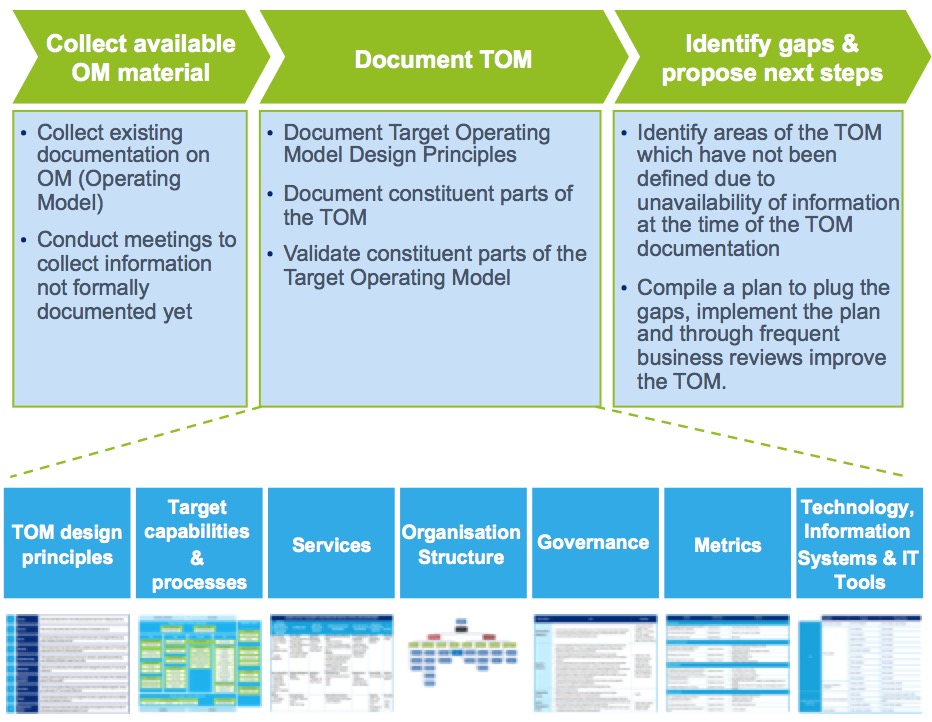
A methodology to compile the Target Operating Model (TOM) is summarised by the three steps shown in the diagram below:

TOM Methodology
Inputs to the methodology:

  • Business Model
  • Business Strategy
  • Current Operating Model
  • Formaly documented information, processes, resource models, strategies, statistics, metrics…
  • Information gathered through interviews, meetings, workshops…

Methodology produces TOM Outputs:

  • Business capabilities and associated processes
  • Clearly defined and monetised catalogue of the products and/or services being delivered
  • Organisation structure indicating roles and responsibilities of people within the business and how these are organised and governed
  • Metrics specifically defined to manage, monitor and control the performance of the organisation
  • Underpinning Technology, Information Systems and Tools the business uses in delivering it’s services and/or products

The outputs from this methodology covers each key aspect needed for a TOM that will deliver on the desired business outcomes. Understanding these desired outcomes and the associated goals and milestones to achieve them, is hence a fundamental prerequisite in compiling a TOM.

To Conclude

An achievable Target Operating Model, that delivers, is dependant on the execution of an overall business transformation strategy that aligns the business’ vision, mission and strategy with a future desired state in which the business should function.

Part of the TOM is this Business Transformation Model that outlines the transformation programme plan, which functionally syncs the current with the future operating states. It also outlines the execution phases required to deliver the desired outcomes, in the right place at the right time, while having the agility to continuously adapt to changes.

Only if an organisation has a strategically aligned and agile Target Operating Model in place that can achieve this, is the business in a position to successfully navigate its journey to the benefits and value growth it desires.

renierbotha Ltd has a demonstrable track record of compiling and delivering visionary Target Operating Models.

If you know that your business has to transform to stay relevant – Get in touch!


Originally written by Renier Botha in 2016 when, as Managing Director, he was pivotal in delivering the TOM for Systems Powering Healthcare Ltd.

How to Innovate to stay Relevant

Staying relevant! The biggest challenge we all face – staying relevant within our market. Relevance to your customers is what keeps you in business.

With the world changing as rapidly as it does today, mainly due to the profound influence of technology on our lives, the expectations of the consumer is changing at pace. They have access to an increasing array of choice, not just in how they spend their money but also in how they are communicating and interacting – change fueled by a digital revolution. The last thing that anyone can afford, in this fast paced race, is losing relevance – that will cost us customers or worse…

Is what you are selling today, adaptable to the continuous changing ecosystems? Does your strategy reflect that agility? How can you ensure that your business stays relevant in the digital age? We have all heard about digital transformation as a necessity, but even then, how can you ensure that you are evolving as fast as your customers and stay relevant within your market?

Business, who has a culture of continuous evolvement, aligning their products and services with the digital driven customer, is the business that stays relevant. This is the kind of business that does not require a digital transformation to realign with customer’s demand to secure their future. A customer centric focus and a culture of continuous evolution within the business, throughout the business value chain, is what assure relevance. Looking at these businesses, their ability/agility to get innovation into production, rapidly, is a core success criterion.

Not having a strategy to stay relevant is a very high and real risk to business. Traditionally we deal with risk by asking “Why?”. For continuous improvement/evolution and agility, we should instead be asking “Why not?” and by that, introduce opportunities for pilots, prototypes, experimentation and proof of concepts. Use your people as an incubator for innovation.

Sure, you have a R&D team and you are continuously finding new ways to deliver your value proposition – but getting your innovative ideas into production is cumbersome, just to discover that it is already aged and possibly absolute in a year a two. R&D is expensive and time consuming and there are no guarantees that your effort will result in a working product or desired service. Just because you have the ability to build something, does not mean that you have to build something. Focusing the scares and expensive resources on the right initiatives makes sense, right! This is why many firms are shifting from a project-minded (short term) approach to a longer-term product-minded investment and management approach.

So, how do you remain customer centric, use your staff as incubators of innovation, select the ideas that will improve your market relevance and then rapidly develop those ideas into revenue earners while shifting to a product-minded investment approach?

You could combine Design Thinking with Lean Startup and Agile Delivery…

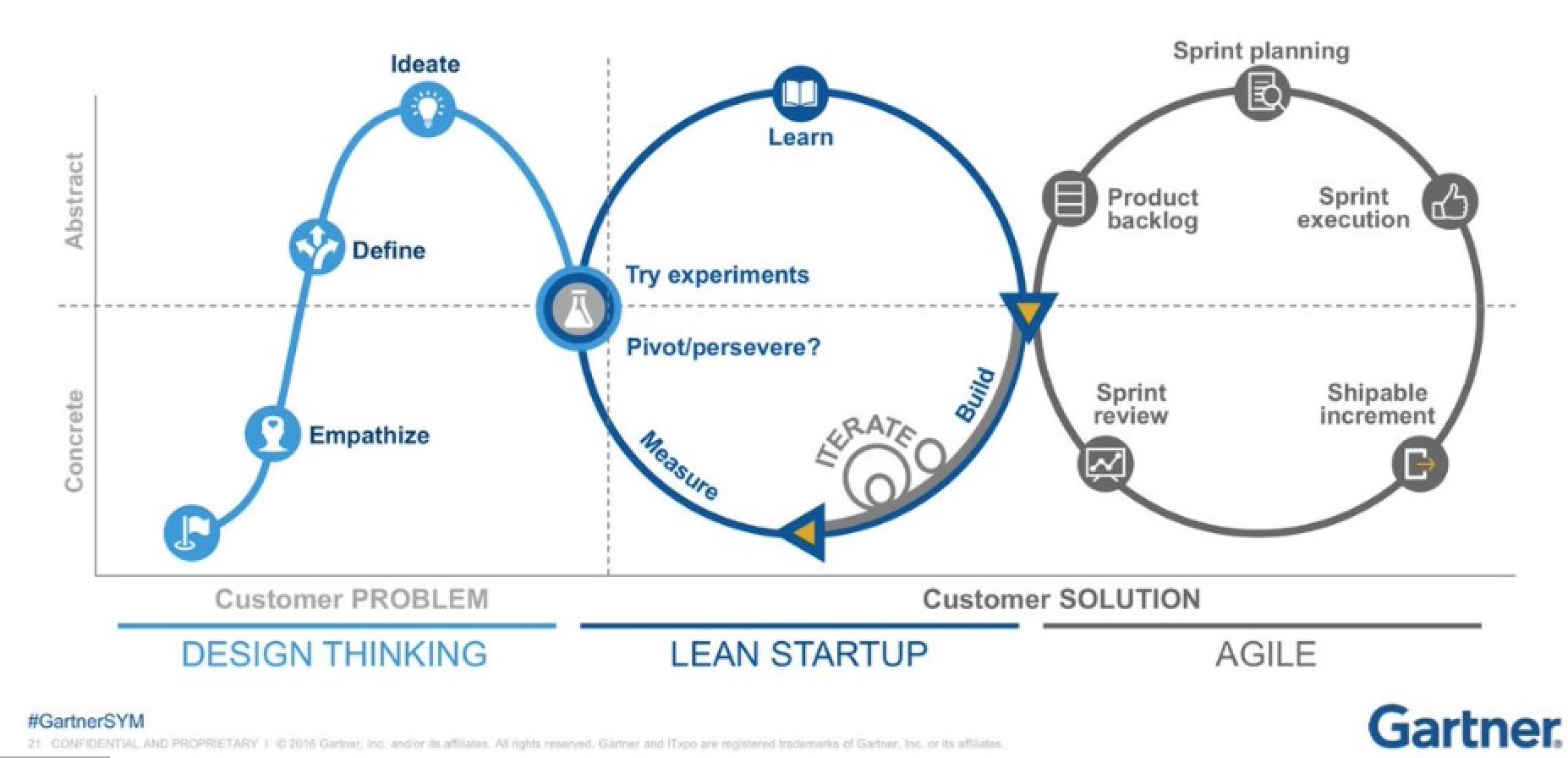
In 2016, I was attending the Gartner Symposium where Gartner brought these concepts together very well in this illustration:

Gartner - Design-Lean-Agile 2

Instead of selecting and religiously follow one specific delivery methodology, use the best of multiple worlds to get the optimum output through the innovation lifecycle.

Design-Lean-Agile 1

Using Design Thinking (Empathise >> Define >> Ideate >> Prototype) puts the customer at the core of customer centric innovation and product/service development. Starting by empathising with the customers and defining their most pressing issues and problems, before coming up with a variety of ideas to potentially solve the problems. Each idea is considered before developing a prototype. This dramatically reduces the risk of innovation initiatives, by engaging with what people (the customer) really need and want before actually investing further in development.

Lean Startup focuses on getting a product market fit, by moving a Prototype or MVP (minimum viable product) through a cycle of Build >> Measure >> Learn. This ensures a thorough knowledge of the user of the product/service is gained through an active and measureable engagement with the customer. Customer experience and feedback is captured and used to learn and adapt resulting in an improved MVP, better aligned to the target market, after every cycle.

Finally Agile Scrum, continuing the customer centric theme, involves multiple stakeholders, especially users (customers), in every step in maturing the MVP to a product they will be happy to use. This engagement enhances transparency, which in turn grow the trust between the business (Development Team) and the customer (user) who are vested in the product’s/service’s success. Through an iterative approach, new features and changes can be delivered in an accurate and predictable timeline quickly and according to stakeholder’s priorities. This continuous product/service evolvement, with full stakeholder engagement, builds brand loyalty and ensures market relevance.

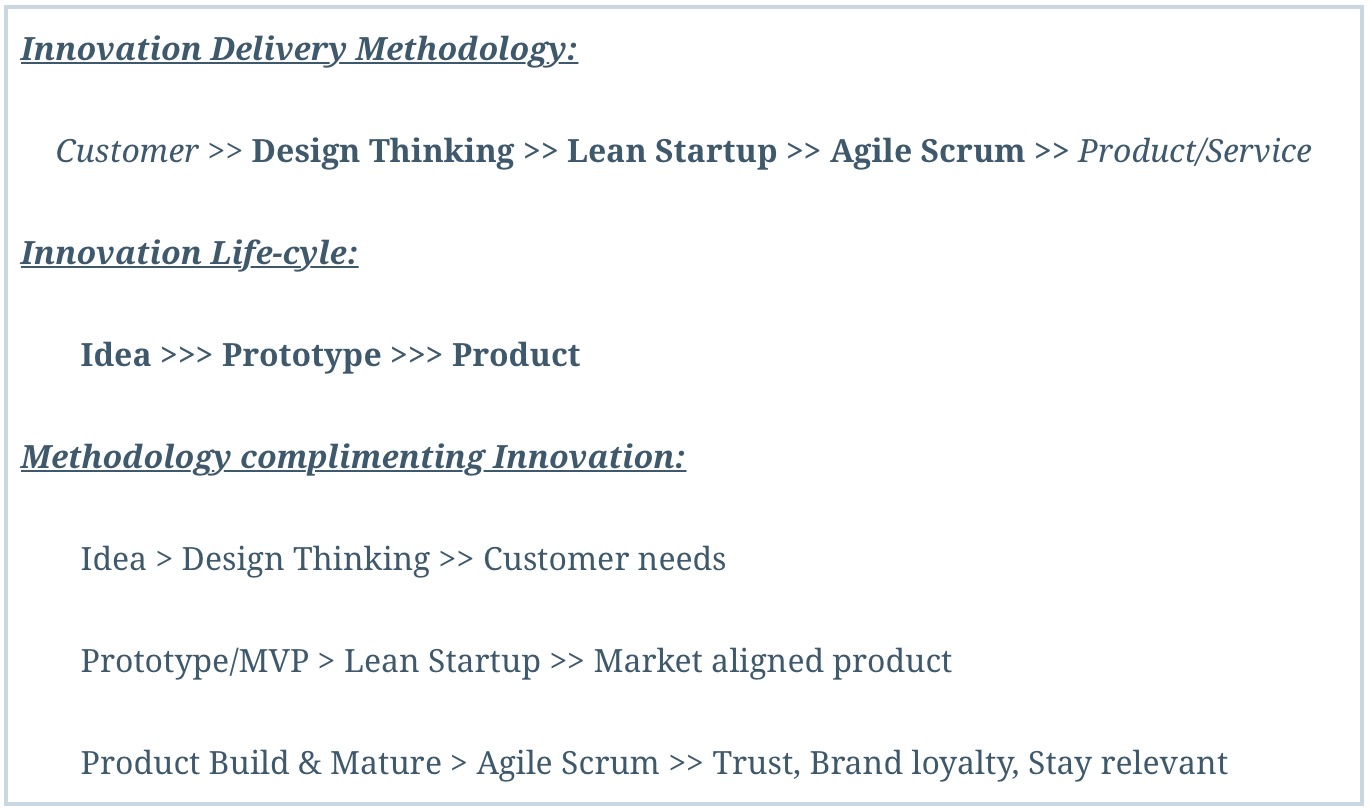
Looking at a typical innovation lifecycle you could identify three distinct stages: Idea, Prototype/MVP (Minimal Viable Product) and Product. Each of these innovation stages are complimented by some key value, gained from one of the three delivery methodologies:

Design-Lean-Agile 2

All of these methodologies, engage the stakeholders (especially the customer & user) in continuous feedback loops, measuring progress and capturing feedback to adapt and continuously improve, so maximum value creation is achieved.

No one wants to spend a lot of resource and time delivering something that adds little value and create no impact. Using this innovation methodology and associated tools, you will be building better products and service, in the eye of the user – and that’s what matters. You’ll be actively building and unlocking the potential of you’re A-team, to be involved in creating impact and value while cultivating a culture of continuous improvement.

The same methodology works very well for digital transformation programmes.

At the very least, you should be experimenting with these delivery approaches to find the sweat spot methodology for you.

Experiment to stay relevant!

Let’s Talk – renierbotha.com – Are you looking to develop an innovation strategy to be more agile and stay relevant? Do you want to achieve your goals faster? Create better business value? Build strategies to improve growth?

We can help – make contact!

Read similar articles for further insight in our Blog.

Business Driven IT KPIs

KPIs (Key Performance Indicators) are a critical management tool to measure the success and progress of effort put in towards achieving goals and targets – to continually improve performance.

Every business set their specific KPIs to measure the criteria that drive the business success – these vary from business to business. One thing every modern business has in common though, is IT – the enabler that underpin operational processes and tools used to commerce daily. Setting KPIs that measure the success of IT operations does not just help IT leadership to continuously improve but also proof the value of IT to the business.

Here are ten IT KPIs that matter most to modern business

1. % of IT investment into business initiative (customer-facing services and business units)
How well does the IT strategy, reflected in the projects it is executing, align with the business strategy? This metrics can help to align IT spend with business strategy and potentially eliminate IT projects for IT that does not align directly with business objectives.

2. % Business/Customer facing Services meeting SLAs (Service Level Agreements)
IT is delivering service to customers; these are internal to the business but can also be delivered external to the business’ client/customers directly. Are these services meeting required expectations and quality – in the eye of the customer? What can be done to improve.

3. IT Spend vs Plan/Budget
Budgets are set for a purpose – it is a financial guideline that indicates the route to success. How is IT performing against budget, against plans? Are you over-spending against the set plans? Why? Is it because of a problem in the planning cycle or something else? If you are over-spending/under-spending, in which areas do this occur?

Knowing this metrics give you the insight to take corrective actions and bring IT spend inline with budgets.

4. IT spend by business unit
IT service consumptione is driven by user demand. How is IT costs affected by the user demands by business unit – are business units responsible to cover their IT cost, hence owning up to the overall business efficiency. This metrics put the spotlight on the fact that IT is not free and give business unit manager visibility of their IT consumption and spend.

5. % Split of IT investment to Run, Grow, Transform the business
This is an interesting one for the CIO. Businesses usually expects IT to spend more money in growing the business but reality is that the IT cost of running the business is driven by the demand from IT users with an increased cost implication. Business transformation, now a key topic in every board meeting, needs a dedicated budget to succeed. How do these three investment compare in comparison with business strategic priorities.

6. Application & Service TCO (Total Cost of Ownership)
What is the real cost of delivering IT services and application. Understanding the facts behind what makes up the total cost of IT and which applications/services are the most expensive, can help to identify initiatives to improve.

7. Infrastructure Unit Cost vs Target & Benchmarks
How do you measure the efficiency of your IT infrastructure and how does this compare with the industry benchmark? This is a powerful metrics to justify ROI (Return on Investment), IT’s value proposition, IT strategy and the associated budget.

8. % Projects on Time, Budget & Spec
Is the project portfolio under control? Which projects need remediation to get back on track and what can be learned from projects that do run smoothly?

9. % Project spend on customer-facing initiatives
How much is invested in IT projects in the business for the business (affecting the bottom line) in comparison with customer-centric projects that impacts the business’ top line.

10. Customer satisfaction scores for business/customer facing services

Measure the satisfaction of not just the internal business units that consume IT services but also the business’ customer’s satisfaction with customer-facing IT services. Understand what the customer wants and make the needed changes to IT operations to continuously improve customer satisfaction.

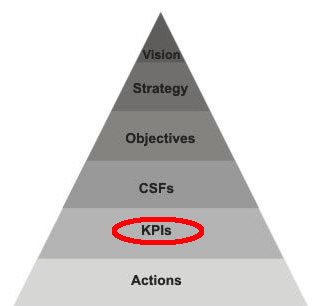
KPI vs Vision

In the famous words of Peter Drucker “What gets measured gets improved”, KPIs give you the insight to understand:

  • your customer
  • your market
  • your financial performance
  • your internal process efficiency
  • your employee performance

Insight brings understanding that leads to actions driving continuously improve.

Empowering Healthcare through Strategic Leadership: Systems Powering Healthcare Case Study (2015-2017)

Introduction:
In December 2015, Renier Botha assumed the role of Managing Director (CEO) & Head of Service (CIO) at Systems Powering Healthcare (SPHERE), an IT specialist organisation providing essential IT infrastructure and shared IT services to over 10,000 healthcare workers in the NHS. This case study delves into Botha’s transformative journey, focusing on his strategic vision, innovative solutions, and steadfast leadership that reshaped SPHERE into a thriving and client-focused enterprise.

Challenges and Objectives:
When Botha took charge, SPHERE faced the challenge of transitioning from a cost-plus model to a commercial-service-catalogue model while expanding its clientele. His primary objectives included stabilising the newly founded business, developing a strategic roadmap, and establishing a customer-centric approach to service delivery.

Strategic Initiatives and Achievements:

  1. Strategic Planning: Within the initial three months, Botha meticulously crafted a six-year strategic business plan for SPHERE. This plan outlined clear annual investment and service delivery milestones, providing a roadmap for the organisation’s growth and development.
  2. Operational Excellence: Botha directed a workforce of 75 employees, overseeing the execution of the strategic plan. Under his leadership, SPHERE transformed from a startup to an established medium-sized enterprise, achieving its third-year targets by the end of the second financial year.
  3. IT Infrastructure Transformation: Botha led a comprehensive IT estate refresh strategy, investing £42M in core capabilities like IP Networks, Service Hosting, End User Computing, and more. This initiative not only modernised SPHERE’s infrastructure but also ensured long-term sustainability and efficiency.
  4. Service Delivery Innovation: Botha introduced a customer-centric Target Operating Model (TOM) and implemented Service-Now as the supporting ERP toolset. This digital transformation not only increased business maturity but also resulted in a five-year £2.4m NPV saving and a remarkable ROI of 493%.
  5. Financial Growth: Through strategic M&A, business transformation, and the onboarding of new clients, SPHERE’s revenue grew by 42%. This growth not only secured significant ROI for shareholders but also saved the NHS approximately £3m per annum through a shared service solution.
  6. Operational Efficiency: Botha defined and achieved the “Cost per IT User” KPI, showcasing SPHERE’s value proposition. The strategic business plan led to an 11% reduction in the Cost per IT User in 2016 and a further 13% reduction in 2017, surpassing the target KPI by 12%.
  7. Commercial Success: Botha developed a compelling commercial Service Catalogue, instrumental in winning a £10m tender bid to become an IT Service Provider to Northumbria Healthcare NHS Foundation Trust.
  8. Cultural Transformation: Through a focus on commercial awareness, customer-centricity, and employee empowerment, Botha fostered a high-performing team. Staff retention rates increased from 82% in early 2016 to an impressive 98% by the end of 2017.

Conclusion:
Renier Botha’s strategic foresight, operational acumen, and emphasis on innovation and client satisfaction transformed Systems Powering Healthcare into a robust, client-focused organisation. His leadership not only steered SPHERE through critical transitions but also positioned it as a beacon of efficiency and excellence within the healthcare technology sector. This case study exemplifies the profound impact of visionary leadership on organisational growth and success.